 Pin it
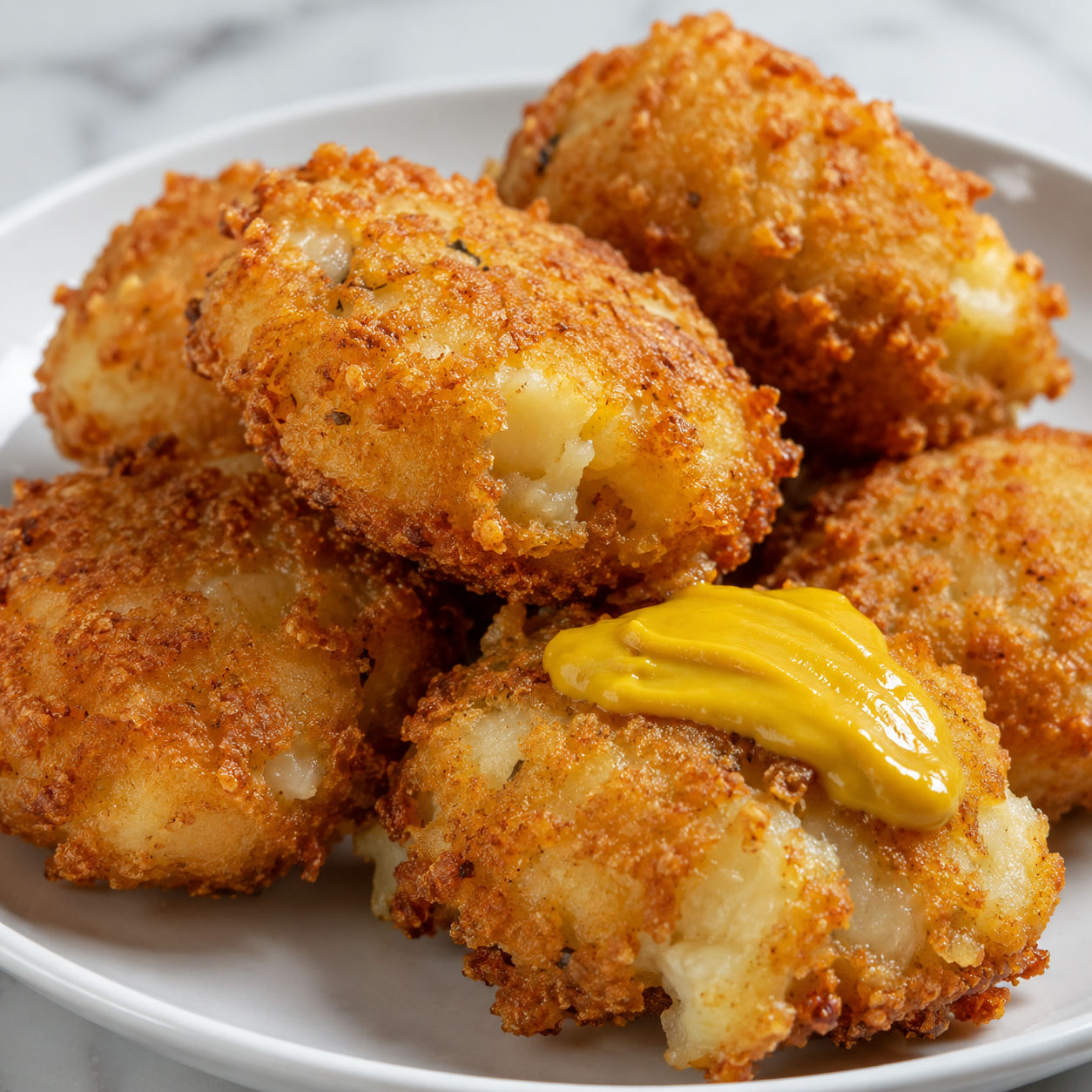
Baltimore kept THIS secret from the rest of America for decades, and the first taste explains why locals remember coddies so fiercely. They are crisp little potato and cod cakes, served with yellow mustard and saltines instead of fancy sauce.
Think of them as the humbler cousin of a crab cake. The inside is soft and savory. The outside gets craggy from crushed crackers. They are cheap, salty, and exactly right with a cold drink or a bowl of soup.
Baltimore's Cracker-Crisp Secret
The ingredient list is plain in the best way. Use starchy potatoes, properly soaked salt cod, and fresh crackers that crush into sharp little crumbs.
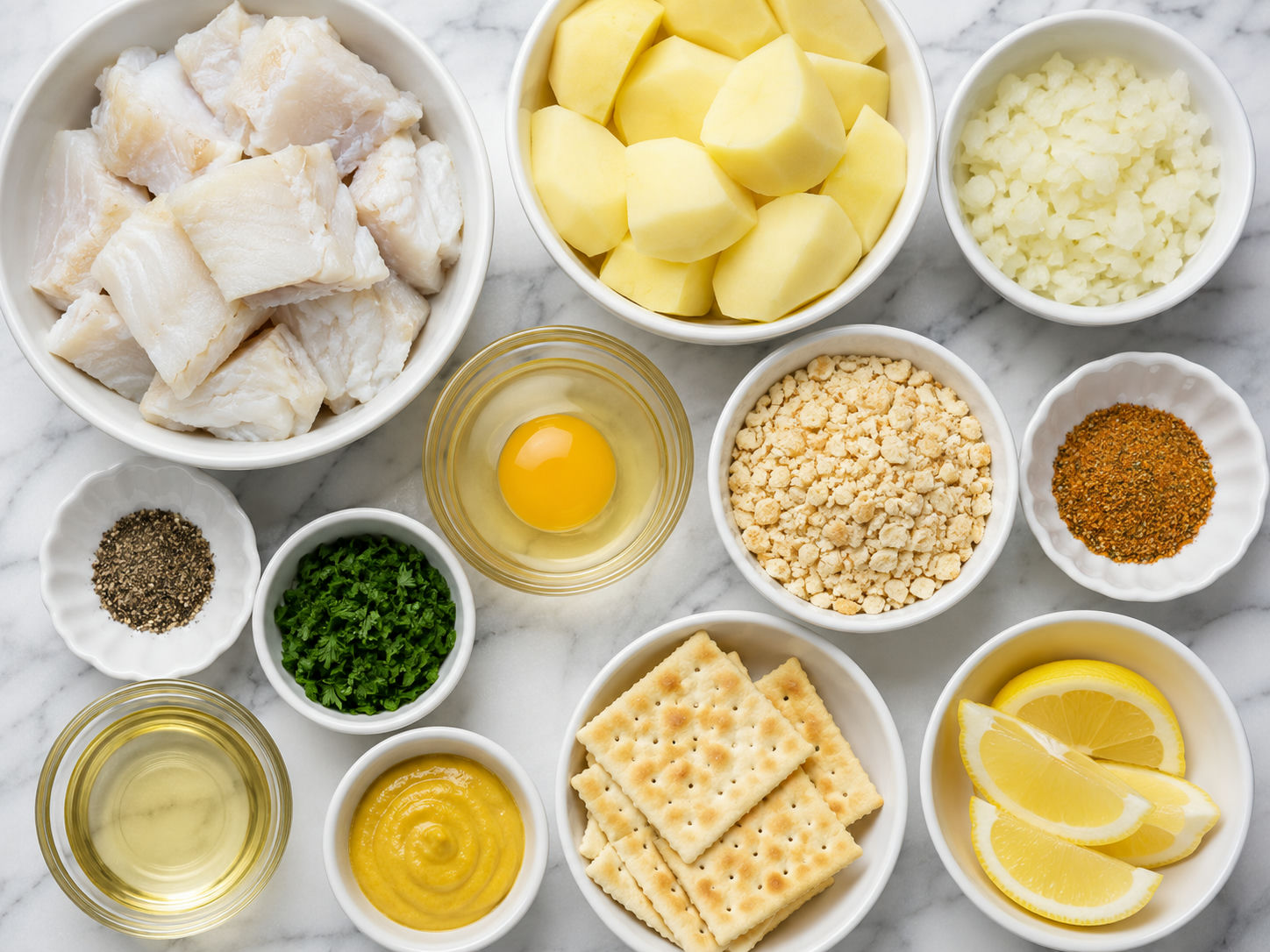
- Salt cod. Gives the coddies their old-school savory backbone and a firm, flaky texture.
- Russet potatoes. Mash up fluffy and dry, which helps the cakes hold together.
- Yellow onion. Adds sweetness and a little bite without taking over.
- Egg. Binds the potato and fish so the patties do not crumble in the skillet.
- Saltine crackers. Go inside the mixture and outside the cakes for that Baltimore-style crunch.
- Seafood seasoning. Adds celery salt, pepper, and warmth without needing a long spice list.
- Yellow mustard. The sharp, bright finish that makes a coddie taste complete.
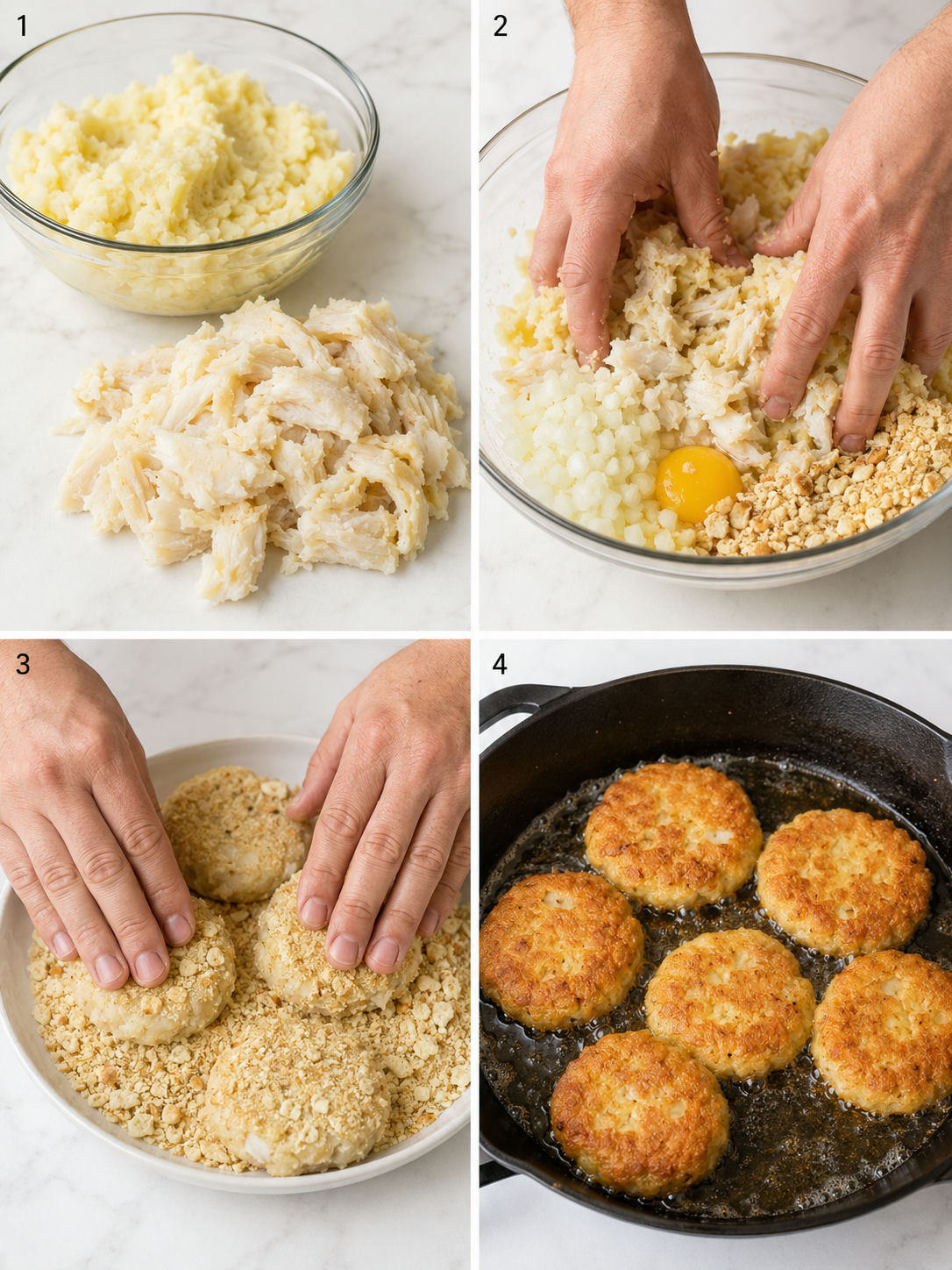
How Coddies Come Together
- Soak the cod. Cover the salt cod with cold water and refrigerate overnight, changing the water once or twice if you can.
- Cook the potatoes. Boil peeled russets until tender, then drain well and mash while hot so excess steam escapes.
- Flake the fish. Simmer the soaked cod until just tender, then drain, cool slightly, and break it into small flakes with your fingers.
- Mix the cakes. Stir together potato, cod, onion, egg, cracker crumbs, and seasoning until the mixture feels firm enough to shape.
- Chill and coat. Form small patties, chill them for 20 minutes, then press both sides into more crushed saltines.
- Fry until crisp. Cook in shallow hot oil until deep golden on both sides, then drain and serve with mustard and crackers.
Why Salt Cod Matters
Salt cod is the reason coddies taste like more than mashed potato cakes. Soaking pulls away the harsh salt while leaving a dense, savory fish flavor behind. Do not rush that step if you want the old Baltimore taste.
If you grew up with crab cakes, coddies feel familiar but thriftier. They belong on the same table as seafood comfort recipes like crab and shrimp stuffed salmon or lobster and scallop chowder, but they ask for cheaper ingredients and a hotter skillet. The FDA seafood guide is a useful reference for handling and cooking fish safely at home.
The Texture You Want
A good coddie has a rough, crisp shell and a soft middle that is not gluey. The trick is draining the potatoes well. Wet potatoes make loose patties, and loose patties break when they hit the oil.
Let the mashed potatoes steam dry for a few minutes before mixing. Crush the saltines by hand instead of turning them into powder. Bigger crumbs make a better crust. I also like to chill the shaped patties before frying. That short rest firms the egg and starch enough to make flipping less tense.
Swaps That Still Taste Right
Fresh cod works when salt cod is hard to find, but you need to season more boldly. A little extra salt and seafood seasoning helps. Smoked whitefish is not traditional, though it makes a tasty variation if you like a stronger fish flavor.
For a lighter meal, serve two coddies with a bright salad. The crunch also makes them a fun party snack beside fried mac and cheese bites. If you want a sauce beyond mustard, keep it sharp. Pickled pepper relish, like this pickled pepper and onion relish, cuts through the potato nicely.
Serving Them The Old Way
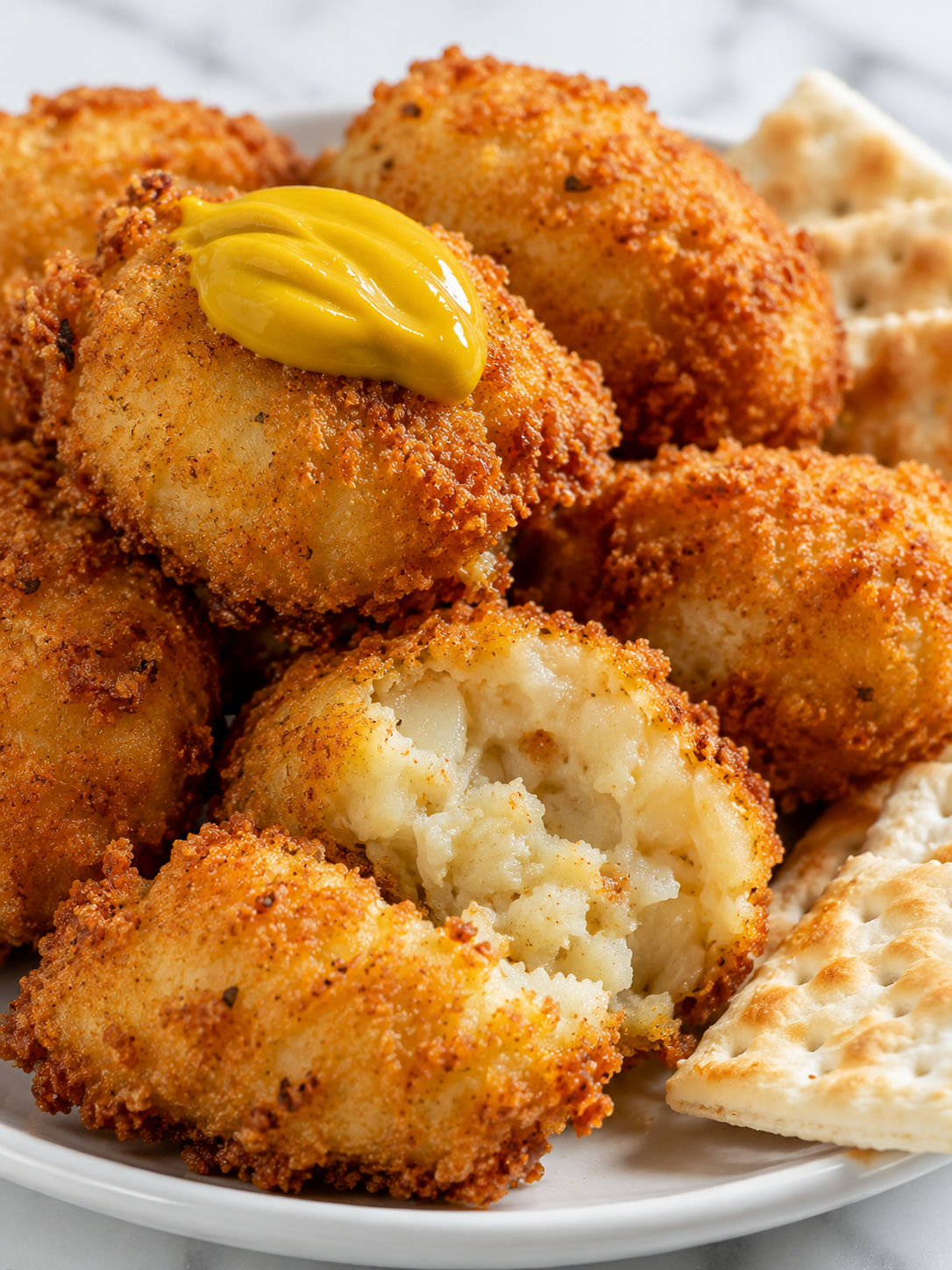
Hot coddies do not need much. Put them on a plate with yellow mustard, saltines, and maybe lemon wedges if you like a little lift. Some people sandwich the cake between crackers. Others swipe mustard right over the top and eat them with a fork.
They are best right from the skillet, when the cracker crust is still snapping. If you are making a batch for guests, hold finished coddies on a rack in a 250°F oven while you fry the rest. Do not stack them on paper towels for long or the steam softens the crust.
Storing Without Losing Crunch
Leftovers keep well, but the crust needs dry heat to come back. Use an oven, toaster oven, or air fryer. A microwave warms the middle but leaves the outside soft.
You can shape the uncooked patties a day ahead and refrigerate them between layers of parchment. Coat them in the final cracker crumbs right before frying. That keeps the coating crisp instead of damp.
Summary
These Baltimore coddies are best eaten hot, with plenty of mustard and extra saltines on the side.
FAQs
- What are Baltimore coddies?
Baltimore coddies are small fried cakes made mostly from mashed potatoes, salt cod, onion, egg, and crushed saltines. They are usually eaten with yellow mustard and more saltine crackers.
- Can I use fresh cod instead of salt cod?
Yes, but the flavor will be milder. Poach or bake 6 ounces of fresh cod until it flakes, then season the potato mixture with extra salt and a pinch more seafood seasoning.
- Do I have to soak salt cod overnight?
For the best texture and salt level, yes. If the cod is very thin, several changes of cold water over 6-8 hours can work, but overnight soaking is more reliable.
- Why are my coddies falling apart?
The mixture is probably too wet or too warm. Chill it before shaping, use enough cracker crumbs, and fry in hot oil so the crust sets quickly.
- How do I store leftover coddies?
Refrigerate cooked coddies in an airtight container for up to 3 days. Reheat them in a 375°F oven or air fryer until hot and crisp again.
- What do you serve with Baltimore coddies?
Yellow mustard and saltines are the classic move. They also fit well beside coleslaw, pickled peppers, chowder, or a simple green salad.
