 Pin it
I make this soup when I feel run down or when the weather turns sharp and grey. It is not fancy. It is a simple pot of chicken and vegetables that happens to be loaded with ingredients that calm inflammation and warm you from the inside out.
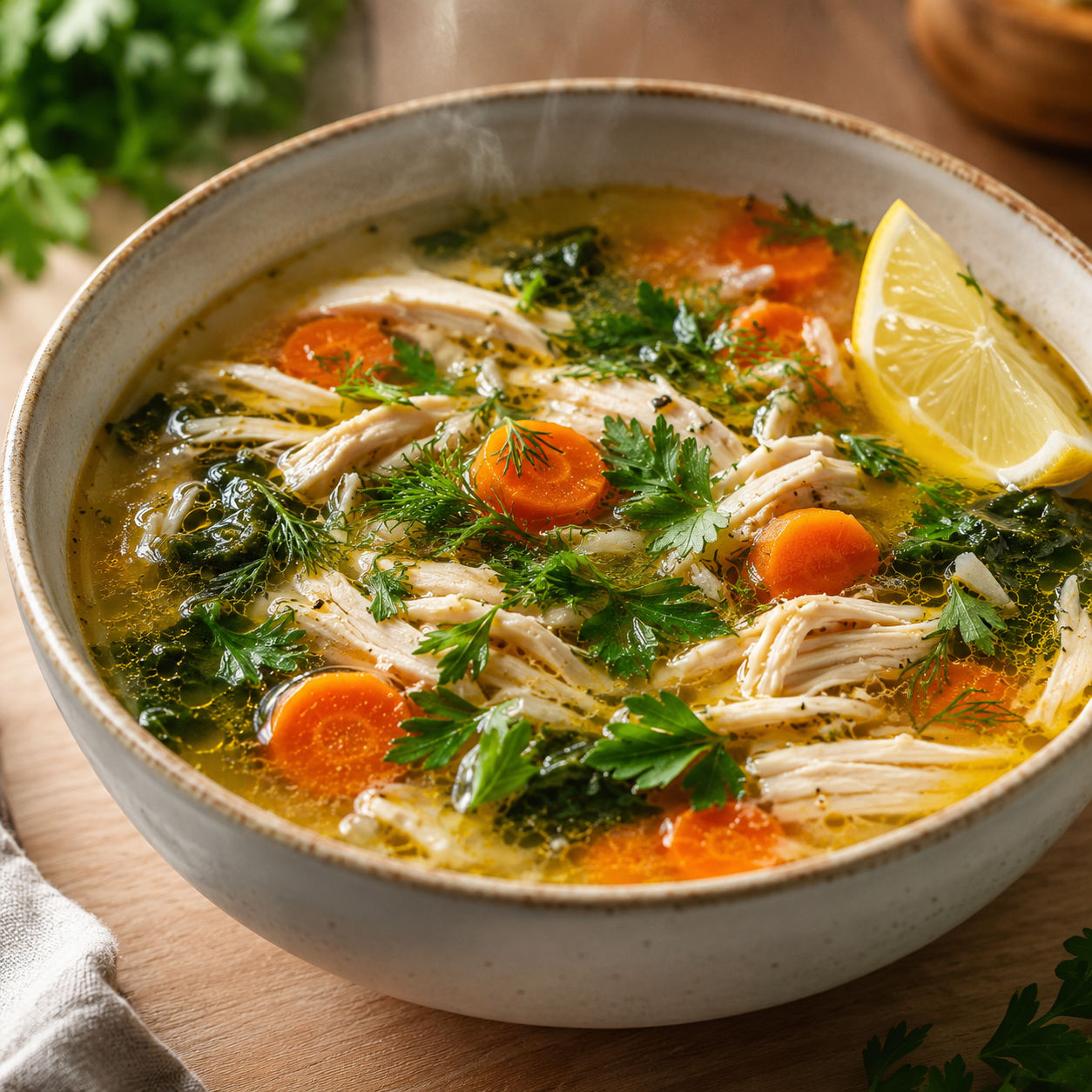
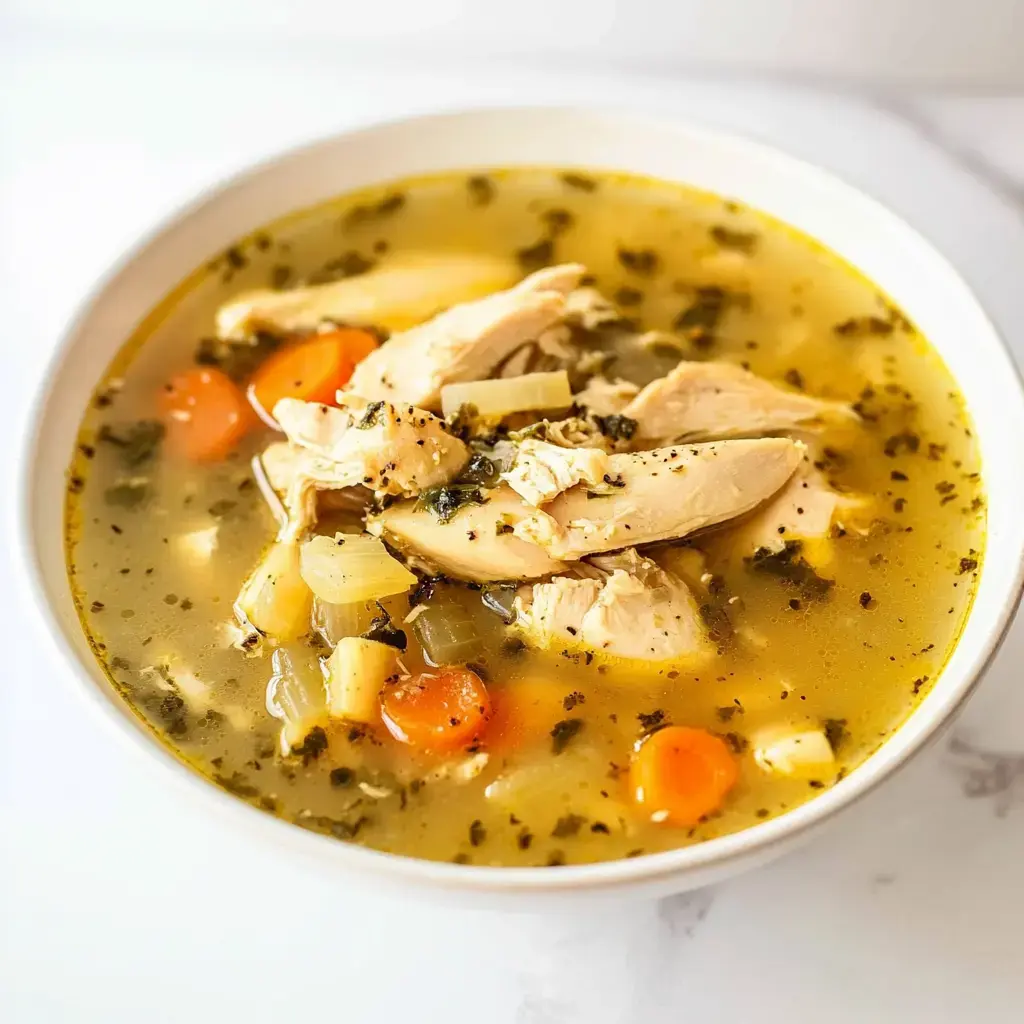
The broth turns a soft golden color from turmeric. Fresh ginger and garlic give it a gentle heat that clears your head. I use chicken thighs because they stay tender and make a richer broth than breast meat ever could.
What goes into the pot
This is a pantry-plus-fresh-herbs situation. You probably have carrots, onion, and garlic on hand. The healing part comes from turmeric, ginger, and a generous crack of black pepper.
- Chicken thighs. Bone-in thighs make the deepest broth and shred beautifully after a gentle simmer.
- Turmeric. A warm, earthy spice that gives the broth its golden color and is known for its anti-inflammatory properties.
- Fresh ginger. Grated fine so it melts into the background and leaves a clean, warming heat.
- Black pepper. Not just for flavor. It contains piperine, which helps your body absorb curcumin from the turmeric.
- Carrots, celery, and onion. The classic trio that builds a sweet, savory foundation without any fuss.
- Fresh herbs. Parsley and dill at the end keep the bowl bright and stop it from tasting too heavy.
How to build the broth
- Sauté the vegetables. Warm olive oil in a large Dutch oven over medium heat. Add the onion, carrot, and celery with a pinch of salt and cook for five to six minutes until they soften and smell sweet. Stir in the garlic and ginger for the last minute.
- Add the spices and broth. Sprinkle in the turmeric and black pepper, then pour in the broth. Add the bay leaves and thyme. Nestle the chicken thighs into the liquid.
- Simmer until tender. Bring to a gentle boil, then reduce the heat to low and cover. Simmer for twenty-five to thirty minutes until the chicken pulls apart easily with a fork.
- Shred the chicken. Lift the thighs out with tongs and set them on a plate. When they are cool enough to handle, shred the meat with two forks and discard the bones.
- Finish with greens and lemon. Return the shredded chicken to the pot. Stir in chopped kale or spinach and let it wilt for three to four minutes. Finish with lemon juice, parsley, and dill. Taste and adjust the salt.
Why pepper belongs in every bowl
Turmeric on its own does not absorb well. The curcumin needs a little help. Black pepper contains piperine, a compound that can increase curcumin absorption significantly. A pinch is all it takes. I also add a splash of olive oil for the same reason, since curcumin is fat-soluble. The NIH National Center for Complementary and Integrative Health provides more information on turmeric research.
Swaps that keep it nourishing
No kale? Use spinach or Swiss chard instead. Want something heartier? Add a diced sweet potato when you add the carrots. If you prefer a lighter soup, use chicken breast but reduce the simmer time to fifteen minutes so it does not dry out.
You can also turn this into a slow-cooker meal. Sauté the aromatics first, then transfer everything to a crockpot and cook on low for four hours. For more slow-cooker comfort, try our easy slow cooker chicken pot pie or creamy crockpot chicken gnocchi soup.
The best cut for soup
Bone-in chicken thighs win here every time. The bones add body to the broth. The fat keeps the meat moist through a long simmer. Breast meat is leaner but tends to turn stringy and dry after thirty minutes in hot liquid. If you only have breast meat, poach it gently for fifteen minutes and remove it before you finish the soup.
Storing and reheating
This soup keeps in the refrigerator for up to four days. The flavor actually improves overnight as the herbs settle in. Reheat gently on the stove over medium-low heat. If the broth thickens, thin it with a splash of water or extra stock.
To freeze, cool the soup completely and portion it into airtight containers. It freezes well for up to three months. Thaw overnight in the fridge and warm slowly. If you want another comforting soup to batch-cook, our creamy chicken mushroom wild rice soup freezes just as nicely.
Summary
A comprehensive guide to making an anti-inflammatory chicken soup that's both nutritious and delicious. Packed with healing spices and fresh vegetables, this soup offers a comforting and health-boosting meal.

FAQs
- What makes this soup anti-inflammatory?
Turmeric contains curcumin, which has been studied for its anti-inflammatory effects. Fresh ginger and garlic also contribute compounds that may help reduce inflammation. Black pepper is added because piperine can improve curcumin absorption.
- Can I use chicken breast instead of thighs?
Yes, but thighs are better here. Breast meat is leaner and can turn dry and stringy after twenty to thirty minutes of simmering. If you use breast, poach it gently for about fifteen minutes and remove it before finishing the soup.
- Is this soup gluten-free and dairy-free?
Yes. This recipe contains no wheat, barley, rye, or dairy products. Just check that your chicken broth is certified gluten-free if you are cooking for someone with celiac disease.
- How long do leftovers last?
Store the cooled soup in an airtight container in the refrigerator for up to four days. The flavor often improves on the second day as the herbs settle into the broth.
- Can I add noodles or rice to make it heartier?
Absolutely. Add cooked noodles or rice to individual bowls rather than the pot so they do not absorb all the broth during storage. Quinoa or cooked lentils are also great options.
- Can I freeze this soup?
Yes. Cool it completely, then transfer to airtight containers or freezer bags. It keeps well for up to three months. Thaw overnight in the refrigerator and reheat gently on the stove.
