 Pin it
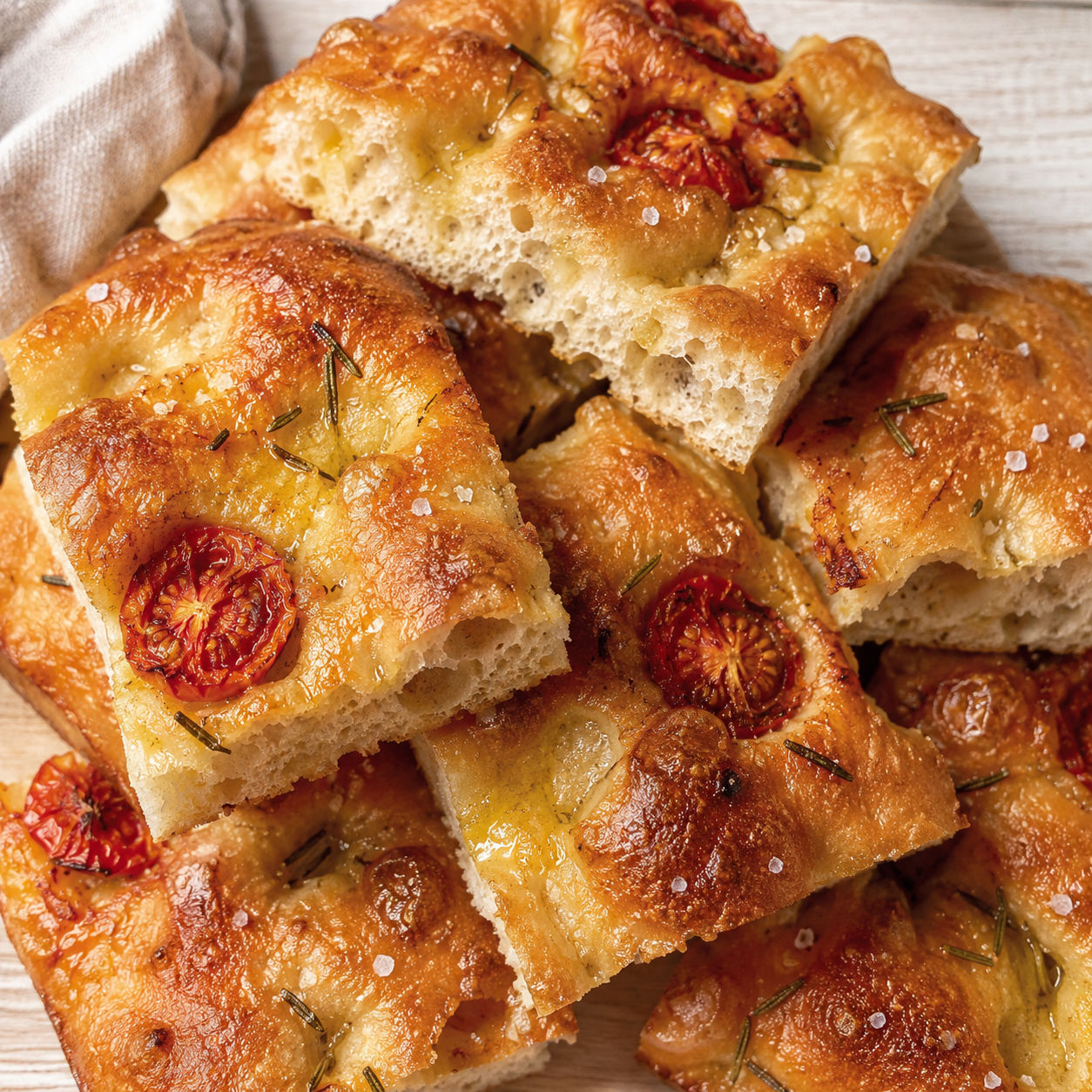
Sourdough discard focaccia is the bread I make when the starter jar is full but I do not want to wait overnight. The discard brings that mild tang, while a small amount of yeast keeps the rise dependable and relaxed.
The dough is wet and sticky on purpose. That moisture gives you a soft, open crumb and those glossy dimples that catch olive oil and flaky salt. You do not need fancy shaping. You need time, oil, and a hot oven.
Sourdough discard focaccia basics
Use discard that smells pleasantly tangy, not harsh or moldy. Bread flour gives the best chew, but all-purpose flour works if that is what you have.
- Sourdough discard. Adds gentle tang and uses up leftover starter from feeding day.
- Warm water. Hydrates the flour and wakes up the yeast without making the dough hot.
- Instant yeast. Gives reliable same-day lift even when the discard is sleepy.
- Bread flour. Builds enough strength to hold bubbles in this wet dough.
- Olive oil. Creates crisp edges, a tender crumb, and the rich focaccia flavor.
- Fine sea salt. Seasons the dough from the inside.
- Honey or sugar. Helps browning and balances the sourdough tang.
- Rosemary and flaky salt. Finish the top with fragrance and crunch.
Dimple, oil, and bake
- Mix the dough. Stir the discard, warm water, yeast, honey, olive oil, flour, and salt until no dry patches remain. The dough should look shaggy and sticky.
- Build strength. Rest 15 minutes, then use oiled hands to stretch and fold the dough over itself 3-4 times. Repeat twice during the first rise.
- Let it puff. Cover the bowl and rise until the dough looks swollen and airy, about 1 1/2-2 hours.
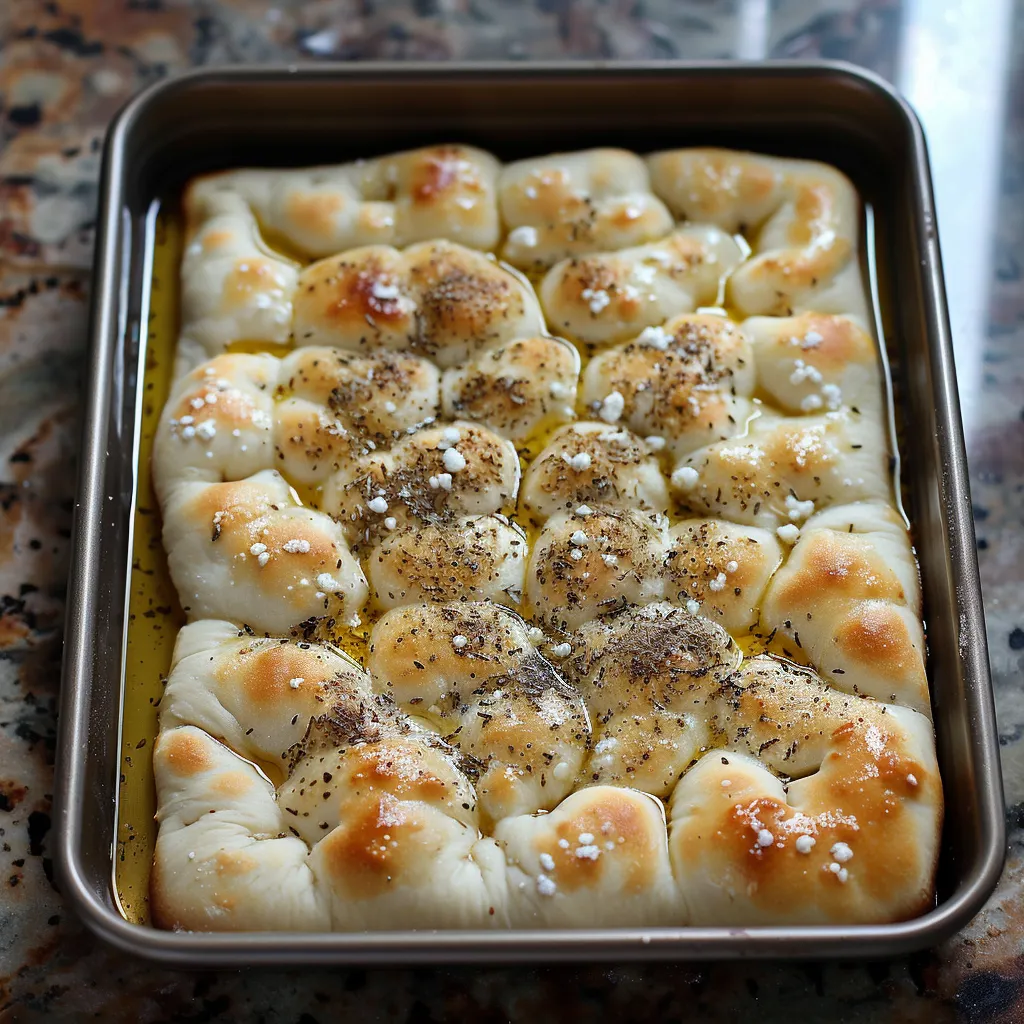
- Move to the pan. Oil a 9x13-inch pan, tip in the dough, and gently stretch it toward the corners. Rest if it springs back.
- Proof and dimple. Let the dough rise until bubbly, then press your oiled fingers deep into the surface. Add rosemary, flaky salt, and more olive oil.
- Bake until golden. Bake at 425 degrees F until the top is browned and the edges pull from the pan, about 22-26 minutes.
Why the dough feels loose
This dough will not feel like sandwich bread dough. It spreads, sticks, and jiggles a bit because focaccia needs high hydration to bake up light. Resist the urge to keep dusting it with flour. Oil your hands instead, then fold the dough gently so it traps air without tearing.
If you want a deeper sourdough flavor, look at the longer method in Easy Sourdough Discard Focaccia Bread. For starter care and timing, the King Arthur sourdough guide is a useful reference.
Getting those deep dimples
The best dimples happen after the dough has proofed in the pan. Wait until it looks puffy and small bubbles show near the surface. Pour on the oil, spread your fingers, and press straight down until you almost feel the pan. Do not jab quickly. Slow pressure makes pockets without collapsing the whole loaf.
Rosemary and flaky salt are classic, but you can add sliced olives, halved cherry tomatoes, or thin red onion. For a smaller snack version, Easy Garlic Rosemary Focaccia Muffins uses the same flavors in a pull-apart shape.
Toppings that bake well
Keep toppings light so the center can bake through. Wet vegetables should be small and patted dry. Cheese can brown fast, so add a modest handful during the last 10 minutes if you want a melty top. Garlic is delicious, but it burns when left exposed. Thin slices should sit partly in the oil or under a tomato.
For a sweet route, the idea behind Chocolate Sourdough Focaccia is fun with discard too. Keep this base savory unless you reduce the salt and change the toppings.
Serving and leftover plans
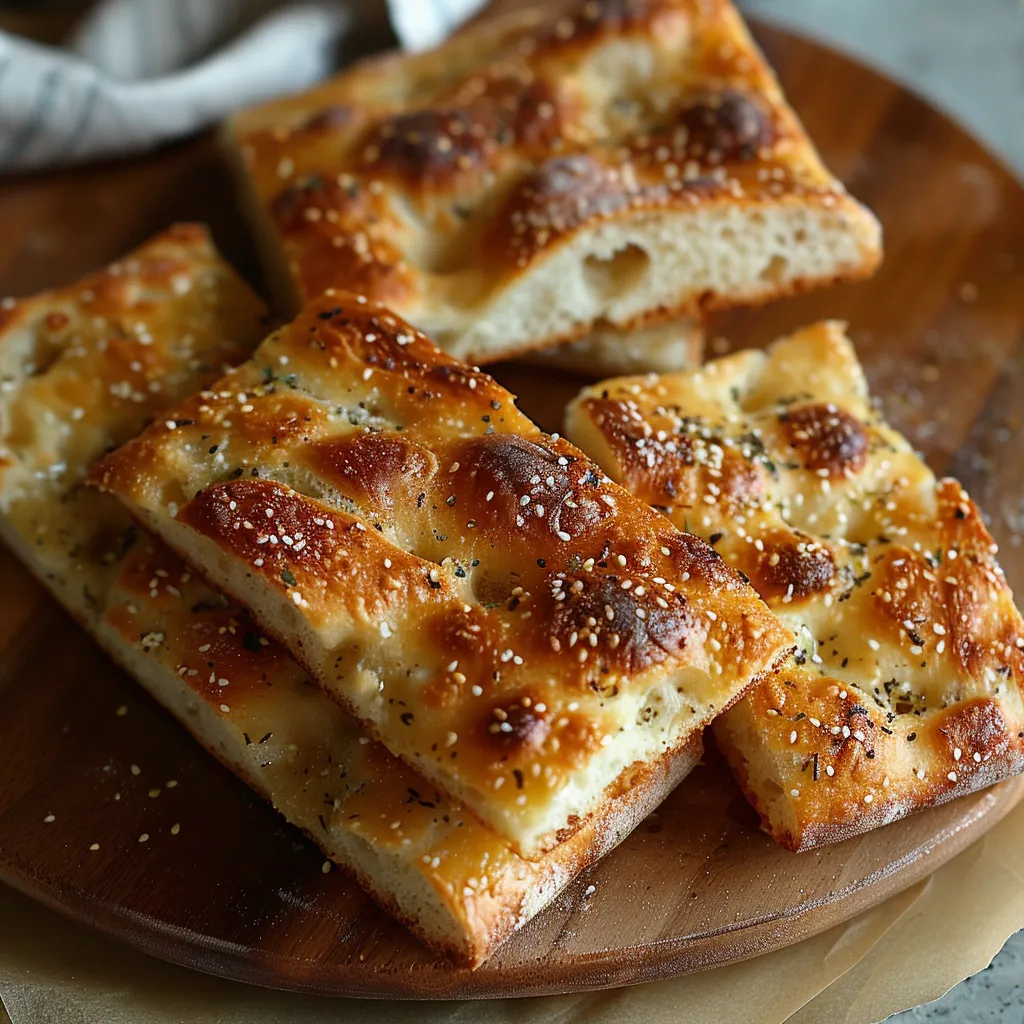
Let the focaccia cool for at least 15 minutes before slicing. That short rest keeps the crumb from turning gummy. Serve it warm with soup, use squares for sandwiches, or cut thin strips for dipping in olive oil and vinegar.
Leftovers reheat better in the oven than the microwave. A few minutes at 350 degrees F brings back the crisp bottom. If your starter jar needs more attention before baking day, Sourdough Starter Whole Grain is a good place to keep it healthy.
Make it fit your schedule
For same-day bread, mix the dough in the early afternoon and bake it before dinner. For more flavor, cover the panned dough and refrigerate it after the first rise. The next day, let it sit at room temperature until bubbly before dimpling and baking.
The longer version develops more tang and a chewier crust. The quick version is softer and milder. Both are good. King Arthur has a classic sourdough focaccia method if you want to compare timing and pan size at their focaccia recipe.
FAQs
- Can I use cold sourdough discard from the fridge?
Yes. Cold discard works well here because the instant yeast does the main rising. Let the mixed dough rest a little longer if your kitchen is cool.
- Can I make this without instant yeast?
You can, but your discard needs to be active and bubbly. Expect a much longer rise, often 6-8 hours at room temperature or an overnight cold proof.
- Why is my focaccia dough so sticky?
Focaccia dough is supposed to be wet. Use oiled hands instead of adding lots of extra flour. Extra flour makes the crumb tighter and the bread less tender.
- Can I add tomatoes, olives, or garlic?
Yes. Press small tomatoes or olives into the dough after dimpling. For garlic, use thin slices and tuck them lightly into the oil so they do not burn.
- How do I store sourdough discard focaccia?
Keep it wrapped at room temperature for 1 day, or refrigerate it for up to 4 days. Reheat slices in a 350 degrees F oven until the edges crisp again.
- What should I serve with it?
Serve it with soup, salad, pasta, or a bowl of olive oil for dipping. It also makes excellent sandwiches once fully cooled.
