 Pin it
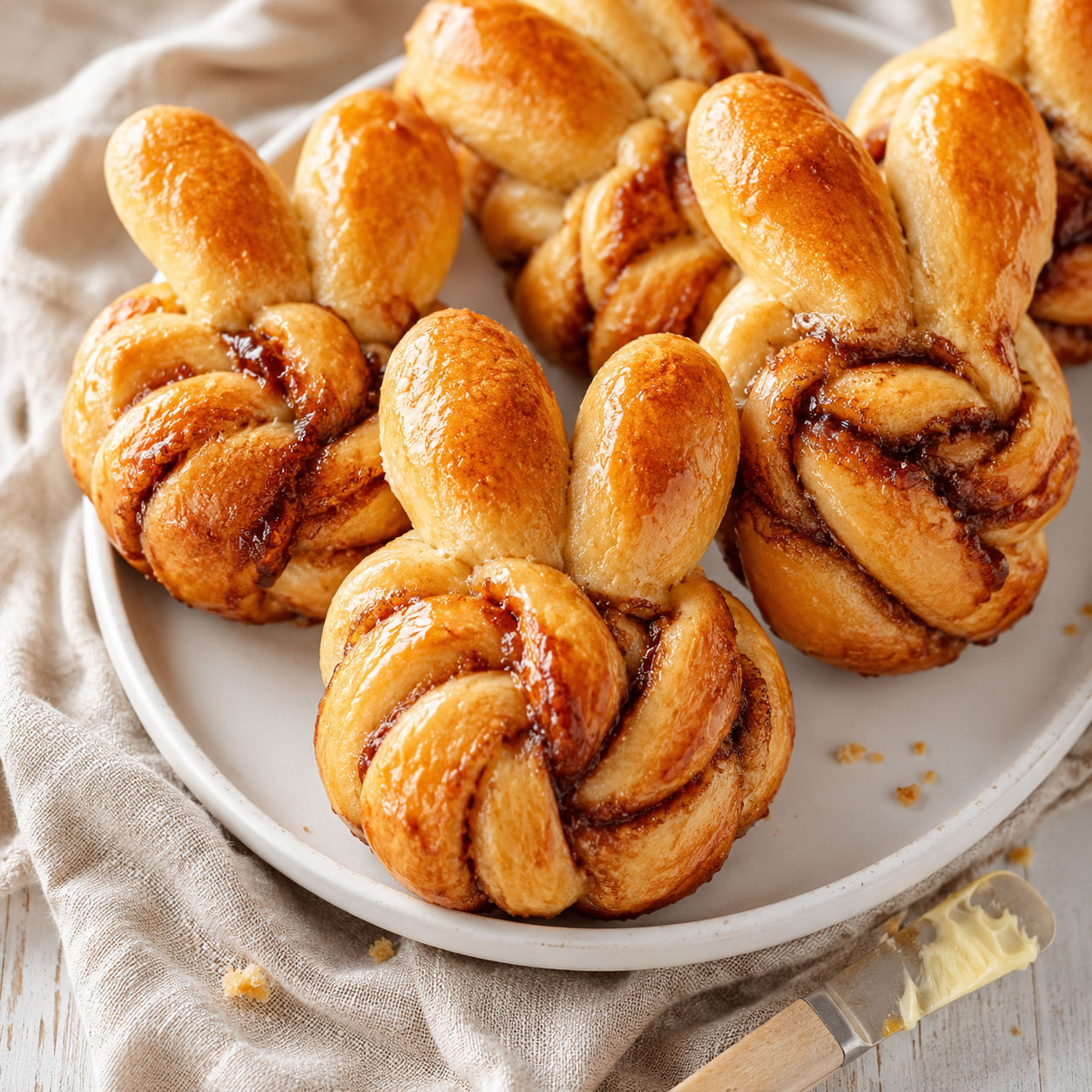
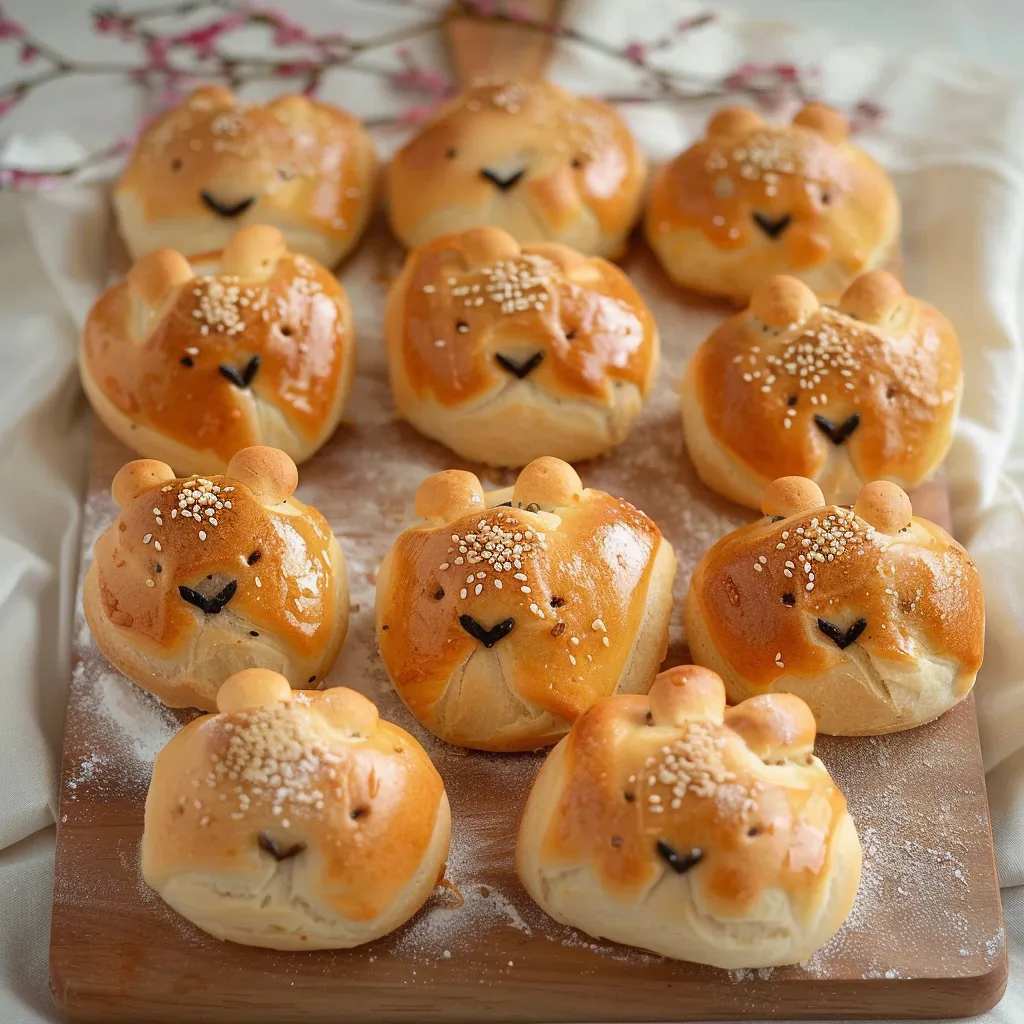
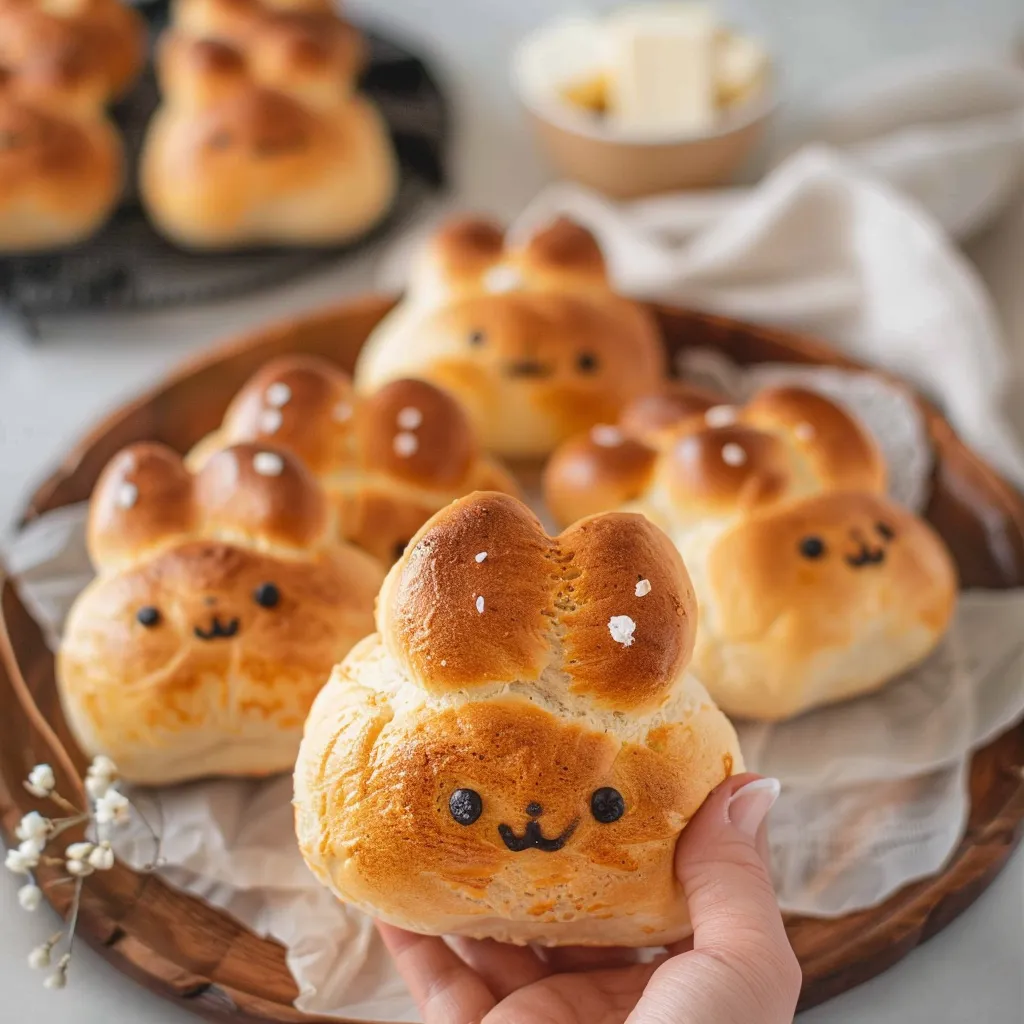
Bunny Buns are the kind of Easter bake that makes the table feel planned even when the rest of the meal is simple. They are soft, lightly sweet milk rolls with little twisted ears and round tails.
The dough is easy to handle after the first rise. The trick is keeping the ropes even and giving the shaped buns a short second rise so the ears stay defined instead of puffing into one blob.
I like them warm with butter, jam, or beside a brunch spread. They also make a good baking project because the shaping is forgiving once you know where to pinch and tuck.
Bunny Buns Ingredient Lineup
Use fresh yeast and milk that feels warm, not hot. The dough should feel soft and slightly tacky after kneading, which gives the baked buns their fluffy pull-apart texture.
- Milk. Gives the rolls a tender crumb and helps the dough brown nicely.
- Active dry yeast. Lifts the dough and makes the buns light instead of dense.
- Granulated sugar. Adds mild sweetness and helps feed the yeast.
- Egg. Makes the dough richer and easier to shape.
- Unsalted butter. Softens the crumb and adds a gentle buttery flavor.
- All-purpose flour. Gives enough structure for the bunny shape while keeping the rolls tender.
- Fine salt. Balances the sweetness and keeps the bread from tasting flat.
- Honey butter. Brushed on after baking for shine, softness, and a sweet finish.
Twist The Bunny Shapes
- Wake the yeast. Stir warm milk, sugar, and yeast together until foamy. If it sits flat after 10 minutes, start again with fresher yeast.
- Mix the dough. Add the egg, butter, flour, and salt, then knead until the dough is smooth and springy. It should pull from the bowl but still feel soft.
- Let it rise. Cover the dough and let it double in a warm spot. This usually takes 60-90 minutes, depending on the room.
- Portion and roll. Divide the dough into 12 pieces. Pinch a small piece from each for the tail, then roll the larger piece into a 12-inch rope.
- Shape each bunny. Bend the rope into a U, twist the top twice, and leave the tips pointing up for ears. Set the small dough ball in the lower loop as the tail.
- Proof and bake. Let the shaped buns puff, brush with egg wash, and bake until golden. Finish warm buns with honey butter.
Keep The Dough Soft
The best Bunny Buns start with dough that is supple, not stiff. Add the last half cup of flour slowly. Some kitchens need all of it and some do not. If the dough feels dry while kneading, add milk 1 teaspoon at a time. If it smears badly on the counter, dust with flour and keep going for a few more minutes.
Warmth matters too. Milk around bath-water temperature helps yeast get moving without killing it. For more general yeast baking guidance, King Arthur Baking has reliable bread resources worth keeping handy.
Shaping That Reads Bunny
The shape works best when the rope is even from end to end. A thin center and thick ends will bake unevenly. Roll from the middle outward with light pressure, then bend the rope into a U. Twist the top twice so the ears stand apart. Press the crossing point gently so it holds.
Keep the little tail small. It expands more than you expect in the oven. If you enjoy playful Easter bakes, these pair naturally with Easter Bunny Cupcakes or the sweet no-bake Bunny Butt Oreo Balls.
Flavor Swaps For Spring
This dough is lightly sweet, so it can lean breakfast or dinner. Add 1 teaspoon orange zest with the flour for a brighter brunch roll. For a warmer flavor, mix 1/2 teaspoon cinnamon into the dough. You can also brush the baked buns with maple butter instead of honey butter.
If you want something more dessert-like, split the cooled buns and spread them with Nutella or jam. For a richer bakery-style option, the site's Nutella Babka Buns are a good next bake. If you want a more traditional Easter bread, try Hot Cross Buns.
Make-Ahead Easter Timing
For the calmest morning, make the dough and shape the buns the night before. Set them on the baking sheet, cover well, and refrigerate. The next day, let them sit out while the oven heats. They should look puffy and relaxed before they go in.
You can also bake them earlier in the day. Rewarm covered buns in a 300°F oven for about 8 minutes, then brush with a little more honey butter. That quick refresh brings back the soft texture without drying the edges.
Serving And Storing
Serve Bunny Buns warm with salted butter, berry jam, lemon curd, or honey. They are soft enough for brunch and sturdy enough to sit in a bread basket for Easter dinner.
Store cooled buns in an airtight container at room temperature for 2 days. For longer storage, freeze them. The USDA food-safety section at FSIS is a useful reference for general leftover handling. Bread quality is best when frozen early, not after it has already gone stale.
Summary
Soft homemade Bunny Buns made with a lightly sweet yeast dough, shaped into Easter bunnies, and finished with honey butter.
FAQs
- Can I make Bunny Buns the night before?
Yes. Shape the buns, cover the pan tightly, and refrigerate overnight. Let them sit at room temperature for 35-50 minutes before baking so the dough can wake up and puff slightly.
- Can I use instant yeast instead of active dry yeast?
Yes. Use the same amount of instant yeast. You can mix it straight into the flour, but I still like warming the milk because it helps the dough rise steadily.
- Why did my bunny ears disappear?
The dough was probably overproofed or the ear tips were too short. Twist the rope twice near the top, leave clear pointed tips, and bake when the buns look puffy but still hold their shape.
- Can I make these without eggs?
You can leave the egg out of the dough and add 2 tablespoons more milk. The buns will be a little less rich but still soft. Brush the tops with milk instead of egg wash before baking.
- What should I serve with Bunny Buns?
Serve them with softened butter, honey, jam, or a small bowl of whipped cinnamon butter. For an Easter table, they fit well next to fruit, eggs, ham, or a simple spring salad.
- Can I freeze Bunny Buns?
Yes. Freeze baked and cooled buns in a sealed freezer bag for up to 2 months. Thaw at room temperature, then warm in a low oven until soft again.
