 Pin it
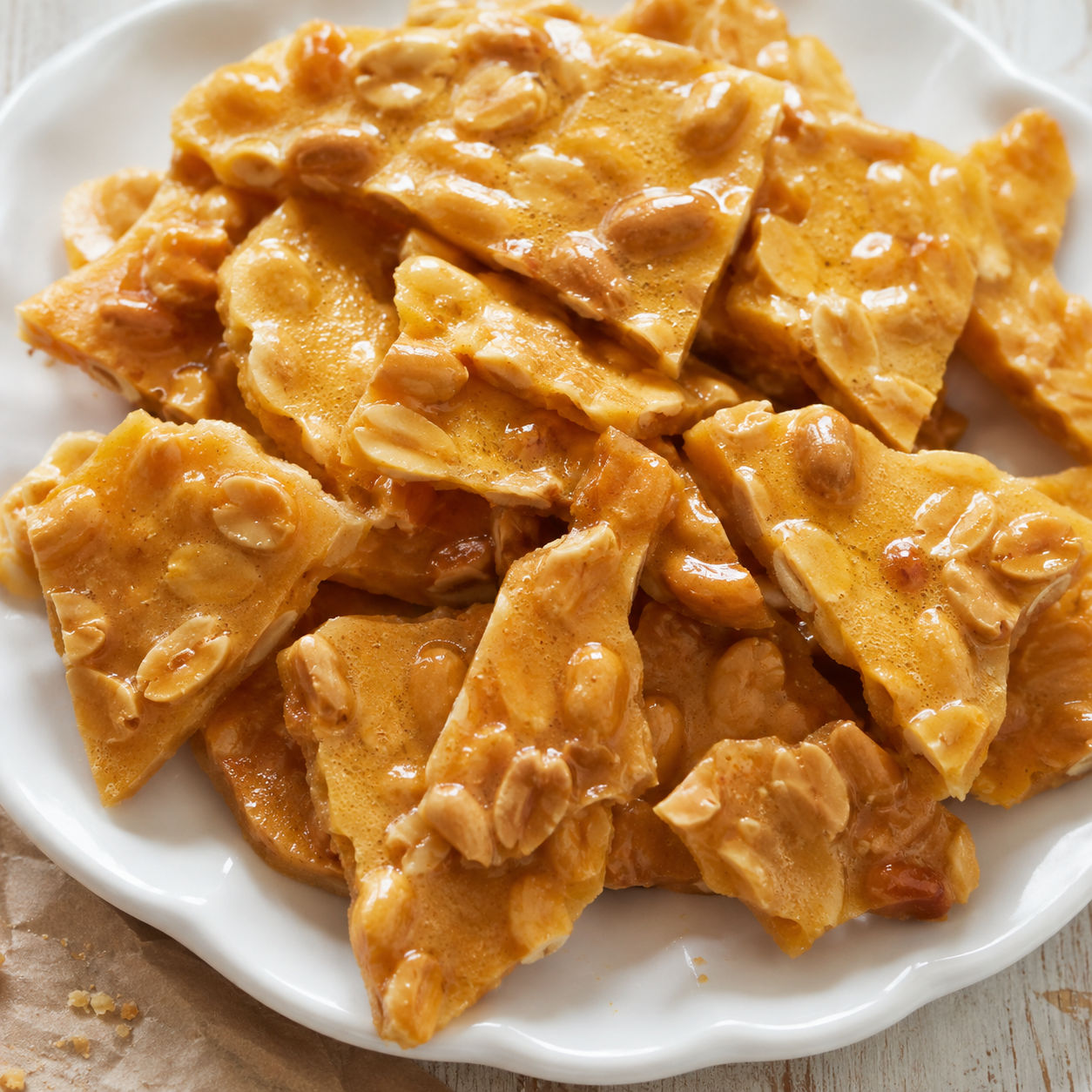
Easy Microwave Peanut Brittle is the candy I make when I want something homemade but do not want to stand over a bubbling pot. The microwave does the hard work, and the whole batch turns glossy, golden, and crisp in minutes.
The key is timing, but not fussy timing. You are watching for steady bubbling, then a pale amber color once the peanuts go in. Baking soda at the end gives the brittle that airy crunch instead of a hard glassy bite.
Easy Microwave Peanut Brittle Basics
You only need a short candy-shelf lineup here. Measure everything before the syrup starts cooking because the final minute moves fast and hot sugar waits for nobody.
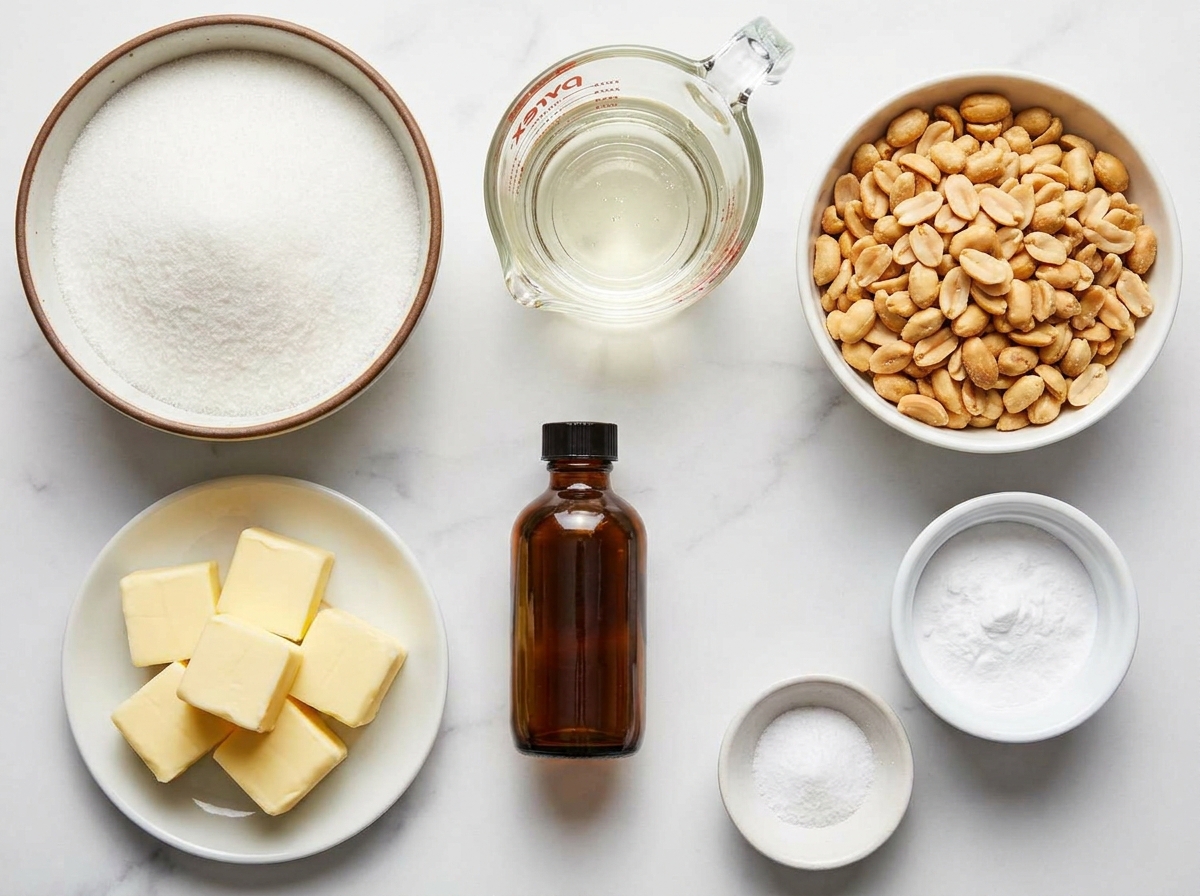
- Granulated sugar. Gives the brittle its crisp candy structure once it cooks to a golden syrup.
- Light corn syrup. Helps keep the sugar smooth and reduces graininess.
- Salted peanuts. Bring crunch, roasted flavor, and a salty edge that keeps the candy from tasting flat.
- Unsalted butter. Adds richness and a rounder flavor to the sugar syrup.
- Vanilla extract. Softens the sharp sweetness and gives the brittle a warm candy-shop smell.
- Baking soda. Foams the hot syrup and creates tiny air pockets for a lighter snap.
- Fine salt. Optional, but useful if your peanuts are lightly salted.
Microwave Brittle Step By Step
- Prep the pan. Line a rimmed baking sheet with parchment and lightly butter the parchment so the hot brittle releases cleanly.
- Cook the syrup. Stir sugar and corn syrup in a large microwave-safe glass bowl, then microwave on high until the mixture bubbles hard and looks clear.
- Add the peanuts. Stir in the peanuts and microwave again until the syrup turns pale amber and smells toasted.
- Finish the flavor. Stir in butter and vanilla carefully, then microwave briefly to bring the syrup back to a strong bubble.
- Foam and pour. Stir in baking soda until the mixture lightens and puffs, then immediately pour it onto the prepared pan.
- Cool and break. Let the brittle cool until firm, then break it into rough shards and store it airtight.
The Color Tells You When
Microwaves do not all heat the same, so the clock is only half the story. After the peanuts go in, look for syrup that shifts from clear to light amber. It should smell nutty, not scorched. If it is still nearly clear, cook another 30 seconds and check again.
This is why I keep the bowl near eye level when I pull it out. A dark bowl makes the color harder to read. A clear glass bowl helps you see what is happening, and it also handles the intense heat better than thin plastic. The FDA microwave guidance is a useful reminder to use microwave-safe containers and avoid damaged cookware.
Why Baking Soda Matters
Baking soda is the small ingredient that changes the bite. When it hits the hot syrup, it bubbles up and traps air inside the candy. That makes the brittle easier to crunch and less like a sheet of hard caramel.
Stir just until the foam looks even. Too much stirring knocks out the air, and waiting too long makes the candy stiffen in the bowl. If you already love classic stovetop candy, compare this quick version with the site's Peanut Brittle or the nutty crunch in Crunchy Salted Almond Brittle.
Make It Thin And Crisp
Thin brittle cools faster and snaps better. Once the foamy syrup hits the parchment, nudge it gently with a buttered spatula. Do not fuss with it for long. It starts setting at the edges almost right away.
If you like a rough, chunky brittle, leave it a little thicker. For gift tins, I spread it thinner so the pieces stack neatly and do not threaten anyone's teeth. A half sheet pan gives you plenty of room for a one-cup peanut batch.
Flavor Swaps That Work
Peanuts are classic, but the same microwave method works with cashews, almonds, or pecans. Use roasted nuts when you can. They bring better flavor during the short cooking time. A pinch of cinnamon or cayenne can go in with the peanuts if you want a warmer batch.
For a chocolate finish, scatter chocolate chips over the hot brittle once it is on the pan. Let them soften, then spread lightly. If peanut butter candy is the reason you are here, save Easy PB Fudge and Peanut Butter Balls Treat for the next candy tray.
Storage And Gift Boxes
Cool the brittle all the way before packing it. Warm brittle releases steam, and steam makes candy sticky. Once broken, keep the pieces in an airtight tin or glass jar with parchment between layers.
Room temperature is best. The refrigerator sounds helpful, but it adds moisture. For gifting, pack the brittle the same day or the day before. The National Peanut Board has another microwave version worth reading if you like comparing candy methods, including their peanut brittle in the microwave.
Summary
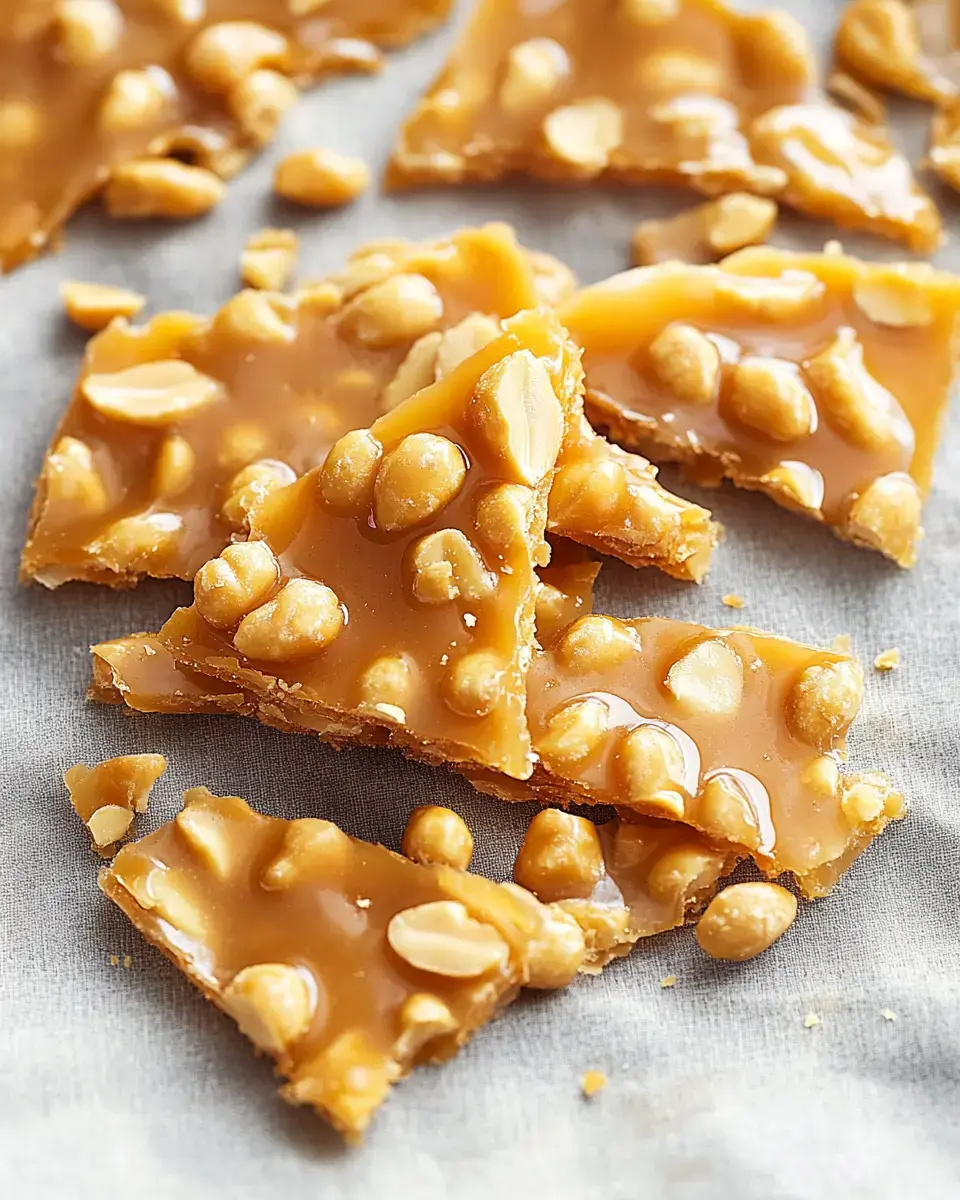
This microwave peanut brittle is best made in a large glass bowl with all ingredients measured before you start. Let it cool fully, then break into shards and store airtight.

FAQs
- Can I make peanut brittle in the microwave without a candy thermometer?
Yes. This recipe uses timed microwave cooking and color cues instead of a thermometer. Once the peanuts are added, the syrup should turn a light golden amber before you stir in the butter, vanilla, and baking soda.
- Why did my microwave peanut brittle turn chewy?
Chewy brittle usually means the syrup did not cook long enough. Microwave strength varies, so add 30-second bursts if the mixture is still pale after the peanut stage. Let it cool completely before judging the texture.
- Can I use raw peanuts instead of roasted peanuts?
You can, but roasted salted peanuts give a deeper flavor and a more reliable crunch in this quick version. If using raw peanuts, cook the peanut stage a little longer and watch closely for a toasted smell and amber syrup.
- How should I store homemade peanut brittle?
Store it in an airtight container at room temperature for up to 2 weeks. Keep it away from humidity and do not refrigerate it, since moisture can make the candy sticky.
- Can I make this with other nuts?
Yes. Cashews, almonds, and pecans all work, though the flavor and texture change a little. Larger nuts should be roughly chopped so the brittle breaks cleanly.
- What size bowl should I use?
Use a large microwave-safe glass bowl that holds at least 2 quarts. The syrup bubbles up hard, especially after baking soda goes in, and a small bowl can overflow.
