 Pin it
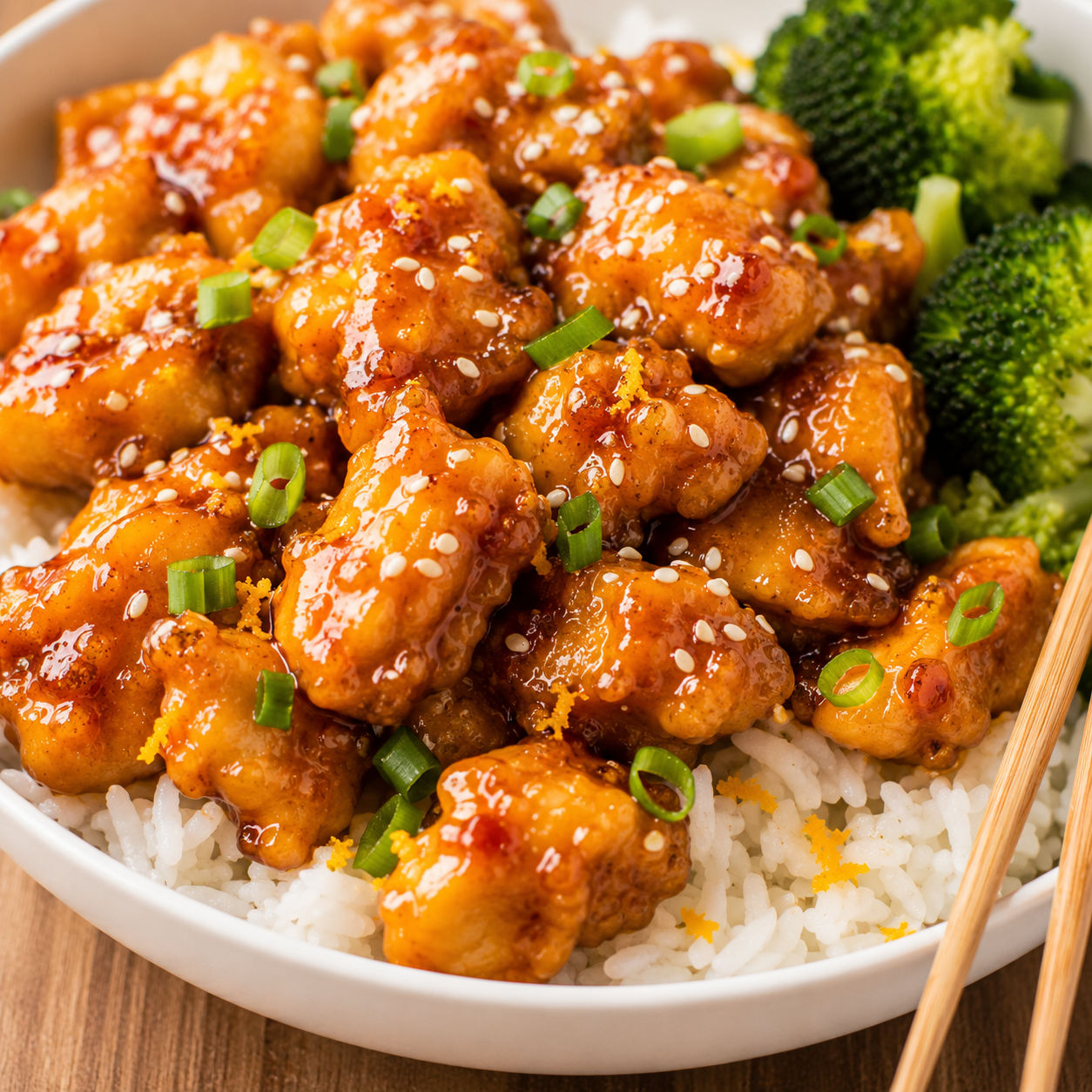
Easy Orange Chicken is the kind of dinner that makes a weeknight feel less rushed. The chicken gets a light cornstarch coating, the sauce thickens right in the skillet, and the whole pan smells like fresh orange peel, garlic, and ginger.
I like this version because it skips deep frying without giving up the sticky, glossy finish people want from orange chicken. The pieces stay tender inside, the edges catch enough browning, and the sauce clings instead of pooling at the bottom of the bowl.
Bright Sauce Basics
The sauce depends on fresh orange zest more than a huge amount of juice. Zest carries the real citrus aroma, while soy sauce, vinegar, brown sugar, garlic, and ginger keep it from tasting flat or candy-sweet.
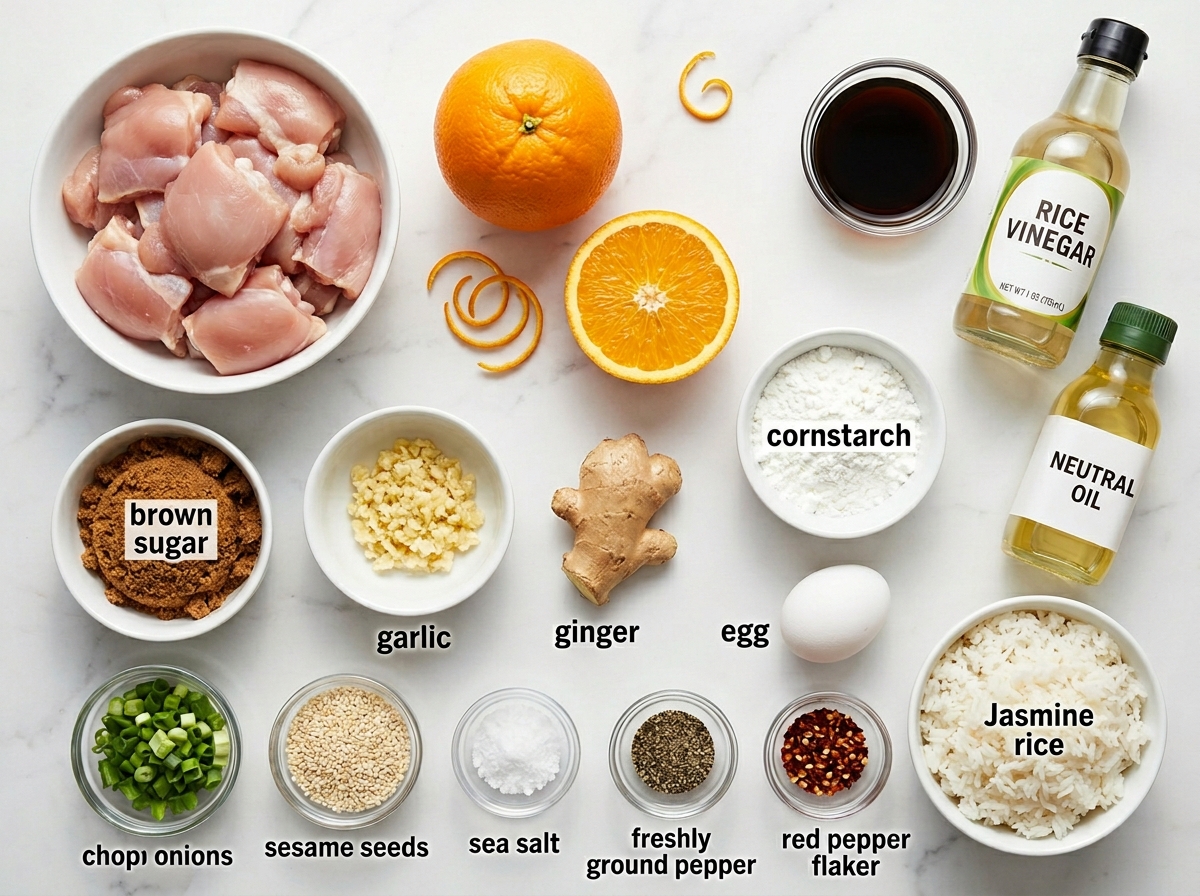
- Boneless chicken thighs. They stay juicy while the outside browns in the skillet.
- Cornstarch. Gives the chicken a thin, crisp coating and thickens the sauce.
- Egg. Helps the cornstarch cling to each piece.
- Fresh orange juice and zest. Bring the bright citrus flavor that bottled juice cannot quite match.
- Soy sauce. Adds salt and savory depth to balance the sweetness.
- Rice vinegar. Cuts through the glaze so the sauce tastes lively.
- Brown sugar. Helps the sauce turn sticky and glossy.
- Garlic and ginger. Give the sauce warmth and a little bite.
- Red pepper flakes. Add gentle heat without taking over.
- Green onions. Finish the bowl with freshness and crunch.
Make Easy Orange Chicken
- Mix the sauce. Whisk orange juice, zest, soy sauce, rice vinegar, brown sugar, garlic, ginger, red pepper flakes, and cornstarch in a bowl until smooth. Keep it nearby because the skillet moves fast once the chicken is browned.
- Cut the chicken. Trim the thighs and cut them into bite-size pieces. Pat them dry so the coating does not slide off.
- Coat the pieces. Whisk the egg with cornstarch, salt, and pepper, then fold in the chicken until every piece has a thin coating.
- Pan-fry without crowding. Heat oil in a large skillet and add the chicken in one layer. Let the first side brown before turning, then cook until the pieces reach 165°F.
- Simmer the glaze. Transfer the chicken to a plate, pour the sauce into the skillet, and simmer for 2-3 minutes until thick and glossy.
- Toss and serve. Return the chicken to the pan and stir until coated. Finish with green onions and serve over hot rice.
Why the Coating Stays Put
The skillet has to be hot before the chicken goes in. If the oil is lukewarm, the egg and cornstarch mixture loosens and sticks to the pan. Wait until the oil shimmers, then add the chicken in a single layer and leave it alone for a couple of minutes.
That quiet first sear matters. Once the bottom is golden, the coating has set and the pieces are much easier to turn. This same pan-fry habit helps with saucy dinners like Sesame Chicken and Easy Bourbon Chicken.
Keep the Sauce Fresh
Orange chicken can slide into syrupy territory if the sauce is all sugar and juice. Fresh zest fixes that. Rub the zest into the brown sugar with your fingers before whisking if you want an even stronger orange aroma.
Rice vinegar is also important. It gives the glaze a clean tang and keeps each bite from feeling heavy. If you only have apple cider vinegar, use a little less and taste before adding more. For food safety, the USDA recommends cooking poultry to 165°F. Their guidance is available through the USDA Food Safety and Inspection Service.
Easy Swaps That Work
Chicken breast, chicken tenderloins, or even bite-size tofu can use the same sauce. For tofu, press it well and toss the cubes with cornstarch before pan-frying. For a less sweet sauce, reduce the brown sugar by one tablespoon and add a splash more vinegar at the end.
Low-sodium soy sauce is useful here because the glaze reduces as it cooks. Tamari keeps the recipe gluten-free if the label is certified. If you like orange chicken with more vegetables, broccoli is the easiest add-in. The citrus glaze also pairs well with recipes like Honey Garlic Chicken Stir Fry.
Serving It Hot
This dish is best the minute the chicken meets the glaze. Spoon it over jasmine rice, brown rice, or noodles, then scatter green onions over the top. Steamed broccoli, roasted green beans, or crisp cucumber slices make the plate feel balanced.
If you already love citrus chicken dinners, this skillet version sits right between Orange Chicken and Effortless Orange Chicken Thighs. It has the quick glossy sauce of a takeout bowl, but it feels fresher because the orange zest is right up front.
Leftovers Without Mushy Chicken
Leftovers keep for up to 3 days in the fridge. The coating will soften, so do not expect the same crisp edges after reheating. A skillet is better than the microwave because it warms the sauce evenly and gives the chicken a chance to firm up a little.
Add a splash of water if the glaze looks too thick. Warm it gently and stop as soon as the chicken is hot. Boiling the leftovers hard makes the sauce sticky in a dull way and can dry out the meat.
Summary
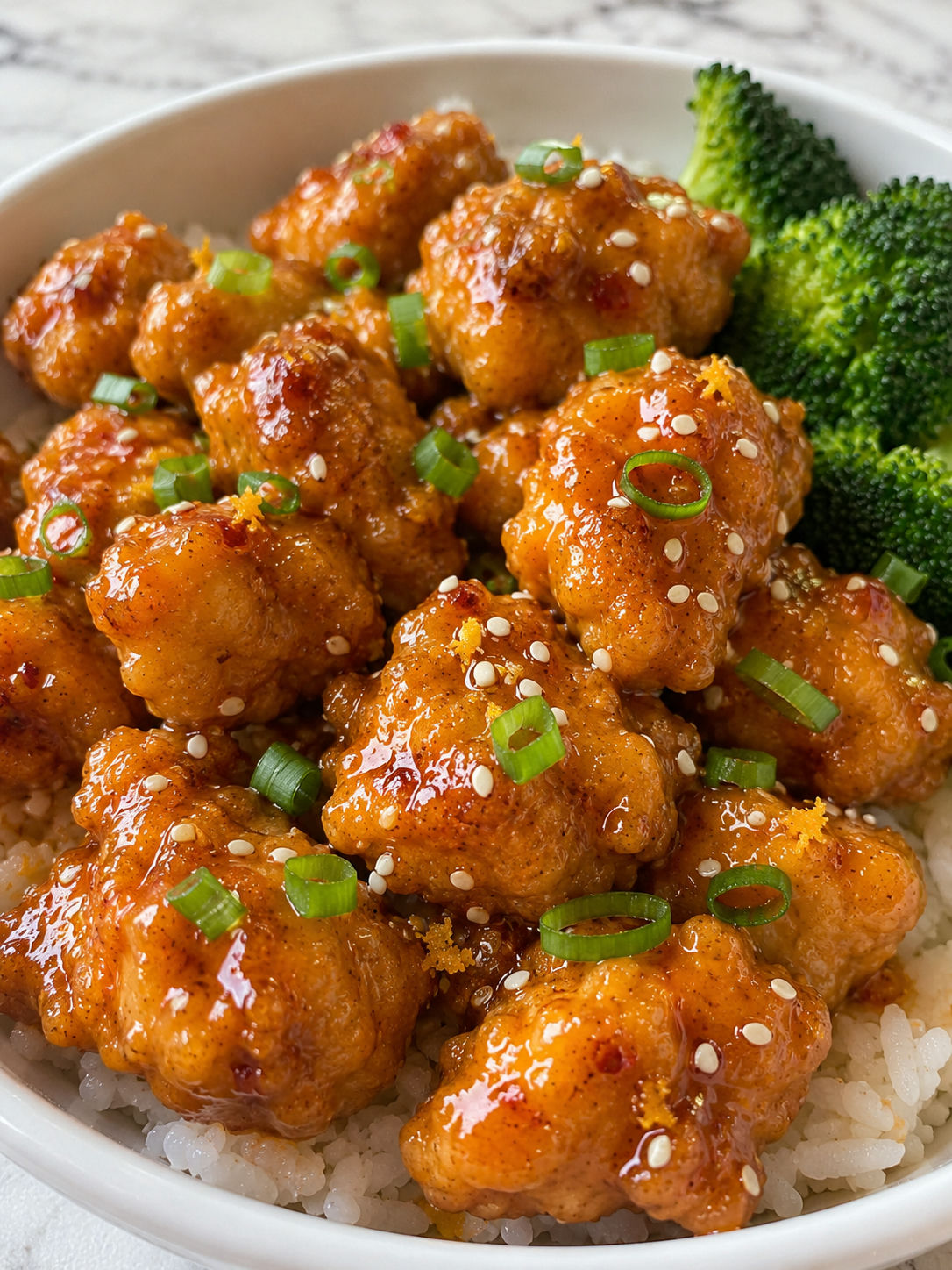
Serve this orange chicken right away with rice, steamed broccoli, or snap peas. The sauce is sweet, tangy, and savory with a fresh citrus finish.

FAQs
- Can I use chicken breast instead of chicken thighs?
Yes. Chicken breast works well if you cut it into small, even pieces and avoid overcooking it. Thighs are a little more forgiving because they stay juicy in the skillet.
- What makes orange chicken sauce thick and glossy?
Cornstarch thickens the sauce once it simmers. Whisk it into the cold sauce mixture first so it dissolves smoothly, then simmer until the sauce turns shiny and coats a spoon.
- Can I make Easy Orange Chicken gluten-free?
Yes, use tamari or a certified gluten-free soy sauce. Cornstarch is usually gluten-free, but check the package if you are cooking for someone with celiac disease.
- How do I store leftovers?
Store cooled orange chicken in an airtight container in the refrigerator for up to 3 days. The coating softens as it sits, but the flavor stays good.
- How should I reheat orange chicken?
Warm it in a skillet over medium-low heat with a spoonful of water to loosen the sauce. The microwave works too, but the chicken will be softer.
- Can I add vegetables?
Yes. Stir-fry broccoli, bell pepper, carrots, or snap peas after removing the chicken, then add them back with the sauce. If you add a lot of vegetables, make one and a half batches of sauce.
- What should I serve with orange chicken?
Steamed jasmine rice is the easy choice. Fried rice, cauliflower rice, broccoli, cucumber salad, or a simple cabbage slaw also work well with the sweet citrus glaze.
