 Pin it
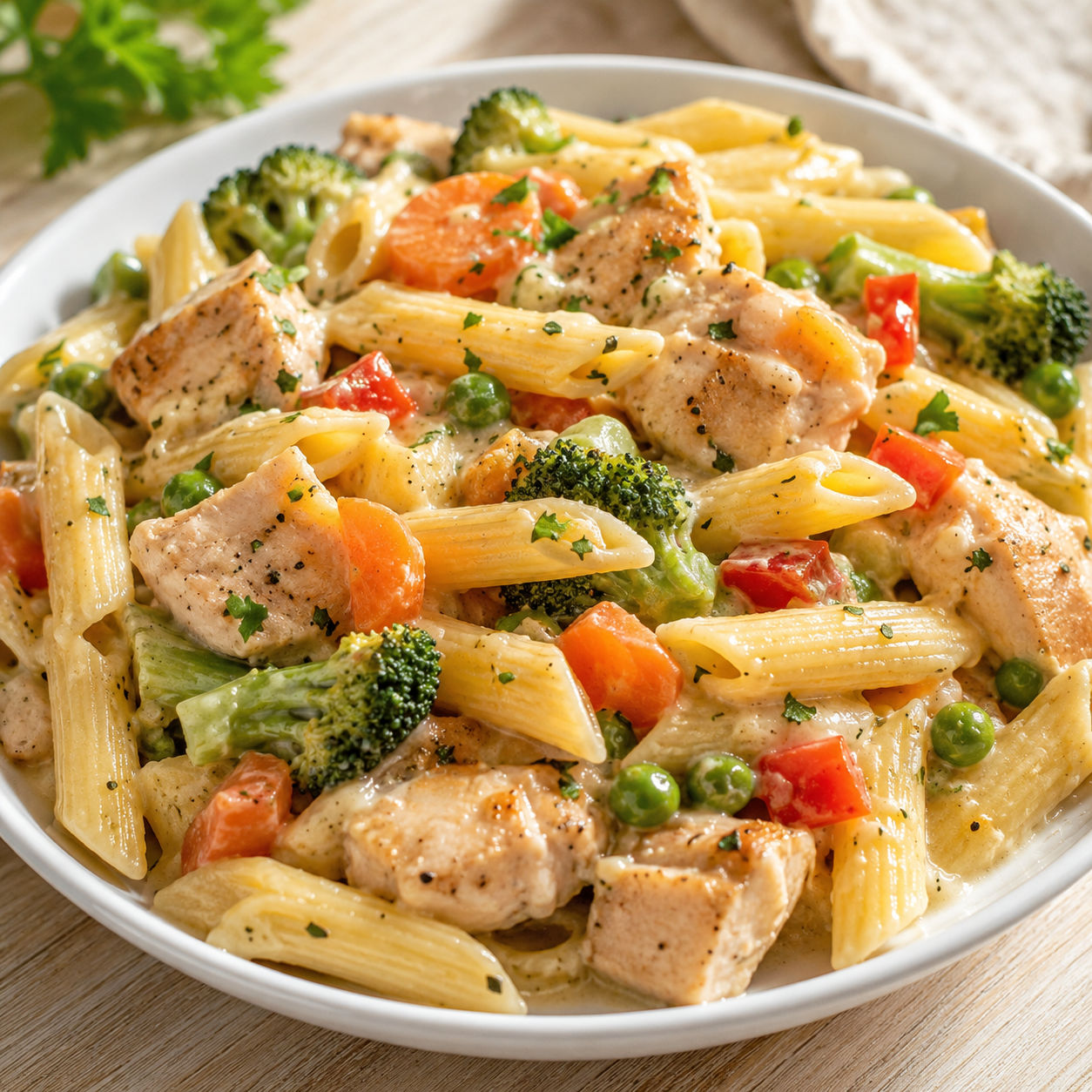
This hearty one-pot chicken pasta dish is the kind of dinner I make when everyone is hungry and I do not want a sink full of pans. The pasta cooks right in the broth, so it picks up flavor while releasing enough starch to help thicken the sauce.
The vegetables make it feel like a full meal, not just a bowl of noodles. The sauce is creamy without being too heavy, and the chicken stays tender because it browns first, then finishes gently with the pasta.
What Makes It Hearty
This dish leans on everyday ingredients, but the order matters. Brown the chicken first for flavor, then let the pasta simmer with broth, milk, and vegetables so the sauce builds in the pot.
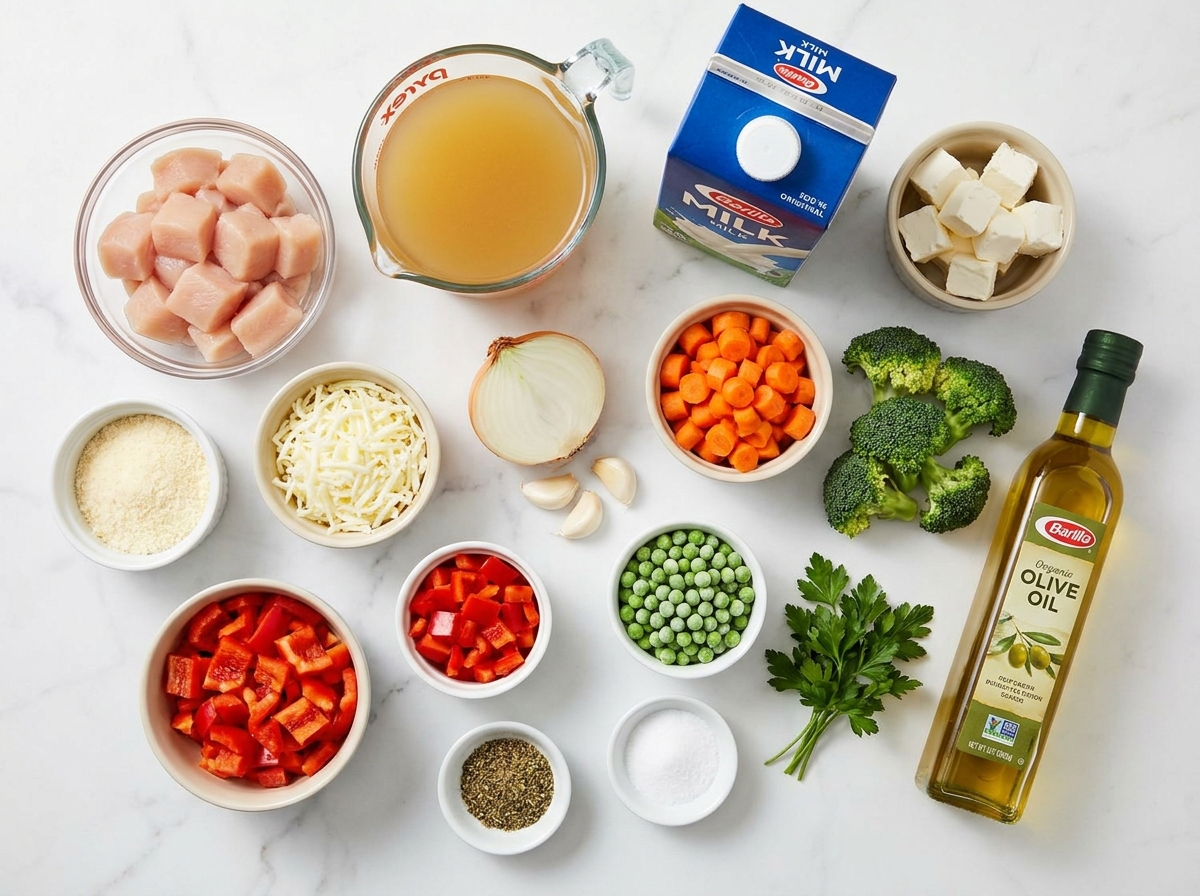
- Chicken breast. Adds lean protein and cooks quickly when cut into small pieces.
- Penne pasta. Holds its shape in the pot and catches the creamy sauce inside each tube.
- Chicken broth. Gives the pasta more flavor than water alone.
- Milk or half-and-half. Softens the sauce and keeps it creamy without needing a separate roux.
- Onion and garlic. Build the savory base before the liquid goes in.
- Carrots, broccoli, bell pepper, and peas. Make the pasta colorful, filling, and balanced.
- Cream cheese. Melts into the hot pasta and helps the sauce cling.
- Parmesan and mozzarella. Add salty depth and a smooth, cheesy finish.
- Parsley. Brings a fresh bite at the end.
Cook It In One Pot
- Brown the chicken. Season the chicken well, then sear it in oil until lightly golden. It does not need to cook through yet.
- Soften the aromatics. Add onion to the same pot and cook until it smells sweet. Stir in the garlic for the last minute so it does not burn.
- Simmer the pasta. Add pasta, broth, milk, carrots, and bell pepper. Cover and simmer gently, stirring every few minutes.
- Add tender vegetables. Stir in broccoli and peas near the end so they stay bright and do not turn mushy.
- Finish the sauce. Turn off the heat, then stir in cream cheese, Parmesan, and mozzarella until glossy. Rest for a few minutes before serving.
The Simmer Matters
One-pot pasta needs a steady simmer, not a hard boil. A hard boil evaporates the liquid too quickly and leaves the pasta firm in the center. A gentle simmer gives the noodles time to absorb the broth while the starch thickens the sauce. Stir from the bottom every few minutes, especially once the pasta starts to soften.
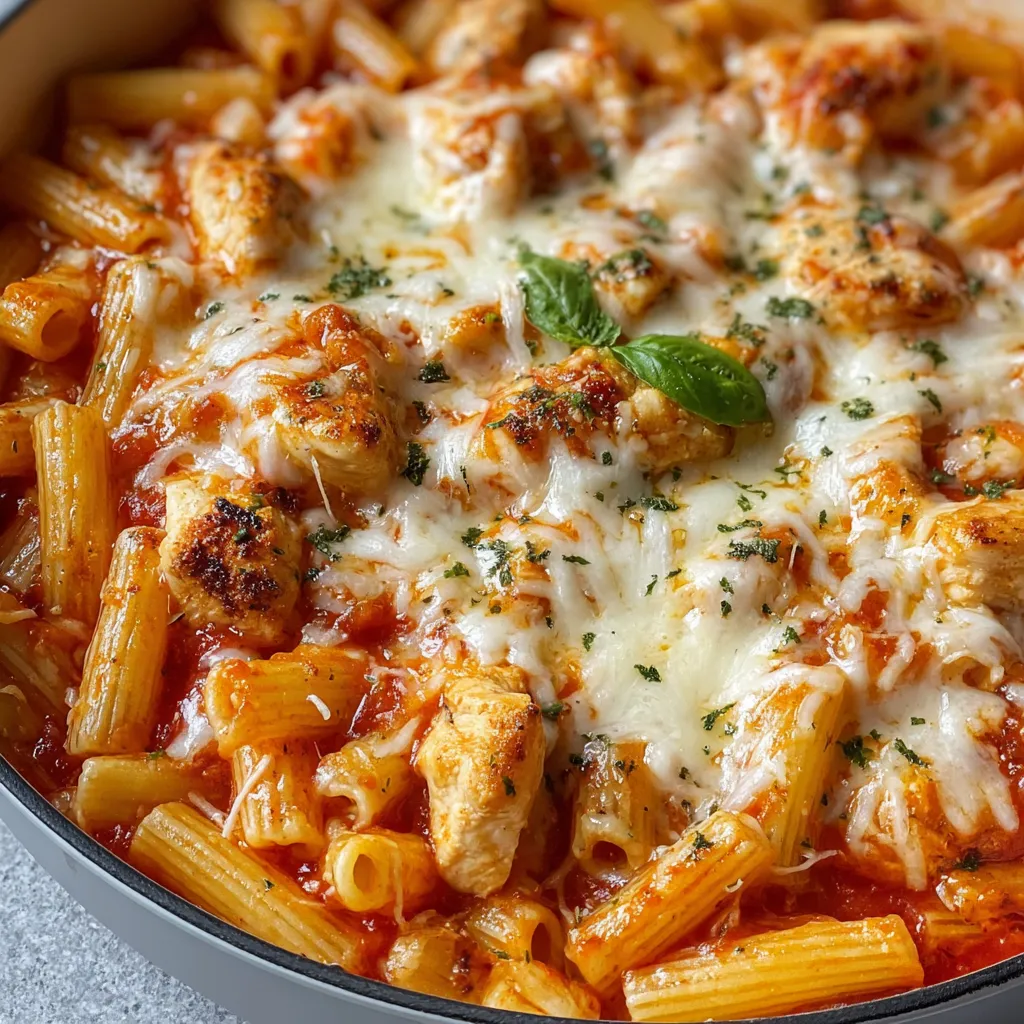
If you like this style of dinner, try the same cozy approach in Creamy Chicken Pasta with Vegetables in One Pot or the tomato-rich One-Pot Chicken Parmesan Pasta.
When To Add The Cheese
Cheese behaves better off the heat. Once the pasta is tender and the sauce is still a little loose, turn the burner off and stir in the cream cheese first. It should melt into the liquid before the shredded cheeses go in. This keeps the sauce smooth instead of oily or clumpy.
Do not worry if the sauce looks slightly thin at first. Pasta keeps drinking liquid after it leaves the stove. Give it 3-5 minutes and the sauce will settle into the right creamy texture.
Smart Swaps For Busy Nights
Use rotisserie chicken if that is what you have. Stir it in after the pasta is almost tender so it warms without drying out. Frozen mixed vegetables also work. Add them during the last 5 minutes of cooking so they stay sweet and bright.
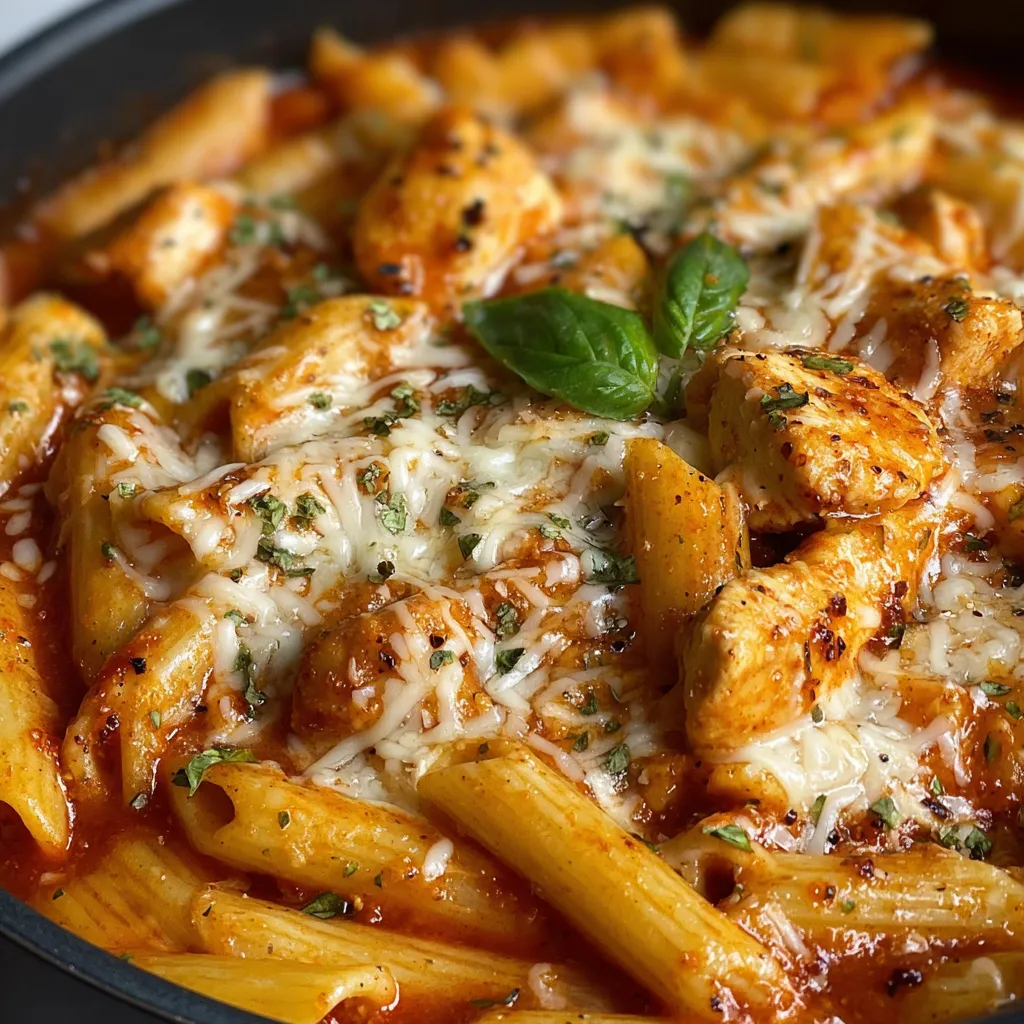
For a richer dish, replace part of the milk with half-and-half. For a bolder one, add a pinch of smoked paprika or red pepper flakes with the garlic. If you want something with a different flavor lane, One Pot Creamy Cajun Chicken Pasta brings more heat.
Storing The Leftovers
Store leftovers in an airtight container in the fridge for up to 3 days. The pasta will thicken as it chills, so reheat it gently with a splash of milk or broth. A skillet over low heat gives you more control than the microwave.
I do not freeze this one often because creamy pasta can turn a little grainy after thawing. If you want a freezer-friendly comfort dinner with a similar feel, Creamy Chicken Pot Pie Pasta is a good place to look.
What To Serve Alongside
This pasta is already filling, so keep sides simple. A crisp green salad, roasted green beans, or garlic bread all work. If the sauce feels rich, add a squeeze of lemon at the table. That small hit of acid wakes up the chicken and cheese.
For food safety, cook chicken to 165°F. You can check the USDA safe temperature chart if you want a quick doneness reference.
FAQs
- Can I use chicken thighs instead of chicken breast?
Yes. Boneless skinless chicken thighs work very well here and stay juicy. Cut them into bite-size pieces and brown them the same way before adding the pasta and liquid.
- What pasta shape works best in one-pot chicken pasta?
Short sturdy shapes work best. Penne, rotini, shells, and farfalle hold up during simmering and catch the creamy sauce. Very thin pasta can overcook before the liquid reduces.
- How do I keep the sauce from getting too thick?
Keep a little warm broth or milk nearby. If the pasta absorbs the liquid before it is tender, add a splash and stir. The sauce should look loose in the pot because it thickens as it sits.
- Can I make this ahead?
You can chop the vegetables and chicken up to a day ahead. The finished pasta is best fresh, but leftovers still reheat well with a splash of milk or broth stirred in slowly over low heat.
- Can I make this lighter?
Use milk instead of half-and-half and cut the cream cheese to 2 ounces. The sauce will be less rich, but the pasta starch and Parmesan still make it creamy enough for a weeknight bowl.
- Why is my one-pot pasta sticking?
The heat is probably too high or the pot is too crowded. Use a wide heavy pot, keep the simmer gentle, and stir every few minutes so pasta on the bottom does not grab.
