 Pin it
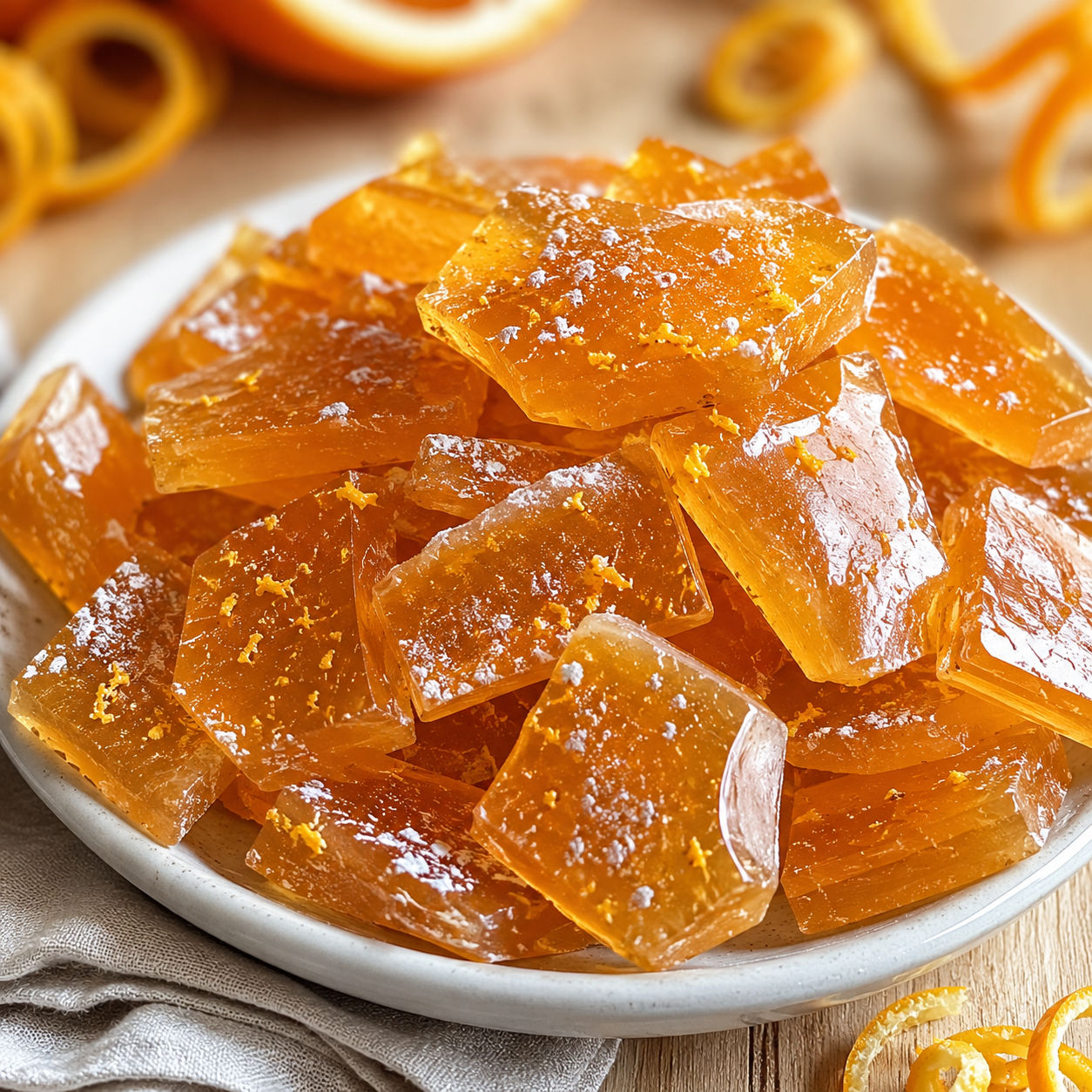
Old Fashioned Orange Candy is the kind of recipe that makes the kitchen smell like peeled oranges and warm sugar. It is crisp, glassy, and bright, with tiny flecks of zest caught in each amber piece.
The method is simple, but candy rewards attention. Use a thermometer, keep the pan steady once the syrup boils, and have every flavoring measured before the sugar reaches hard-crack stage.
Bright Candy-Shop Staples
Use clean oranges with fragrant peel and a fresh bottle of orange extract. Candy has very few ingredients, so dull extract or old sugar will show up in the final flavor.
- Granulated sugar. Forms the crisp glassy base once enough water cooks away.
- Light corn syrup. Helps keep the syrup smooth and reduces crystallization.
- Water. Dissolves the sugar evenly at the start so the syrup cooks cleanly.
- Cream of tartar. Adds a little insurance against gritty candy.
- Orange zest. Brings real citrus oils and a fresh peel aroma.
- Orange extract. Gives the candy a clear orange flavor that survives high heat.
- Orange food coloring. Optional, but useful if you want a deeper amber-orange color.
- Powdered sugar. A light dusting keeps the broken pieces from clinging together.
Cook It To A Snap
- Set up first. Line a rimmed baking sheet with parchment and lightly oil it. Measure the zest, extract, and color before the syrup starts boiling.
- Dissolve the sugar. Combine sugar, corn syrup, water, and cream of tartar in a heavy saucepan. Stir over medium heat until the mixture looks clear and no dry sugar remains.
- Boil without stirring. Raise the heat and let the syrup bubble until it reaches 300°F to 310°F. Brush down sugar crystals on the pan sides with a wet pastry brush if needed.
- Add the orange flavor. Remove the pan from the heat. Stir in orange zest, orange extract, and food coloring carefully because the syrup will steam and bubble.
- Pour the sheet. Immediately pour the candy onto the prepared pan. Tilt the pan or use an oiled heatproof spatula to spread it thin.
- Cool and break. Let the candy cool until completely hard. Dust lightly with powdered sugar, then break into small shards and store airtight.
Hard-Crack Matters Most
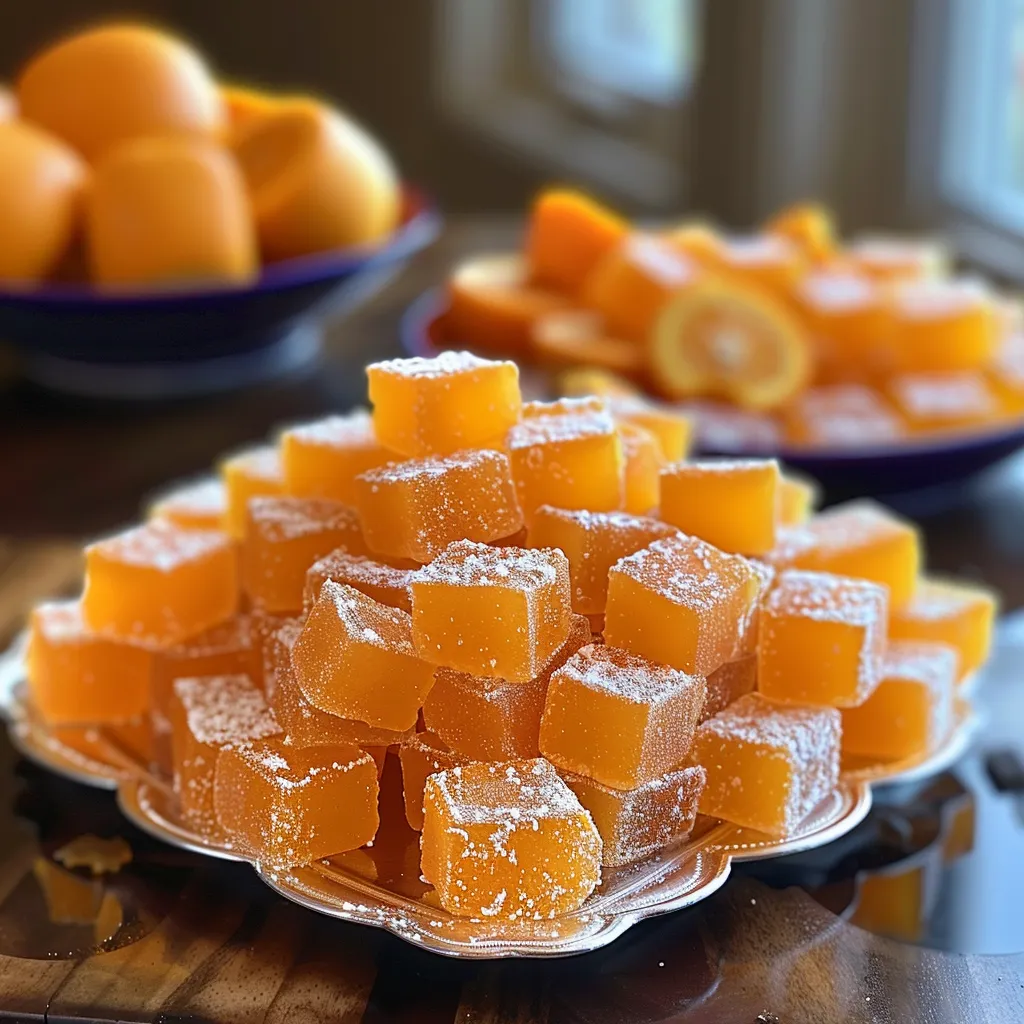
The candy needs to reach hard-crack stage so it cools crisp instead of chewy. The syrup will bubble quickly at first, then the bubbles tighten and the color shifts slightly golden near the end. The Exploratorium candy-stage guide is a useful reference if you want the science behind the temperatures.
Do not stir after the sugar has dissolved. Stirring can drag crystals from the side of the pan back into the syrup. That is how smooth candy turns cloudy and gritty.
Keep The Orange Clean
Zest only the colored part of the peel. The white pith underneath tastes bitter, and bitterness gets louder in a candy this simple. A fine rasp grater gives small pieces that spread through the syrup without leaving tough strips.
If you like old-fashioned candy projects, this one sits nicely beside spicy cinnamon hard candy and Kentucky cream pull candy. Those recipes use different textures, but they teach the same lesson. Sugar changes fast once it gets hot.
Humidity Is The Sneaky Problem
Hard candy pulls moisture from the air. On a damp day, even a correctly cooked batch can turn tacky while it cools. Choose a dry day if you can, and move the cooled pieces into an airtight container as soon as they are broken.
For longer storage, place parchment between layers. Do not refrigerate the candy. The fridge feels dry, but the temperature change creates condensation when the container comes back to room temperature.
Flavor Twists That Fit
Lemon extract and lemon zest make a sharper version. Lime is brighter and a little more tart. For a winter batch, add a tiny pinch of ground clove or ginger with the orange zest. Keep the spice light because hard candy concentrates every flavor.
You can also crush a few pieces and sprinkle them over candied orange slices or use tiny shards to decorate orange creamsicle truffles. Add them right before serving so the candy stays crisp.
What Can Go Wrong
Cloudy candy usually points to crystallization. Make sure the sugar is fully dissolved before boiling and avoid scraping the pan when you pour. If the candy tastes scorched, the syrup likely climbed past 310°F or sat too long in the hot pan after cooking.
If the sheet hardens before you spread it, leave it alone. Trying to force cooling candy can make sharp strings and uneven lumps. A thinner pour is nice, but a thicker batch still tastes good once broken into smaller pieces.
Summary
This candy keeps well in an airtight tin, making it useful for holiday trays, party favors, and old-school candy jars.

FAQs
- What temperature should Old Fashioned Orange Candy reach?
Cook the syrup to 300°F to 310°F. That is hard-crack stage, where the cooled candy snaps instead of bending. A candy thermometer is the most reliable way to hit it.
- Can I make orange candy without corn syrup?
You can use golden syrup in the same amount, but the flavor will be a little deeper. I do not recommend skipping syrup completely because it helps stop sugar crystals from forming.
- Why did my orange candy turn sticky?
Sticky candy usually means the syrup did not cook hot enough or the room is very humid. Cook to at least 300°F and store the pieces airtight with parchment between layers.
- Can I use fresh orange juice instead of orange extract?
Fresh juice is not strong enough once the candy cooks, and it adds extra water. Use zest for real orange aroma and extract for the clean citrus flavor that stays after boiling.
- How long does homemade orange candy keep?
Stored in an airtight container at room temperature, it keeps about 4 weeks. Keep it away from steam, sunlight, and the refrigerator, since moisture makes hard candy tacky.
- Can I color the candy naturally?
The zest gives a pale golden color on its own. A drop or two of orange food coloring is optional if you want a brighter candy-shop look.
