 Pin it
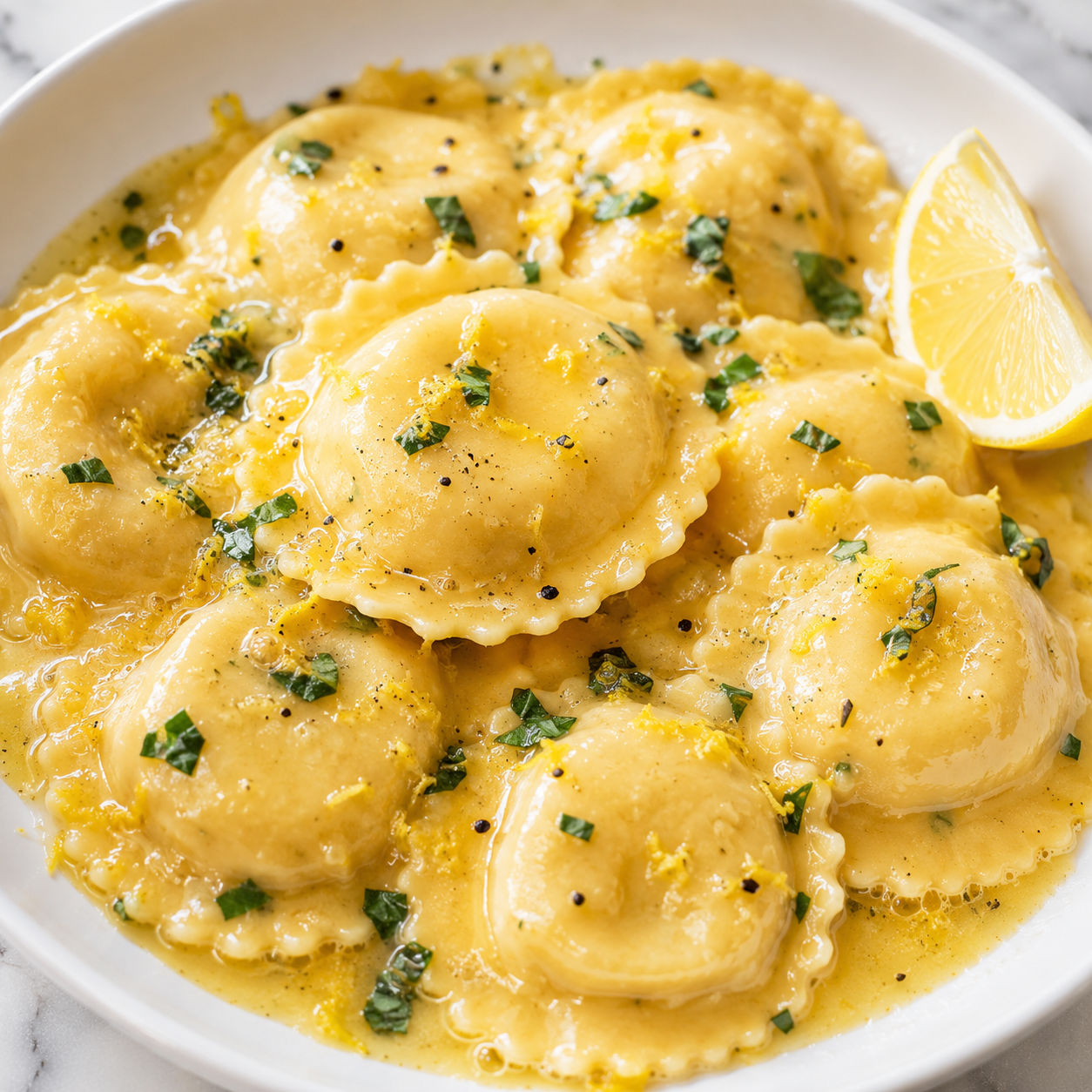
Lobster Ravioli with Lemon Butter Sauce is the kind of dinner that looks like it took much longer than it did. The filling is already rich, so the sauce should be light, glossy, and sharp enough to wake up the seafood.
I like this with fresh or refrigerated lobster ravioli because it cooks fast and stays delicate. The main thing is not to boil it hard. Gentle bubbles keep the pasta from splitting and the filling where it belongs.
The Seafood Pasta Lineup
Use ravioli you already like because the filling carries the dish. The lemon should be fresh, the butter should taste good on its own, and the herbs should look lively.
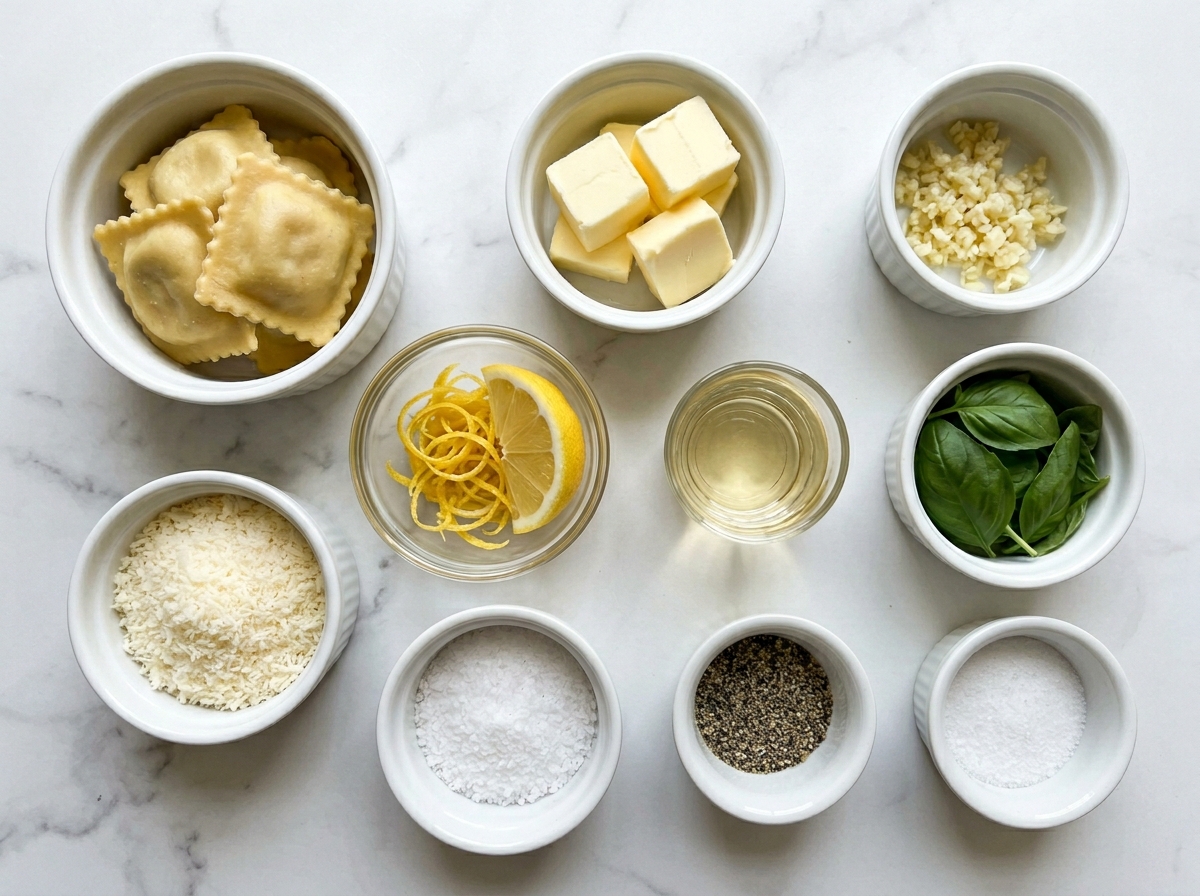
- Lobster ravioli. The main ingredient, with sweet seafood filling wrapped in tender pasta.
- Unsalted butter. Gives the sauce body and a soft richness without covering the lobster.
- Garlic. Adds warmth when cooked briefly, but it should not brown.
- Dry white wine. Loosens the pan and adds a clean acidity that works with lemon.
- Lemon zest and juice. Bring the bright flavor that keeps the butter sauce from feeling heavy.
- Pasta water. Helps the butter turn glossy and cling to the ravioli.
- Fresh basil or parsley. Adds color and a fresh finish right before serving.
- Parmesan. Optional, but a small amount adds salt and depth if your ravioli filling is mild.
Lemon Butter Sauce Method
- Boil gently. Bring a wide pot of salted water to a gentle boil, then cook the ravioli according to the package until they float and feel tender.
- Start the sauce. Melt butter in a large skillet over medium-low heat, then cook the garlic for about 30 seconds until it smells fragrant.
- Add wine and lemon. Pour in the wine and let it bubble for a minute. Stir in lemon zest, lemon juice, salt, and pepper.
- Loosen with pasta water. Add a splash of starchy cooking water and swirl the pan until the sauce looks shiny instead of oily.
- Toss gently. Move the ravioli into the skillet with a slotted spoon. Spoon the sauce over the pasta instead of stirring hard.
- Finish fresh. Add basil or parsley, a little parmesan if using, and serve while the sauce is still glossy.
Keep The Sauce Glossy
The sauce works because water and butter meet at the right time. If you melt butter and add lemon only, it can look thin around the edges and greasy on the plate. A spoonful or two of hot pasta water fixes that. The starch helps the sauce hold together and coat each raviolo.
Keep the heat gentle once the ravioli go in. Lobster filling is delicate, and a hard boil in the skillet can make the pasta tear. Spoon the sauce over the ravioli and shake the pan a little. That gives you a nice coating without rough handling.
A Little Lemon Control
Lemon butter sauce should taste fresh, not sharp enough to hide the lobster. Start with zest first because it gives aroma without a lot of acidity. Add the juice in stages and taste before serving. If the sauce tastes too bright, whisk in another small pat of butter off the heat.
This is also where salt matters. Store-bought ravioli and parmesan can already be salty, so season the sauce lightly at first. If you enjoy citrusy seafood dinners, the same bright-butter idea works in Easy Zesty Lemon Butter Fish Fillet and carries nicely into Creamy Lobster Alfredo Pasta when you want something richer.
Ravioli Swaps That Work
Cheese ravioli, crab ravioli, or shrimp ravioli can all use the same sauce. Cheese ravioli will taste softer and less briny, so add extra lemon zest and herbs. Crab ravioli is sweeter, and a pinch of chili flakes helps balance it.
If you want to stay close to the classic pasta feel, try this method beside Ravioli with Sage Butter Sauce. For a stronger seafood table, serve smaller portions next to Butter-Seared Lobster Garlic Cream. The FDA has practical seafood storage and handling advice in its seafood safety guide.
Serving Without Overloading It
This dish is rich enough that the plate does not need much else. A handful of arugula with lemon, steamed asparagus, or roasted green beans gives you contrast without making dinner feel heavy. If you add bread, keep it simple and use it for the last spoonfuls of sauce.
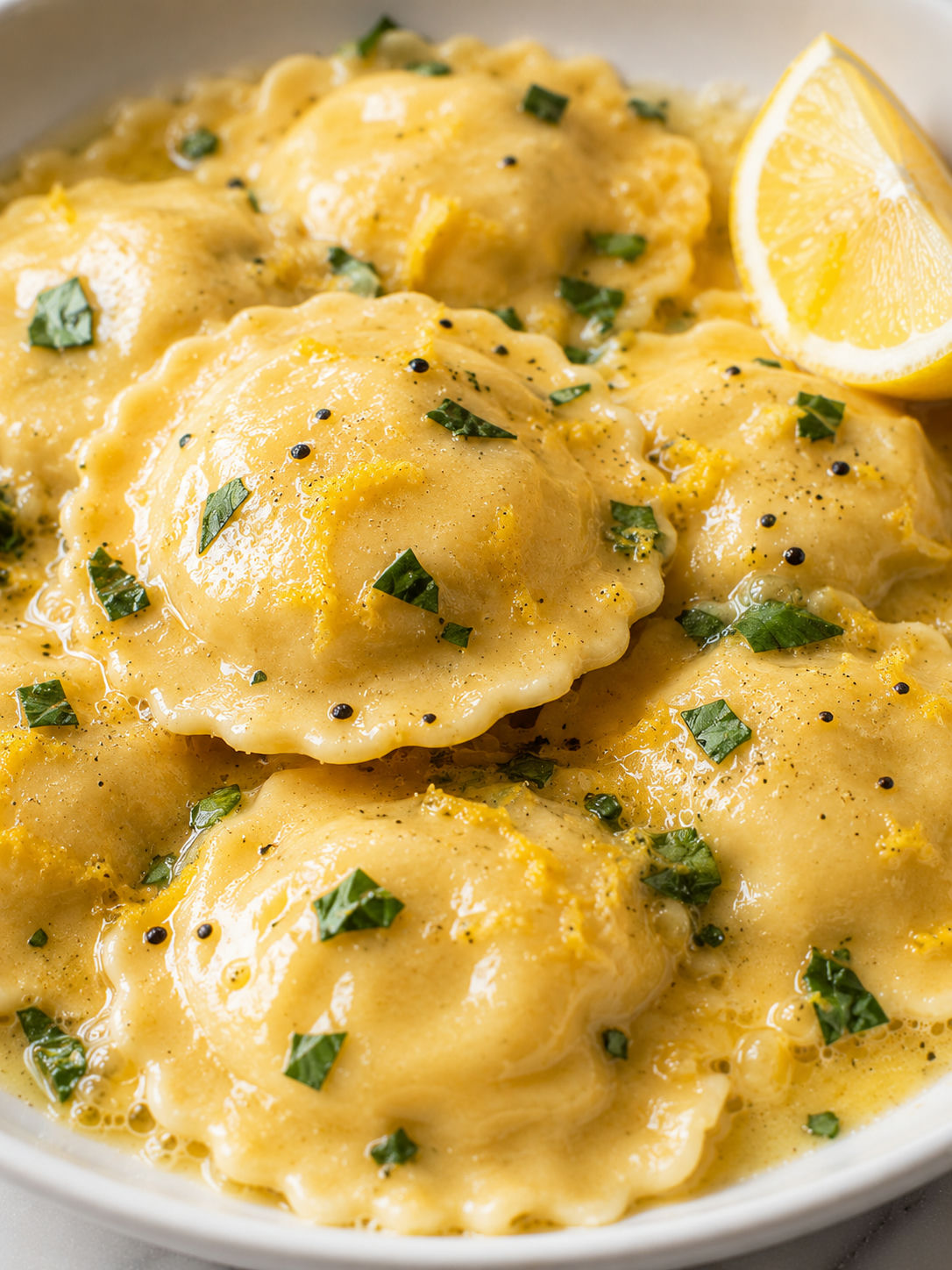
For serving, warm shallow bowls make a real difference. Cold plates set the butter fast and dull the glossy finish. Add the ravioli first, spoon extra sauce around them, then finish with herbs and a little lemon zest. A few cracked pepper flakes on top make it look finished without hiding the pasta.
Leftovers Need Gentle Heat
Lobster ravioli is best right away, but leftovers can still be good the next day. Store them in an airtight container for up to 2 days. Add a spoonful of water to the container before reheating so the sauce has something to loosen with.
Use a skillet over low heat and cover it for a minute to warm the filling. Then uncover and spoon the sauce over the pasta until it loosens. The microwave works in short bursts, but it can make the edges chewy if you go too long.

FAQs
- Can I use frozen lobster ravioli?
Yes. Cook it straight from frozen if the package says to, and add a minute or two to the cooking time. Keep the water at a gentle boil so the ravioli do not burst.
- What can I use instead of white wine?
Use seafood stock, chicken broth, or extra pasta water. Add a small squeeze of lemon at the end so the sauce still tastes bright.
- How do I keep lobster ravioli from falling apart?
Use a wide pot, stir gently, and avoid a rolling boil. Lift the ravioli out with a slotted spoon instead of dumping them into a colander.
- Can I make the lemon butter sauce ahead?
It is best fresh because butter sauces can separate when reheated. You can mince the garlic, zest the lemon, and chop the herbs earlier so the sauce takes only a few minutes at dinner time.
- What should I serve with lobster ravioli?
A crisp green salad, roasted asparagus, or garlic bread all work well. Keep the side simple because the ravioli are rich.
- Can I make this sauce creamy?
Yes. Stir in 2 to 3 tablespoons of cream after the wine reduces. Keep the heat low and do not let it boil hard once the cream is in the pan.
