 Pin it
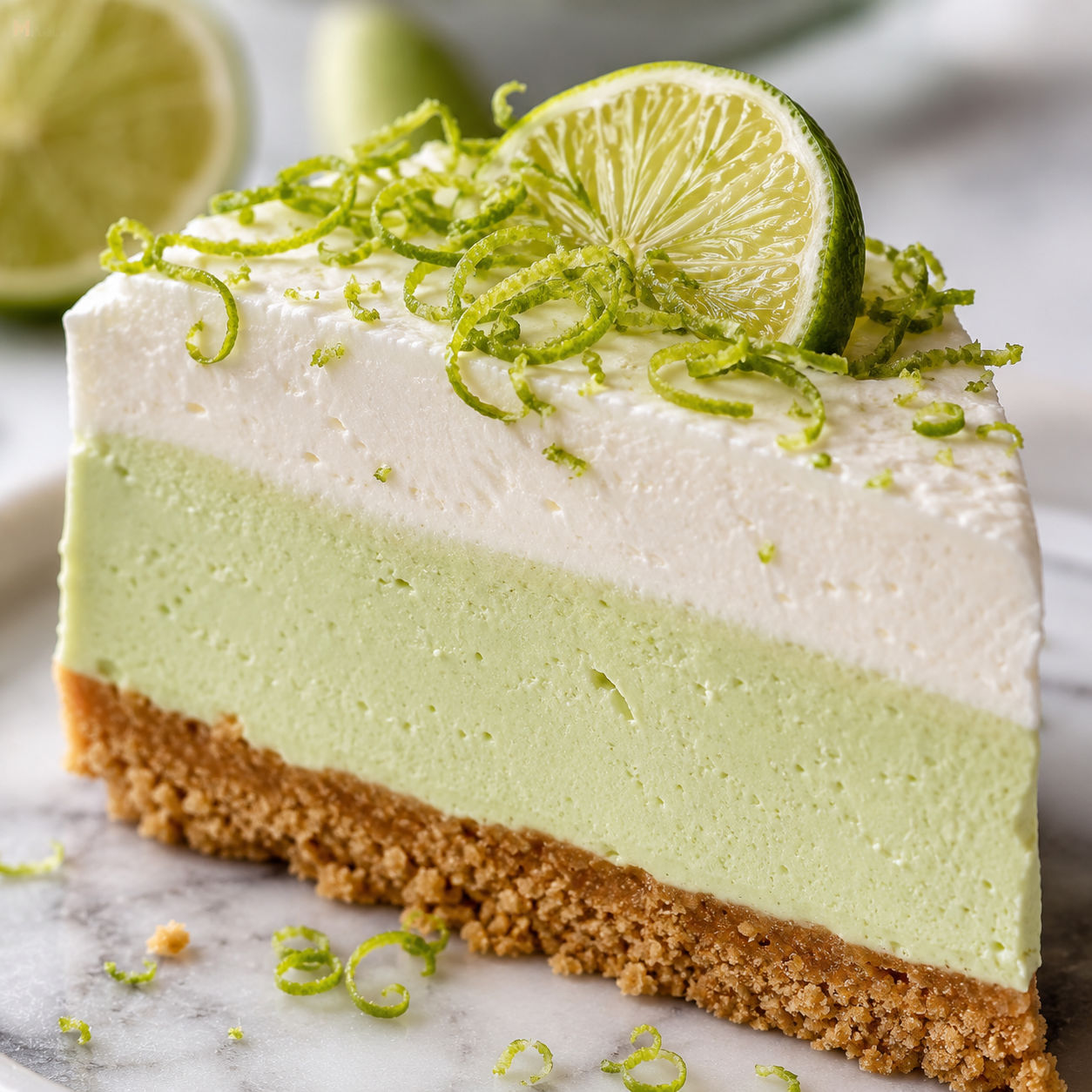
This is the dessert I reach for when it is too hot to turn on the oven but I still want something that feels like a project. The crust bakes for ten minutes, and after that the fridge does all the work. What you get is a tall, cool cheesecake with real lime punch and a cloud of mousse on top.
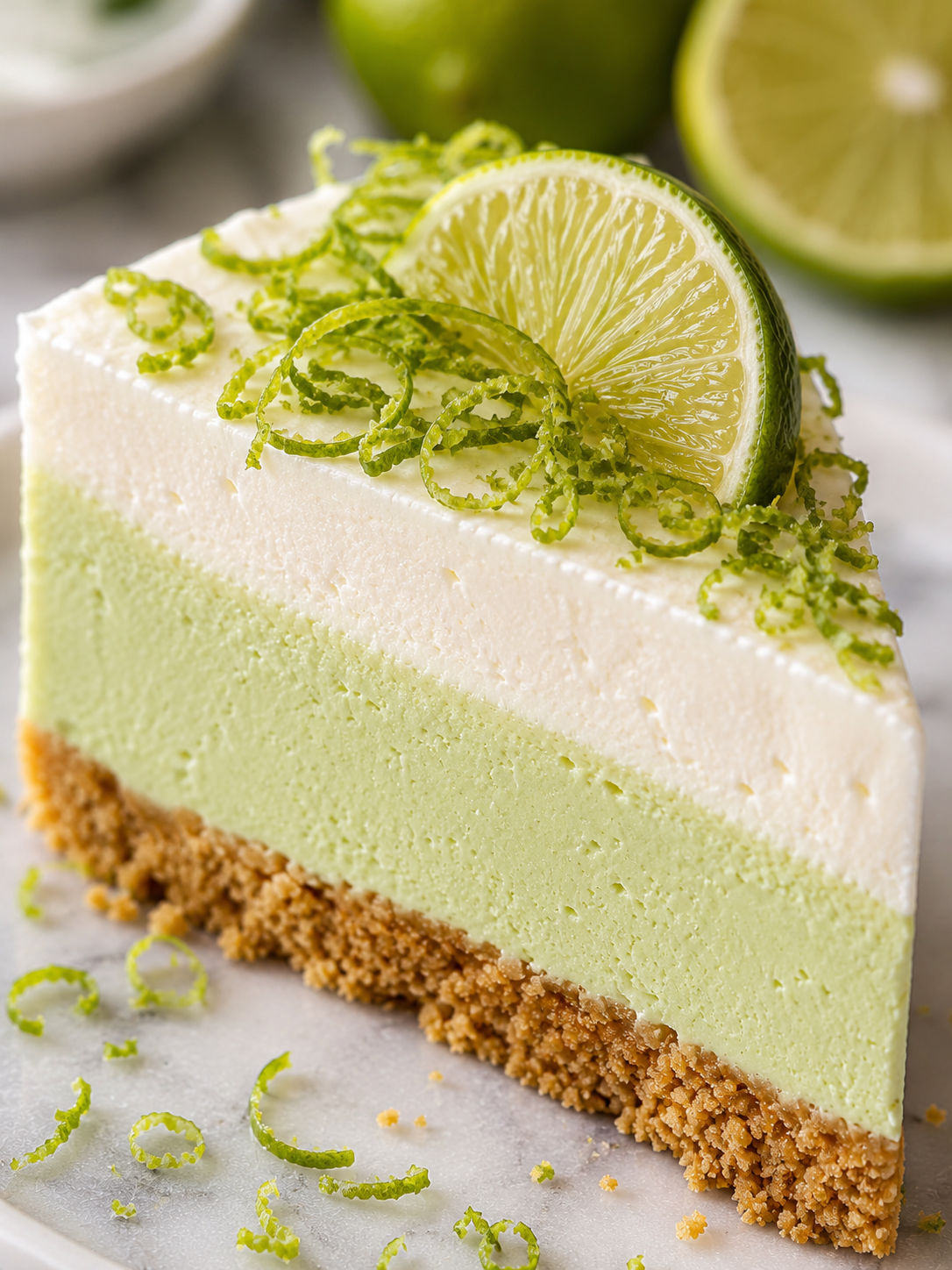
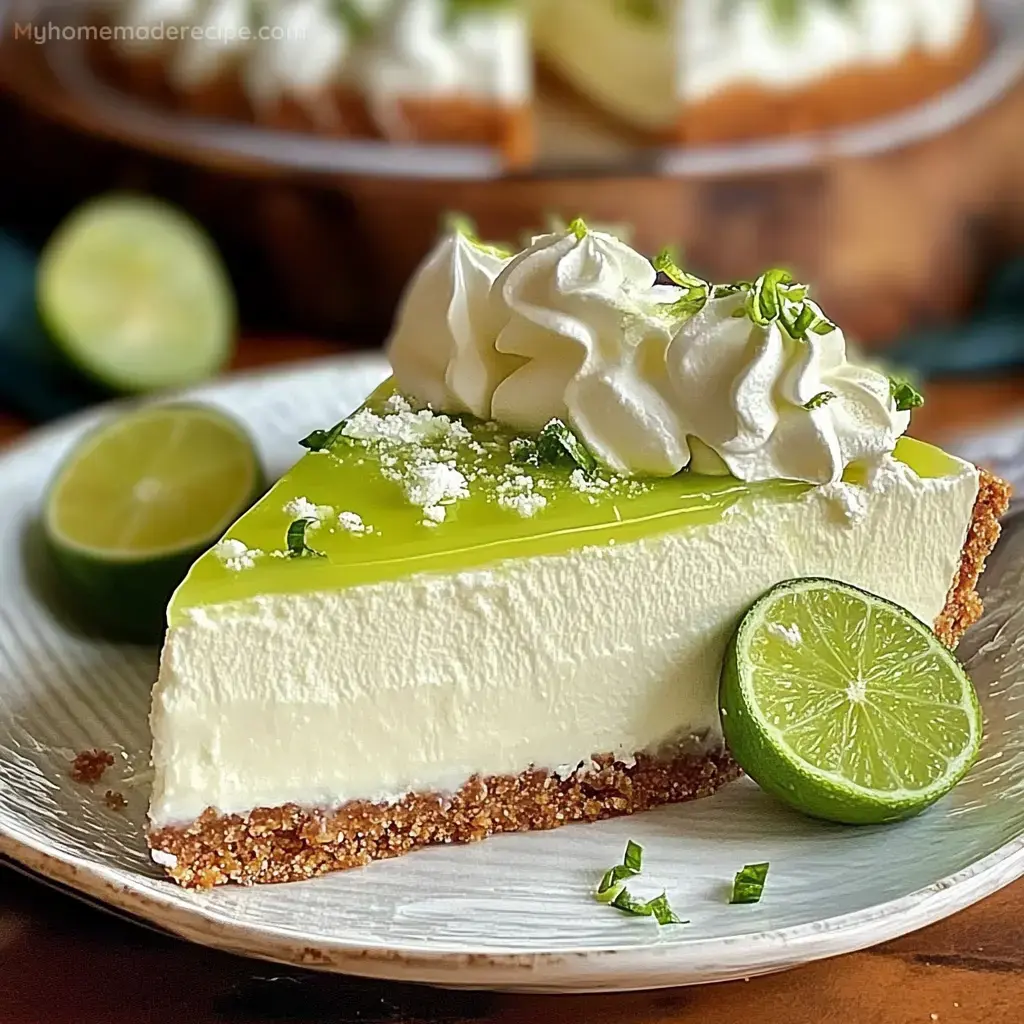
The texture is the thing that wins people over. The base is dense and creamy like a classic cheesecake, but the mousse layer is so light it almost floats. Fresh lime juice keeps the whole thing from feeling heavy, even after a big meal.
What fills the pan
This cheesecake builds in three layers, and each one depends on fresh citrus and cold dairy. Buy juicy limes that feel heavy for their size, and let the cream cheese soften fully so it beats smooth without lumps.
- Graham cracker crumbs. The foundation of the crust. You can crush whole sheets or buy the boxed crumbs, either way works.
- Unsalted butter. Binds the crumbs and turns golden in the oven.
- Cream cheese. The body of the filling. Full-fat blocks beat smoother than tubs and set firmer when cold.
- Granulated sugar. Sweetens the filling just enough to balance the lime.
- Fresh lime juice and zest. The real thing matters here. Bottled juice tastes flat compared to freshly squeezed.
- Heavy cream. Whipped and folded in twice, once for the filling and once for the mousse topping.
- Powdered sugar. Dissolves cleanly into the whipped cream for the mousse.
- Vanilla extract. Rounds out the sharp citrus with a warm background note.
How it stacks up
- Bake the crust. Stir graham crumbs with sugar and melted butter, press into a 9-inch springform pan, and bake at 350°F for 8 to 10 minutes until it smells toasty. Let it cool completely.
- Beat the filling base. In a large bowl, beat softened cream cheese and granulated sugar until silky. Add the lime zest, lime juice, and vanilla, and mix until just combined.
- Fold in the whipped cream. In a separate bowl, whip 1 cup of cold heavy cream to stiff peaks. Gently fold it into the lime mixture in two additions so the filling stays airy.
- Fill and chill. Spread the filling over the cooled crust, smooth the top, and refrigerate for at least 4 hours. Overnight is better for clean slicing.
- Make the lime mousse. Whip the remaining heavy cream with powdered sugar until stiff peaks form. Fold in a tablespoon of lime juice and a little zest.
- Top and set. Spread or pipe the mousse over the chilled cheesecake, then return it to the fridge for another hour so the layers firm up together.
The lime makes it
The difference between a good citrus cheesecake and a great one is how much zest and juice you use without curdling the dairy. I use the juice of about four limes and the zest of two. The acid tightens the cream cheese slightly as it chills, giving you a filling that holds its shape but still melts on the tongue. If you want a more intense lime hit, add a little extra zest to the mousse layer rather than more juice, which can weep.
Why the crust still needs the oven
Even though this is technically a no-bake cheesecake, I still bake the crust for eight minutes. A baked crust stays crisp under the creamy filling instead of turning soggy after a day in the fridge. If you truly cannot use the oven, freeze the pressed crumb crust for twenty minutes. It helps, though it will not stay as crunchy. For another cool citrus dessert, our lemon cheesecake mousse uses the same technique.
Swaps and variations
You can swap the graham crackers for digestive biscuits or vanilla wafers. For a gluten-free version, use certified gluten-free graham-style crumbs. If you want a tropical twist, replace half the lime juice with key lime juice or add a tablespoon of toasted coconut to the crust. Our key lime cheesecake colada pushes that island flavor even further. The USDA food-safety guidelines remind us to keep dairy-based desserts refrigerated below 40°F.
Make it ahead and store
This cheesecake keeps beautifully. You can bake the crust and make the filling up to two days ahead, then add the mousse layer the day you plan to serve. Wrapped tightly, leftovers last four days in the refrigerator, though the mousse may settle slightly after day two. I do not recommend freezing this one. The whipped cream weeps when thawed and the texture turns grainy.
What to serve with it
A thin slice is rich enough to stand alone, but a handful of fresh berries on the plate adds color and contrast. For something more indulgent, pair it with our key lime pie trifle at a party buffet. A glass of sparkling water with extra lime is my favorite drink alongside.
FAQs
- Can I use bottled lime juice?
Fresh juice is worth the effort here. Bottled lime juice often tastes flat or slightly bitter, and the zest from fresh limes adds essential oils you cannot get from a bottle.
- How do I know when the whipped cream is at stiff peaks?
When you lift the beaters, the cream should hold a sharp peak that does not bend over. Stop immediately when you reach this stage. Over-whipped cream turns grainy and can even separate into butter.
- Can I make this gluten-free?
Yes. Use certified gluten-free graham-style crumbs for the crust, or substitute almond flour mixed with a little sugar and melted butter.
- How long does it need to chill?
At least 4 hours for the filling to set firm enough to slice. Overnight is ideal because the flavors meld and the lime sharpness mellows into the cream cheese.
- Can I freeze leftovers?
I do not recommend it. The whipped cream in both the filling and mousse weeps when thawed, and the texture becomes grainy instead of silky.
- What pan size do I need?
A 9-inch springform pan is standard. You can use an 8-inch pan for a taller cheesecake, but the chilling time may need to increase by an hour.
- Why did my filling turn runny?
Usually this happens when the cream cheese was not fully softened, leaving lumps that prevent the mixture from setting evenly, or when the whipped cream was under-beaten. Make sure the cream is very cold before whipping.
