 Pin it
Tangy Lemon Curd Brûlée Cookies taste like lemon bars and crème brûlée met in a cookie tin. You get a tender citrus cookie, a glossy spoonful of curd, and a thin sugar shell that snaps when you bite it.
The dough is simple, but the details matter. Chill it briefly, keep the lemon curd thick, and torch the sugar right before serving so the tops stay crisp.
Bright Cookie Basics
Use fresh lemon zest for the dough and a thick lemon curd for the center. Bottled lemon juice tastes flat here, so save it for another day.
- All-purpose flour. Gives the cookies structure without making them heavy.
- Unsalted butter. Makes the dough tender and lets the lemon flavor come through cleanly.
- Granulated sugar. Sweetens the dough and creates the crisp caramelized top.
- Egg yolk. Adds richness and helps the cookie stay soft.
- Lemon zest. Carries the strongest citrus aroma in the dough.
- Lemon juice. Adds sharpness and keeps the cookie from tasting plain.
- Vanilla extract. Rounds out the tart curd and butter.
- Lemon curd. Fills the center with glossy, tangy lemon flavor.
Bake And Brûlée
- Mix the dry base. Whisk the flour, baking powder, and salt so the lift is even.
- Cream the butter. Beat butter and sugar until pale and soft. This keeps the cookies tender instead of dense.
- Add the lemon. Mix in egg yolk, lemon zest, lemon juice, and vanilla until smooth.
- Shape the wells. Scoop the dough, roll it smooth, and press a deep thumbprint into each center.
- Fill and bake. Spoon in thick lemon curd and bake until the edges are set and lightly golden.
- Torch the tops. Cool the cookies, sprinkle each center with sugar, and torch until amber and glassy.
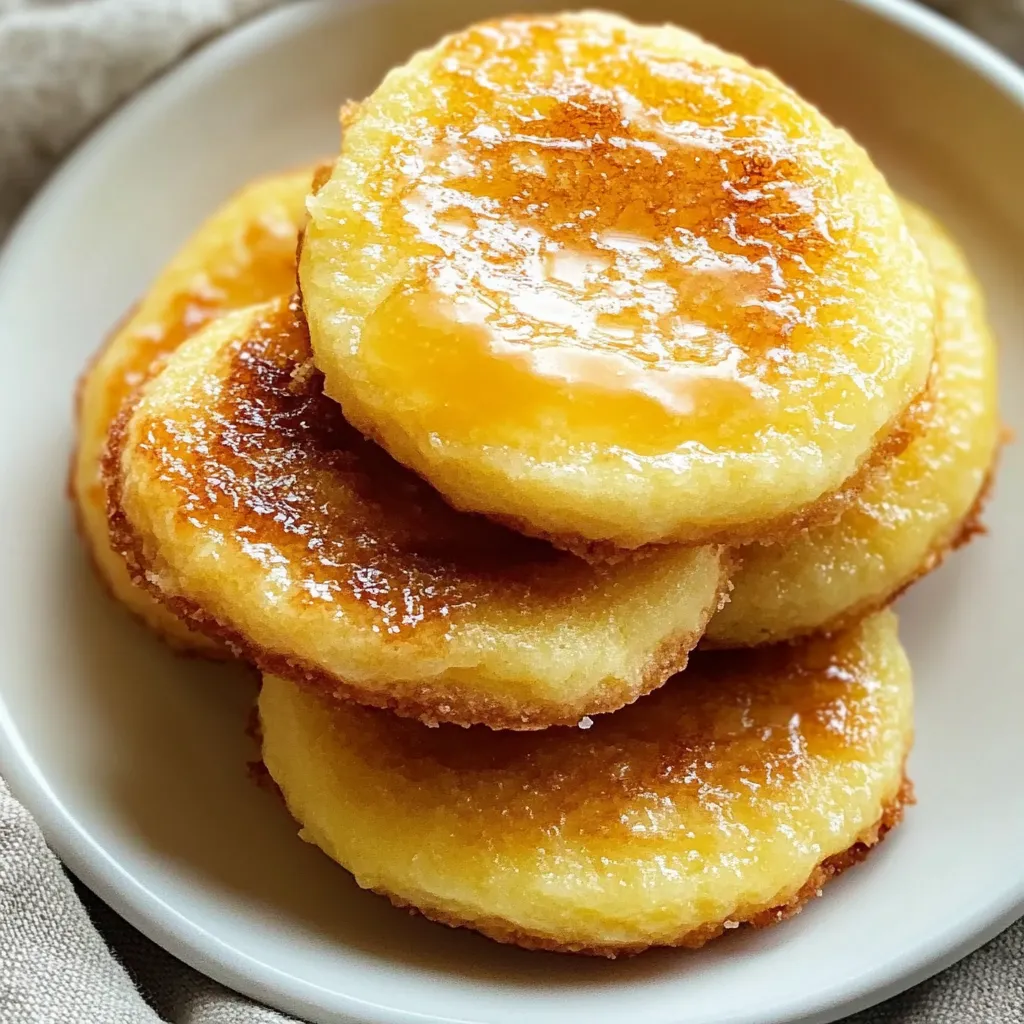
Tangy Lemon Curd Brûlée Cookies
The sugar shell is small, so it needs a steady hand. Sprinkle a thin layer over the curd, then move the torch in slow circles until the sugar melts. Stop when it turns amber. If it gets dark brown, the flavor turns bitter fast.
For a deeper lemon dessert table, pair these with mini lemon curd tarts or stuffed lemon cookies. They share the same bright citrus mood but give you different textures.
The Curd Should Hold
Thick lemon curd is the difference between a neat cookie and a sticky tray. It should mound slightly on a spoon. If you make curd from scratch, cook it until it coats the spoon well, then chill it before filling. Eggs need careful handling in homemade curd, and the FDA egg safety guide is a useful reference.
If your curd is thin, do not add more flour to the cookie dough to fix it. Chill the curd instead. You can also fill the cookies after baking, then torch only the top, but the baked-in version tastes more settled.
Keep The Dough Tender
Once the flour goes in, mix only until the dry streaks disappear. Overmixing makes these cookies tougher and flatter. A short chill helps too. Twenty minutes in the fridge gives the butter time to firm up, which keeps the thumbprint shape from spreading open.
For measuring, a scale is the cleanest route, especially with flour. The King Arthur ingredient weight chart is handy if you bake often. If using cups, spoon flour into the cup and level it off instead of scooping from the bag.
Smart Citrus Swaps
Lemon is the sharpest version, but this cookie takes other citrus well. Lime curd gives it a key lime pie feel. Orange curd makes it softer and sweeter. Passion fruit curd works too, if it is thick enough to sit in the well.
If you like lemon cookies with a creamy center, try lemon poppy seed cheesecake cookies. For a fruitier finish, lemon-filled cookies with blueberry icing lean sweeter and look beautiful on a spring platter.
Storage That Keeps Texture
The cookie base keeps well, but the brûlée top is at its best within a few hours. Store baked cookies without the final sugar layer in a single layer at room temperature for up to 3 days. Add sugar and torch them when you are ready to serve.
You can freeze the unfilled baked cookies for up to 2 months. Thaw, add curd, and torch after they come back to room temperature. Filled cookies can be chilled, but the cookie softens and the caramel shell loses its snap.
Summary
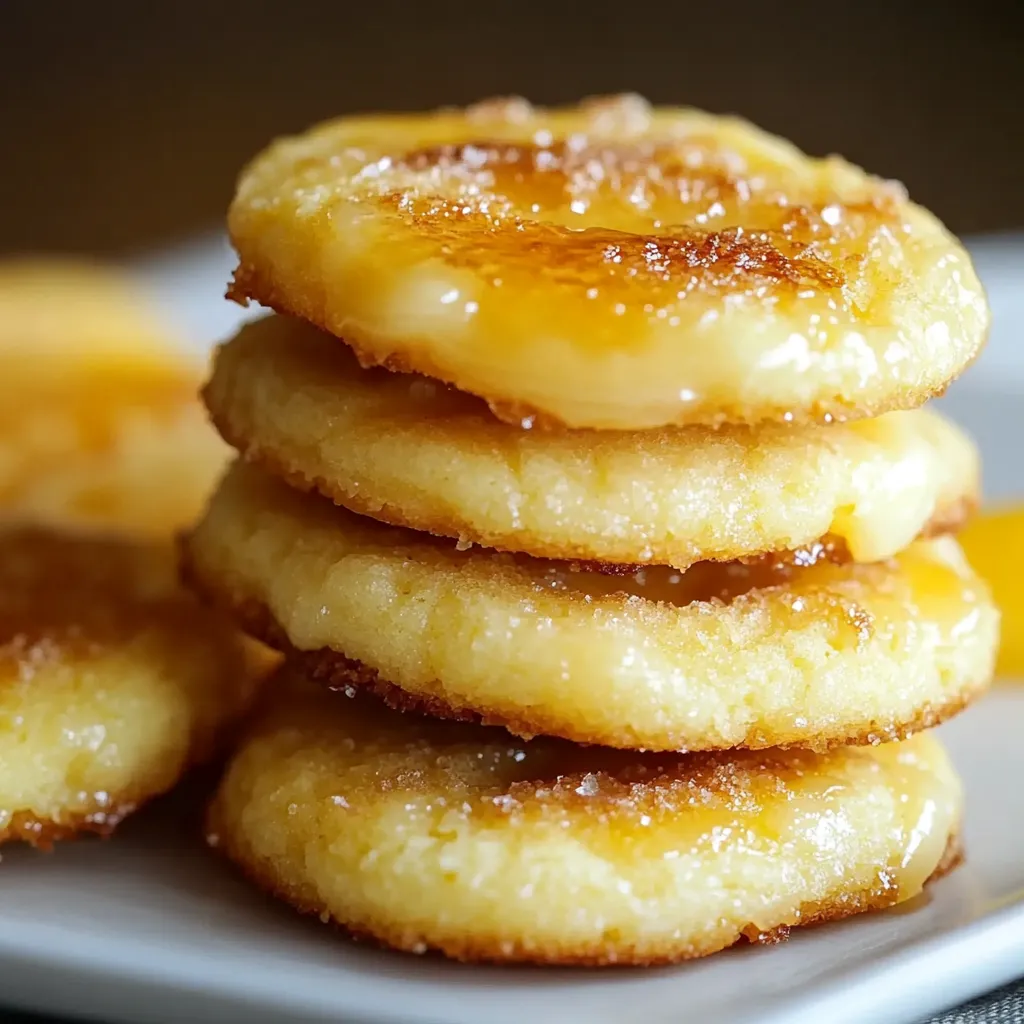
These cookies are best served the day they are brûléed, while the sugar topping is crisp and the lemon curd is bright.
FAQs
- Can I use store-bought lemon curd?
Yes. Choose a thick lemon curd with a bright, tart flavor. If it looks loose or runny, chill it first so it stays in the cookie wells while baking.
- Do I need a kitchen torch?
A kitchen torch gives the cleanest brûlée top because it melts the sugar fast without warming the cookie too much. A broiler can work for a few seconds, but watch closely and use a metal tray.
- Why did my lemon curd leak?
The wells may have been too shallow or the curd may have been too thin. Press a deep indent into each dough ball and use no more than about 1 teaspoon curd per cookie.
- Can I make the dough ahead?
Yes. Chill the dough for up to 24 hours. Let it sit at room temperature for 10 minutes before scooping if it feels too firm.
- How should I store brûlée cookies?
Store un-torched cookies in a single layer in an airtight container for up to 3 days. Add the sugar and torch them close to serving because the caramel top softens as it sits.
- Can I make these gluten-free?
A cup-for-cup gluten-free flour blend can work here. The cookies may spread a little differently, so chill the shaped dough for 10 extra minutes before baking.
