 Pin it
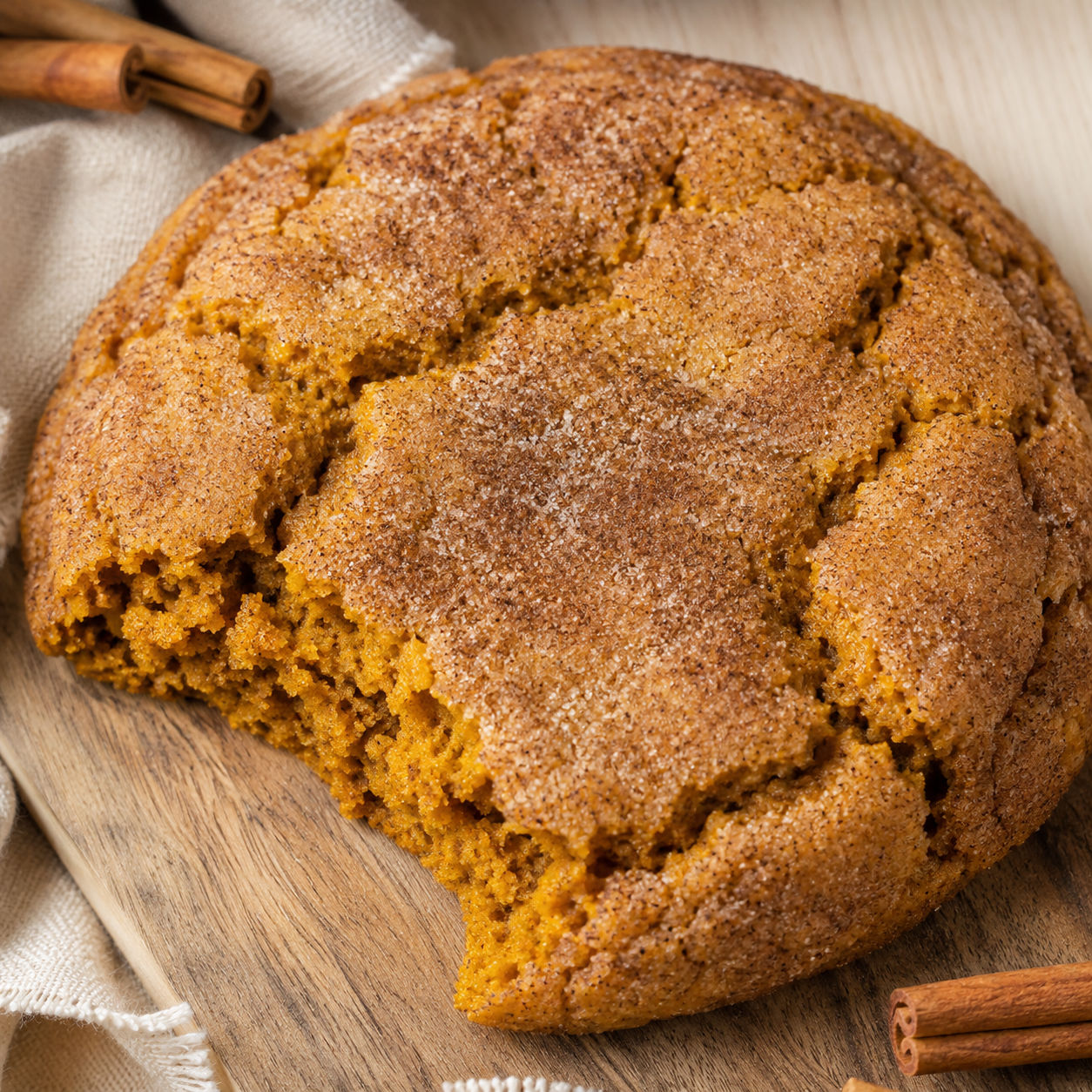
These cookies are what I bake when I want the bakery case without leaving the house. They are big enough to share but soft enough that you might not want to. The pumpkin keeps the centers tender while the cinnamon sugar coating bakes into a thin, crackly shell.
The trick to keeping them from turning into little cakes is patience with the pumpkin puree. Canned pumpkin carries more water than you think, and that extra moisture makes the difference between a dense, chewy cookie and a puffy one.
What builds the jumbo size
A short list of pantry staples does the heavy lifting here. Use real canned pumpkin puree, not pie filling, and good butter. The rest is just measuring carefully.
- All-purpose flour. The backbone of the dough. Spoon and level it rather than scooping straight from the bag so you don't end up with a dry batch.
- Baking soda and baking powder. The combo lifts the dough just enough to give the cookies height without making them cakey.
- Cinnamon and pumpkin pie spice. The warmth comes from a heavy hand with cinnamon plus a blend of ginger, nutmeg, and cloves.
- Unsalted butter. Melted butter mixes quickly and gives the cookies chewy edges.
- Brown sugar. Adds moisture and a caramel depth that balances the pumpkin.
- Canned pumpkin puree. Blot it first to remove excess water so the cookies bake up dense and rich.
- Egg and vanilla. Bind the dough and round out the flavor.
How to bake them thick
- Blot the pumpkin. Spread the puree onto a few layers of paper towel, press gently, and let it sit for ten minutes. You want to lose that loose water so the dough stays thick.
- Whisk the dry ingredients. In a bowl, combine the flour, baking soda, baking powder, cinnamon, pumpkin pie spice, and salt so the leaveners and spices distribute evenly.
- Mix the wet base. Stir melted butter with brown and granulated sugars until smooth, then beat in the egg, vanilla, and blotted pumpkin.
- Combine and chill. Fold the dry ingredients into the wet just until no flour streaks remain. Cover the bowl and chill for at least thirty minutes so the dough firms up.
- Scoop and coat. Use a quarter-cup scoop to portion eight mounds. Roll each into a ball, then roll generously in cinnamon sugar. Place six per parchment-lined sheet with plenty of space.
- Bake until crackly. Bake at 350°F until the edges look set and the tops are puffed and slightly cracked, about thirteen to fifteen minutes. Let them cool on the pan for five minutes before transferring to a wire rack.
Why dry pumpkin counts
Canned pumpkin is roughly ninety percent water. That is great for pie but too much for a cookie that needs to hold its shape and bake up dense. Blotting the puree on paper towels for ten minutes removes the surface moisture without drying it out completely. Lay the pumpkin on a triple layer of paper towel, press gently with your hands, and let it sit while you measure the other ingredients. When you lift it up, the towels will be damp and the pumpkin will feel noticeably thicker. If you skip this step the cookies still taste good, but they spread into flat discs and bake up cakey rather than dense and chewy. Sally McKenney uses the same blotting trick for her soft pumpkin cookies, which you can see at Sally's Baking Addiction.
The cinnamon sugar crackle
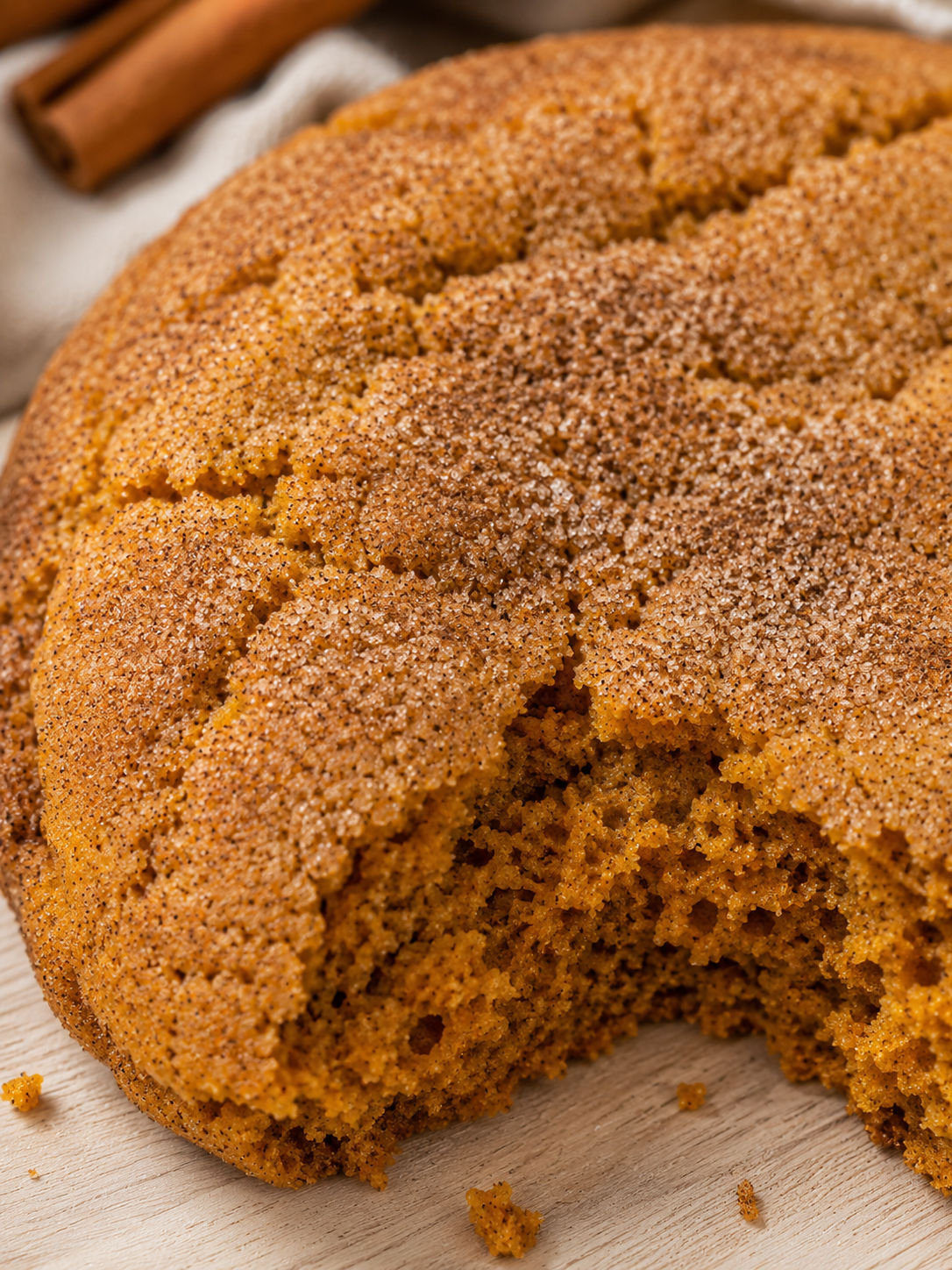
The coating is not just for looks. Rolling the dough in a cinnamon sugar mix before baking creates a thin, crisp shell that cracks as the cookie puffs in the oven. Press the sugar into the dough balls firmly so it adheres well. The heat melts the outer layer of sugar into a barely-there glaze that snaps when you bite. I use a mix of granulated sugar and cinnamon because the larger crystals hold up better than superfine sugar under heat. If you want extra depth, brown the butter first using the technique from Scientifically Sweet, then roll in the coating. The result is a cookie that tastes like a snickerdoodle dressed for fall. If you love that flavor profile, try our soft pumpkin snickerdoodles or soft batch pumpkin sugar cookies.
Chill so they stay tall
Warm melted butter and wet pumpkin make a loose dough that spreads fast if it hits the oven too soon. A thirty-minute chill firms the butter back up and slows the spread so the cookies bake thick and tall instead of wide and thin. If your kitchen is hot or you are baking in multiple batches, keep the portioned dough in the fridge between sheets. The cooler the dough enters the oven, the better the jumbo shape holds. You can chill the dough for up to two days if you cover it well. In fact, an overnight chill deepens the spice flavor as the flour fully hydrates. Just let the dough sit at room temperature for five minutes so it is scoopable again.
Make ahead and freeze well
You can make the dough up to two days ahead and keep it covered in the refrigerator. For longer storage, scoop the dough into balls and freeze them on a sheet pan until they are solid, then transfer to a freezer bag. Roll the frozen balls in cinnamon sugar just before baking and add two to three extra minutes to the bake time. Baked cookies also freeze well for up to two months in an airtight container. Thaw them at room temperature for twenty minutes, or warm a cookie for fifteen seconds in the microwave to bring back that fresh-baked softness. This makes them a practical choice for holiday gift boxes or for keeping a secret stash ready when a craving hits.
What to serve with them
A warm cookie and a mug of black coffee is hard to beat on a cold morning. For dessert, sandwich a thin layer of cream cheese frosting between two cookies to make a decadent whoopie pie, or crumble one over a bowl of vanilla bean ice cream and drizzle with caramel. They also pair nicely with other spiced treats on a fall brunch board. I like setting them out alongside pumpkin streusel cream cheese muffins for a pumpkin-themed spread that looks as good as it tastes. If you want something less sweet to balance the sugar, a glass of cold milk or a plain latte does the job without competing with the warm cinnamon flavor. For a cinnamon roll twist in cookie form, try our cinnamon roll cookies.
FAQs
- Can I use homemade pumpkin puree?
Yes, but roast it until very tender and drain it well in a fine mesh strainer for at least an hour. Homemade puree usually holds even more water than canned, so blotting is extra important.
- Why did my cookies turn out cakey?
Too much moisture is the usual culprit. Make sure you blot the pumpkin and measure your flour with the spoon-and-level method. Adding extra pumpkin or reducing flour by mistake leads to puffy, muffin-like cookies.
- Can I make these gluten-free?
A one-to-one gluten-free baking blend works here. The texture will be slightly more tender but still soft. Avoid single-ingredient alternative flours like almond or coconut, which change the structure too much.
- How should I store leftover cookies?
Keep them in an airtight container at room temperature for up to three days. For longer storage, refrigerate up to five days or freeze up to two months. A quick warm-up in the microwave restores the soft center.
- Can I freeze the dough before baking?
Absolutely. Scoop the dough into balls and freeze on a tray until solid, then store in a bag. Coat in cinnamon sugar straight from the freezer and bake, adding two to three minutes to the time.
- What is the best way to measure pumpkin?
Spoon the puree into a dry measuring cup and level it off. Do not pack it down. Then blot the measured puree on paper towels to remove excess moisture before mixing it into the dough.
- Can I add chocolate chips or nuts?
Yes. Fold in up to one cup of chocolate chips, chopped pecans, or walnuts when you combine the wet and dry ingredients. Keep the pieces small so the jumbo cookies still hold their shape.
