 Pin it
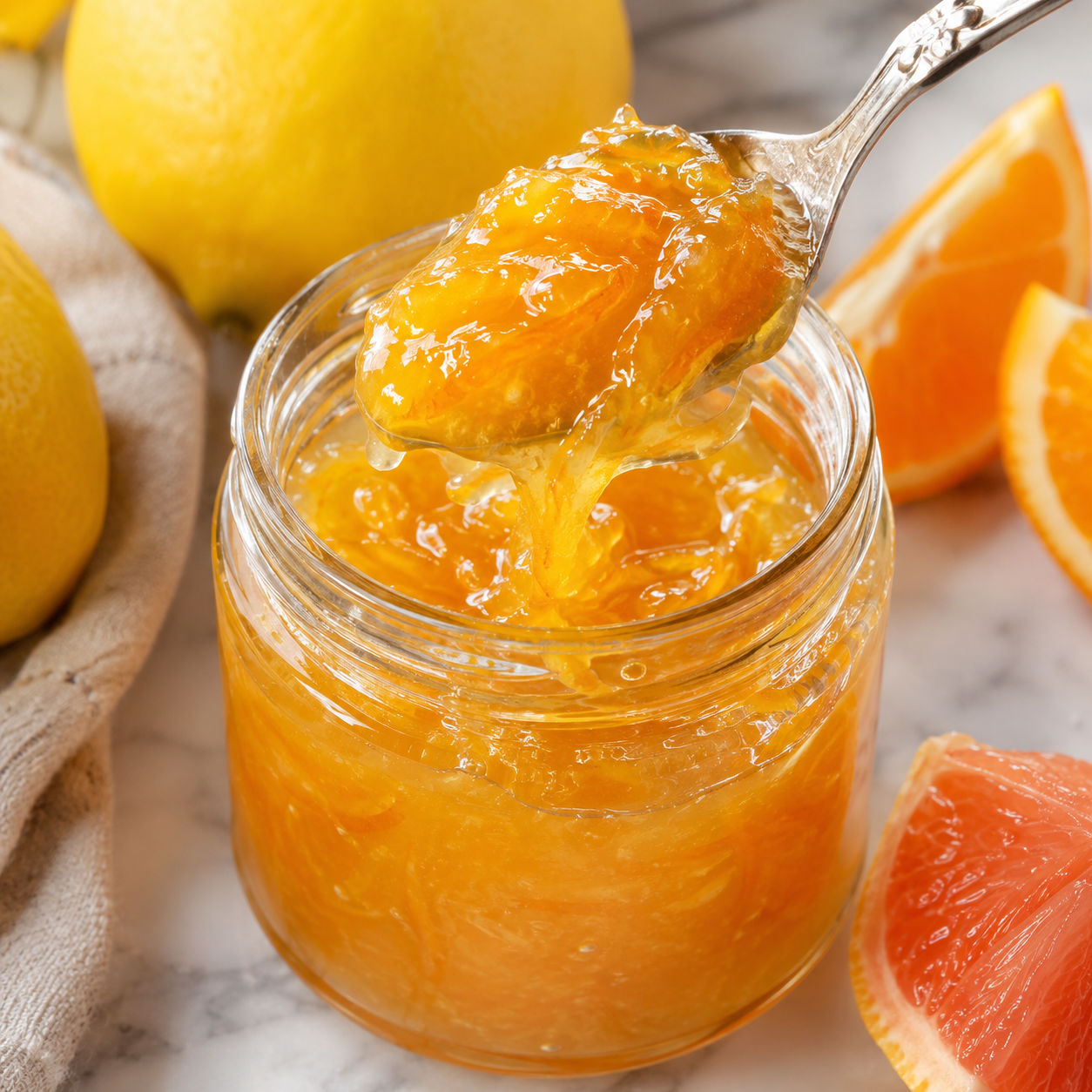
Italian Lemon Jam with a Citrus Twist sits somewhere between a sunny lemon spread and a classic citrus marmalade. It has the clean bite of lemon, the round sweetness of orange, and just enough grapefruit to make each spoonful taste fresh instead of flat.
The best part is the texture. The peel turns tender and almost candied, while the syrup sets into a glossy spread that works on toast, croissants, pound cake, and plain yogurt. I like it slightly loose, so it spoons easily without feeling stiff.
Bright Citrus For The Jar
Choose organic citrus if you can because the peel is part of the jam. Scrub the fruit well and look for lemons that feel heavy, with smooth skin and a clean floral smell.
- Lemons. They bring the sharp, sunny flavor and enough natural pectin in the peel and seeds to help the jam set.
- Orange. It rounds out the acidity and gives the syrup a warmer citrus note.
- Pink grapefruit. A small amount adds the citrus twist and a faint bitter edge that keeps the jam grown-up.
- Granulated sugar. It sweetens, thickens, and helps preserve the fruit in the refrigerator.
- Water. It softens the peel and gives the fruit time to release pectin before the sugar concentrates.
- Sea salt. A tiny pinch makes the lemon taste brighter without making the jam salty.
Cook It Until Glossy
- Prep the peel. Scrub the citrus, remove thin strips of lemon zest, and slice them fine. Try to leave behind as much white pith as you can.
- Blanch the zest. Cover the strips with cold water, bring to a boil, and drain. Repeat two more times to soften the peel and tame bitterness.
- Cut the fruit. Peel the lemons, orange, and grapefruit. Remove thick pith and seeds, then chop the pulp. Tie the seeds in cheesecloth if you have them.
- Simmer the fruit. Cook the pulp, blanched peel, water, salt, and seed pouch until the peel feels tender and the liquid smells fragrant.
- Add the sugar. Stir in the sugar until dissolved, then boil steadily until the jam reaches 220°F or passes the chilled plate test.
- Jar and cool. Ladle into clean warm jars, cool, and refrigerate. The set firms up after several hours.
Tame The Bitter Edge
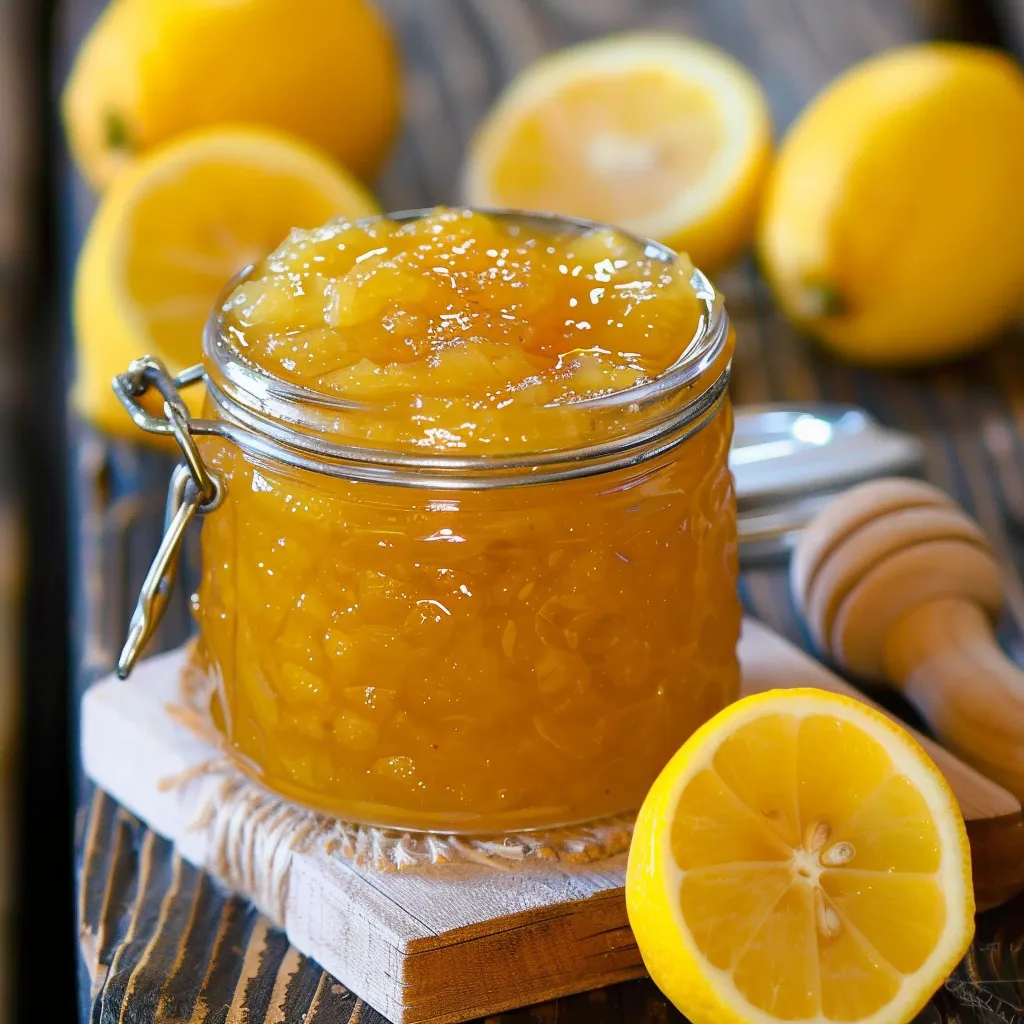
Lemon peel is the reason this jam tastes Italian and bright, but it can also be the reason a batch turns harsh. The fix is simple. Slice the yellow peel thinly and blanch it three times in fresh water. Each boil removes some bitterness while keeping the fragrant oils.
Do not scrape every bit of pith into the pot. A little is fine, and the seed pouch helps with set, but too much white pith makes the flavor dull and bitter. If you enjoy citrus preserves, try the smoother Italian Lemon Spread when you want less peel and more creamy lemon flavor.
Why The Citrus Twist Works
Lemon alone can taste sharp from the first bite to the last. Orange gives the jam body and sweetness, while grapefruit adds a clean finish that keeps it from tasting like candy. The mix still reads as lemon first, which matters for Italian Lemon Jam with a Citrus Twist.
The ratio is flexible within reason. Use more orange for a softer breakfast spread. Use a little more grapefruit if you like a firmer marmalade bite. For pastry days, this jam is lovely with buttery desserts like Mini Tarts with Lemon Curd and Berries or spooned over a slice of Lemon Pistachio Cake.
The Set Without Pectin
Citrus has natural pectin in the peel, membranes, and seeds. That is why the seed pouch helps. It gives the syrup a better chance of setting without boxed pectin. Cook the fruit before adding sugar so the peel softens fully. Once sugar goes in, the peel will not soften as quickly.
A thermometer makes the process easier. Aim for about 220°F, then confirm with the plate test. If the jam slides like syrup, cook it a few more minutes. If it mounds and wrinkles lightly, stop. Overcooked lemon jam can turn sticky and dark.
Safe Storage Matters
This recipe is written as a refrigerator jam. Spoon it into clean warm jars, cool it, and keep it cold. It keeps well for about 3 weeks and can be frozen for about 3 months. Leave headspace if freezing because the jam expands.
If you want shelf-stable jars, use tested canning directions from the National Center for Home Food Preservation. Citrus preserves need proper jar prep, processing time, and seal checks. A turned-over hot jar is not the same as safe water-bath processing.
Small Ways To Use It
Toast is obvious, but this jam does more. Stir a spoonful into vinaigrette, glaze a roast chicken near the end of cooking, or warm it gently and brush it over a fruit tart. It also makes a sharp little filling for thumbprint cookies.
If you like jam in dessert bars, the texture here works in the same spirit as Quick Raspberry Jam Oat Bars. Use a thin layer because lemon jam is louder than berry jam. A little goes a long way.
Summary
This refrigerator-style Italian lemon jam is sweet, sharp, and fragrant, with tender strips of peel and a balanced citrus finish.
FAQs
- Is Italian lemon jam the same as marmalade?
It is very close. Since this recipe uses citrus peel and fruit, many cooks would call it marmalade. I use jam in the title because the texture is softer and spoonable, more like a bright citrus spread.
- Can I use Meyer lemons?
Yes. Meyer lemons make the jam sweeter and less sharp. If you use them, reduce the sugar by 1/4 cup only if you plan to keep the jam in the refrigerator and not can it for shelf storage.
- Why do I blanch the lemon peel?
Blanching pulls out some of the harsh bitterness from the white pith and softens the strips before they go into the jam. Skip it and the finished jar can taste bitter even when the syrup is sweet.
- How do I know when lemon jam is set?
Use a thermometer and cook it to about 220°F, or use the chilled plate test. A spoonful should wrinkle slightly when pushed after a minute on a cold plate. It will firm up more as it cools.
- How long does homemade lemon jam keep?
Keep this version in clean jars in the refrigerator for up to 3 weeks. For shelf-stable storage, follow a tested water-bath canning method from a canning authority and do not rely on simply turning jars upside down.
- What can I serve with this citrus jam?
Spread it on toast, spoon it over ricotta pancakes, swirl it into yogurt, or use it between cake layers. It is also good with sharp cheese because the citrus cuts through the richness.
