 Pin it
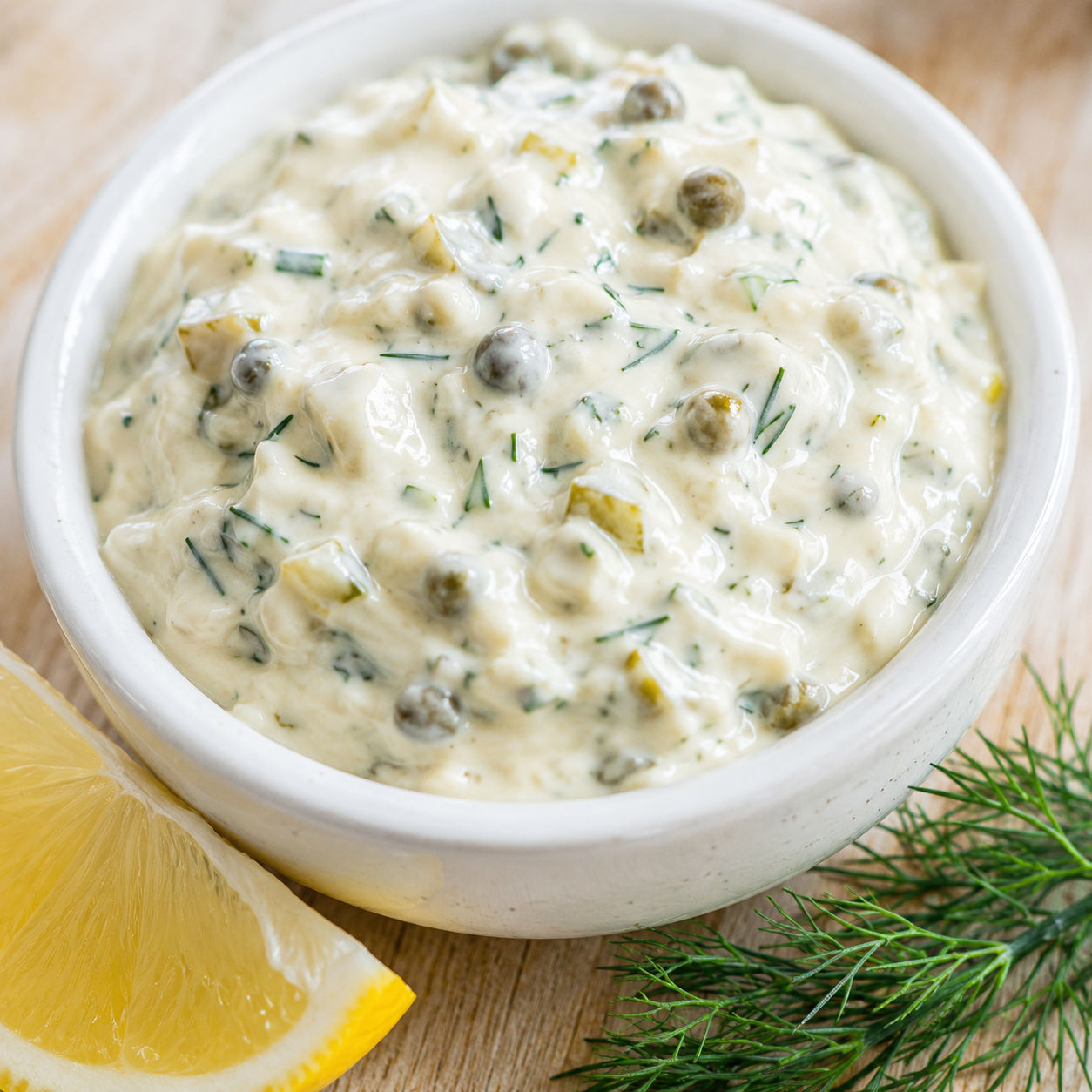
I stopped buying tartar sauce from the store the day I realized how much better it tastes when you make it yourself. The jarred kind is usually too sweet and one-dimensional. A fresh batch takes five minutes and hits every note: creamy, tangy, briny, and bright.
This recipe uses real mayonnaise as the base and builds flavor with crunchy dill pickles, salty capers, and fresh lemon. A short rest in the fridge lets everything meld into a sauce that belongs next to any fried fish, crab cake, or pile of crispy fries.
What goes into the mix
This is a short list where quality matters. Use a real mayonnaise you like eating straight from the jar. The pickles should be firm dill pickles, not the soft bread-and-butter kind, and the lemon juice must be fresh. Bottled lemon juice tastes flat here.
- Mayonnaise. The creamy backbone of the sauce. Full-fat mayo gives the richest texture, but light mayo or Greek yogurt work if you want a lighter dip.
- Dill pickles. They deliver the crunch and sharp tang that define classic tartar sauce. Dice them small so you get bits in every bite.
- Capers. These tiny buds add a salty, briny punch that wakes up the whole bowl. A little goes a long way.
- Fresh lemon juice. Brightens the richness and thins the sauce to a perfect dipping consistency.
- Dijon mustard. Adds subtle heat and depth without overpowering the other flavors.
- Worcestershire sauce. Just a few drops bring an umami undertone that makes the sauce taste restaurant-made.
- Fresh dill. The herb that ties everything to seafood. Chop it finely and do not skip it.
Mix and chill
- Chop the add-ins. Dice the pickles and capers finely. Mince the shallot if you are using it. Chop the dill. Small pieces mean better texture and flavor in every spoonful.
- Stir the base. In a medium bowl, combine the mayonnaise, lemon juice, Dijon mustard, and Worcestershire sauce. Whisk until smooth and fully blended.
- Fold everything together. Add the chopped pickles, capers, and dill to the bowl. Stir gently until evenly distributed. Taste and season with salt and pepper.
- Chill before serving. Cover the bowl and refrigerate for at least 15 minutes. This rest is where the magic happens. The flavors meld and the sauce tastes ten times better than when freshly mixed.
Why fresh lemon wins
Bottled lemon juice has a flat, metallic edge that sticks out in a no-cook sauce like this. A real lemon gives you bright, clean acidity and a faint sweetness that balances the rich mayonnaise. Roll the lemon on the counter before squeezing to extract every drop.
The pickle choice matters
Reach for kosher dill pickles or cornichons. They have a clean, sharp acidity and stay crunchy when chopped. Sweet pickles or relish will steer the sauce into candy territory, which can overwhelm delicate fish. If you only have sweet pickles on hand, use half the amount and bump up the lemon juice to keep the balance in check.
Swaps and variations
Greek yogurt makes a lighter, tangier sauce that still clings to fish. Vegan mayonnaise works seamlessly for an egg-free version. Want heat? Add a pinch of cayenne or a few drops of hot sauce. For a more herbaceous twist, swap half the dill for fresh parsley or chives. If you are building a whole seafood spread, this sauce pairs beautifully with garlicky seafood boil butter sauce and a pile of crispy fries.
Storing and making ahead
This sauce is a perfect make-ahead condiment. It keeps in an airtight container in the refrigerator for up to a week. In fact, it tastes better on day two after the flavors have had time to mingle. Just give it a good stir before serving. Do not freeze it. Mayonnaise separates when thawed and the texture turns grainy.
What to serve with it
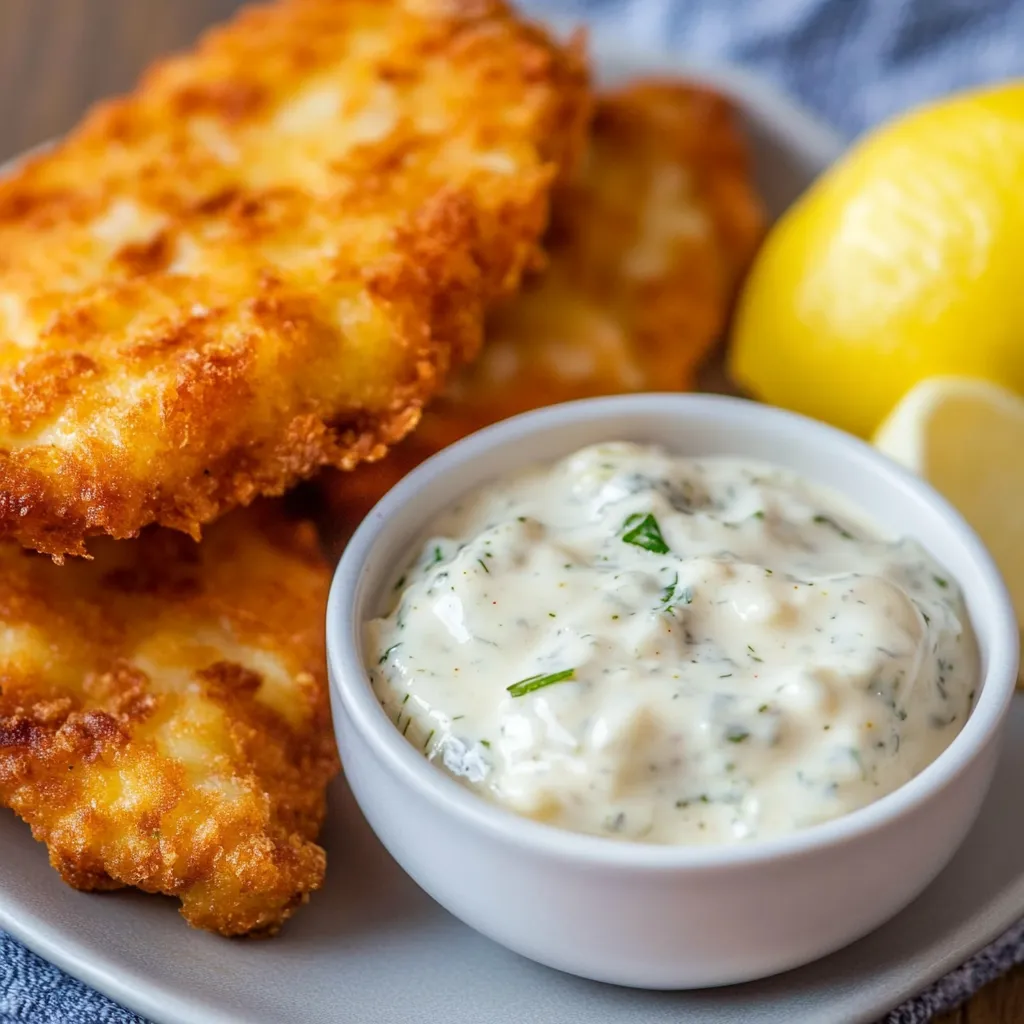
Fried cod, fish sticks, and crab cakes are the obvious choices. It also works as a dip for roasted potatoes, a spread for grilled chicken sandwiches, or a drizzle over fish tacos. For another quick dipping sauce, try our blooming onion sauce or easy 5-minute shawarma sauce. The FDA seafood safety guide has good tips on buying and storing the fish you will dip into it.
FAQs
- Can I make tartar sauce without capers?
Yes. Capers add a pleasant briny pop, but you can leave them out. Add a little extra chopped pickle and a pinch of salt to compensate.
- How long does homemade tartar sauce last?
Store it in an airtight container in the coldest part of your fridge. It stays fresh for up to 7 days. Stir before each use since the lemon juice can settle.
- Can I use sweet pickles instead of dill?
You can, but the flavor profile changes completely. Sweet pickles will make the sauce noticeably sweeter and less sharp. If you prefer that balance, start with half the amount and taste as you go.
- Is this tartar sauce gluten-free?
Usually yes. Mayonnaise, pickles, capers, mustard, and Worcestershire sauce are typically gluten-free. Always check your labels, especially on Worcestershire, as some brands contain malt vinegar.
- What can I use instead of mayonnaise?
Plain Greek yogurt or sour cream work for a lighter, tangier version. Vegan mayonnaise is also an easy swap if you need an egg-free alternative.
- Why is my tartar sauce watery?
Too much lemon juice or pickle brine can thin it out. Fix it by stirring in an extra spoonful of mayonnaise until you reach a thick, spoonable consistency.
- What pairs best with tartar sauce?
Fried fish and crab cakes are the classics. It is also excellent with shrimp, fish sticks, roasted potatoes, and even spread onto a chicken sandwich.
