 Pin it
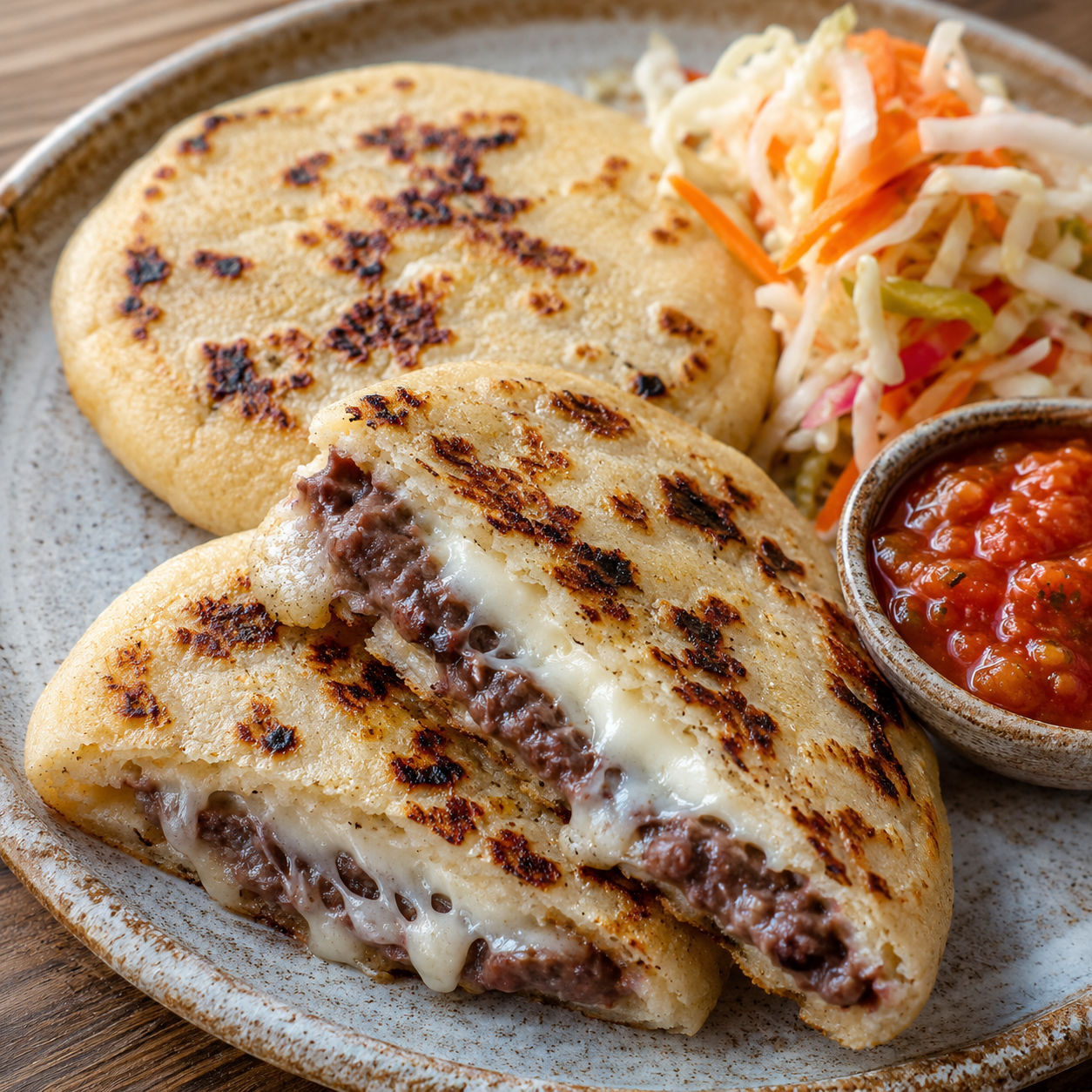
Homemade Pupusas Filled with Cheese and Beans are thick Salvadoran corn cakes with a soft center, browned edges, and a filling that turns creamy as it warms. They are simple, but they ask you to slow down for a few minutes and feel the dough.
The best pupusas are not dry or stiff. The masa should feel like soft play dough, the filling should be thick enough to hold its shape, and the griddle should be hot enough to make toasted spots without burning the outside.
Masa, Beans, and Melty Cheese
Use masa harina made for tortillas or pupusas, not regular cornmeal. The filling should be flavorful but thick, since loose beans can leak before the pupusas hit the pan.
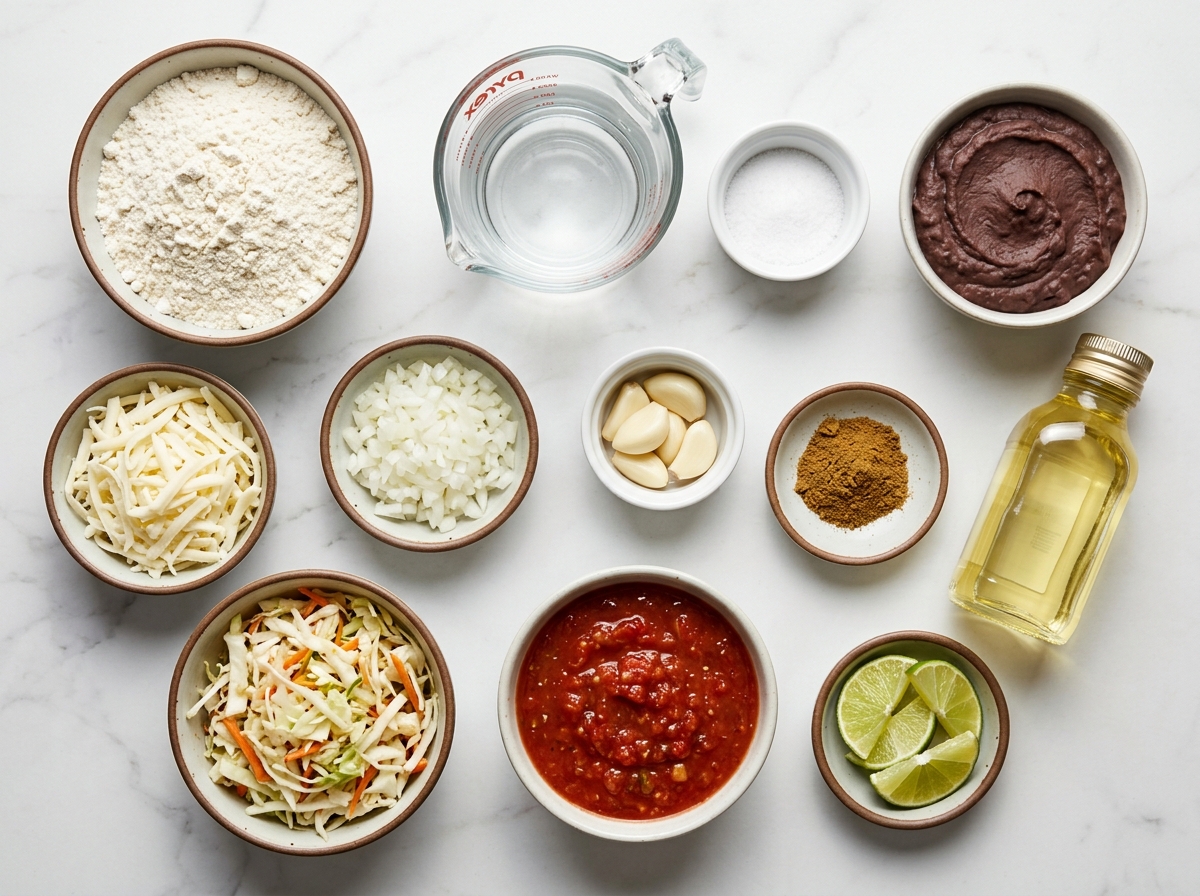
- Masa harina. Forms the soft corn dough and gives pupusas their familiar toasted aroma.
- Warm water. Hydrates the masa so it shapes without cracking.
- Salt. Seasons the dough from the inside instead of only on the surface.
- Refried beans. Make the filling creamy, savory, and sturdy enough to seal.
- Oaxaca or Monterey Jack cheese. Melts into the beans and gives each bite a gentle pull.
- Onion and garlic. Wake up canned beans and make the filling taste homemade.
- Cumin. Adds warmth without taking over.
- Vegetable oil. Keeps your hands slick for shaping and lightly seasons the griddle.
- Curtido and salsa roja. Bring crunch, acid, and heat at the table.
Homemade Pupusas Filled with Cheese and Beans
- Make the bean filling. Cook onion and garlic in a little oil until soft, then stir in the beans and cumin. Mash until thick and spreadable, then cool so the cheese does not melt too early.
- Mix the masa. Stir masa harina, salt, and warm water in a bowl. Knead by hand until smooth and soft. If the dough cracks when pressed, add more water by the teaspoon.
- Portion the dough. Divide the masa into 12 balls and keep them covered with a damp towel. Dry masa is harder to seal.
- Fill and close. Cup one ball in your palm, press a well in the center, and add beans and cheese. Pull the edges over the filling and pinch closed.
- Pat them flat. With damp hands, gently press each filled ball into a 4-inch round. Stop if the filling starts to show, then patch with a small pinch of masa.
- Cook on the griddle. Cook on a hot skillet or griddle for 3-4 minutes per side until browned in spots and heated through. Serve hot.
The Dough Should Feel Soft
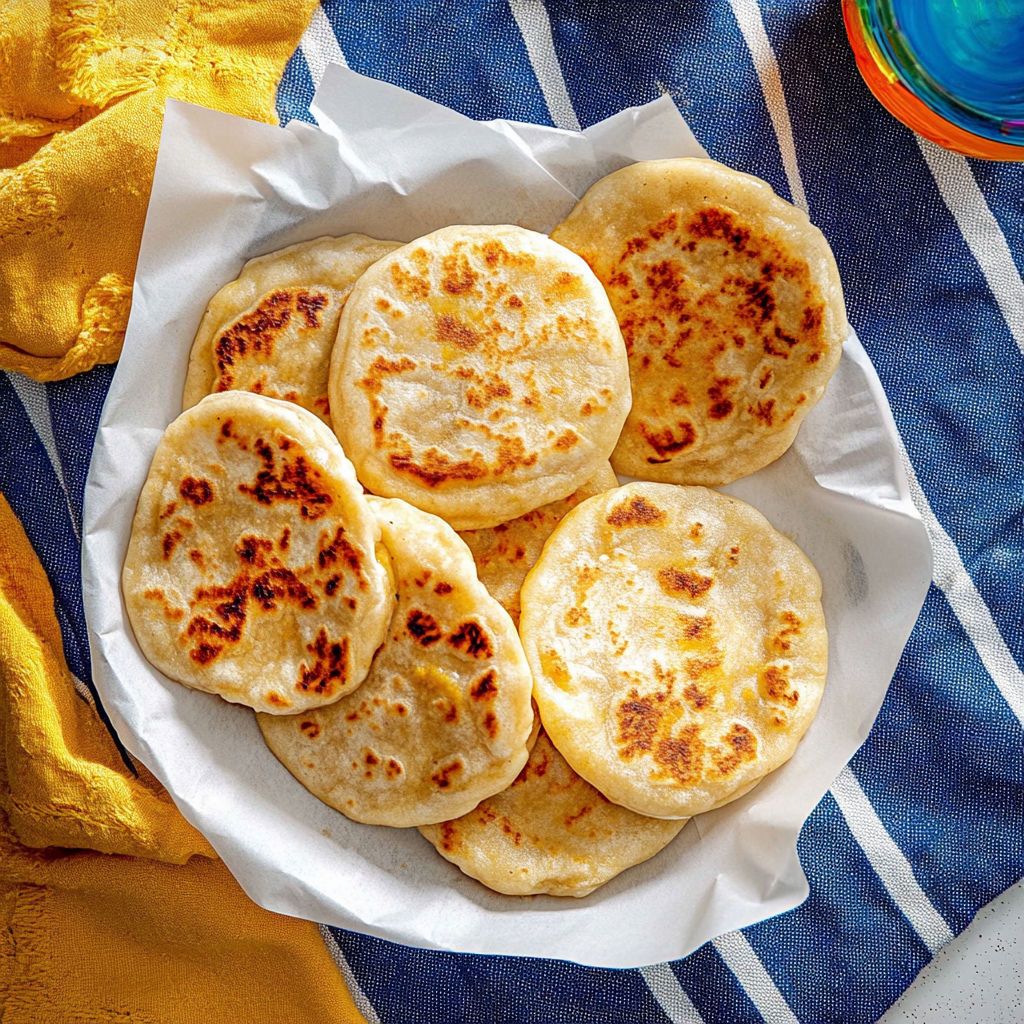
Masa harina needs enough water to become flexible. If the dough feels sandy or breaks around the edges, it is thirsty. Add warm water in small splashes and knead again. The right texture is soft and smooth, but not sticky enough to coat your hands.
This is the same masa logic behind Homemade Masa Cheese Pupusas, but the bean filling makes sealing a little more important. Do not rush the resting time. Ten minutes lets the masa finish hydrating and makes the rounds easier to flatten.
King Arthur Baking has a helpful note on why masa harina behaves differently from plain cornmeal in its pupusas guide. The short version is simple. Use masa harina for this recipe.
How to Seal the Filling
Overfilling is the main reason pupusas burst. Use about 1 tablespoon beans and 1 tablespoon cheese for each ball of masa. That may look modest, but it spreads as you flatten the pupusa and melts into a full layer.
Keep a small bowl of water and oil nearby. Dip your fingertips before shaping each pupusa. Damp hands stop sticking and help smooth tiny tears. If a little cheese peeks through, patch it with a thin piece of masa instead of starting over.
The first one may look rough. That is normal. By the third pupusa, your hands usually find the rhythm. If you like bean-heavy dinners, the seasoned filling has the same cozy feel that makes Classic Red Beans with Rice and Sausage so satisfying, just tucked inside a corn cake instead of spooned over rice.
Getting Golden Griddle Spots
A medium-hot skillet gives pupusas their browned freckles and warm center. If the pan is too cool, they dry out before they brown. If it is too hot, the outside scorches while the cheese stays firm. Medium heat or a 350°F electric griddle is a steady place to start.
Cook them in batches with space between each one. Pressing and flipping too much can force filling through the seams. Let the first side set for a few minutes, then flip once. A few tiny cheese bubbles at the edge are fine. They crisp up and taste good.
Serving and Storing Them
Pupusas want contrast. Serve them hot with curtido and salsa roja so every bite has warm corn, creamy filling, cool crunch, and a little tang. For a meatless spread, add avocado, lime wedges, and a simple skillet vegetable dish like Tex-Mex Zucchini Bake with Black Beans and Cheese.
Leftover pupusas keep in an airtight container in the fridge for up to 4 days. Reheat them in a dry skillet over medium-low heat until the outside firms up and the filling is hot. The microwave works in a pinch, but it softens the crust.
You can also freeze cooked pupusas. Cool them fully, separate with parchment, and freeze in a bag. Reheat from frozen in a covered skillet first, then uncover for the last minute to bring back the toasted edges.
Summary
Serve these pupusas right off the griddle with curtido, salsa roja, and extra warm beans on the side.
FAQs
- What kind of cheese is best for bean and cheese pupusas?
Oaxaca cheese, quesillo, Monterey Jack, or low-moisture mozzarella all melt well. Use a cheese that stretches and softens without releasing too much liquid.
- Can I use canned refried beans?
Yes. Canned refried beans are a useful shortcut. Warm them briefly with a little onion, garlic, or cumin if you want more flavor, then let them cool before filling the pupusas.
- Why did my pupusas crack while shaping?
The dough is probably too dry. Wet your hands and knead in a teaspoon or two of warm water until the masa feels soft and pliable. Small cracks can be pinched closed before cooking.
- Can I make pupusas ahead of time?
You can shape them a few hours ahead and keep them covered in the fridge. Cook them just before serving for the best texture. Leftovers reheat well in a dry skillet.
- Are cheese and bean pupusas gluten-free?
They can be gluten-free if your masa harina, beans, and cheese are certified gluten-free. Masa harina is made from nixtamalized corn, not wheat, but always check labels for cross-contact.
- What do you serve with pupusas?
Curtido and salsa roja are the classic partners. The crunchy cabbage and bright tomato sauce cut through the rich filling. A side of beans or a simple avocado salad also works well.
