 Pin it
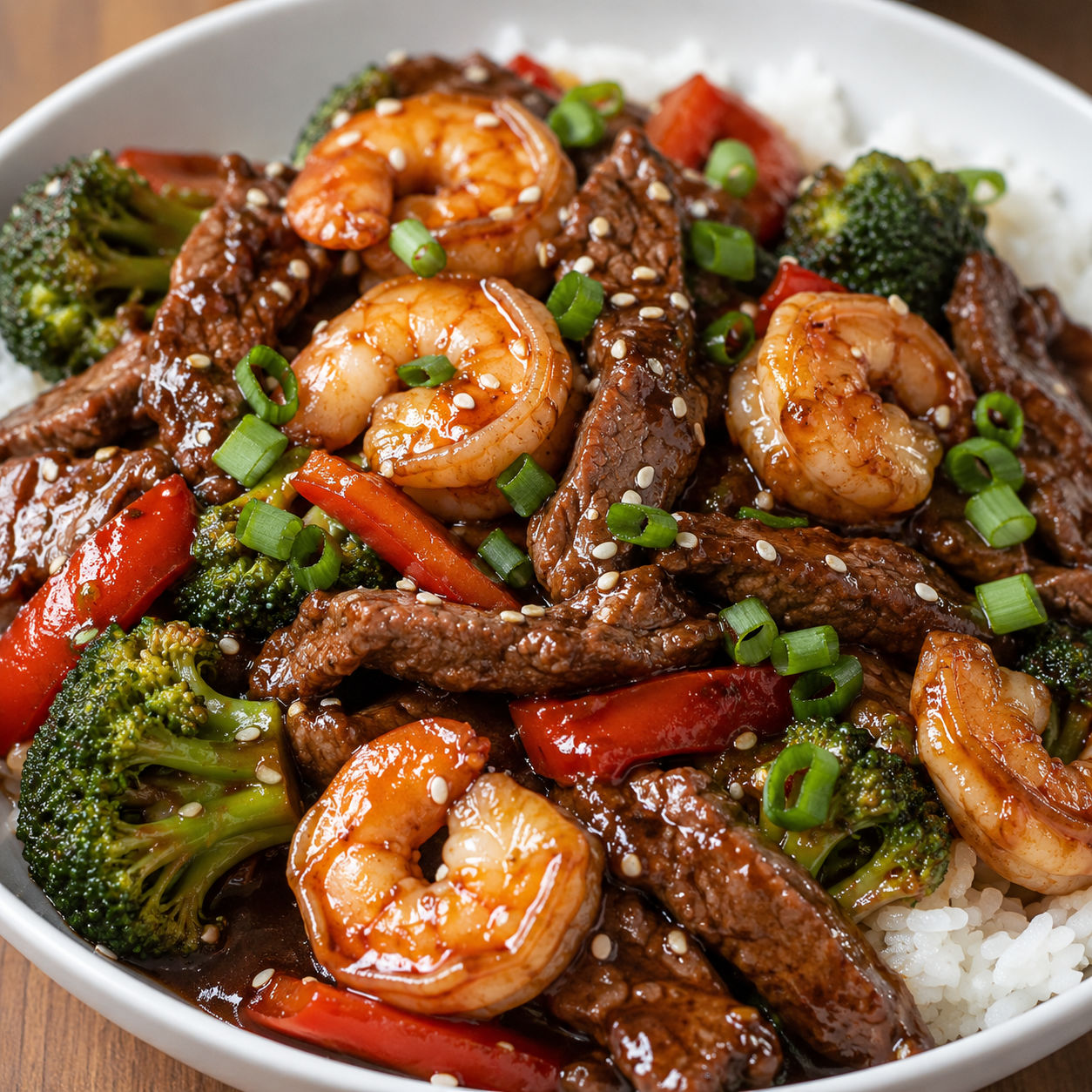
Sweet Savory Hoisin Beef Shrimp is the kind of dinner that feels big and satisfying without making a mess of the kitchen. The beef gets a quick marinade, the shrimp cooks in minutes, and the vegetables stay bright if you keep the pan hot.
Hoisin brings sweetness, soy sauce adds salt and depth, and rice vinegar keeps the sauce from tasting heavy. I like this over jasmine rice on busy nights, but it is just as good with noodles when you want something a little more takeout-style.
The Hoisin Stir-Fry Lineup
This recipe works best when the beef is sliced thin and the shrimp are peeled before you turn on the stove. Choose firm broccoli, a bright bell pepper, and a hoisin sauce that tastes balanced rather than syrupy.
- Sirloin steak. Thin slices brown quickly and stay tender when cooked over high heat.
- Large shrimp. They add sweet, briny bite and cook fast enough for a weeknight stir-fry.
- Hoisin sauce. This gives the dish its glossy texture and sweet-savory backbone.
- Soy sauce. It sharpens the sauce with salt and deep umami.
- Rice vinegar. A small splash cuts through the sweetness and keeps the sauce lively.
- Toasted sesame oil. Adds a nutty aroma at the base of the marinade.
- Broccoli and red bell pepper. These bring crunch, color, and enough freshness to balance the rich sauce.
- Garlic and ginger. They wake up the pan before the proteins go in.
Cook It Hot And Fast
- Mix the sauce. Whisk hoisin, soy sauce, rice vinegar, sesame oil, water, and cornstarch until smooth so the glaze thickens evenly later.
- Marinate the beef. Toss the sliced sirloin with a few spoonfuls of sauce and let it sit while you prep the vegetables.
- Sear the beef. Cook it in a hot skillet in one loose layer until browned at the edges, then move it to a plate.
- Cook the vegetables. Stir-fry broccoli and bell pepper until crisp-tender, adding a splash of water if the broccoli needs help softening.
- Add the shrimp. Stir in garlic, ginger, and shrimp, then cook just until the shrimp turn pink.
- Glaze and serve. Return the beef, pour in the remaining sauce, and toss until everything looks shiny and coated.
Why The Sauce Clings
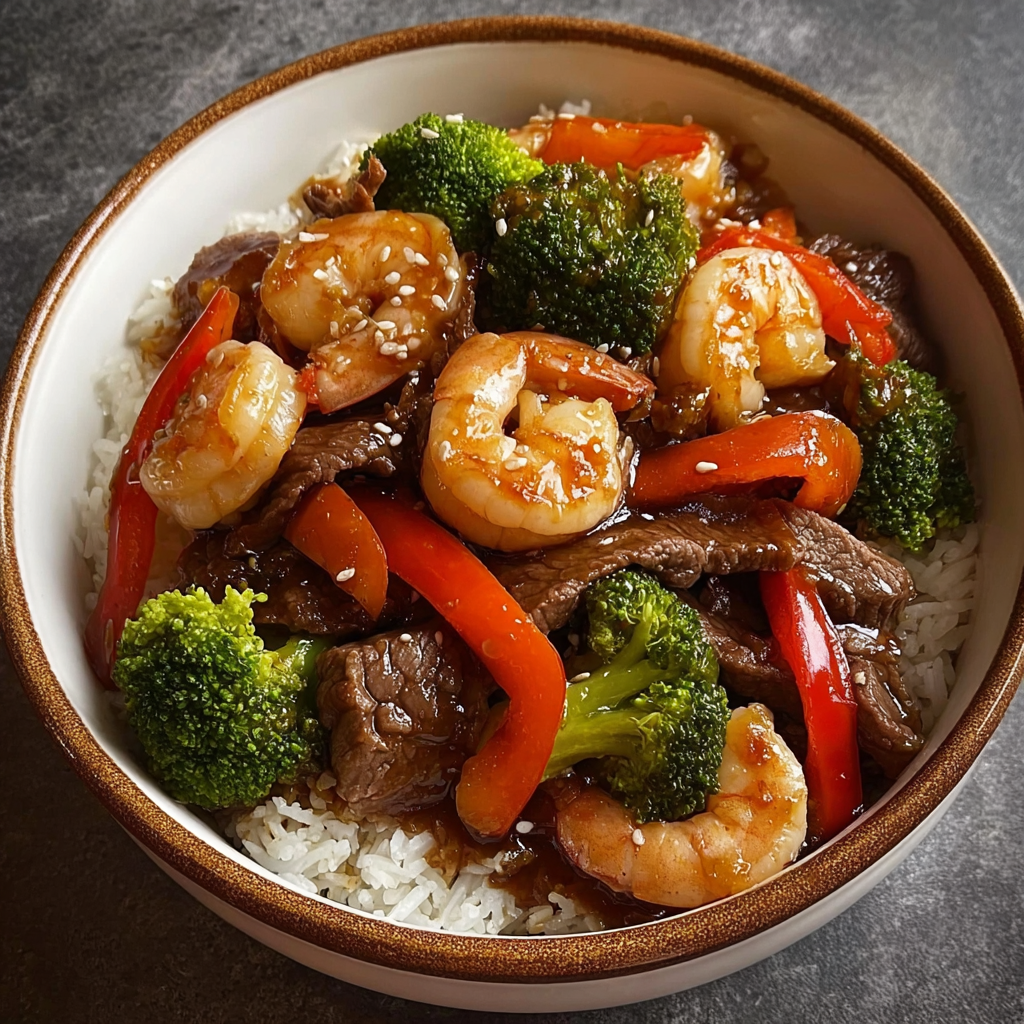
Hoisin is thick on its own, but it needs a little help to coat beef, shrimp, and vegetables evenly. A spoonful of cornstarch in the sauce gives you that shiny restaurant-style glaze without simmering the shrimp too long. Keep the heat medium-high once the sauce goes in and toss constantly. It should bubble around the edges and tighten in about a minute.
If you like this sauce profile, try it next in Quick Hoisin Beef Noodles or the spicy beef-and-broccoli style in Steak Broccoli Chili Hoisin.
Avoid A Crowded Pan
The biggest mistake here is piling everything into a small skillet at once. Beef releases moisture as it cooks. Shrimp does too. If the pan is crowded, the food steams and the sauce turns watery before anything browns. Use a large skillet or wok and cook the beef first, then the vegetables and shrimp. That order gives you better texture and keeps the shrimp from sitting in the heat too long.
The FDA has a helpful seafood guide for buying and cooking shrimp safely, including handling fresh and frozen seafood. You can check it here: FDA seafood safety guide.
Vegetable Swaps That Work
Broccoli and bell pepper are reliable because they stay colorful and hold their shape. Snow peas, snap peas, carrots, mushrooms, zucchini, and baby corn also fit the sauce well. Add firm vegetables first and tender ones last. If you use mushrooms, cook them before the shrimp so their moisture has time to evaporate.
For more skillet dinners with shrimp and vegetables, Honey Garlic Shrimp Stirfry keeps the same quick rhythm with a sweeter garlic sauce.
Serving Rice Or Noodles
Steamed jasmine rice is the easiest base because it catches every bit of sauce. Noodles make the meal heartier. Lo mein, rice noodles, or even spaghetti work if that is what you have. If you add noodles directly to the skillet, loosen the sauce with a few tablespoons of water so it can coat without turning sticky.
For another beef-and-shrimp dinner built around rice, Hibachi Steak Shrimp Rice is a good next recipe to keep on your list.
Leftovers And Reheating
This dish tastes best right away, but leftovers are still useful. Keep them in the fridge for up to 2 days. Warm them in a skillet over low heat with a splash of water until the sauce loosens. Avoid hard boiling the sauce during reheating because the shrimp can tighten up.
For beef safety, the USDA temperature chart is a good reference for whole cuts and leftovers. See the USDA safe temperature chart.
Summary
Serve this stir-fry as soon as it comes off the heat while the shrimp is tender and the sauce is still glossy.
FAQs
- Can I use frozen shrimp for Sweet Savory Hoisin Beef Shrimp?
Yes. Thaw frozen shrimp under cold running water or overnight in the fridge, then pat them dry before cooking. Dry shrimp sear better and are less likely to water down the hoisin sauce.
- What cut of beef works best?
Sirloin is a good weeknight choice because it is lean, easy to slice, and cooks quickly. Flank steak also works well if you slice it thinly against the grain.
- Can I make this without hoisin sauce?
You can get close with oyster sauce, a little honey, soy sauce, and a small spoon of peanut butter or miso for body. It will not taste exactly the same, but it will still give you a glossy sweet-savory stir-fry sauce.
- How do I keep the shrimp from overcooking?
Add the shrimp after the beef has started to brown, or cook the proteins in separate batches if your skillet is small. Shrimp are done when they turn pink and opaque, usually in 2-3 minutes.
- How long do leftovers keep?
Store leftovers in an airtight container in the fridge for up to 2 days. Reheat gently in a skillet with a splash of water so the shrimp does not get tough.
- What should I serve with hoisin beef and shrimp?
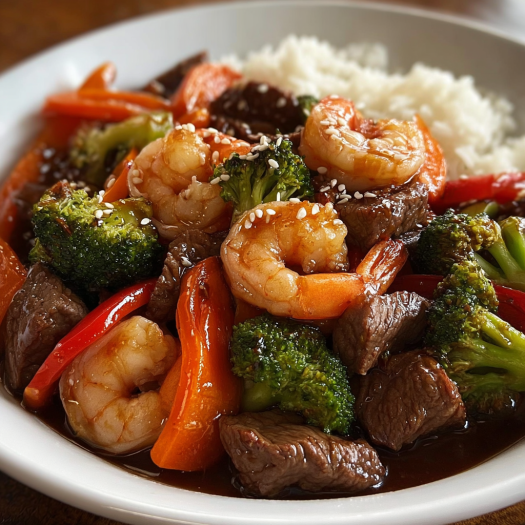
Steamed jasmine rice, brown rice, lo mein noodles, or rice noodles all work. For a lighter plate, serve it with cauliflower rice or extra steamed broccoli.
