 Pin it
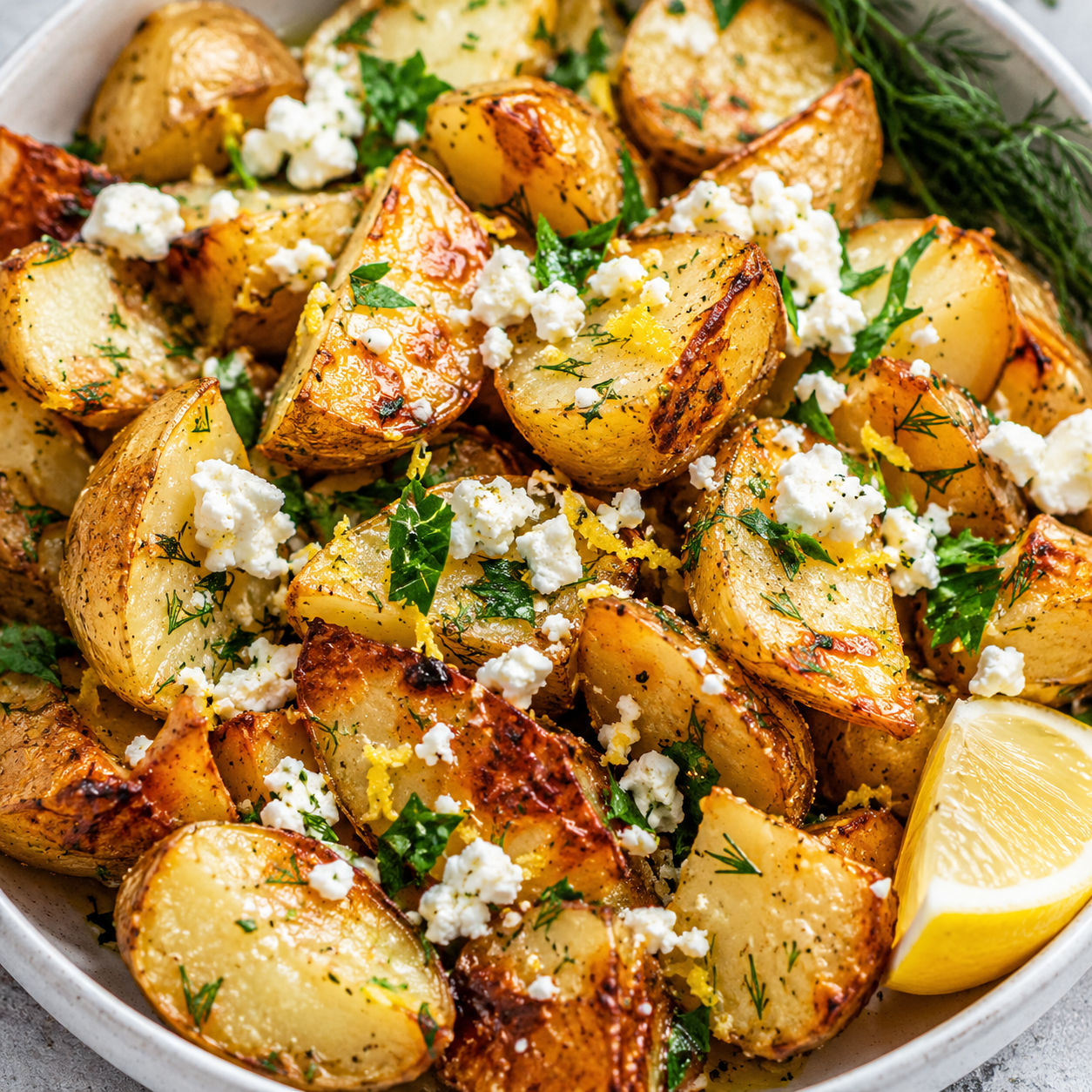
Greek Roast Potatoes with Lemon and Feta for Savory Flavors is the potato side I make when plain roasted potatoes feel too quiet. The wedges soak up lemon, garlic, oregano, and olive oil as they bake, so the centers turn soft and seasoned all the way through.
The feta goes on at the end. That keeps it creamy and briny instead of dry, and it gives the hot potatoes little salty pockets that wake up the whole pan.
Serve them with grilled meat, lemon chicken, salmon, or a bowl of hummus and salad. They are simple enough for a weeknight and bold enough for a holiday table.
Lemony Greek Potato Lineup
Use firm potatoes, fresh lemon, and a feta you like eating on its own. The ingredient list is short, so the flavor of the olive oil and cheese matters more than usual.
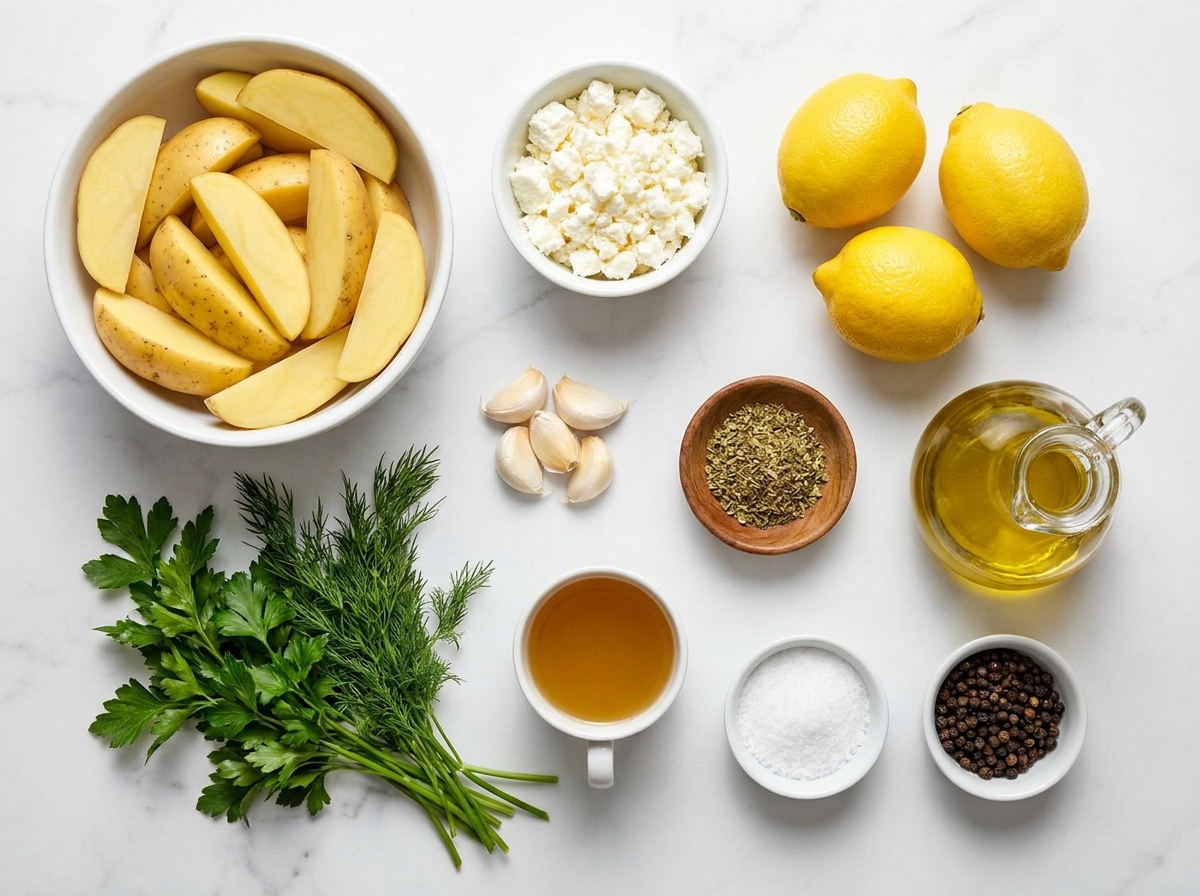
- Yukon Gold potatoes. They hold their shape while the centers turn buttery and soft.
- Olive oil. Coats the wedges and helps the edges brown as the liquid cooks away.
- Fresh lemon juice and zest. Juice seasons the pan, while zest keeps the lemon flavor bright at the end.
- Garlic. Adds a savory base that makes the potatoes taste fuller.
- Dried oregano. Gives the dish its familiar Greek-style herbal backbone.
- Vegetable broth. Steams and seasons the potatoes first, then reduces as they roast.
- Feta cheese. Adds salty, creamy pieces that contrast with the hot potatoes.
- Parsley or dill. Fresh herbs lift the final dish and keep it from feeling heavy.
Roast Them In Stages
- Cut the potatoes. Slice them into thick wedges so they have enough surface area to brown but do not fall apart in the pan.
- Season the pan. Toss the potatoes with olive oil, lemon juice, broth, garlic, oregano, salt, and pepper until every piece is glossy.
- Roast until tender. Bake in a hot oven until the potatoes can be pierced with a knife and most of the liquid has reduced.
- Brown the edges. Turn the wedges and roast a little longer until the corners look golden and slightly crisp.
- Finish with feta. Scatter feta, lemon zest, and herbs over the hot potatoes just before serving so the cheese softens without drying out.
Why These Roast So Well
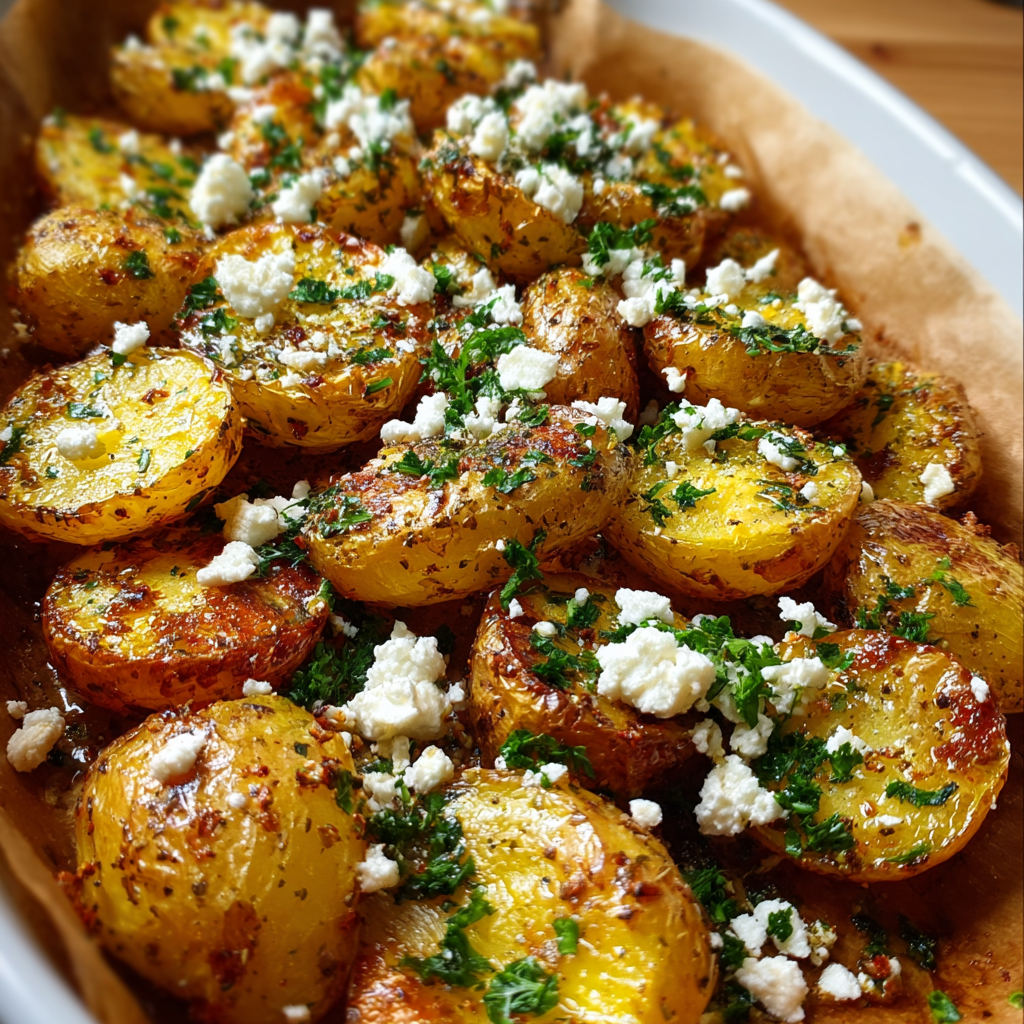
Greek-style lemon potatoes are not dry roasted like steakhouse potatoes. They start with a little broth and lemon in the pan. That liquid gives the wedges time to soften and absorb flavor before the edges brown. Once the liquid reduces, the olive oil left behind helps the potatoes crisp in spots.
The trick is patience. If you pull the pan while there is still a puddle of broth, the potatoes will taste good but feel steamed. Wait until the pan looks almost dry, then give them one careful turn. That last stretch in the oven is where the best color happens. For a sharper garlic version, try these Greek lemon and garlic roasted potatoes next.
Keep Lemon Bright
Lemon juice can taste flat if it cooks too long, so this recipe uses it in two ways. Some juice goes into the roasting liquid because it seasons the potatoes as they soften. The zest waits until the end. That small finish makes the whole tray smell fresh as soon as it hits the table.
Do not use bottled lemon juice here. It is harsher and misses the fragrant oils you get from fresh zest. If your lemons are small or not very juicy, use two for the pan and keep another half for serving. A final squeeze is useful if you are serving these next to rich food like lamb, steak, or creamy sauces.
Feta Belongs At Finish
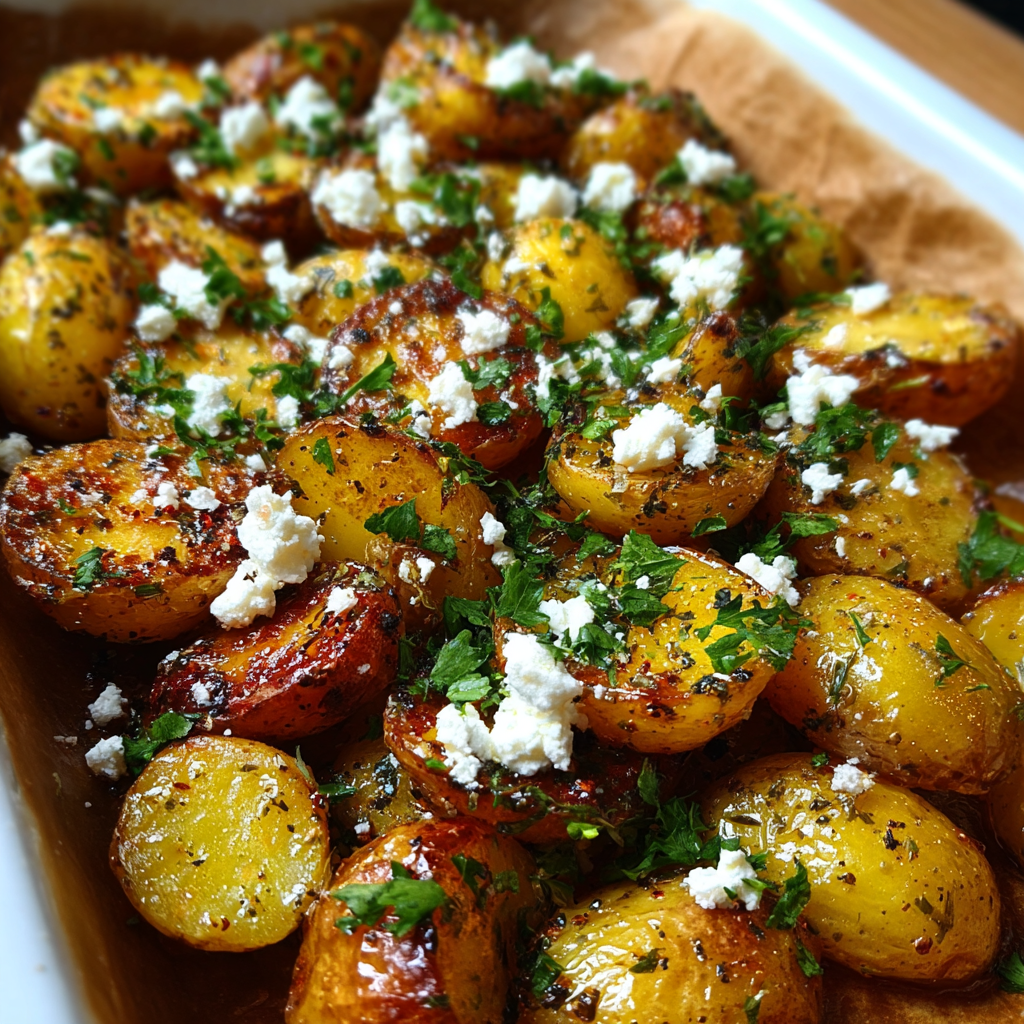
Feta is best added after the potatoes roast. If it bakes for the full time, it can dry out and lose the creamy bite that makes this dish so good. Sprinkle it over the hot wedges right before serving. The heat softens the cheese just enough.
Block feta packed in brine tastes fuller than dry crumbles, but either works. Pat brined feta lightly before crumbling so it does not water down the crisp edges. If you want more feta-forward flavor, spoon a little over each serving rather than dumping extra into the pan. These potatoes also sit well next to Greek spinach pie with feta when you want a meatless dinner that still feels complete.
Serving It Greek Style
These potatoes are flexible. They make an easy side for roast chicken, grilled fish, lamb burgers, or kebabs. For a quick dinner, I like them with cucumber salad, olives, and a bowl of yogurt or tzatziki. The lemony edges also work well with Greek lemon chicken with herbs because both dishes share the same garlic and oregano notes.
If you are building a spread, add something cool and crunchy. A salad like fresh cucumber feta salad keeps the plate balanced. The potatoes bring warmth and salt, while the salad brings crunch and moisture. For food safety when serving a larger meal, keep hot foods hot and chill leftovers promptly. The USDA food safety guidance is a useful reference for timing and storage.
Leftovers Worth Reheating
Leftover lemon feta potatoes keep well, but they need dry heat to come back properly. The microwave makes them soft. A hot oven or air fryer brings back the edges and warms the centers without making the feta oily.
Store the potatoes in a shallow container once they cool. If you know you will have leftovers, hold back a little feta and fresh herbs for the next day. Reheat the potatoes first, then add the fresh topping after they are hot. A small squeeze of lemon at the end makes them taste newly made.
FAQs
- What potatoes are best for Greek roast potatoes?
Yukon Gold potatoes are my first choice because they roast with creamy centers and browned edges. Red potatoes also work well. Russets can be used, but they break down more easily, so cut them into sturdy wedges and turn them gently.
- Can I make these potatoes without feta?
Yes. The potatoes still taste bright and savory without feta. Add extra herbs, a spoonful of chopped olives, or a drizzle of good olive oil at the end to replace some of the salty finish.
- Why are my lemon potatoes not crispy?
They may be crowded, too wet, or turned too often. Use a large sheet pan, keep the wedges in one layer, and let the liquid reduce before the final browning. If needed, roast five more minutes once the pan looks mostly dry.
- Can I prep Greek roast potatoes ahead?
You can cut the potatoes up to one day ahead and hold them in cold water in the fridge. Dry them very well before roasting. You can also mix the lemon, oil, garlic, and oregano a few hours ahead.
- How do I store and reheat leftovers?
Store leftovers in an airtight container in the fridge for up to four days. Reheat them on a sheet pan at 400°F until hot and the edges crisp again. Add fresh feta and herbs after reheating if you have them.
- What goes well with Greek lemon feta potatoes?
They are great with roast chicken, lamb chops, salmon, grilled shrimp, or a vegetarian spread with hummus and cucumber salad. For a bigger Greek-style dinner, pair them with spanakopita or chicken souvlaki.
