 Pin it
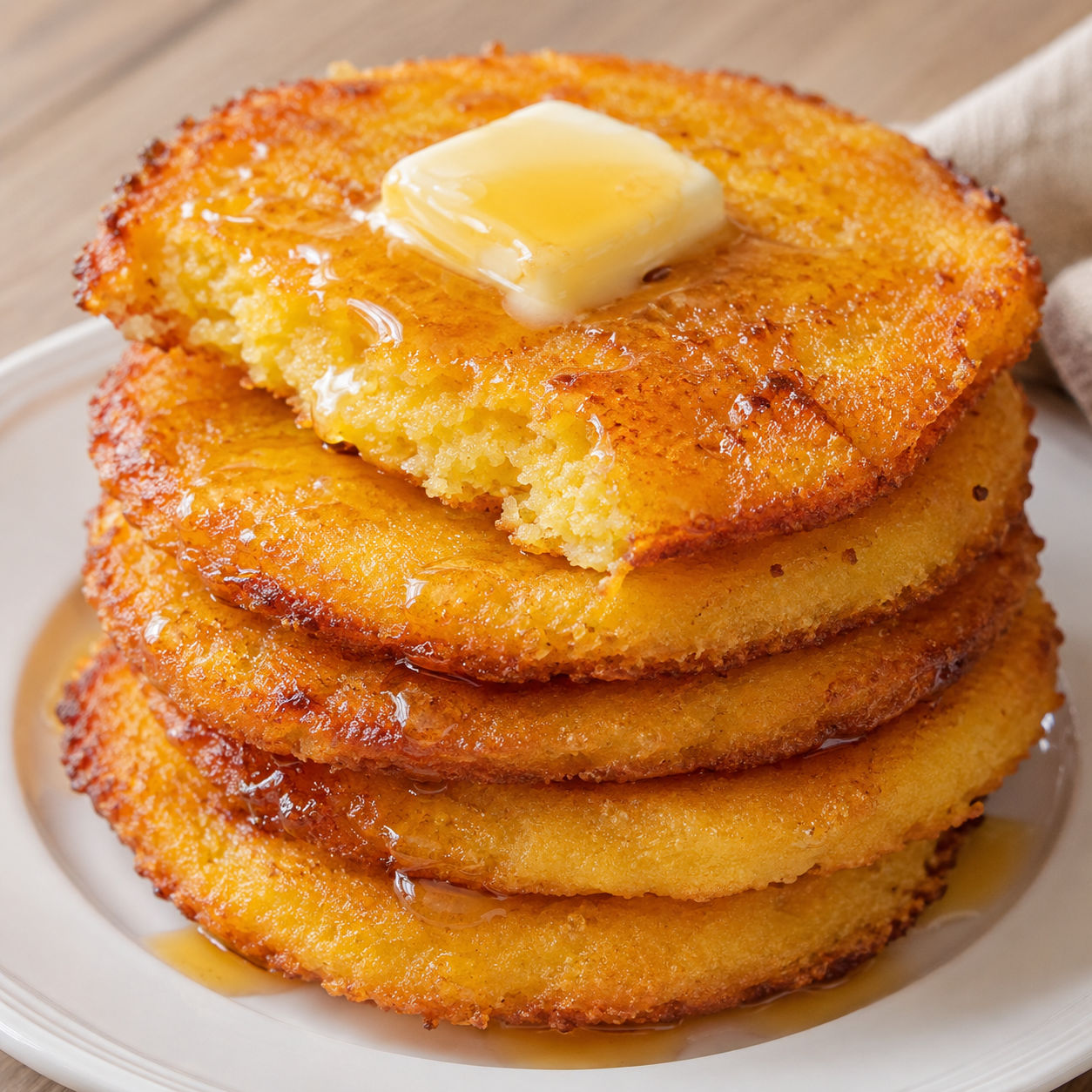
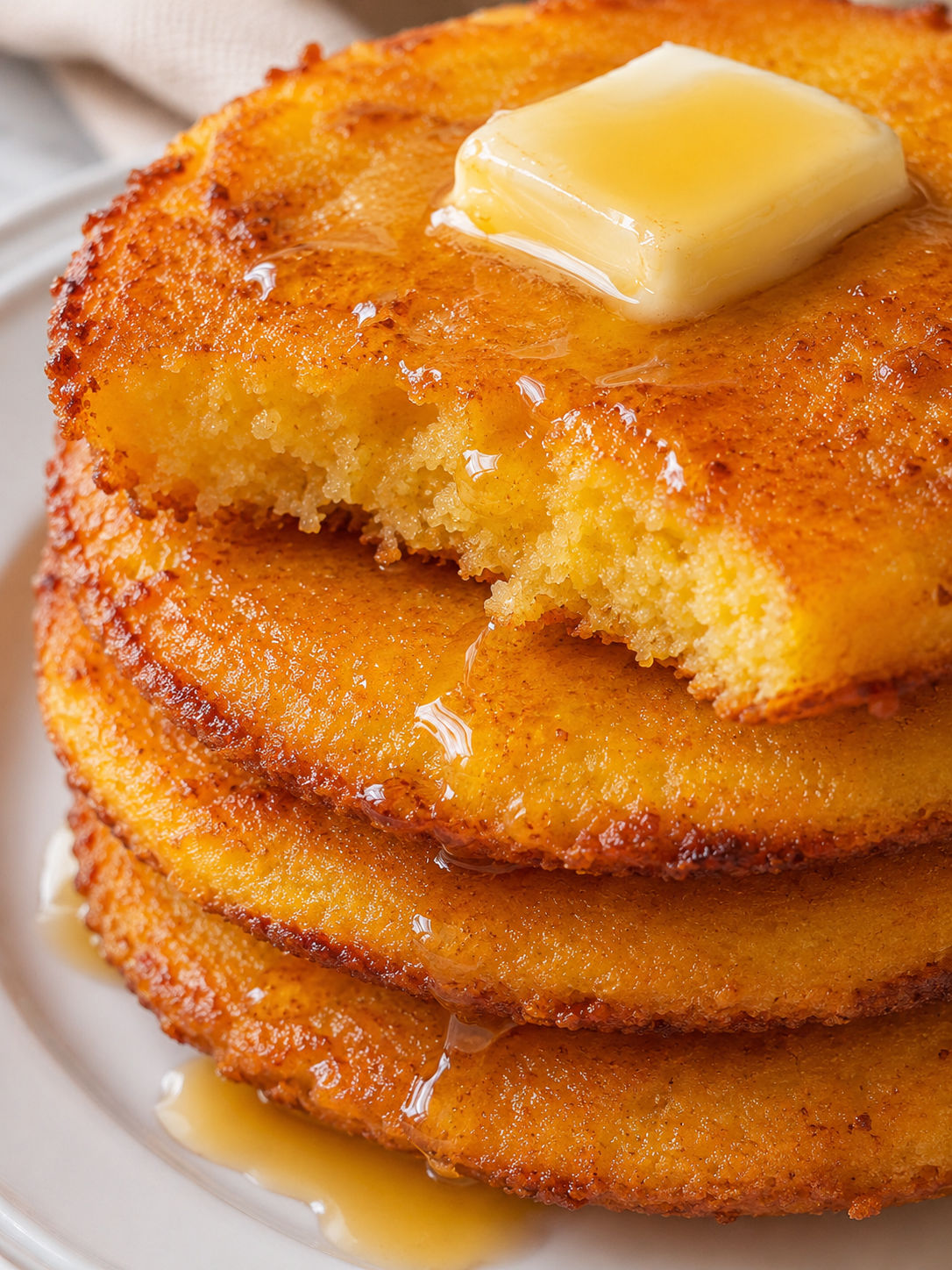
There is something deeply satisfying about pulling a batch of fried cornbread from a hot skillet. The edges crackle when you bite them, and the center stays soft and warm, like a cross between a pancake and a piece of traditional cornbread. I make these when I need a quick bread side that does not require turning on the oven.
Known as hoecakes in much of the South, these cornmeal cakes fry up fast in whatever fat you have on hand. They are just as happy next to a bowl of chili as they are on a breakfast plate with a drizzle of honey. The ingredient list is short, and the whole process takes about half an hour from pantry to plate.
What goes into the skillet
Quality cornmeal matters here because it carries the whole flavor. Look for stone-ground if you can find it, but a standard fine cornmeal still fries up crisp and golden. The rest is likely already in your kitchen.
- Yellow cornmeal. This is the backbone of the cake, giving real corn flavor and that signature gritty texture.
- All-purpose flour. It binds the batter so the cakes hold together instead of crumbling in the pan.
- Buttermilk. The tang is classic, and it reacts with the baking powder to keep the interior tender.
- Egg. One egg adds structure so the hoecakes do not fall apart when you flip them.
- Bacon grease or oil. Frying fat creates the crackly crust. Bacon grease adds a smoky depth, but vegetable oil works fine.
- Baking powder. A little lift prevents dense, flat cakes.
- Sugar. Just one tablespoon balances the savory corn without making the cakes sweet.
How to fry the batter
- Mix the dry base. Whisk the cornmeal, flour, baking powder, salt, and sugar in a bowl until no streaks remain.
- Add the wet ingredients. Stir in the buttermilk, egg, and one tablespoon of melted bacon grease or oil until a thick batter forms.
- Rest the batter. Let it sit for ten minutes so the cornmeal hydrates. The cakes will cook more evenly and taste less raw inside.
- Heat the skillet. Pour a thin layer of oil or bacon grease into a cast-iron skillet over medium heat. Wait until it shimmers.
- Drop and flatten. Spoon two to three tablespoons of batter per cake into the pan. Gently flatten with the back of the spoon.
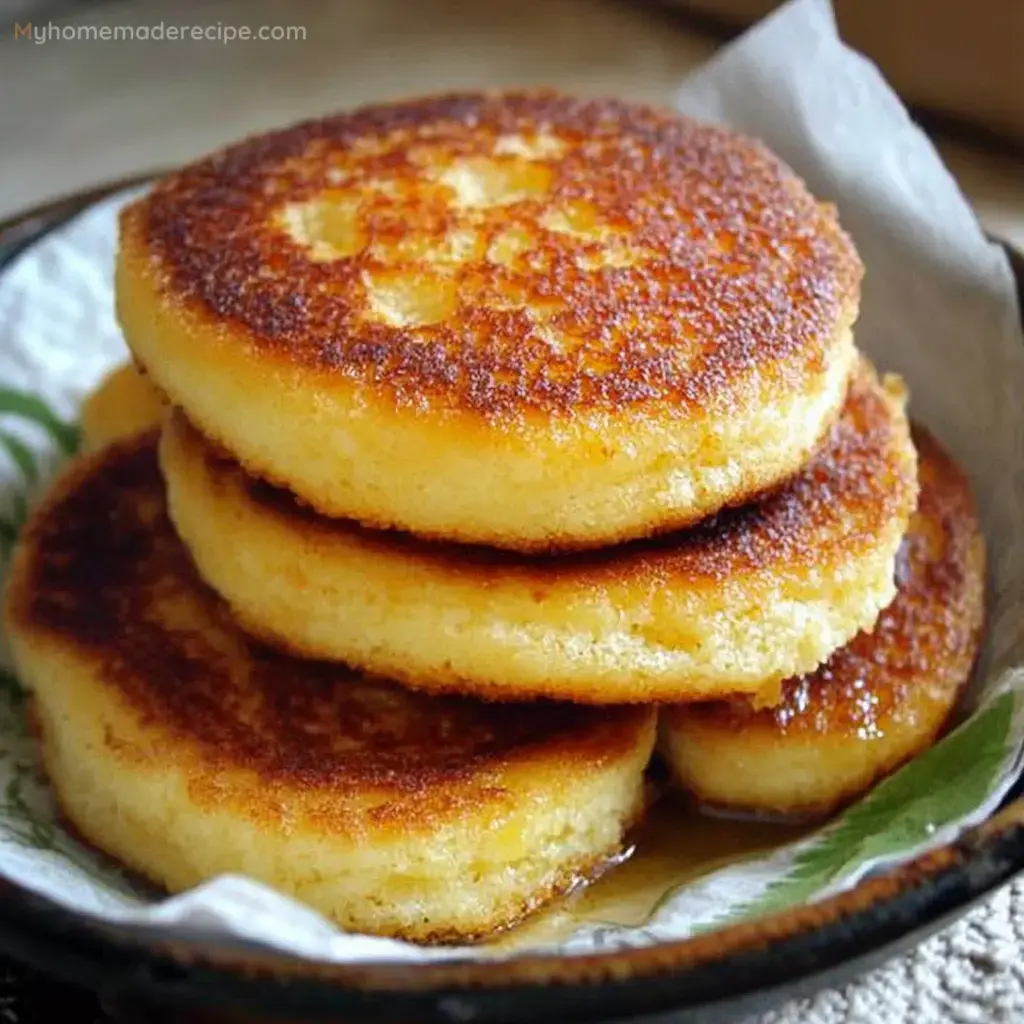
- Fry until golden. Cook two to three minutes per side until the edges are crisp and the center feels set when lightly pressed. Drain on paper towels.
The secret to crispy edges
The difference between a pale soft cake and a true hoecake is the temperature of the skillet. If the pan is not hot enough, the batter absorbs oil and turns greasy instead of crisp. Let the fat get to the shimmering point before the first spoonful goes in. Work in batches and do not crowd the pan, or steam will soften the crust you are trying to build.
Swaps that still work
No buttermilk? Pour one cup of whole milk and stir in one tablespoon of lemon juice or white vinegar. Let it sit five minutes. You can replace the all-purpose flour with self-rising flour and simply omit the baking powder and salt. For a little heat, fold in chopped jalapeños or shredded pepper jack. If you like that idea, our Hatch Chile Cheese Cornbread takes the same direction into deeper flavor.
What to serve them with
Fried cornbread is a natural partner to anything saucy. Stack them next to slow-cooked collard greens or use them to soak up the gravy from Country Fried Pork Chops with Bacon Gravy. They also work alongside Classic Southern Chicken Fried Steak or a simple pot of beans. For a lighter meal, serve warm with a pat of butter and a drizzle of honey. If you want a baked alternative for the same table, try our Grandmother's Buttermilk Cornbread.
Where hoecakes come from
These skillet cakes have been part of Southern cooking for centuries. Early versions were cooked on a hoe over an open fire, which is where the name comes from. Today they remain a staple of the Southern table. The Southern Foodways Alliance documents the history of cornbread traditions across the region.
Storing and reheating leftovers
Leftover hoecakes keep in an airtight container in the refrigerator for up to three days. They also freeze well for about one month if you separate layers with parchment paper. The microwave will turn them soft and rubbery, so avoid it.
FAQs
- Can I use regular milk instead of buttermilk?
Yes. Stir one tablespoon of lemon juice or white vinegar into one cup of whole milk and let it sit for five minutes. The acidity helps tenderize the batter much like real buttermilk does.
- Why are my hoecakes falling apart?
The batter may be too wet or too dry. It should be thick but still spoonable, similar to pancake batter. Also make sure you let them cook long enough on the first side before flipping so a crust forms.
- Can I make the batter ahead of time?
You can mix the batter up to one day ahead and store it covered in the refrigerator. Give it a gentle stir before frying, and add a splash of milk if it has thickened too much.
- What oil is best for frying cornbread?
Bacon grease is the traditional choice for smoky flavor, but vegetable oil, canola oil, or melted shortening all work well. Choose a neutral oil with a high smoke point.
- Are hoecakes the same as johnnycakes?
They are close cousins. Johnnycakes are usually thinner and crispier, often made with little or no flour, while hoecakes are thicker and softer inside with a more substantial crust.
- How do I store and reheat leftovers?
Refrigerate in an airtight container for up to three days. Reheat in a dry skillet over medium heat or in a toaster oven at 350 degrees F until the edges crisp back up.
- Can I add cheese or jalapeños to the batter?
Absolutely. Fold in up to half a cup of shredded cheddar or a few tablespoons of minced pickled jalapeños after mixing the wet and dry ingredients. Do not overmix.
- Is fried cornbread gluten-free?
Not as written, because all-purpose flour contains gluten. You can experiment with a gluten-free all-purpose blend, though the texture may be slightly more delicate.
