 Pin it
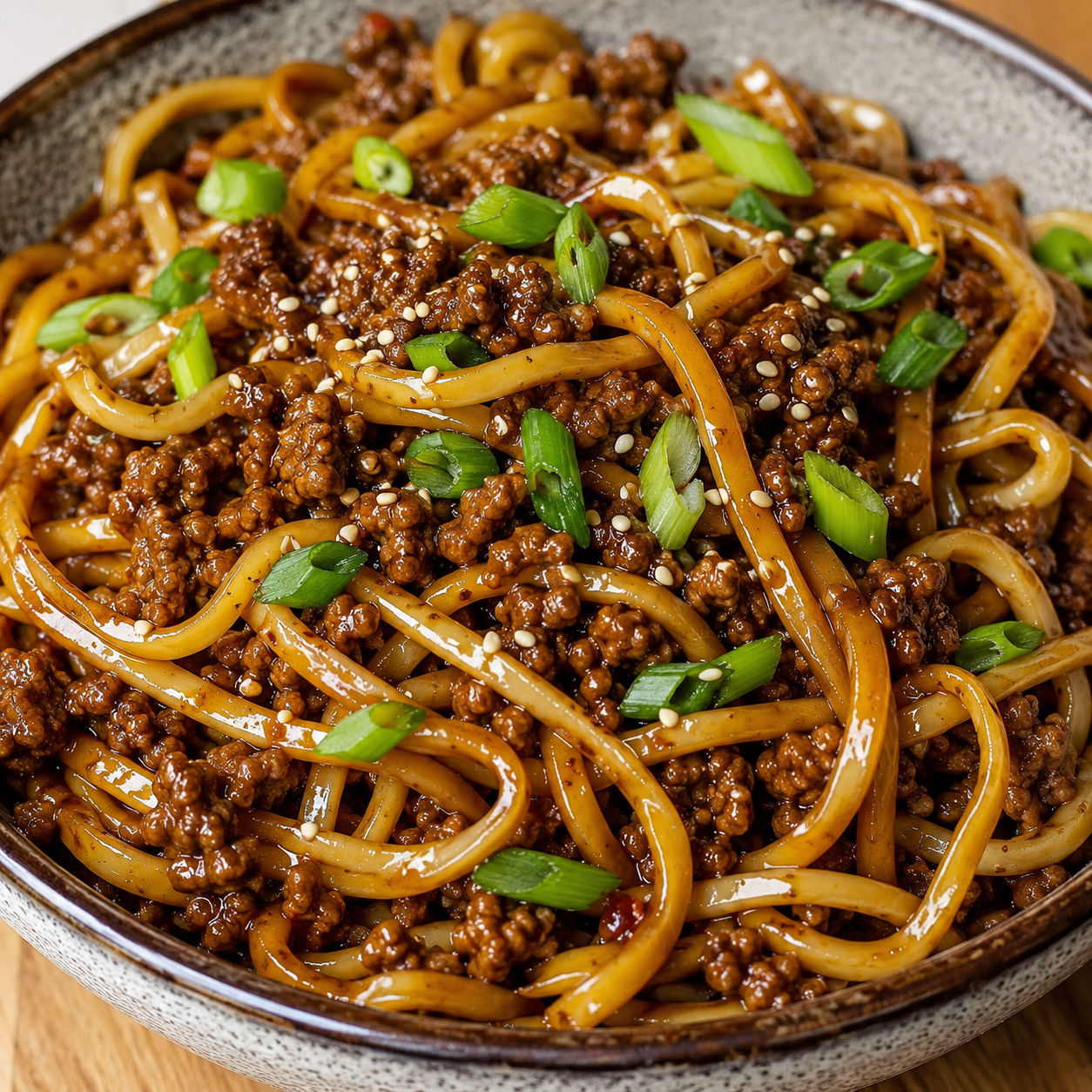
Easy Mongolian Ground Beef Noodles with Hoisin and Soy Sauce is the kind of dinner that feels like takeout but cooks in one skillet while the noodles boil. The sauce is sweet, salty, garlicky, and thick enough to cling to every strand.
I like this with linguine because it has bite and holds the beef well, but spaghetti or lo mein noodles work too. The main thing is to keep the sauce bubbling just long enough to turn shiny, not dry.
The saucy noodle lineup
This recipe depends on a few strong pantry ingredients, so use low sodium soy sauce and a hoisin sauce you already like. Fresh ginger and garlic make the sauce taste brighter than powdered versions.
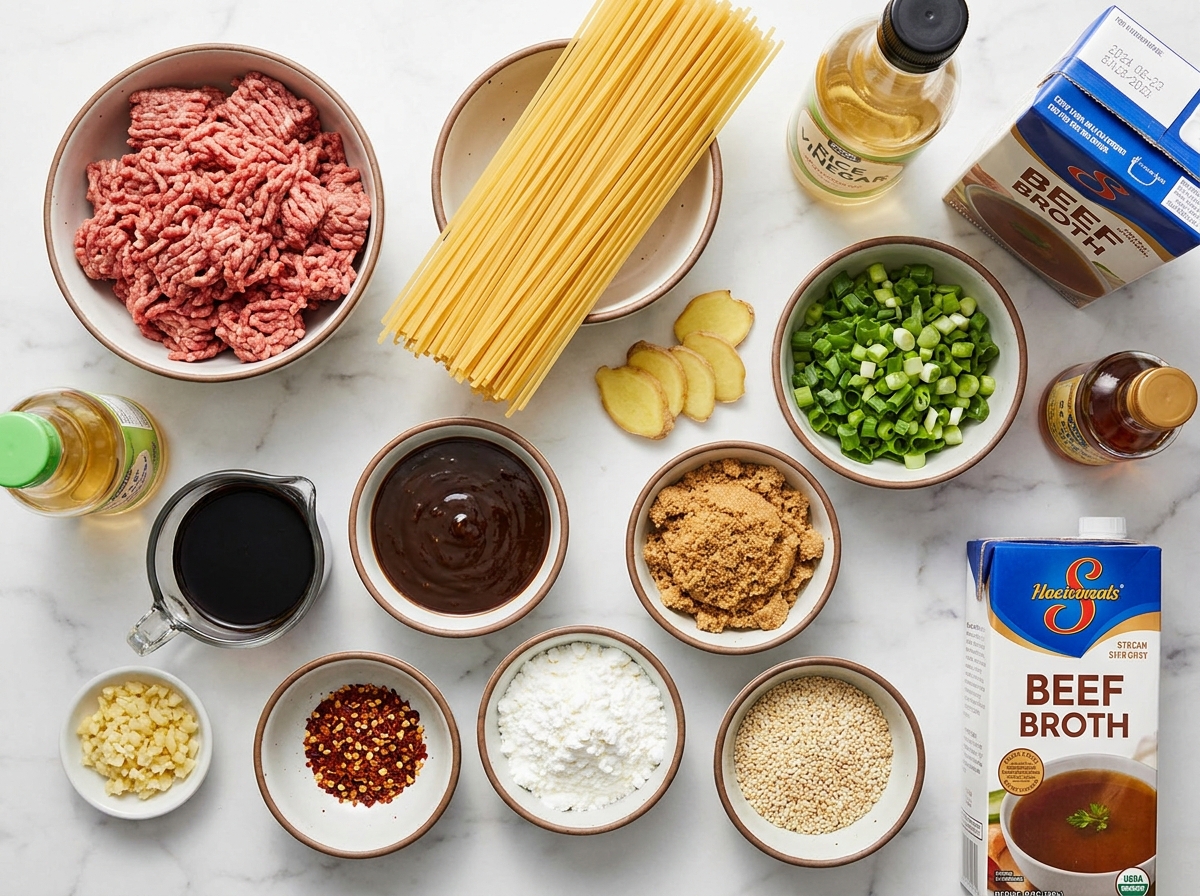
- Ground beef. Gives the noodles a rich, savory base and breaks into small crumbles that catch the sauce.
- Linguine noodles. Hold their shape and give the dish a chewy bite that works well with the sticky glaze.
- Fresh garlic. Adds warmth and sharpness right at the start of cooking.
- Fresh ginger. Cuts through the richness and gives the beef a clean, peppery lift.
- Low sodium soy sauce. Brings salt and deep umami without taking over the whole pan.
- Hoisin sauce. Adds body, sweetness, and a glossy finish.
- Beef broth. Loosens the sauce so it can coat the noodles instead of sitting in clumps.
- Brown sugar. Rounds out the salty soy sauce and helps the glaze thicken.
- Rice vinegar. Adds a small hit of brightness that keeps the sauce from tasting flat.
- Green onions and sesame seeds. Finish the bowl with crunch, color, and a nutty edge.
Hoisin soy sauce noodle method
- Boil the noodles. Cook the linguine in salted water until just al dente, then save a little cooking water before draining.
- Brown the beef. Cook the ground beef in a large skillet, breaking it into small crumbles so every bite gets coated later.
- Add aromatics. Stir in garlic and ginger for about 1 minute until fragrant. Keep them moving so the garlic does not scorch.
- Whisk the glaze. Mix soy sauce, hoisin, broth, brown sugar, vinegar, sesame oil, red pepper flakes, and cornstarch until smooth.
- Simmer until glossy. Pour the sauce into the beef and let it bubble for 2-3 minutes. It should look shiny and lightly thickened.
- Toss and finish. Add the noodles and toss over low heat until coated. Use a splash of noodle water if the sauce tightens too much, then finish with green onions and sesame seeds.
Why the glaze works
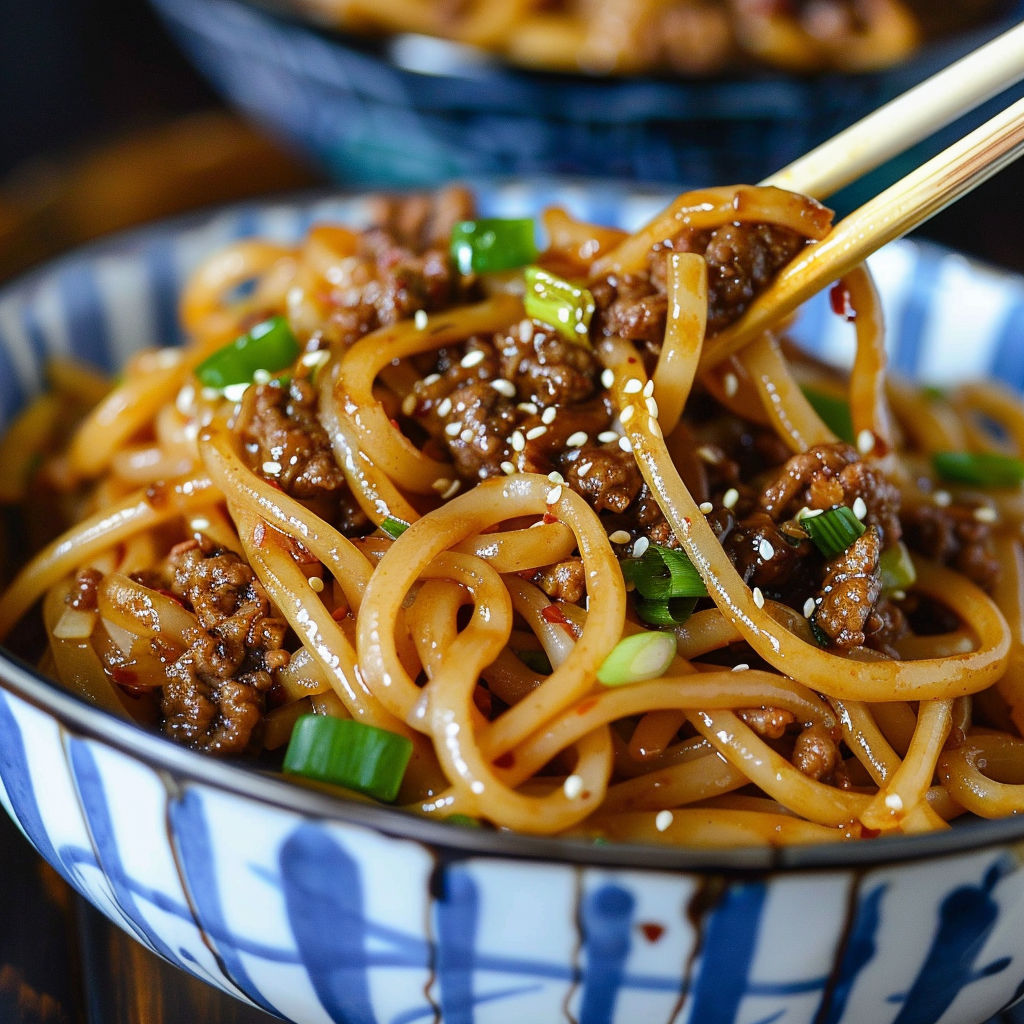
The sauce thickens because hoisin already has body, and a small spoonful of cornstarch helps it cling to the beef and noodles. Let it bubble before adding the pasta. If you add the noodles too early, they drink up the thin sauce before it has a chance to turn glossy.
Keep the heat at a steady simmer once the sauce goes in. A hard boil can make the edges taste too salty. A gentle bubble gives you that sticky noodle coating without drying out the beef. For another quick beef dinner with a similar sweet-savory pull, try Quick Hoisin Beef Noodles.
Browning makes the beef better
Ground beef needs a little time in the skillet before the sauce joins in. Spread it out, let it sit for a minute, then break it up. Those browned bits give the sauce more depth. If the pan is crowded with liquid right away, the beef steams and tastes flat.
Use 85 or 90 percent lean beef if you can. It has enough fat for flavor without leaving the noodles greasy. If you see more than a tablespoon or two of rendered fat, spoon some off before adding the garlic. Ground beef should be cooked to 160°F for food safety, according to the FoodSafety.gov temperature chart.
Easy swaps that fit
This bowl is flexible. Swap linguine for spaghetti, ramen noodles, rice noodles, or lo mein. If you use rice noodles, rinse them after cooking and toss gently so they do not break. Ground chicken, pork, or turkey can replace the beef, but the sauce will taste lighter.
Vegetables are welcome too. Stir-fry bell peppers, broccoli, or shredded cabbage after browning the beef, then add the sauce once they are crisp-tender. If you like this style of quick skillet meal, Quick Ground Beef and Broccoli Stir Fry and Healthy Chinese Ground Beef and Cabbage Stir Fry with Ginger are good next cooks.
Serving and leftovers
Serve the noodles right away while the sauce is loose and shiny. I like a bowl of cucumber salad, steamed broccoli, or quick sautéed snap peas on the side. A soft-boiled egg also works if you want the bowl to feel more filling.
Leftovers keep well for 3 days in an airtight container. The noodles will absorb sauce as they sit, so reheat them with a splash of water or broth. Warm gently and stir often. If you want a slower, richer version of the same flavor family, Slow Cooker Mongolian Beef is a good weekend option.
Summary
Serve these noodles hot with green onions, sesame seeds, and a crisp vegetable on the side.
FAQs
- Can I use spaghetti instead of linguine?
Yes. Spaghetti, lo mein noodles, or fettuccine all work. Cook them just to al dente so they do not turn soft when tossed with the hot beef sauce.
- Can I make this with ground turkey?
Ground turkey works well, but it is leaner than beef. Add an extra teaspoon of sesame oil or neutral oil while browning so the sauce still tastes rich.
- How do I keep the noodles from getting too salty?
Use low sodium soy sauce and low sodium broth if you can. If your sauce tastes strong, add a splash of noodle water and a small squeeze of rice vinegar to loosen and balance it.
- Can I make Mongolian ground beef noodles ahead?
You can cook the beef sauce up to 2 days ahead and refrigerate it. Boil the noodles fresh, then rewarm the sauce in a skillet and toss everything together right before serving.
- What vegetables can I add?
Thin bell pepper strips, snap peas, shredded carrots, broccoli florets, or cabbage all fit. Cook firmer vegetables before adding the sauce so they are tender but still bright.
- How should I reheat leftovers?
Reheat leftovers in a skillet over medium-low heat with a splash of water or broth. Stir often until the noodles loosen and the sauce turns glossy again.
