 Pin it
A good bread bowl should do two jobs. It needs to taste like real bread, and it needs to hold hot soup without turning into paste after five minutes.
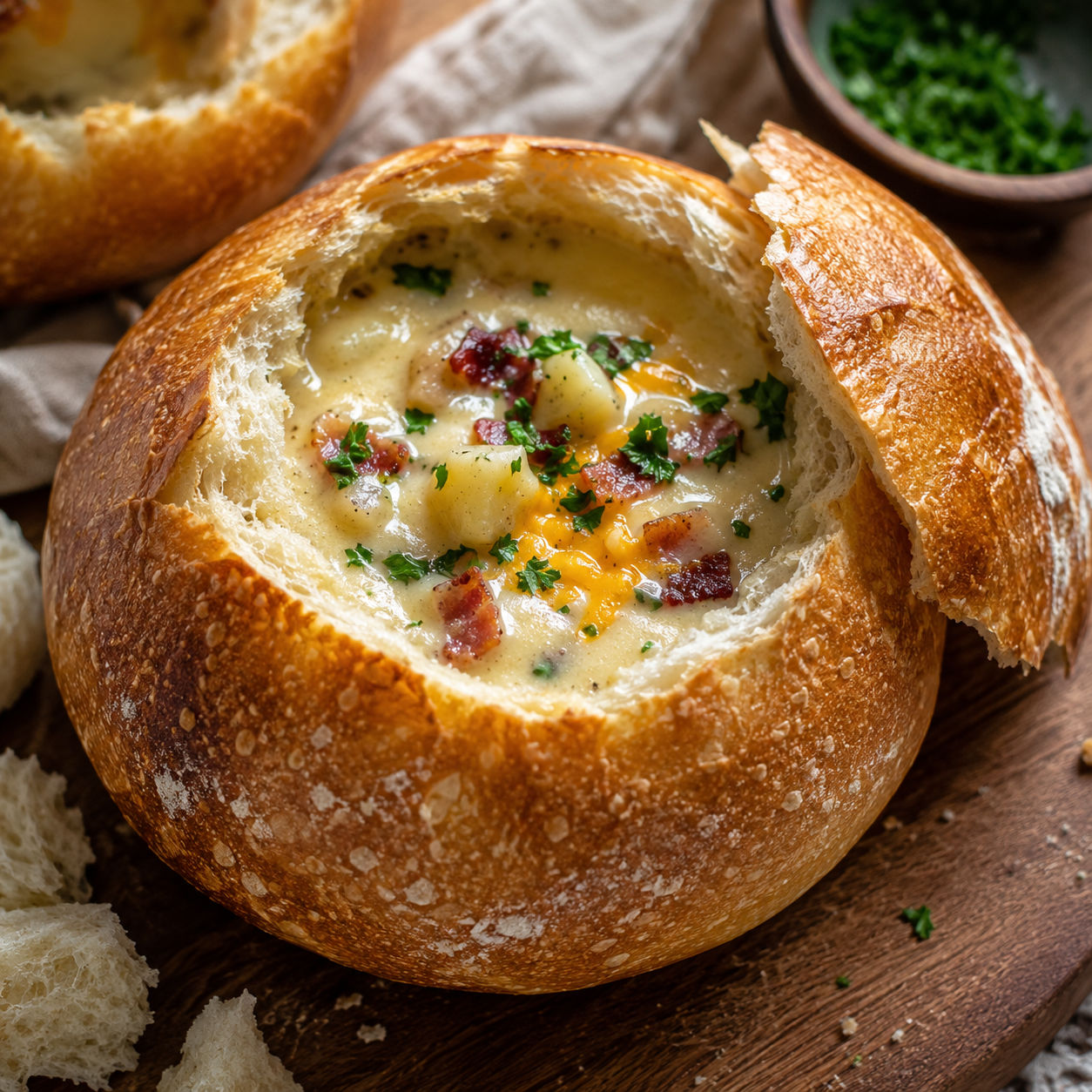
This homemade crusty bread bowls recipe for soup uses bread flour, yeast, olive oil, and a hot oven to make round loaves with chewy crusts and tender centers. I like them best with thick soups, especially potato soup, broccoli cheddar, chili, and creamy chicken soup.
Soup Night Bread Bowl Basics
The ingredient list is short, so the flour and yeast matter. Bread flour gives the bowls their chew, while fresh yeast gives you a steady rise and a lighter inside.
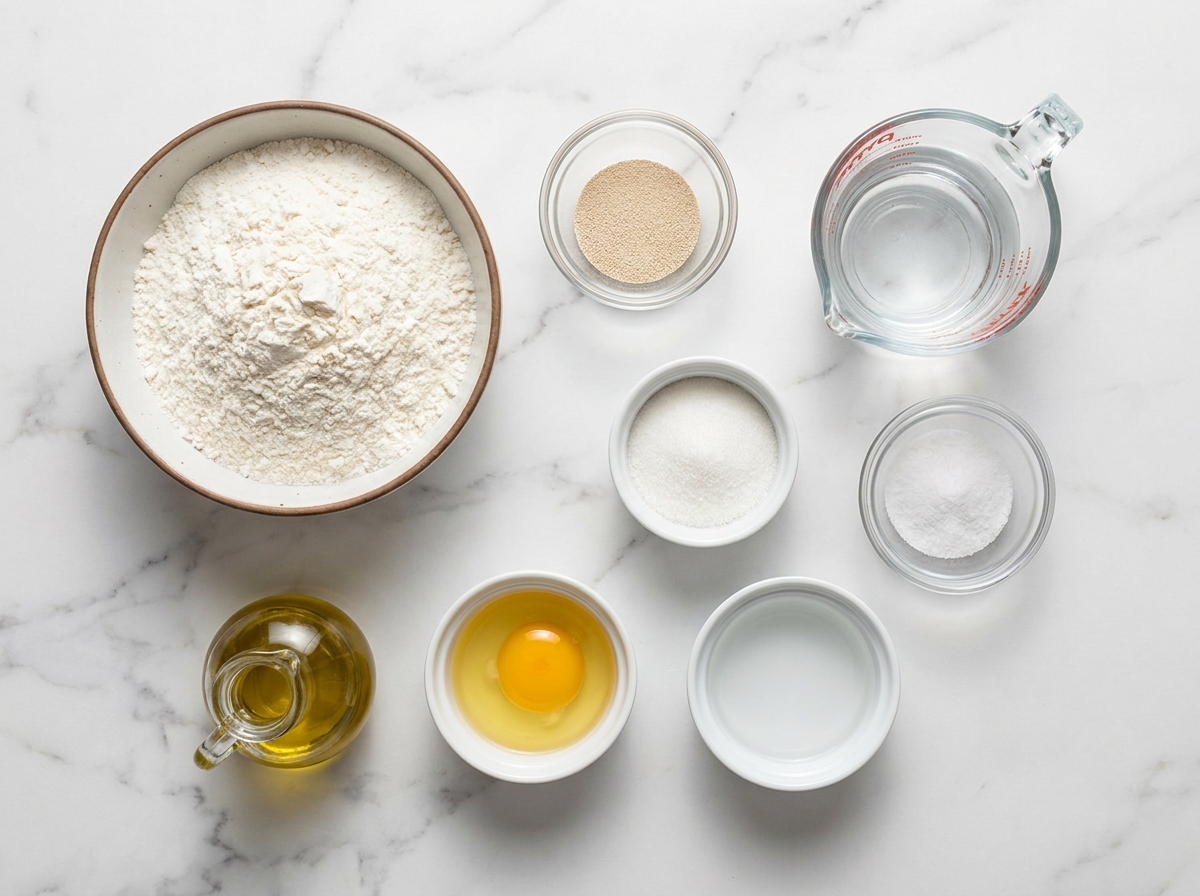
- Bread flour. Builds a stronger dough than all-purpose flour, which helps the bowls keep their shape.
- Active dry yeast. Lifts the dough and creates the airy center you will later hollow out.
- Warm water. Wakes up the yeast. Aim for warm bathwater, not hot water.
- Sugar. Feeds the yeast and helps the crust brown.
- Fine salt. Makes the bread taste full instead of flat.
- Olive oil. Keeps the crumb tender and adds a light savory flavor.
- Egg wash. Gives the tops a deep golden color and a little extra shine.
Homemade Crusty Bread Bowls Method
- Wake the yeast. Stir warm water, yeast, and sugar together, then let it sit until foamy. If it stays flat after 10 minutes, start over with fresh yeast.
- Mix the dough. Add flour, salt, and olive oil, then knead until the dough is smooth and slightly tacky. It should pull away from the bowl without feeling stiff.
- Let it rise. Cover the dough and let it double in a warm spot. This usually takes about 60-90 minutes.
- Shape the bowls. Divide the dough into six pieces. Pull the edges under each piece to make tight round balls, then place them on lined baking sheets.
- Rest and score. Let the rounds puff again, brush with egg wash, and cut a shallow X on top so they open neatly in the oven.
- Bake and hollow. Bake until deeply golden, then cool before cutting a lid from each bowl and pulling out the soft center.
Shape Them Tall
The shaping step decides whether you get bowls or flat rolls. After dividing the dough, cup each piece with your hands and drag it gently against the counter until the surface tightens. That tension helps the dough rise upward in the oven. If the rounds look wrinkled, keep tucking the edges underneath until the tops look smooth.
Leave room between the rounds on the baking sheets because they spread as they rise. For a deeper bowl, do not press the dough down after shaping. If you want a basic loaf instead, use the same dough from this easy homemade bread as a guide for simpler sandwich-style baking.
Getting A Strong Crust
A bread bowl needs more crust than a dinner roll. Brush the tops with egg wash, score them, and bake until the color is a bold golden brown. Pale bread may taste fine, but it softens faster once soup goes in.
If you like an extra-crisp shell, place a small oven-safe pan on the lower rack while the oven preheats. Add a cup of hot water to that pan when the bread goes in. The steam helps the crust expand before it sets. For more yeast basics, the King Arthur Baking yeast guide is a reliable place to check yeast types and temperatures.
Best Soups To Fill Them
These bowls are made for thick, cozy fillings. Spoon in homemade potato soup, cream of chicken soup, chili, beef stew, or cheddar cauliflower soup. The thicker the soup, the longer the bowl stays sturdy.
Cut the lid into strips or cubes and serve it on the side for dipping. I also like to lightly toast the hollowed bowls for a few minutes before filling when the soup is very creamy. It firms up the inside and gives you a little more crunch at the rim.
Make Ahead And Freeze
Bread bowls are best the day they are baked, but they are still useful later. Keep cooled bowls in an airtight bag at room temperature for 2 days. To bring back the crust, warm them in a 325°F oven for 8-10 minutes.
For longer storage, freeze the baked bowls before hollowing them out. Wrap each one well, then freeze for up to 3 months. Thaw at room temperature and warm before cutting. You can also refrigerate the dough after the first rise, which is helpful when you want fresh bread bowls for dinner without starting from zero in the afternoon.
Summary
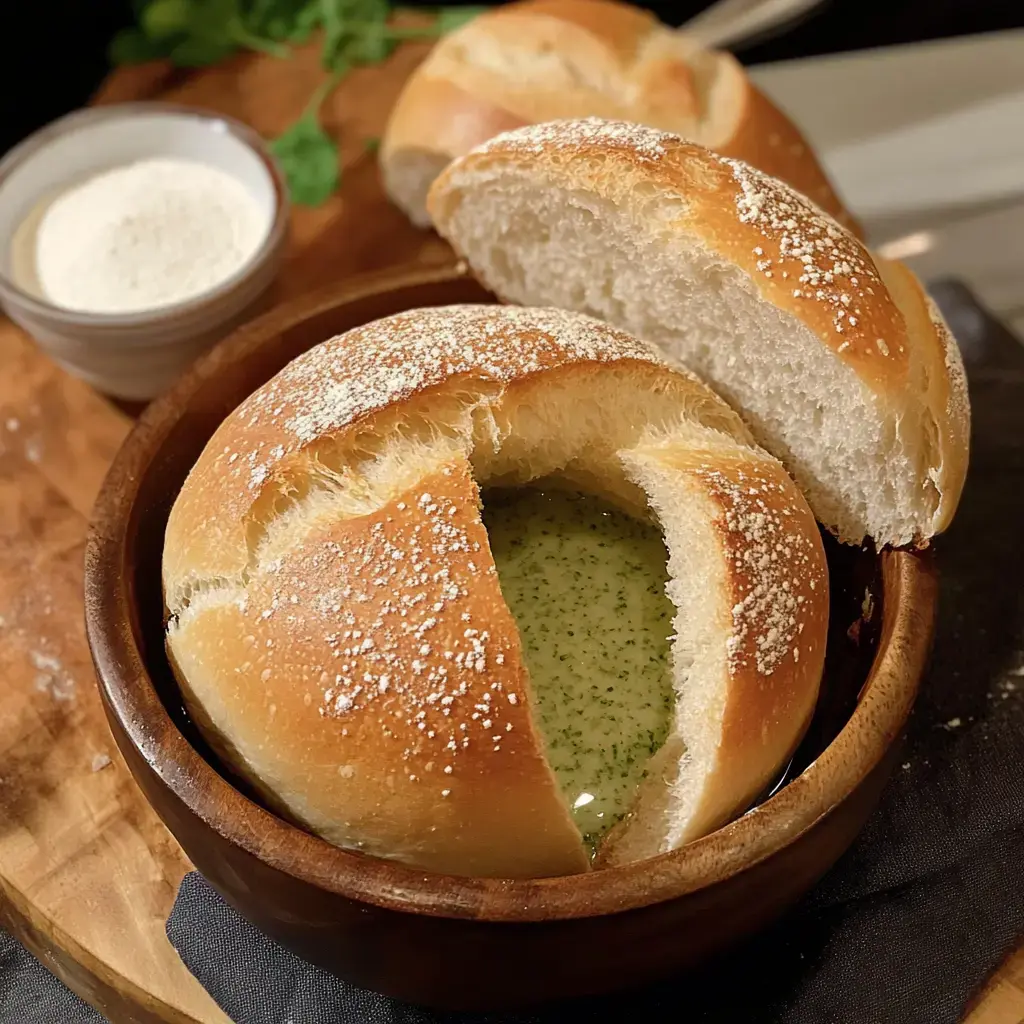
Let the bowls cool before cutting them open, then leave a thick wall and base so they can hold soup. Save the pulled bread for dipping.

FAQs
- What soup works best in bread bowls?
Thick soups work best because they soak in slowly. Try potato soup, broccoli cheddar, chili, beef stew, chowder, or cream of chicken soup. Thin broth soups can work, but serve them right away.
- Can I use all-purpose flour instead of bread flour?
Yes, but the bowls will be a little softer and less chewy. Bread flour gives the crust more strength, which helps the hollowed bowls hold soup. If you use all-purpose flour, add it gradually and stop when the dough feels soft but not wet.
- How do I stop bread bowls from getting soggy?
Cool the bread completely before cutting. Hollow out only the soft center and leave a thick wall around the sides and bottom. Toasting the hollowed bowls for 5 minutes before filling also helps.
- Can I make the dough ahead?
Yes. Let the dough rise once, punch it down, cover it tightly, and refrigerate it overnight. Shape the bowls the next day, let them puff until slightly larger, then bake.
- Can I freeze homemade bread bowls?
Yes. Freeze the baked and cooled bowls whole for up to 3 months. Thaw at room temperature, then warm them in a 325°F oven until the crust feels crisp again.
- Do I have to use the egg wash?
No. The egg wash gives the bowls a shiny, deeper golden crust. For an egg-free version, brush the tops with olive oil or plain water before baking.
