 Pin it
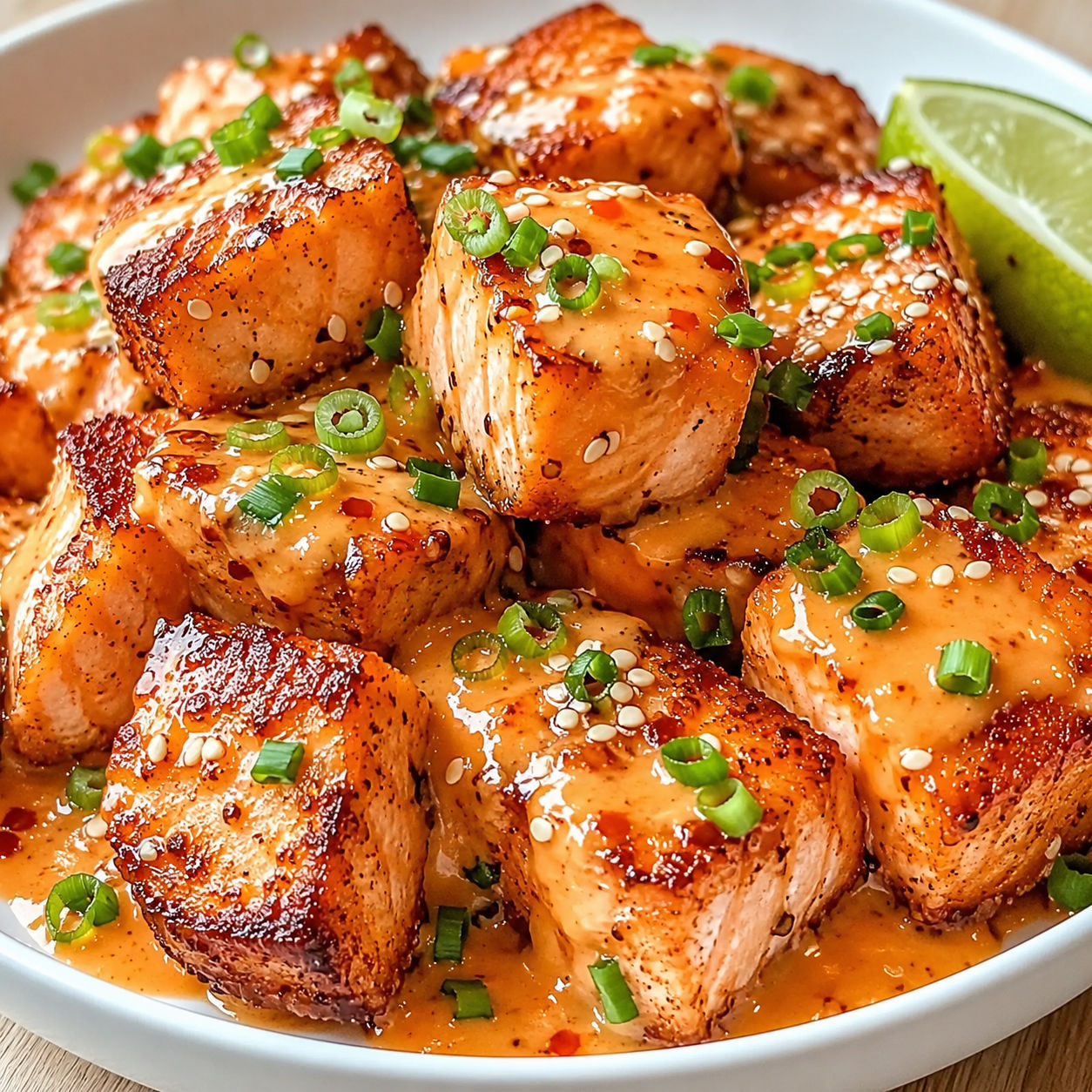
Crispy salmon bites with spicy sweet chili sauce are what I make when I want salmon to feel snackable. The pieces brown quickly in a skillet, the centers stay tender, and the sauce brings that sticky, creamy heat that makes people hover near the platter.
The key is not a heavy coating. A thin layer of cornstarch gives the salmon crisp edges without hiding the fish. Keep the pan hot, work in batches, and sauce the bites right before serving so they keep their bite.
The Salmon Bite Lineup
Use salmon that smells clean and looks moist, not dull or dry around the edges. A little cornstarch is what makes the outside crisp, while the sauce stays creamy, sweet, tangy and hot.
- Salmon fillets. Cut into even cubes so every piece cooks at the same speed.
- Cornstarch. Gives the bites a light crust without making them taste breaded.
- Garlic powder and smoked paprika. Add savory flavor and color without burning in the pan.
- Avocado oil. Handles high heat and helps the salmon brown cleanly.
- Mayonnaise. Makes the sauce creamy enough to cling to each bite.
- Thai sweet chili sauce. Brings sweetness, mild heat and glossy body.
- Sriracha. Adds the sharper chili kick.
- Lime juice. Cuts through the richness and wakes up the fish.
- Scallions and sesame seeds. Finish the platter with crunch, color and a little nutty flavor.
Crisp The Salmon Fast
- Cut and dry the fish. Slice the salmon into 1-inch cubes, then press them well with paper towels. Dry fish browns faster and breaks less.
- Season the coating. Toss the salmon with cornstarch, garlic powder, paprika, salt and pepper until the pieces look lightly dusted.
- Mix the sauce. Whisk mayonnaise, sweet chili sauce, sriracha, honey and lime juice until smooth. Taste it now, before it touches the hot salmon.
- Sear in batches. Heat the oil in a large skillet over medium-high heat. Cook the salmon in one layer for 1-2 minutes per side until golden and just cooked through.
- Sauce and garnish. Drizzle or gently toss the bites with sauce, then finish with scallions and sesame seeds. Serve right away.
Why The Coating Works
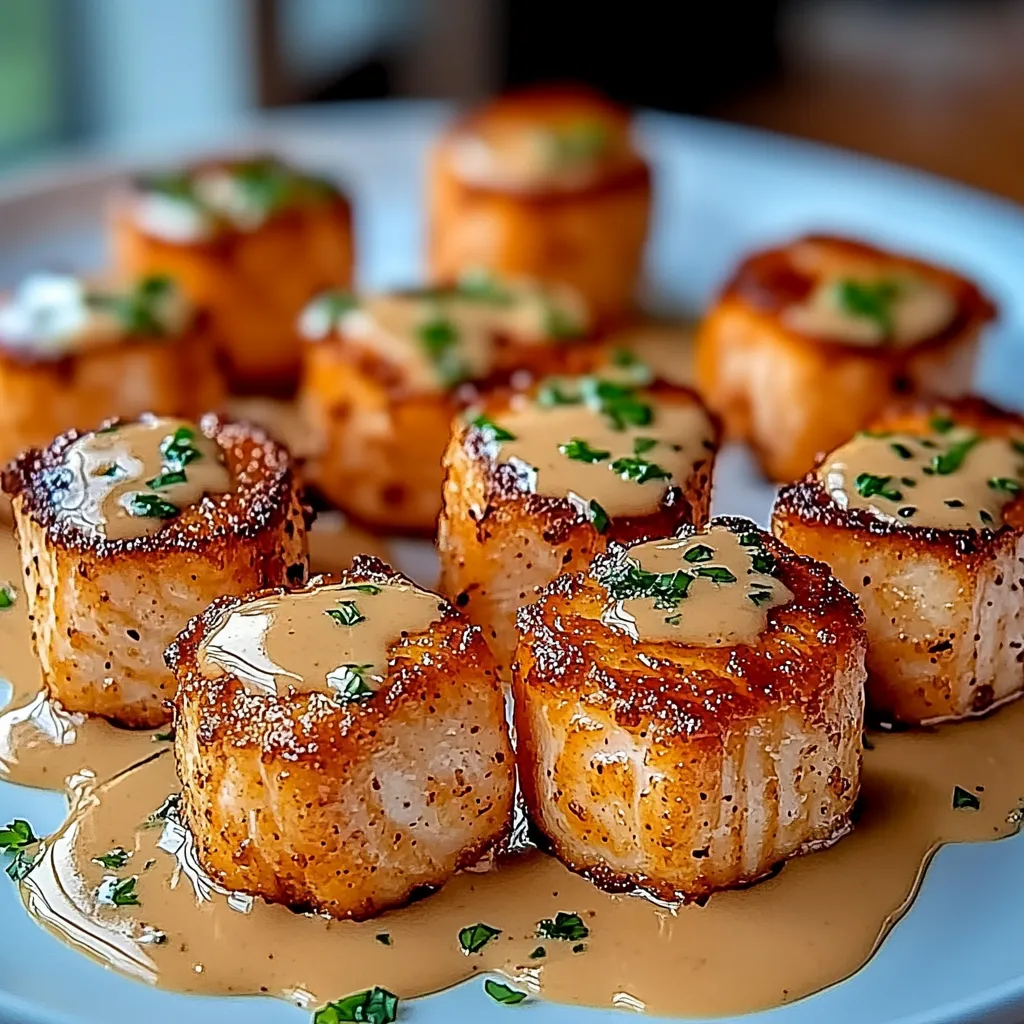
Salmon has enough natural fat that it does not need a thick batter. Cornstarch absorbs surface moisture and fries into a thin shell where it touches the hot pan. That crisp edge is the whole point, so do not toss the cubes around constantly. Let each side make contact with the skillet before turning.
If your family already likes crispy bang bang salmon bites, this version feels familiar but a little brighter because the lime stays noticeable. For a less creamy salmon option, the glaze in easy sweet chili glazed salmon is a good next dinner.
Getting The Sauce Right
The sauce should taste sweet first, then spicy, then fresh from the lime. If it tastes flat, add another squeeze of lime. If it tastes too hot, whisk in a spoonful of mayo. If it tastes too heavy, add a teaspoon of water to loosen it.
I like to drizzle most of the sauce over the platter and serve a little on the side. Tossing every piece fully coats the salmon, but it softens the crust faster. For party food, drizzle. For rice bowls, toss. Both work.
Doneness Without Dry Salmon
Small salmon cubes cook quickly. Pull them from the pan when the outside is golden and the center flakes with gentle pressure. The FDA seafood guidance recommends cooking fish to 145°F, and you can read more in the FDA seafood-safety guide. For the juiciest texture, use an instant-read thermometer and stop as soon as the pieces reach temperature.
Easy Swaps And Heat Levels
No sweet chili sauce? Use honey plus a little chili garlic sauce and rice vinegar. It will be less glossy, but the flavor lands in the same sweet-hot zone. Greek yogurt can replace half the mayonnaise if you want a tangier sauce, though it will not be quite as silky.
For a different bite-sized salmon dinner, try air fryer salmon bites with hot honey. If you want a non-salmon platter with the same crispy-with-sauce feeling, crispy fish with dipping sauce fits the same table.
Serving And Leftovers
These bites are best hot from the skillet. Serve them over rice with cucumbers and avocado, pile them into lettuce cups, or set them out with toothpicks as an appetizer. Leftovers keep for 2 days in the fridge, but store the sauce separately if you can. Reheat the salmon in an air fryer or dry skillet until warm, then spoon the sauce on after.
Summary
These crispy salmon bites are quick enough for dinner and polished enough for a party. Dry the fish well, sear it in batches, and add the spicy sweet chili sauce right before serving.
FAQs
- Can I make crispy salmon bites in the air fryer?
Yes. Air fry the seasoned salmon bites at 400°F for 7-9 minutes, shaking the basket halfway through. Spray the bites lightly with oil first so the cornstarch turns crisp instead of powdery.
- What kind of salmon works best?
Center-cut salmon fillets are easiest because they cube evenly. Atlantic salmon is rich and forgiving, while sockeye has a firmer texture and a deeper flavor. Remove the skin unless you plan to crisp it separately.
- Can I use frozen salmon?
Yes, thaw it fully in the refrigerator and pat it very dry. Frozen salmon releases extra moisture, so give it a few minutes on paper towels before seasoning.
- How spicy is the sweet chili sauce?
It has a medium, adjustable heat. Use 1 teaspoon sriracha for mild bites or 1 tablespoon for more kick. You can add extra lime or mayo if the sauce tastes too sharp.
- How do I store leftovers?
Keep leftover salmon bites and sauce in separate airtight containers for up to 2 days. Reheat the salmon in a skillet or air fryer until warm, then add the sauce after reheating.
- What should I serve with salmon bites?
Serve them with jasmine rice, cucumber salad, roasted broccoli or lettuce cups. For a party, set out toothpicks and extra sauce so they work as a warm appetizer.
