 Pin it
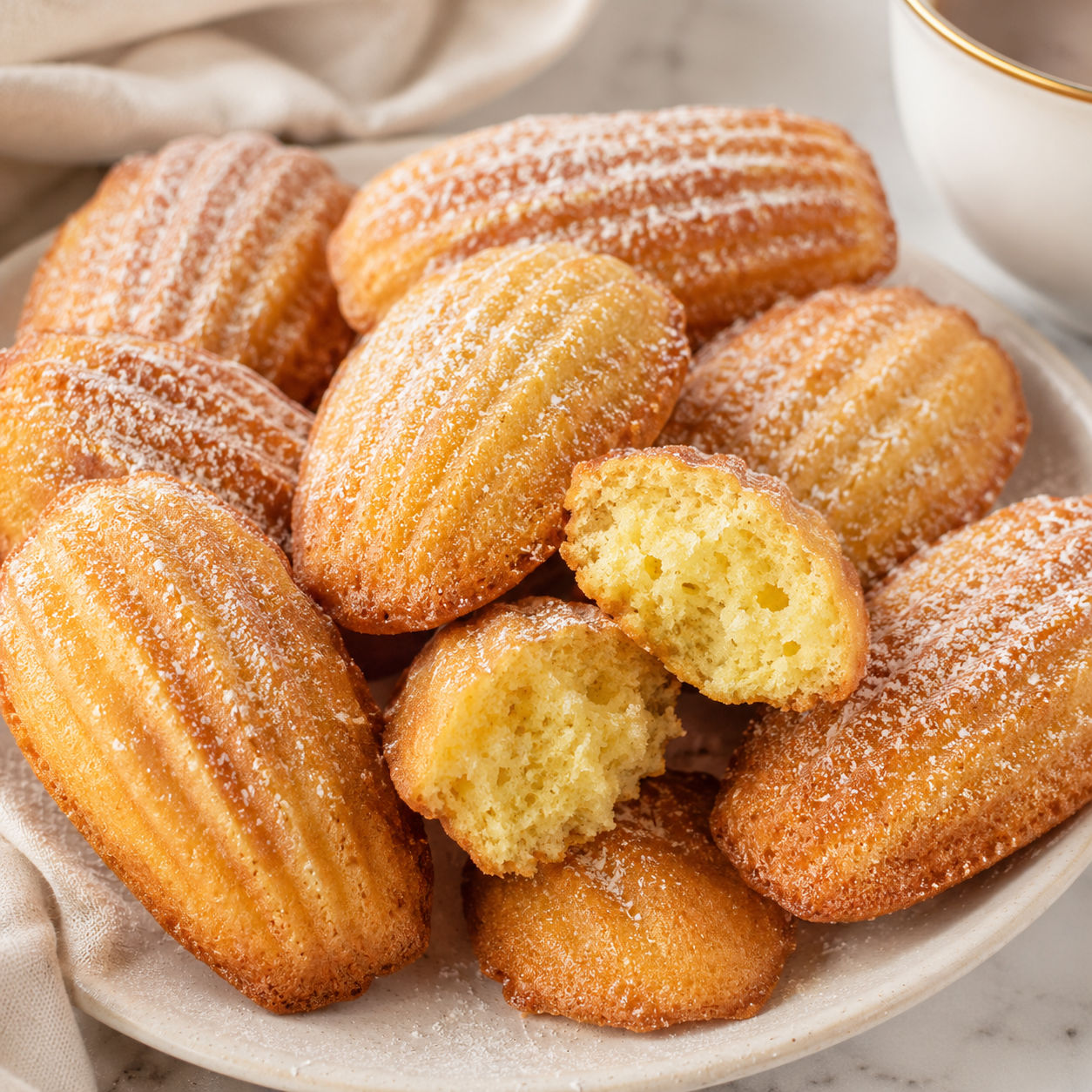
Classic French Madeleines sit somewhere between a tiny sponge cake and a cookie, which is why they disappear so fast with coffee or tea. The shell ridges turn golden, the centers stay soft, and the lemon zest makes the butter taste brighter.
The batter is simple, but the rest matters. Give it at least an hour in the fridge, butter the pan well, and bake while the batter is cold so the cakes rise into that small rounded hump.
Butter, eggs, lemon, patience
The ingredient list is short, so freshness shows. Use good butter, fresh lemon zest, and room-temperature eggs so the batter whips up light before it rests.
- Unsalted butter. Gives madeleines their rich flavor and tender crumb. Melt it early so it can cool before it meets the eggs.
- All-purpose flour. Builds enough structure for the shell shape without making the cakes heavy.
- Baking powder. Helps the batter rise into a soft center and rounded hump.
- Eggs. Whipped with sugar, they create the light sponge texture.
- Granulated sugar. Sweetens the batter and helps the edges brown.
- Honey. Adds a little moisture and a gentle floral note.
- Lemon zest. Keeps the butter flavor bright and classic.
- Vanilla. Rounds out the citrus and butter without taking over.
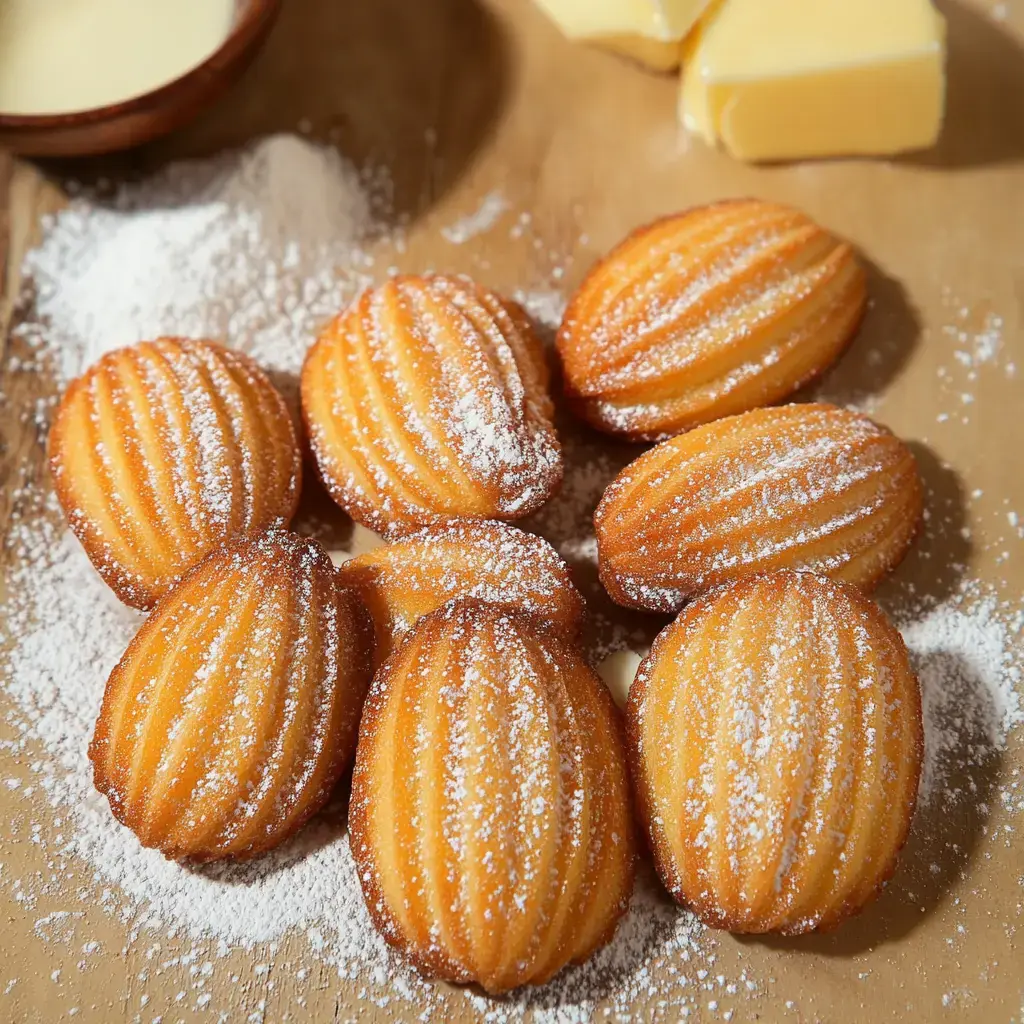
- Powdered sugar. Optional, but pretty once the cakes have cooled slightly.
The shell-pan routine
- Melt the butter. Melt it gently, then let it cool until warm but not hot. Hot butter can deflate the batter.
- Whip the eggs. Beat the eggs, sugar, honey, vanilla, and lemon zest until pale and thick. This gives the cakes their fine crumb.
- Fold the batter. Sift in the flour, baking powder, and salt, then fold in the cooled butter in two additions.
- Chill it well. Cover the bowl and refrigerate for at least 1 hour. Overnight is fine.
- Prep the pan. Brush each shell with butter, dust lightly with flour, and chill the pan while the oven heats.
- Bake and unmold. Spoon batter into the molds and bake until the edges are golden and the centers spring back.
Why Classic French Madeleines hump
The little hump comes from contrast. Cold batter hits a hot metal pan, the edges set first, and the center pushes upward as steam forms inside the cake. That is why the refrigerator rest is not just for convenience.
Resting also gives the flour time to hydrate. The batter thickens and bakes with a finer crumb. TasteAtlas notes madeleines as a traditional specialty tied to Lorraine, and the classic shape is part of the identity of the cake. You can read more background in this madeleine overview.
Pan prep matters
A madeleine pan has shallow ridges, so sticking is the fastest way to lose the best part of the cake. Brush the molds with melted butter, dust with a whisper of flour, and tap out the excess. You want a thin coating, not clumps.
Metal pans give the cleanest edges. Silicone works in a pinch, but it does not brown quite as well. If you love small French-style sweets, try these French butter cookies next. They lean crisp instead of spongy, but they hit the same buttery spot.
Flavor swaps worth baking
Lemon is the classic choice here, but orange zest is lovely. Almond extract works too, but use only a few drops because it gets loud quickly. For a deeper flavor, brown the butter until it smells nutty, then pour it into a clean bowl so it stops cooking.
For a green tea twist, the site already has matcha madeleines. For this classic version, keep the add-ins small. Big chocolate chunks or wet fruit weigh down the batter and blur the shell detail.
Serve them while warm
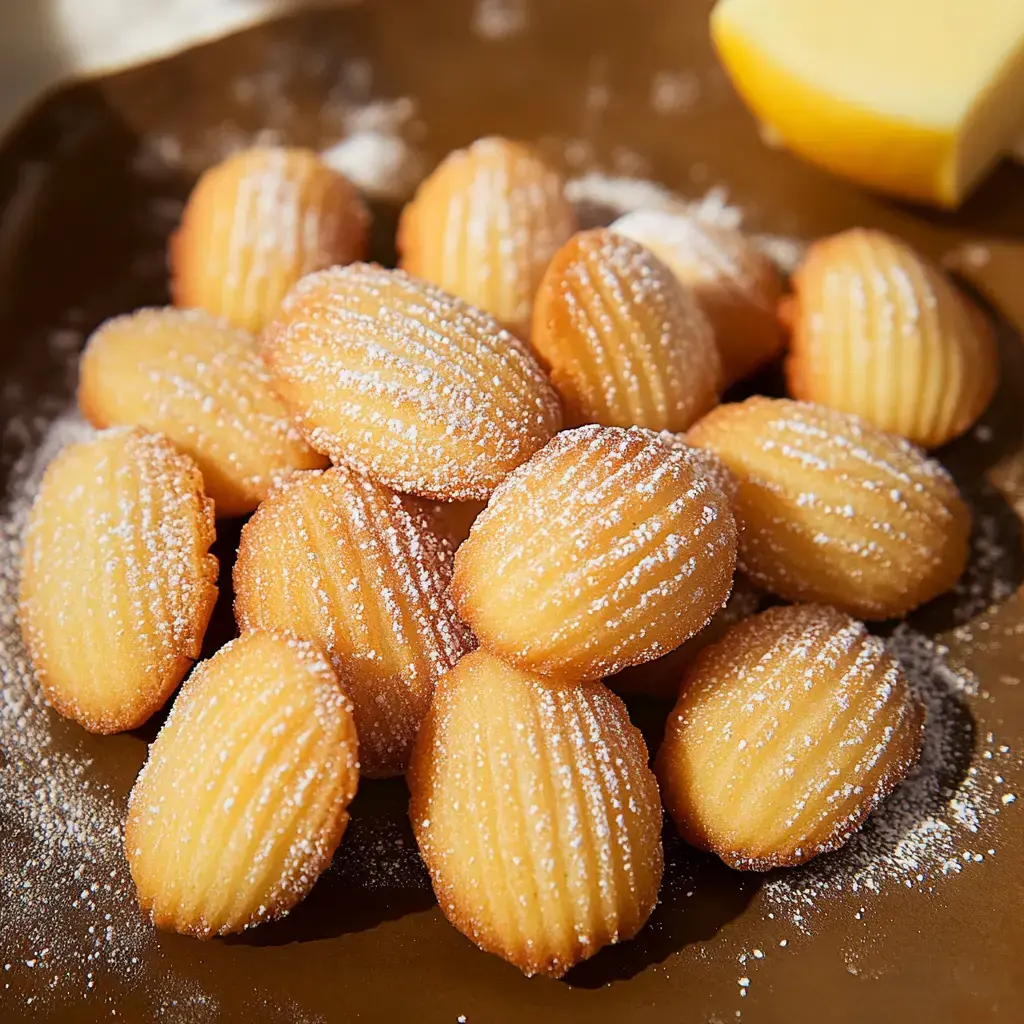
Madeleines are at their best soon after baking. Let them cool just long enough to handle, then dust with powdered sugar and serve with coffee, tea, or a small glass of milk. The edge should be faintly crisp and the center should bend softly when you break one open.
If you want a fuller French dessert plate, pair them with vanilla French beignets or keep it simple with fresh berries. The Kitchn has a helpful note on how quickly madeleines lose their crispness in this classic lemon madeleine guide.
Storage without soggy edges
Cool the cakes fully before storing, or trapped steam will soften the ridges. Keep them in an airtight container at room temperature for a day or two. If you need longer storage, freeze them without powdered sugar and rewarm gently before serving.
To refresh room-temperature madeleines, place them in a 300°F oven for 3-4 minutes. They will not taste exactly fresh-baked, but the butter wakes up and the edges regain some snap.
FAQs
- Why did my madeleines not get a hump?
The batter was probably too warm or the oven was not hot enough at the start. Chill the batter for at least 1 hour, use a metal madeleine pan, and fill the molds right before baking.
- Can I make madeleine batter ahead?
Yes. Cover the batter and refrigerate it for up to 12 hours. The flour hydrates during the rest, and the cold batter helps create a better rise.
- Do I need a madeleine pan?
For the classic shell shape, yes. You can bake the batter in a mini muffin pan, but the cakes will not have the same thin ridged edges or traditional look.
- Can I use orange zest instead of lemon?
Yes. Orange zest gives a softer citrus flavor and works beautifully with vanilla or a tiny drop of almond extract. Keep the amount the same so the batter stays balanced.
- How should I store madeleines?
Store cooled madeleines in an airtight container at room temperature for 1-2 days. They soften as they sit, so refresh them in a 300°F oven for 3-4 minutes if you want the edges back.
- Can I freeze madeleines?
Yes. Freeze them without powdered sugar in a sealed bag for up to 2 months. Thaw at room temperature, then warm briefly before serving.
