 Pin it
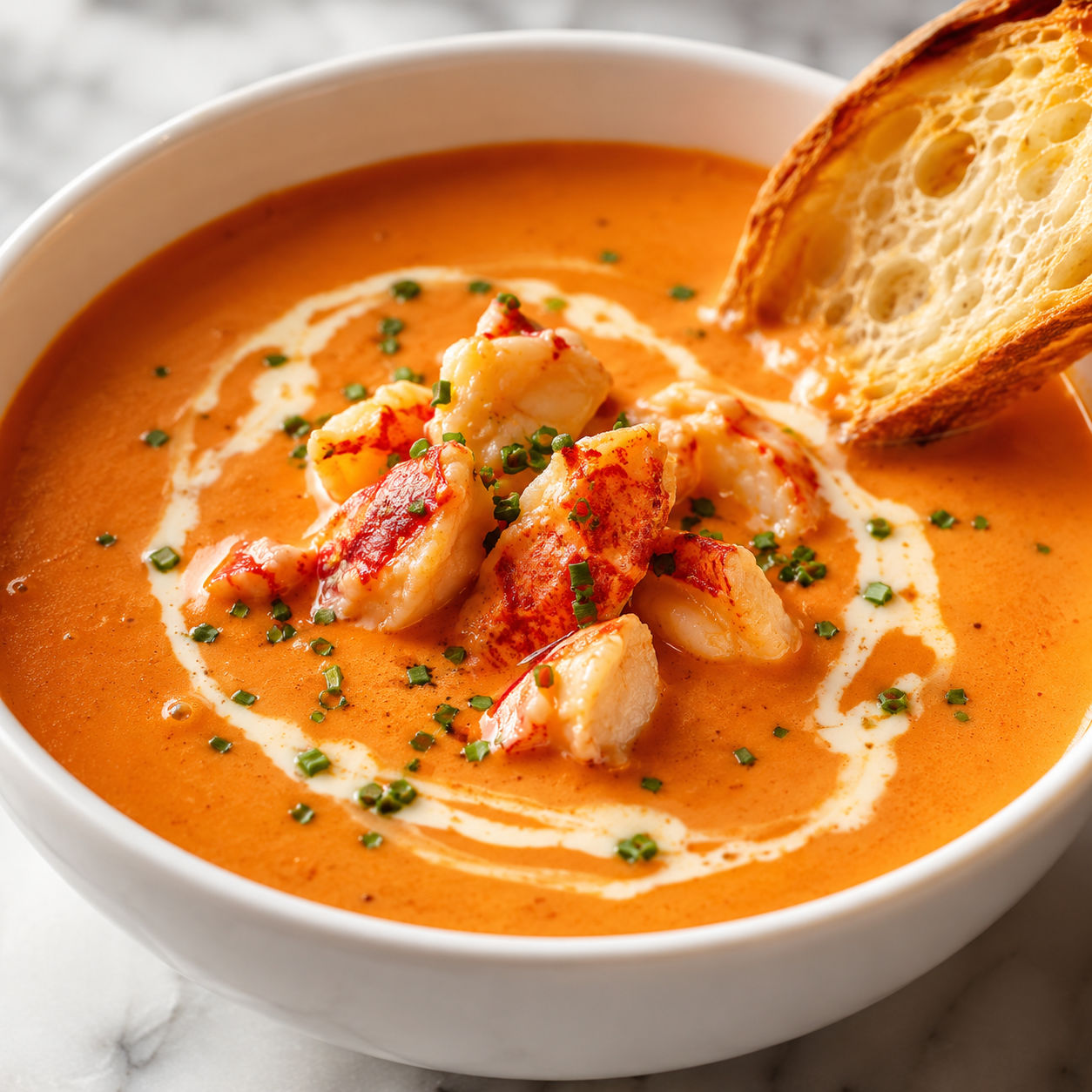
Classic French Lobster Bisque is the soup I make when I want dinner to feel quiet and special. The bowl looks fancy, but the real work is practical. You build a strong lobster stock from the shells, then finish it with cream and pieces of sweet meat.
The shells matter more than anything else. Once they hit hot butter and tomato paste, the kitchen smells briny, buttery, and almost roasted. That is the flavor you cannot get from cream alone.
The shell-rich lineup
Buy cooked whole lobsters when you can, since the shells give the soup its backbone and the meat stays easy to handle. If you use lobster tails, choose shells that smell clean and ocean-fresh, never sour or fishy.
- Lobster shells. They carry the deep seafood flavor that makes the bisque taste cooked from scratch.
- Lobster meat. It goes in at the end so it stays sweet, tender, and easy to notice in the bowl.
- Butter. It helps brown the shells and gives the base a rounded French-style richness.
- Onion, carrot, celery, and shallot. These aromatics soften into the stock and give the bisque a savory base.
- Tomato paste. A spoonful adds color, light acidity, and a roasted edge once it cooks against the pot.
- Cognac and white wine. They lift the shell flavor and keep the cream from tasting heavy.
- Rice. A small amount thickens the soup naturally after blending.
- Seafood stock and herbs. Stock, thyme, bay, and parsley stems make the simmer taste fuller without hiding the lobster.
- Heavy cream. It turns the strained base into a smooth bisque.
Classic French Lobster Bisque Method
- Prep the lobster. Remove the meat from the cooked lobsters and chill it while you work. Crack the shells into smaller pieces so they brown better.
- Brown the shells. Melt butter in a heavy pot and cook the shells until they turn fragrant and lightly toasted. This step gives the soup its real depth.
- Cook the aromatics. Add onion, carrot, celery, shallot, and garlic. Cook until the vegetables soften and pick up the shell flavor from the bottom of the pot.
- Toast the tomato paste. Stir in tomato paste and rice. Let them cook for a couple of minutes so the paste darkens slightly.
- Deglaze and simmer. Add Cognac, then white wine. Pour in seafood stock with thyme, bay, and parsley stems. Simmer gently until the rice is soft and the stock tastes rich.
- Blend and strain. Blend the soup base carefully, then strain it through a fine sieve. Press firmly to capture the flavor, but discard the shell solids.
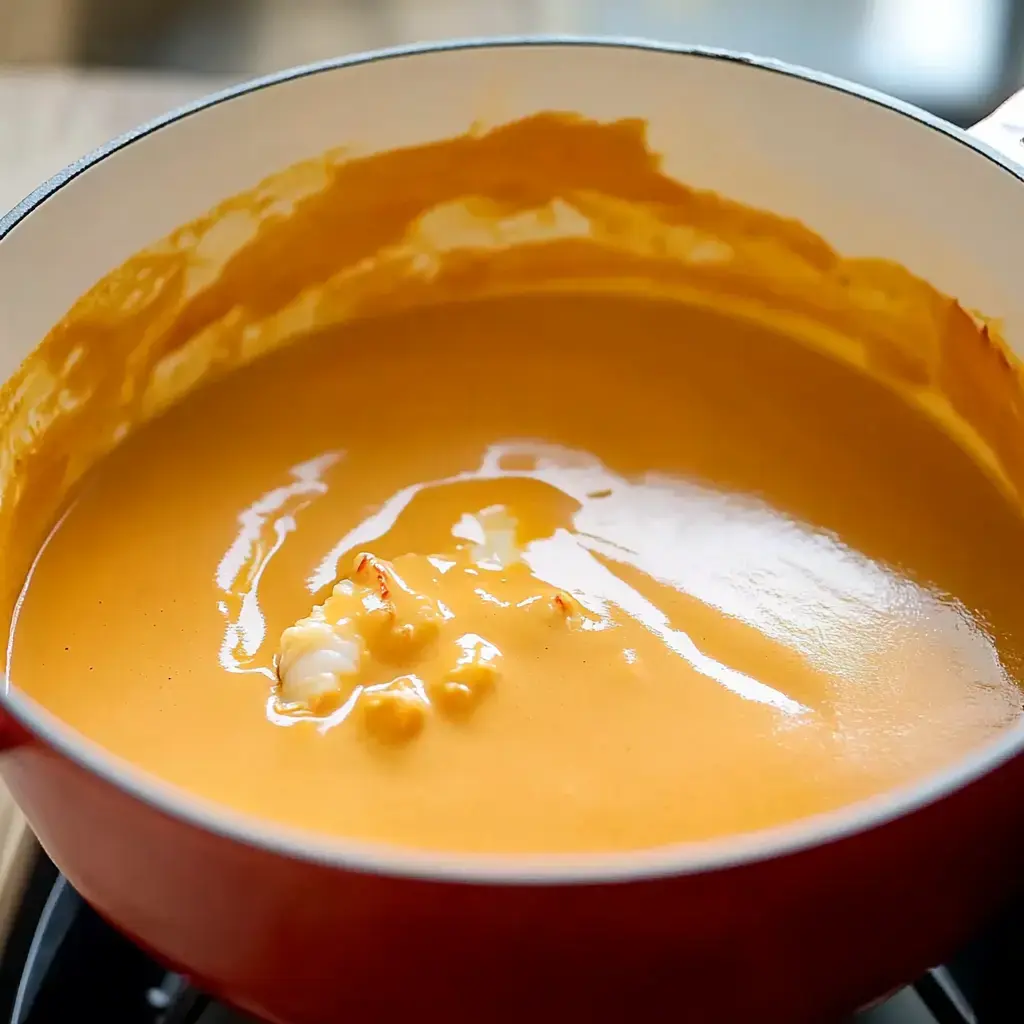
- Finish gently. Return the smooth base to low heat. Stir in cream, cayenne, and lemon juice, then season to taste.
- Add the lobster. Warm the chopped lobster meat in the bisque for just a minute or two. Ladle into bowls and finish with chives.
Browning makes the bisque
The shells need direct heat before they simmer. If they only go into liquid, the soup tastes thin and polite. In butter, the shells turn bright red and smell sweet, almost like roasted shrimp. That is when the stock starts to taste like lobster instead of seafood broth.
Do not crowd the pot too much. If the shells pile up, they steam. Work in two quick batches if your pot is narrow. This same shell-first thinking is why a good classic crab bisque has more depth than a plain cream soup.
Getting a smooth finish
Rice thickens the base, but straining is what makes it feel restaurant-smooth. Blend in short bursts so hot liquid does not splash. Then pour it through a fine sieve and press with a ladle. You want the liquid and softened aromatics, not gritty shell pieces.
If your sieve is not very fine, line it with a piece of cheesecloth. The extra minute is worth it. For a slightly more rustic seafood soup, try lobster scallop chowder, where chunks and texture belong in the bowl.
Cream goes in last
Once cream is added, keep the heat low. Boiling can make the bisque look broken and can toughen the lobster meat. I like to warm the strained base first, turn the burner down, then stir in the cream slowly.
Seafood should be handled with care. The FDA recommends cooking seafood to 145 degrees F, and their seafood safety guide is a useful reference when buying or reheating shellfish.
Smart swaps and shortcuts
Cooked lobster tails are the easiest shortcut. You can also combine lobster shells with a little crab or shrimp shell if you are short, but keep the finished garnish lobster-forward. Dry sherry is lovely instead of Cognac. A pinch of cayenne gives warmth, but it should not make the soup spicy.
If you want a fuller lobster dinner, serve small cups of bisque before Lobster Thermidor. For a cozier French menu, pair it with Chicken Chasseur Classic French and a simple salad.
Storage without toughness
The base keeps best before cream and lobster are added. Store the strained soup base in the fridge for up to two days, or freeze it for up to two months. Reheat slowly, then add cream and lobster meat just before serving.
Leftover finished bisque can be refrigerated for one day. Warm it over low heat and stir often. If it thickens too much, loosen it with a splash of seafood stock or water.
Summary
A luxurious seafood soup that combines fresh lobster meat, aromatic vegetables, and rich cream into an elegant French-style dish.

FAQs
- Can I make Classic French Lobster Bisque with lobster tails?
Yes. Tails work well if you have enough shell to build flavor. Use 4 medium tails for this recipe, simmer the shells in the stock, and dice the cooked meat for the final garnish.
- What can I use instead of Cognac?
Dry sherry, brandy, or a dry white wine all work. If you avoid alcohol, skip it and add an extra splash of seafood stock with a few drops of lemon juice near the end.
- Why is rice used in lobster bisque?
Rice gently thickens the soup without making it pasty. Once blended with the aromatics, it gives the bisque body while still letting the lobster flavor stay clean.
- Can I make lobster bisque ahead?
You can make the strained base one day ahead and refrigerate it. Add the cream and lobster meat when reheating so the texture stays smooth and the meat does not toughen.
- How do I keep the cream from splitting?
Lower the heat before adding cream and do not let the bisque boil after that point. A gentle steam is enough to warm the soup and keep it velvety.
- What should I serve with lobster bisque?
Serve small bowls with toasted baguette, a crisp green salad, or a simple seafood main. It also works as a starter before roast chicken, steak, or a holiday seafood dinner.
