 Pin it
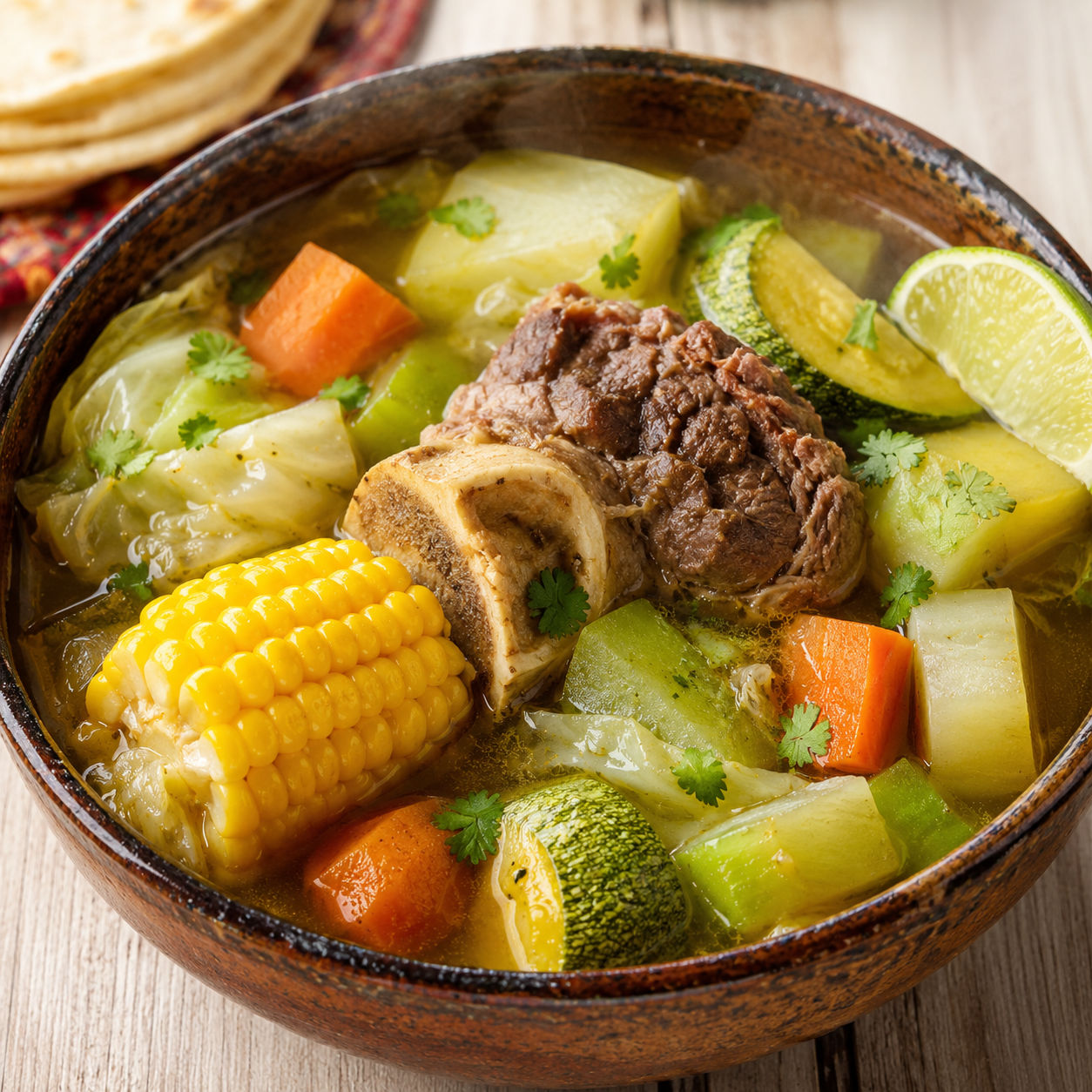
Traditional Mexican Caldo de Res (Beef Soup) is the kind of pot that makes the kitchen smell settled and generous. The broth starts with bone-in beef shank and marrow bones, then the vegetables go in by timing, not all at once.
I like this soup because it is hearty without feeling heavy. You get tender beef, sweet corn, soft potatoes, bright squash, cabbage that still has some life, and a broth that tastes clean enough for a squeeze of lime to matter.
What gives caldo its body
The best caldo starts with beef that has bone attached. Look for shank slices with visible marrow, firm vegetables, fresh cilantro, and corn that still smells sweet.
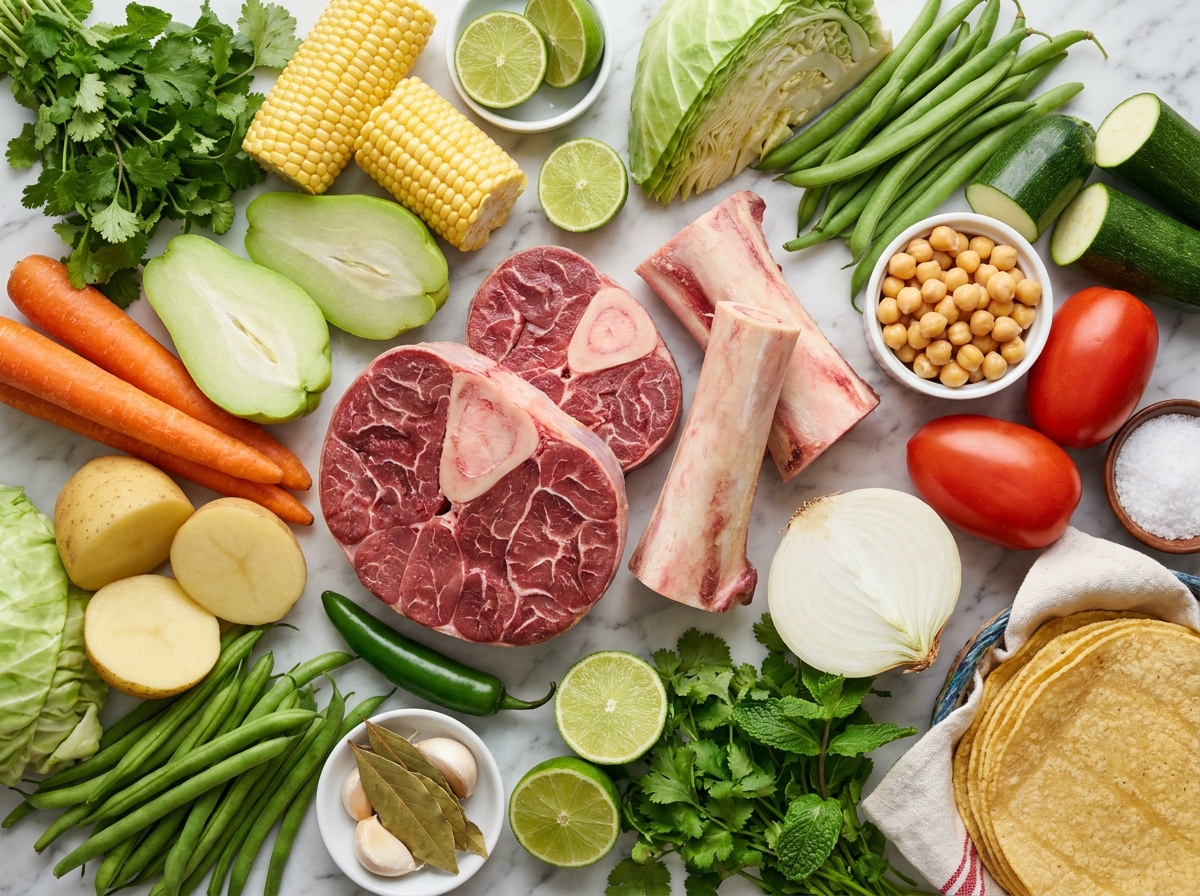
- Bone-in beef shank. Gives the broth its deep beef flavor and leaves tender pieces of meat for every bowl.
- Marrow bones. Add body and richness without making the soup cloudy or greasy when skimmed well.
- Onion and garlic. Season the broth from the start and get removed before the vegetables go in.
- Bay, cilantro stems, and mint. Give the soup a fresh herbal lift that keeps the beef from tasting flat.
- Corn on the cob. Adds sweetness and turns each bowl into a meal.
- Carrots, chayote, and potatoes. These firm vegetables go in first because they need time to soften.
- Zucchini and cabbage. Added near the end so they stay bright and tender, not limp.
- Lime, cilantro, and serrano. Finish the bowl with freshness, heat, and a little sharpness.
Traditional Mexican Caldo de Res layers
- Start the beef broth. Put the beef shank, marrow bones, onion, garlic, bay, cilantro stems, mint, salt, and water in a large pot. Bring it to a boil, then lower the heat right away.
- Skim and simmer. Spoon off the gray foam from the surface during the first 20-30 minutes. Keep the pot at a gentle simmer until the beef is tender.
- Strain the aromatics. Remove the onion, garlic, herbs, and bay leaves. Leave the beef and bones in the clear broth.
- Add firm vegetables. Stir in corn, carrots, chayote, and potatoes. Simmer until they are just tender but not falling apart.
- Finish with soft vegetables. Add green beans, zucchini, cabbage, and optional garbanzos. Simmer briefly so everything tastes like broth but still holds its shape.
- Serve hot. Ladle meat, vegetables, and broth into deep bowls. Finish with cilantro, lime, serrano, and warm corn tortillas.
The broth should stay clear
A good caldo de res tastes beefy, but it should not feel muddy. The trick is steady heat. Bring the pot up to a boil at the start, then drop it to a lazy simmer and skim the foam as it rises. If the pot boils hard for an hour, the broth can turn cloudy and the meat can tighten before it relaxes.
This is also why I do not brown the shank for this version. Browning gives a darker stew flavor. Traditional caldo leans cleaner, closer to a beef broth full of vegetables. If you like this style of slow-built soup, the site's Mexican Beef and Vegetable Soup is a helpful nearby read.
Vegetable timing saves texture
The vegetables are big on purpose. Caldo de res is not a tiny-diced soup. Corn, potatoes, carrots, and chayote need a head start because they take longer to soften. Zucchini and cabbage go in near the end because they can turn tired fast.
I cut the cabbage into wide wedges and the zucchini into thick half-moons. They hold better in the pot and look right in the bowl. If your family likes a softer soup, cook it a few minutes longer, but do not walk away after the squash goes in. That is when the texture changes quickly. For another old-school bowl with similar comfort, try Vegetable Beef Soup Classic.
Regional swaps worth keeping
Caldo changes from kitchen to kitchen. Some cooks add garbanzos, plantain, tomato recaudo, green beans, or a little cumin. Others keep it plain and let the beef bones do the talking. I use optional garbanzos here because they make the soup more filling without taking over the broth.
If you want the tomato version, blend two Roma tomatoes with a little onion, garlic, and broth, then stir it in when the firm vegetables go into the pot. For a respected traditional reference, I like the way Mexico in My Kitchen explains the regional vegetable choices. For another Mexican soup night, pair this with Mexican Street Corn Soup later in the week.
Serving it at the table
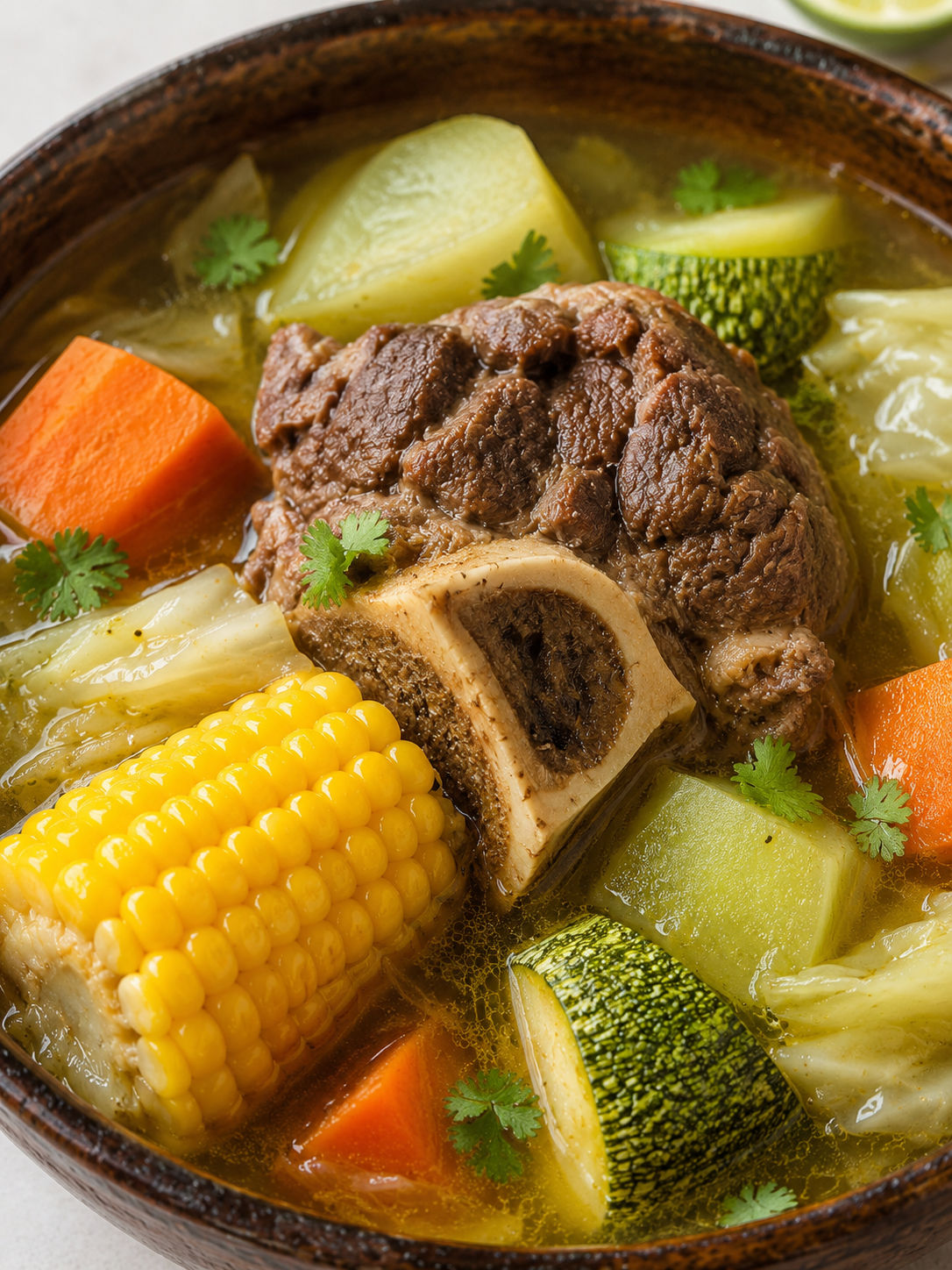
Serve caldo de res in large bowls so every person gets meat, broth, corn, and several vegetables. Put lime wedges, chopped cilantro, serrano, and warm corn tortillas on the table. A little salt at the end matters too, because potatoes and corn soak up seasoning as they cook.
Some families serve rice on the side and spoon broth over it. Others eat the meat and vegetables first, then drink the broth from the bowl. Both are right. If you want a rice-based beef soup with a similar cozy feel, the site's Mexican Beef Soup makes a good faster option.
Store it without mush
Caldo keeps well, but the vegetables keep softening in the hot broth. If you have time, cool leftovers quickly and store some broth apart from the vegetables. Reheat gently on the stove until the beef is hot and the broth is steaming.
For longer storage, freeze the broth and beef together, then add fresh zucchini or cabbage when you reheat. Potatoes and squash can freeze a little grainy, so I do not count on them for the prettiest second bowl. For general storage and handling guidance, I follow the USDA FSIS food-safety guidance.

FAQs
- What cut of beef is best for caldo de res?
Bone-in beef shank is the cut I reach for first because it gives you tender meat and a rich broth. Marrow bones, short ribs, oxtail, or chuck can also work if you simmer them until the meat pulls apart easily.
- Can I make caldo de res without chayote?
Yes. Use extra zucchini, green beans, or another firm vegetable you like. Chayote has a mild flavor and keeps its shape, so choose something that will not collapse after a short simmer.
- Why are the vegetables added in stages?
Carrots, chayote, corn, and potatoes need more time than zucchini and cabbage. Adding everything at once leaves some pieces mushy and others undercooked, so staged cooking keeps the soup clean and balanced.
- Can I make this Mexican beef soup in a slow cooker?
Yes. Cook the beef, bones, water, onion, garlic, bay, and salt on low for 6-7 hours. Add the firm vegetables for the last 60-75 minutes, then add zucchini and cabbage for the final 20-30 minutes.
- How do I store caldo de res?
Cool the soup and refrigerate it in airtight containers for up to 4 days. For the best texture, store extra broth and vegetables separately if you know you will have leftovers.
- What do you serve with caldo de res?
Serve it with lime wedges, chopped cilantro, serrano, warm corn tortillas, and Mexican rice if you want a fuller meal. Some families serve the meat and vegetables in the bowl, then spoon extra broth over the top at the table.
