 Pin it
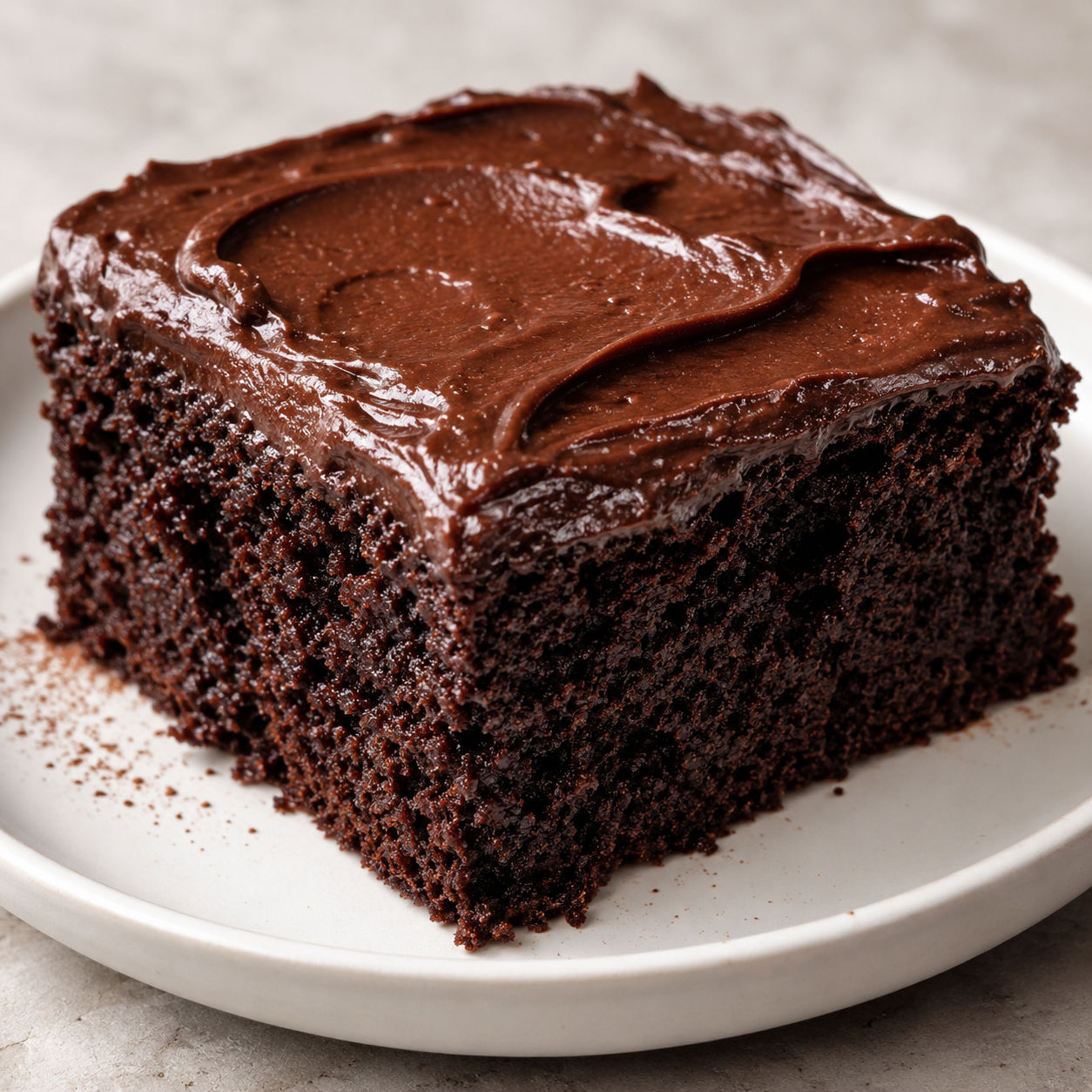
Moist Buttermilk Chocolate Cake with Frosting is the kind of cake I like for birthdays, potlucks, and quiet weekends when a layer cake feels like too much work. It bakes in one 9x13 pan and slices cleanly, but it still tastes rich enough for a celebration.
The buttermilk gives the crumb a little tang and keeps it tender. Hot coffee wakes up the cocoa without making the cake taste like coffee. The frosting is thick enough to hold its shape, but soft enough to sink into the very top of the cake.
The Cocoa Cake Lineup
This cake uses pantry basics, so the cocoa and buttermilk matter most. Use fresh leavening, room-temperature eggs, and measure the flour lightly so the crumb stays soft.
- All-purpose flour. Gives the cake enough structure to slice neatly without turning heavy.
- Dutch-process cocoa powder. Brings a darker color and smoother chocolate flavor.
- Granulated sugar. Sweetens the cake and helps hold moisture in the crumb.
- Baking powder and baking soda. Lift the batter and work with the acidity in the buttermilk.
- Buttermilk. Adds tenderness, moisture, and a gentle tang.
- Vegetable oil. Keeps the cake soft even after chilling.
- Hot coffee. Blooms the cocoa so the chocolate tastes deeper.
- Butter and powdered sugar. Make the frosting smooth, glossy, and easy to spread.
Moist Buttermilk Chocolate Cake Method
- Prep the pan. Heat the oven to 350°F and line a 9x13-inch pan with parchment so the cake lifts out cleanly.
- Mix the dry base. Whisk the flour, cocoa, sugar, leavening, and salt until the cocoa is evenly blended.
- Add the wet ingredients. Whisk in the buttermilk, oil, eggs, and vanilla just until the batter looks mostly smooth.
- Bloom with coffee. Pour in the hot coffee slowly while whisking. The batter will be thin, which is right.
- Bake and cool. Bake until the center springs back and a toothpick shows moist crumbs, then cool the cake before frosting.
- Finish with frosting. Melt butter, whisk in cocoa, then beat in powdered sugar, buttermilk, vanilla, and salt until glossy. Spread it over the cooled cake.
Why The Crumb Stays Soft
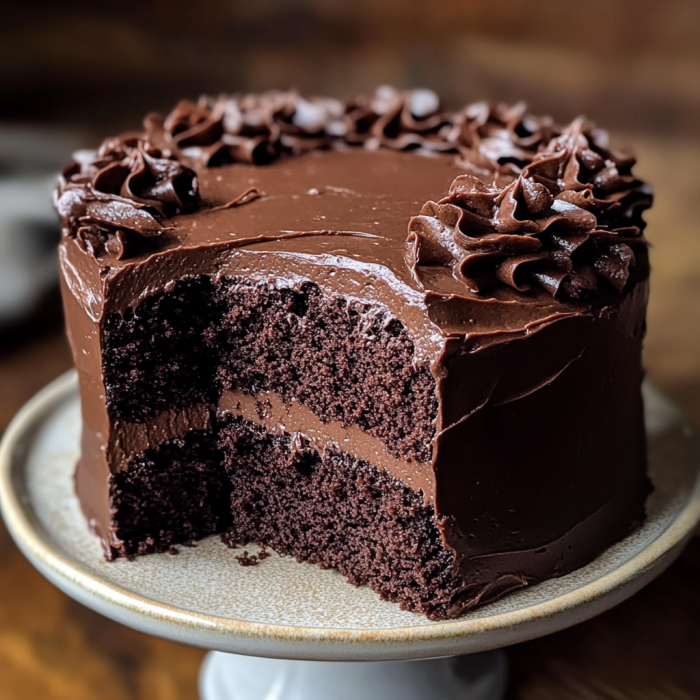
Buttermilk and oil do the quiet work here. Butter tastes wonderful, but oil gives chocolate cake that plush, bendy crumb that does not dry out by the next morning. Buttermilk adds acid, which softens the texture and rounds out the sweetness. If you love this style of cake, the same comfort shows up in Buttermilk Chocolate Cake Moist and the smaller party-friendly moist chocolate cupcakes.
The Frosting Should Shine
The frosting starts with melted butter and cocoa. Whisk those first so the cocoa hydrates in the fat before the sugar goes in. Add powdered sugar in stages, then loosen it with buttermilk until it spreads like thick pudding. If the frosting looks dull or stiff, whisk in another teaspoon or two of buttermilk. If it looks too loose, add a small handful of powdered sugar. Spread it once the cake is cool to the touch, not warm.
Swaps That Bake Well
Hot water works in place of coffee. Natural cocoa can replace Dutch-process cocoa, though the cake will taste a little sharper and look lighter. For a thicker celebration finish, use a chocolate buttercream instead of the pourable frosting. For a vanilla option on the same dessert table, try classic vanilla birthday cake. For a fruitier frosted cake, lemon pistachio cake gives a bright contrast.
Cooling Before Frosting Matters
A warm cake melts the frosting into a thin glaze. That can taste good, but it will not give you the soft fudgy top this recipe is built for. Let the cake cool in the pan for at least 45 minutes. If the kitchen is hot, give it a full hour. The surface should feel room temperature when you touch the center. Then spread the frosting from the middle outward with an offset spatula.
Storage And Serving Notes
This cake tastes best after the frosting has set for 20-30 minutes. Cut it with a warm knife for neat squares. Store the covered pan at room temperature for 2 days, or refrigerate it for up to 5 days. Chilled slices are firm and fudgy. Room-temperature slices are softer and more fragrant. Freeze individual squares for up to 2 months, wrapped tightly, then thaw overnight in the fridge.
Summary
Serve this cake at room temperature so the frosting stays silky and the crumb tastes soft.
FAQs
- What does buttermilk do in chocolate cake?
Buttermilk adds acidity, moisture, and a faint tang that balances the sugar. It also works with baking soda to help the cake rise with a tender crumb.
- Can I use milk instead of buttermilk?
Yes, but the cake is better with real buttermilk. For a quick substitute, put 1 tablespoon of lemon juice or white vinegar in a measuring cup, add enough milk to make 1 cup, stir, and let it sit for 10 minutes.
- Can I make this cake without coffee?
Yes. Use hot water in the same amount. Coffee deepens the chocolate flavor, but hot water still helps bloom the cocoa and keeps the batter smooth.
- How do I know the cake is done?
The center should spring back lightly and a toothpick should come out with a few moist crumbs. If it comes out with wet batter, bake for 3-5 more minutes and check again.
- How should I store buttermilk chocolate cake?
Cover the pan tightly and keep it at room temperature for up to 2 days. For longer storage, refrigerate it for up to 5 days and bring slices back to room temperature before serving.
- Can I bake this as a layer cake?
Yes. Divide the batter between two greased 9-inch round pans and start checking around 25 minutes. Cool the layers completely before frosting so the chocolate frosting does not slide.
