Pin it
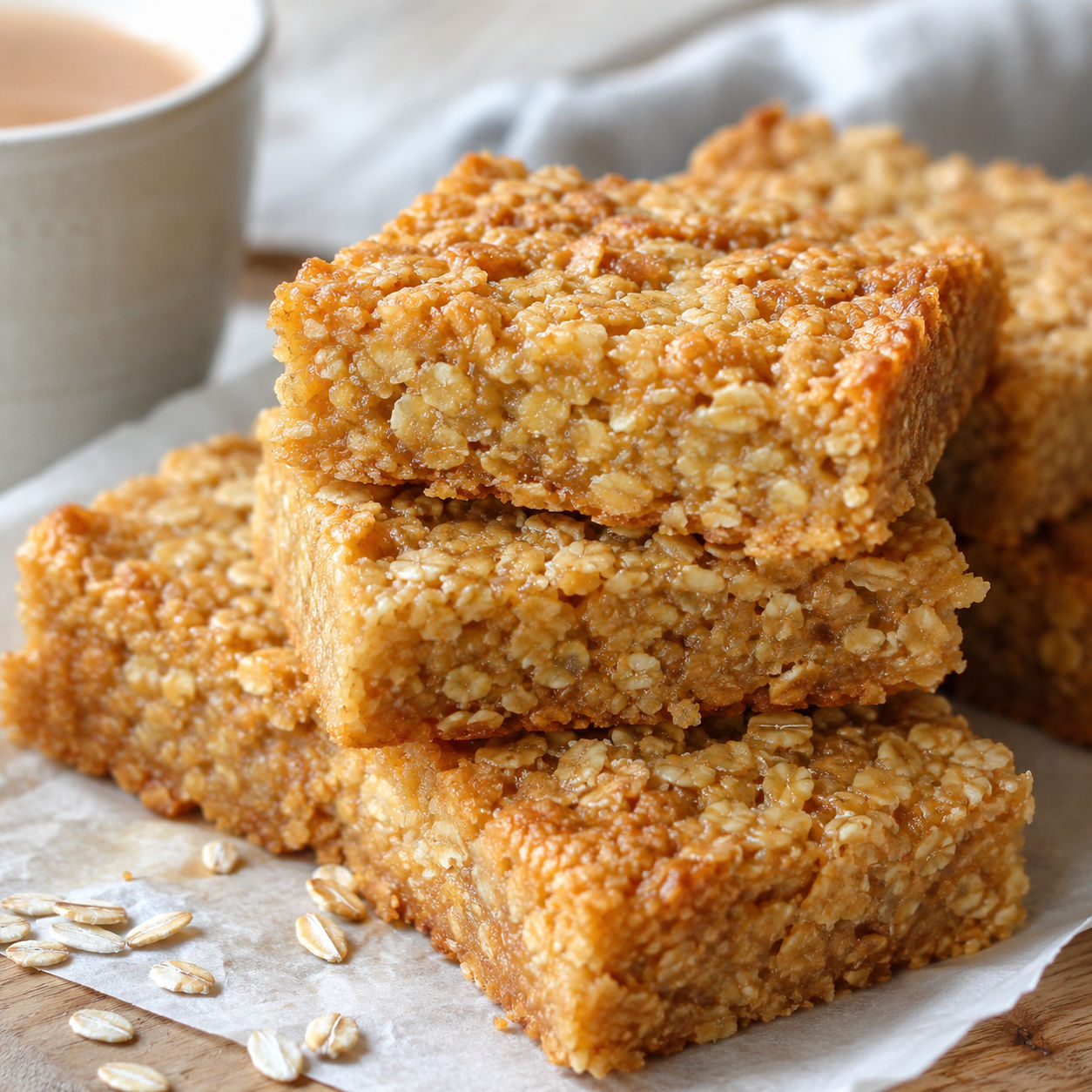
Easy Homemade British Flapjacks are the kind of bake that smells far richer than the effort involved. Butter and golden syrup melt into a glossy caramel-like base, then oats soak it up and bake into dense, chewy squares.
These are British flapjacks, not pancakes. Think buttery oat bars with crisp edges and a soft middle. They are good with tea, tucked into lunch boxes, or cut small when you want something sweet without frosting or fuss.
Easy Homemade British Flapjack Basics
The ingredient list is short, so each one matters. Use real golden syrup if you can find it, and choose rolled oats for a chewy bar with visible texture.
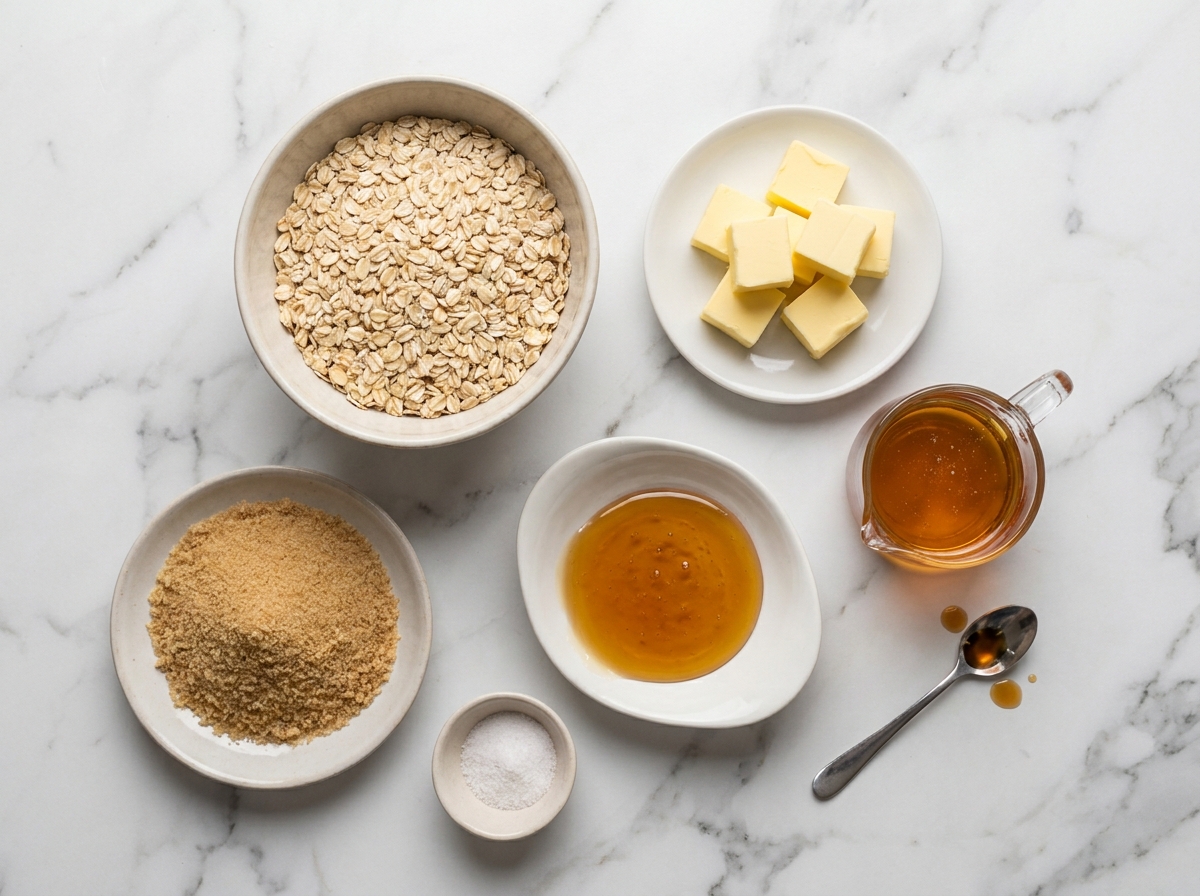
- Rolled oats. They give the bars their chew and sturdy structure without turning pasty.
- Unsalted butter. Melts into the syrup and sugar to bind the oats and add rich flavor.
- Light brown sugar. Adds gentle molasses notes and helps the edges set.
- Golden syrup. Gives classic British flapjacks their sticky texture and warm toffee taste.
- Fine salt. Keeps the sweetness from tasting flat.
- Vanilla extract. Optional, but it rounds out the buttery syrup flavor.
Bake Them Chewy And Neat
- Prepare the tin. Heat the oven to 350°F and line an 8-inch square tin with parchment, leaving some overhang for lifting.
- Melt the syrup base. Warm the butter, brown sugar, golden syrup, and salt in a saucepan over low heat until smooth and glossy.
- Coat the oats. Take the pan off the heat, stir in the vanilla if using, then fold in the oats until every flake looks lightly coated.
- Press firmly. Scrape the mixture into the tin and press it into an even, compact layer with the back of a spoon.
- Bake gently. Bake for 18-22 minutes until the edges are golden and the center looks set but still a little soft.
- Cool before cutting. Score into bars after 10 minutes, then cool completely in the tin before slicing through the marks.
The Chewy Center Trick
The texture comes down to heat and patience. Pull the tin when the edges are golden but the middle still has a gentle give. If the whole slab looks dark and firm in the oven, it will cool into something more brittle than chewy.
Pressing the oat mixture matters just as much as baking time. A loose layer crumbles because the syrup cannot glue wide gaps together. I use the back of a metal spoon and press especially hard into the corners. For a similar classic version, see this site's British Flapjacks.
Golden Syrup Matters
Golden syrup is thicker and more caramel-tasting than corn syrup. It is the ingredient that makes these taste like proper British flapjacks. Honey works in a pinch, but it brings its own floral flavor and can make the bars softer.
I kept this version close to the classic ratio used in many British kitchens. Tesco Real Food's flapjack guide also uses the familiar oats, butter, sugar, and golden syrup base. Good Food's golden syrup flapjacks are another useful reference for the simple method.
Mix-Ins That Behave
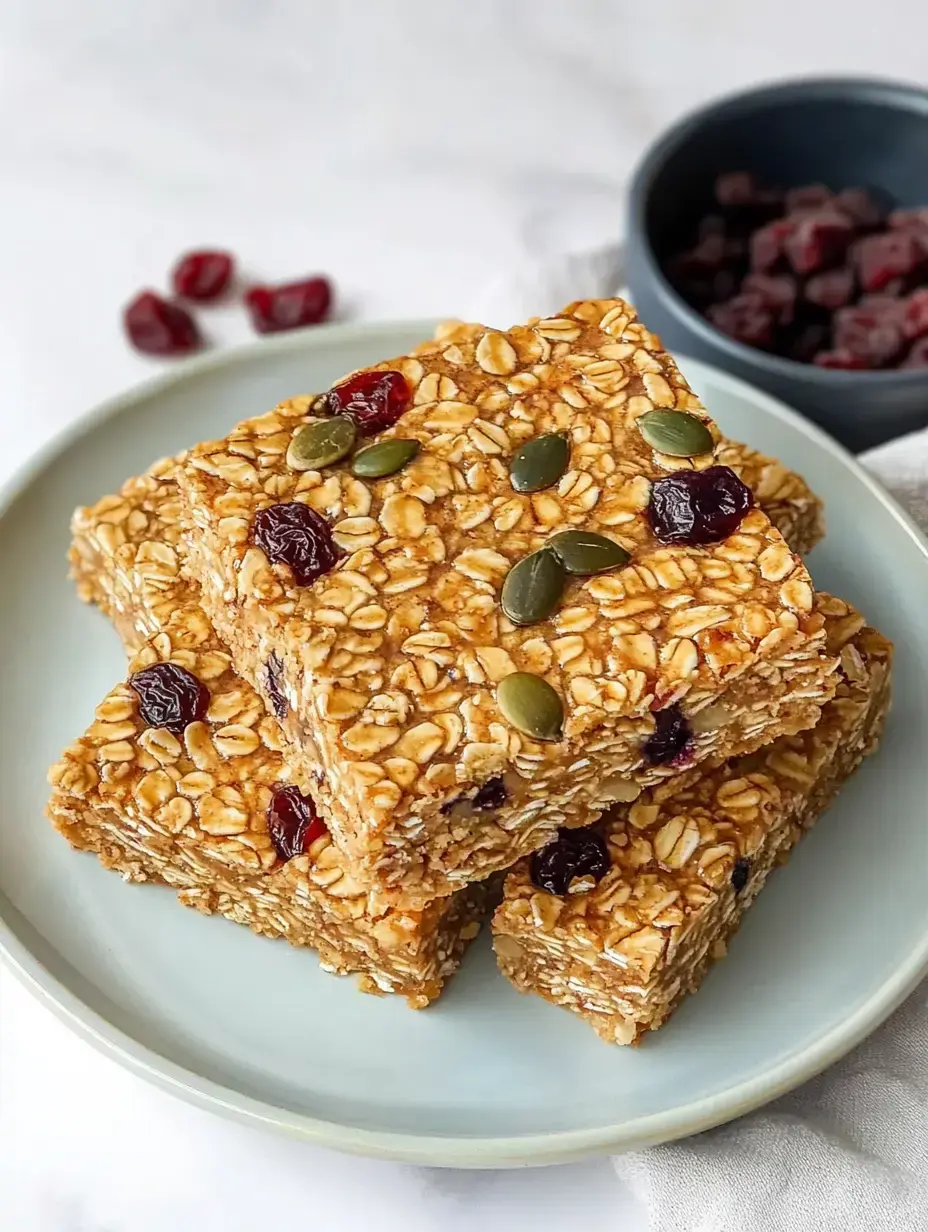
Keep add-ins modest so the bars still hold. A handful of chopped dried apricots, raisins, pumpkin seeds, or dark chocolate chips is enough for one batch. Big chunks create weak spots, so chop dried fruit small before stirring it in.
If you like old-school sweets, these flapjacks sit nicely beside homemade saltwater taffy on a dessert tray. For a colder treat, pair them with homemade coffee ice cream. The buttery oats are very good against something creamy and not too sweet.
Clean Slices Every Time
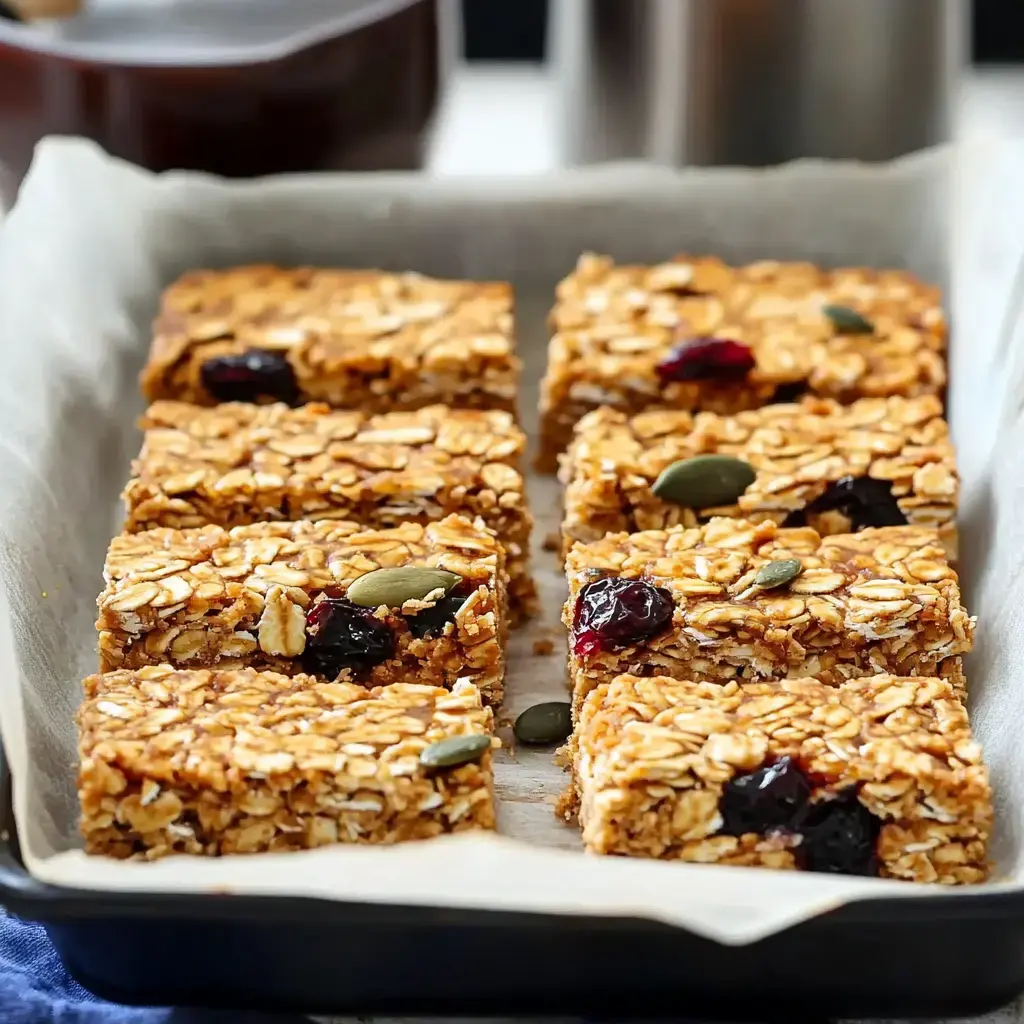
Flapjacks need a two-stage cut. Score the slab while it is still warm, about 10 minutes after baking. This gives you a guide before the oats set firm. Then leave the tin alone until fully cool.
Once cool, lift the slab out by the parchment and slice through the scored lines with a sharp knife. Wiping the knife between cuts helps if the bars are sticky. If you like making simple bakes for breakfast or snacks, easy homemade sourdough crumpets are another good British-style project.
Storage And Freezing
Keep flapjacks in an airtight container at room temperature for up to a week. They are sturdy, so they travel well, but parchment between layers keeps the tops tidy. Refrigeration makes them firmer than they need to be.
For freezing, wrap bars individually and place them in a freezer bag. Thaw them on the counter for 30-45 minutes. A frozen bar can also go straight into a packed lunch, where it will soften by snack time.
Summary
These chewy oat bars are best cooled fully in the tin before slicing. Use golden syrup for the classic British flavor and press the mixture firmly so the bars hold together.
FAQs
- What are British flapjacks?
British flapjacks are baked oat bars made with butter, sugar, and usually golden syrup. They are chewy and dense, not fluffy like American pancakes.
- Can I make flapjacks without golden syrup?
You can use honey or light corn syrup, but the flavor will change. Golden syrup gives British flapjacks their warm toffee taste and helps create that chewy middle.
- Why did my flapjacks fall apart?
The mixture may not have been pressed firmly enough, or the bars may have been cut too soon. Score them while warm, then let them cool fully in the tin before lifting and slicing.
- How long do homemade flapjacks keep?
Store them in an airtight container at room temperature for 5-7 days. Keep parchment between layers if your kitchen is warm so the bars do not stick together.
- Can I freeze British flapjacks?
Yes. Cool them completely, wrap individual bars well, and freeze for up to 3 months. Thaw at room temperature before serving.
- Can I make these gluten-free?
Yes, if you use certified gluten-free oats. Standard oats may be cross-contaminated during growing or processing, so check the package carefully.