 Pin it
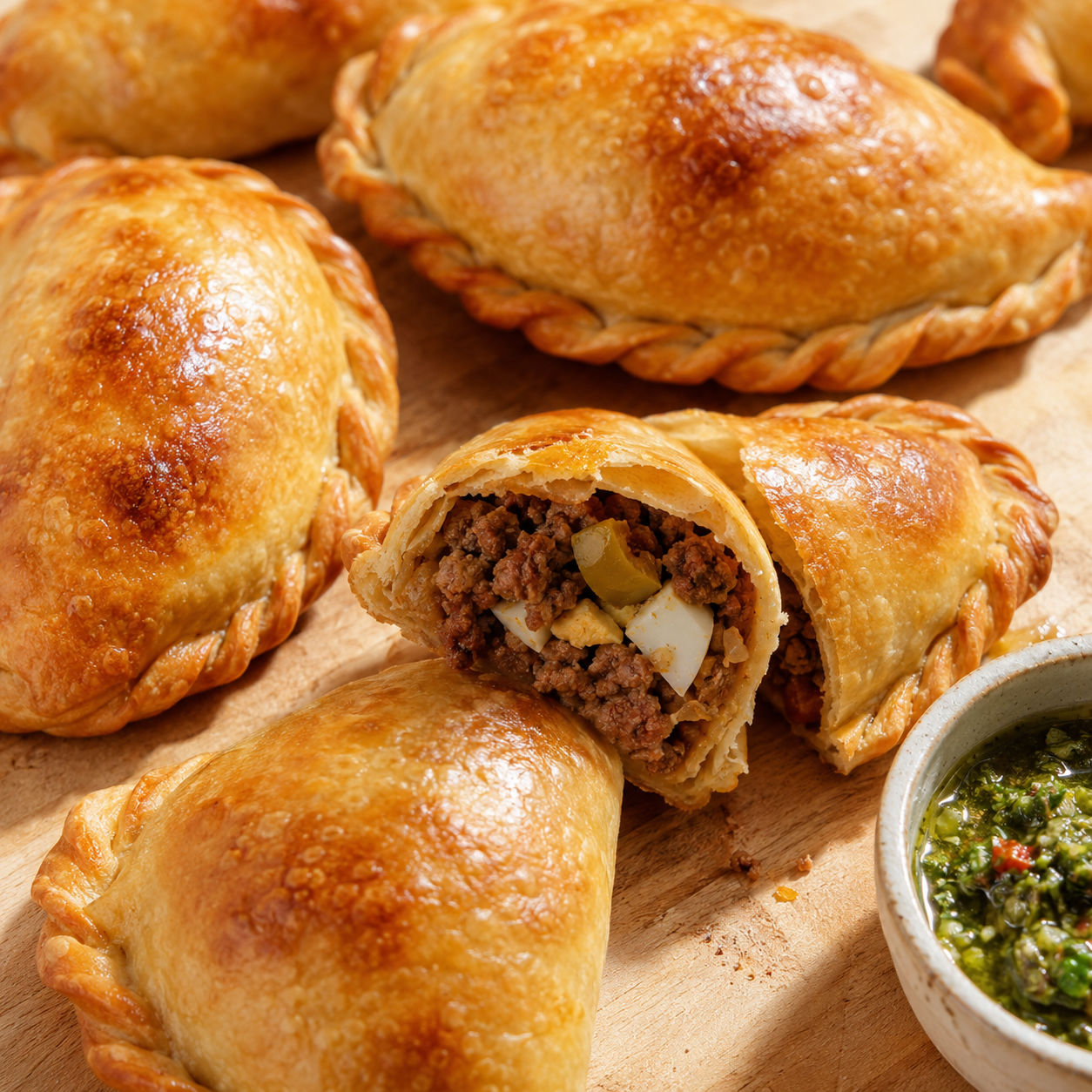
Authentic Argentine Beef Empanadas with Homemade Dough are worth the extra hour. The crust is tender but sturdy, the filling is juicy without leaking, and every bite has that warm mix of beef, onion, cumin, paprika, olive, and egg.
This version leans toward the baked empanadas you see across Argentina, especially the beef empanadas filled with picadillo. The dough uses warm milk and fat, which makes it easier to roll than pie crust and gives the baked edges a soft, golden bite.
The Argentine Empanada Lineup
The best filling starts with more onion than you might expect. It melts into the beef and keeps the picadillo moist after baking. Use fresh spices if you can, especially paprika and cumin, because they carry the whole filling.
- Ground beef. Gives the filling its hearty base and cooks quickly with the onions.
- Yellow onions. Add sweetness, moisture, and the classic soft texture inside the empanada.
- Green onions. Stirred in after cooking for a fresher onion flavor.
- Smoked paprika. Brings the deep red color and warm peppery flavor.
- Cumin. Adds the earthy note that makes the beef taste unmistakably Argentine.
- Oregano. Rounds out the spices without making the filling taste heavy.
- Green olives. Give salty pops that balance the rich meat.
- Hard-boiled eggs. Add soft, creamy bites inside the filling.
- Flour, milk, and fat. Become a pliable homemade dough that bakes tender and golden.
Shape the Empanadas Cleanly
- Make the dough. Rub the fat into the flour and salt, then mix in egg yolk and warm milk until a firm dough forms. Rest it so the gluten relaxes and the rounds roll without snapping back.
- Cook the onions and beef. Soften the onions first, then add the seasoned beef and cook until no pink remains. The onions should look glossy, not browned hard.
- Cool the filling. Stir in green onions, olives, and chopped egg once the beef has cooled a little. Chill until the mixture is cold and easy to scoop.
- Roll and cut rounds. Roll the dough thin, about 1/8 inch, and cut 5-inch circles. Keep unused dough covered so it does not dry out.
- Fill and seal. Add a heaping spoonful of filling to each round, brush the edge with water or egg white, fold, and press out air. Crimp with a fork or fold the edge into a rope-style repulgue.
- Bake until golden. Brush with egg wash and bake at 400°F until the pastry is deeply golden and the bottoms feel crisp, about 22-25 minutes.
Cool Filling Seals Better
Warm beef filling is the fastest way to make empanadas leak. It softens the dough, melts the fat too early, and makes the edges slide apart in the oven. Cook the picadillo first, then give it time in the fridge while the dough rests. The texture should be moist and spoonable, not saucy.
This recipe uses a generous amount of onion because Argentine beef empanadas need that built-in juiciness. If you enjoy filled dough recipes, the folding method also feels familiar beside ground beef and cabbage pockets and homemade cheesy pizza pockets.
Why This Dough Works
Homemade empanada dough should not feel like flaky pie crust. It needs enough strength to hold a juicy filling and enough tenderness to bite cleanly. Warm milk softens the dough, while lard or butter gives it body. An egg yolk adds color and helps the dough roll into smooth rounds.
Laylita's Recipes has a useful discussion of empanadas mendocinas and their milk-based dough at Laylita's Recipes. For another homemade flatbread-style dough project, you can also look at homemade flour tortillas.
The Repulgue Edge
The rope-like edge on Argentine empanadas is called repulgue. It looks fancy, but it is just a small fold repeated from one end to the other. Start at one corner, pinch the sealed edge, fold a small section over itself, then keep moving along the curve. A fork seal is fine too. The important part is squeezing out air before the final crimp.
If the dough cracks, it is too dry or too cold. Let it sit at room temperature for a few minutes and knead in a few drops of milk only if needed. If it feels sticky, dust the board lightly with flour and keep going.
Bake Them Deeply Golden
Underbaked empanadas taste doughy at the fold. Bake until the tops are glossy and golden, and check the bottoms too. They should be browned in spots and feel dry to the touch. A hot oven sets the crust before the filling can push through the seams.
Since the beef is cooked before filling, the main food-safety concern is cooking ground beef properly in the skillet. The USDA safe temperature chart lists 160°F for ground beef, which you can confirm at the USDA safe temperature chart. For a more involved beef pastry dinner, classic beef Wellington scratches a similar baking itch.
Storage Without Soggy Crusts
Empanadas are best warm from the oven, but leftovers hold well. Refrigerate them in an airtight container for up to four days. Reheat on a sheet pan at 350°F until hot in the center, about 10-12 minutes. The oven brings back the crust much better than the microwave.
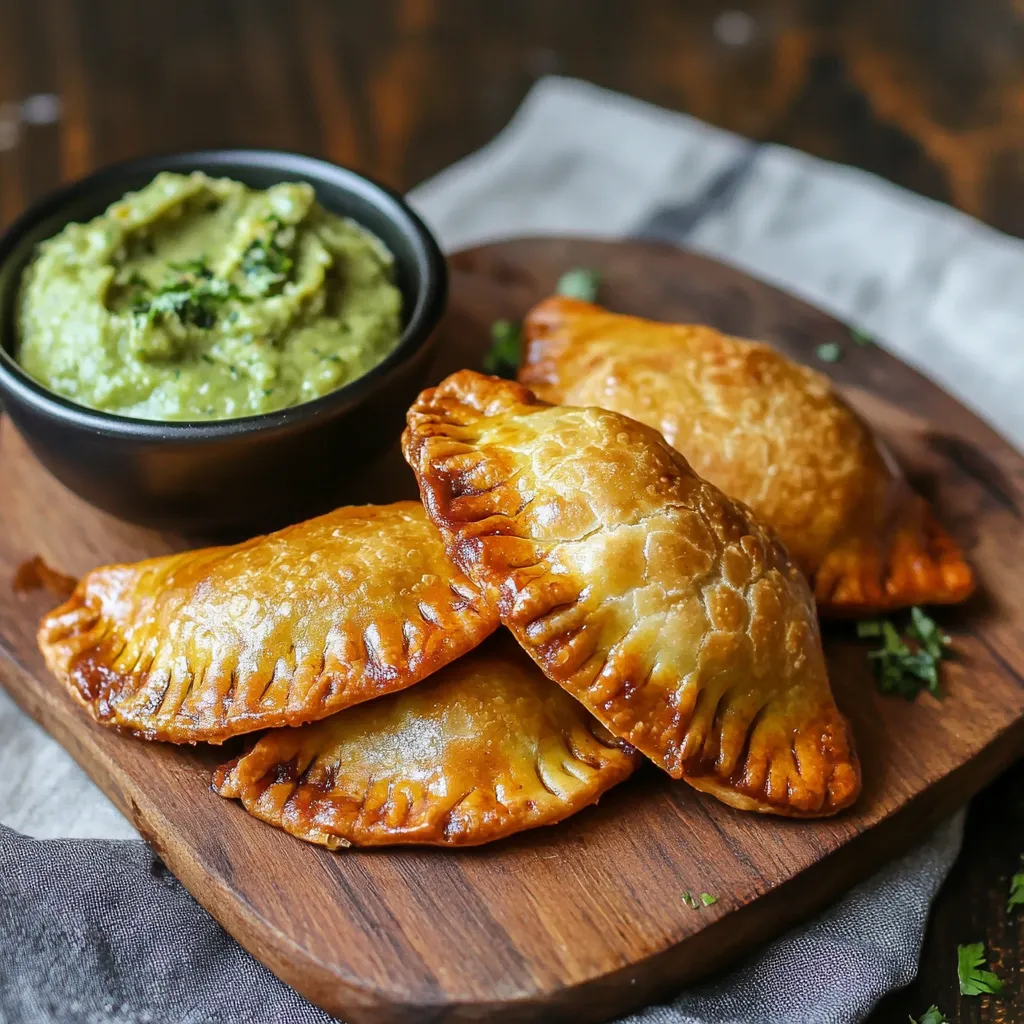
To freeze, shape the empanadas and freeze them unbaked on a tray. Once solid, bag them with parchment between layers. Brush with egg wash right before baking from frozen. They make a strong quick dinner with chimichurri and a simple tomato salad.
Summary
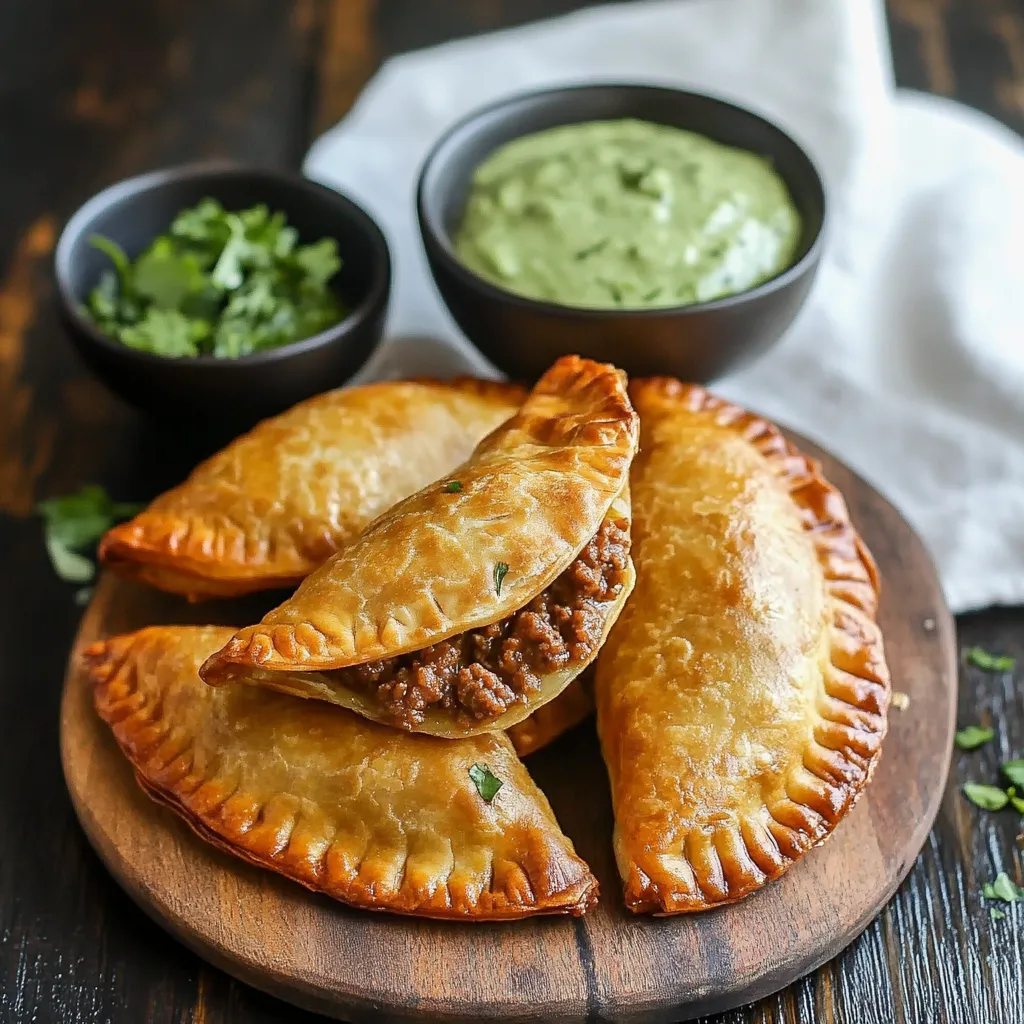
Serve these warm with chimichurri, a simple salad, or roasted vegetables. They are also easy to freeze before baking for a future dinner.
FAQs
- What makes Argentine beef empanadas different?
Argentine beef empanadas usually use a wheat flour dough and a savory beef filling with onion, paprika, cumin, and oregano. Many versions also include green olives and hard-boiled egg, which give the filling its salty and creamy bites.
- Can I use butter instead of lard in the dough?
Yes. Lard gives the dough a more traditional savory flavor and a slightly softer bite, but butter works well and is easy to find. Use the same amount and keep it softened, not melted.
- Can I make the empanada filling ahead?
Yes, and it actually helps. Make the beef filling up to two days ahead and keep it covered in the fridge. Cold filling is easier to portion and less likely to leak during baking.
- Why did my empanadas open in the oven?
The filling was probably warm, too wet, or the edges were not sealed firmly. Let the filling cool, avoid overfilling, and press out trapped air before folding the dough. A little egg white or water along the edge helps the seal hold.
- Can I freeze homemade Argentine beef empanadas?
Yes. Freeze the shaped unbaked empanadas on a tray until firm, then move them to a freezer bag. Bake from frozen at 400°F and add about 5-8 minutes to the baking time.
- What should I serve with beef empanadas?
Chimichurri is the classic choice because the vinegar and herbs cut through the rich beef. A tomato salad, roasted peppers, or a crisp green salad also works well. For a bigger meal, serve two or three empanadas per person with a simple side.
