 Pin it
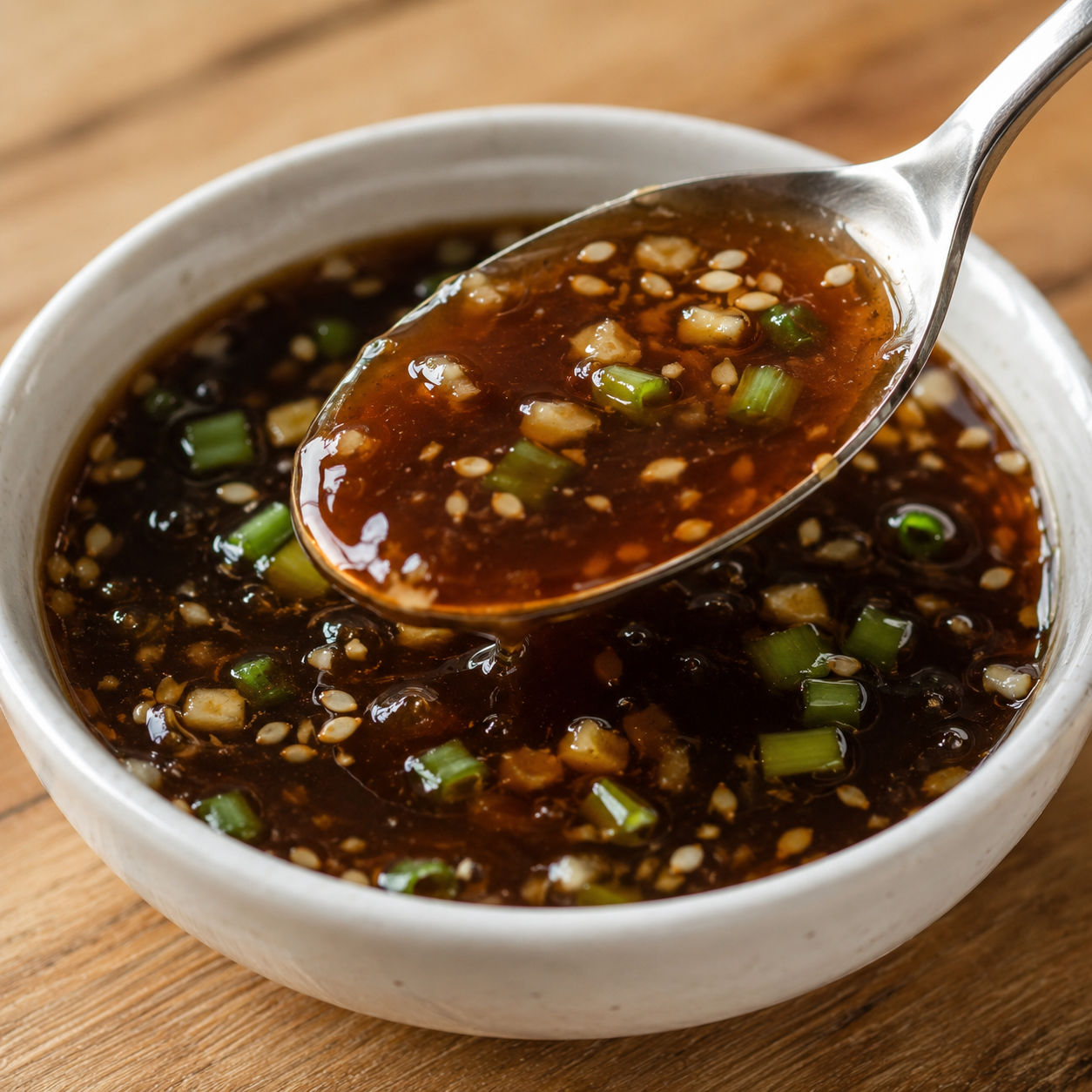
All-Purpose Stir Fry Sauce with Soy, Garlic, and Ginger is the kind of fridge staple that saves dinner when you only have a few vegetables and a protein left to work with. It tastes salty, warm, a little sweet, and bright enough to keep the pan from feeling heavy.
I like making it on the stove instead of just shaking everything in a jar. The garlic and ginger bloom in hot oil first, so the sauce tastes rounded instead of raw. Cornstarch gives it that shiny coating that clings to broccoli, noodles, shrimp, beef, tofu, or chicken.
Soy Garlic Ginger Lineup
This sauce leans on pantry ingredients, but fresh aromatics make the biggest difference. Use low-sodium soy sauce if you have it, because the sauce reduces slightly and salty sauces get intense fast.
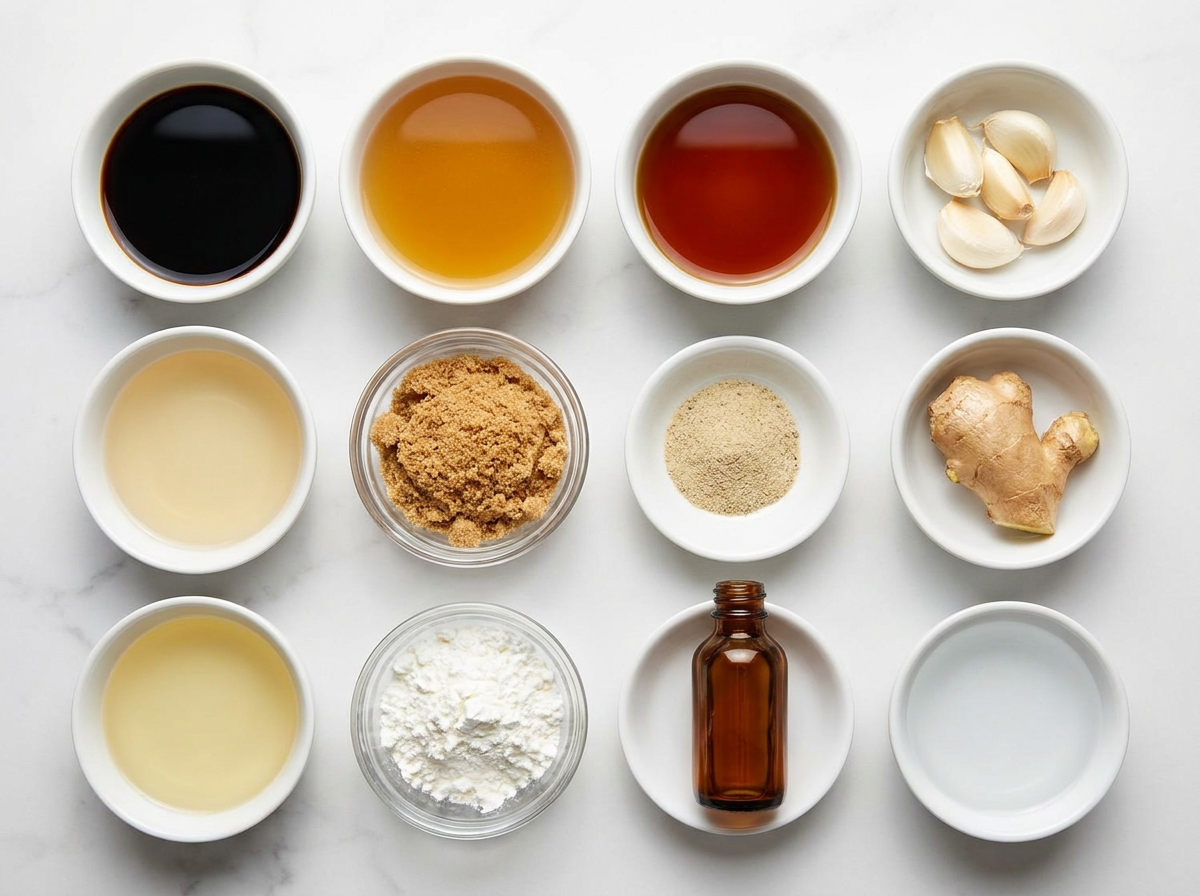
- Low-sodium soy sauce. Brings the main savory backbone and deep color without making the sauce harsh.
- Vegetable broth. Lightens the soy sauce so the finished glaze can coat a full pan of food.
- Shaoxing wine. Adds gentle depth and a cooked aroma. Dry sherry or mirin can stand in.
- Rice vinegar. Gives the sauce a clean edge so it does not taste flat.
- Brown sugar. Softens the salt and helps the sauce shine when it bubbles.
- Toasted sesame oil. Adds a nutty finish. A little goes a long way.
- Fresh garlic. Blooms in oil and gives the sauce its punchy base.
- Fresh ginger. Adds warmth and a fresh bite that works with vegetables, beef, chicken, and tofu.
- Cornstarch slurry. Thickens the sauce into a glossy coating instead of a watery puddle.
Whisk, Bloom, Then Glaze
- Whisk the base. Combine soy sauce, broth, Shaoxing wine, vinegar, brown sugar, sesame oil, and white pepper until the sugar dissolves.
- Make the slurry. Stir cornstarch with cold water in a small bowl until smooth. Cold water keeps the starch from clumping.
- Bloom the aromatics. Heat neutral oil in a wok or skillet, then stir in garlic and ginger for about 20 seconds. Stop before the garlic browns.
- Simmer the sauce. Pour in the soy mixture and let it bubble for 1 minute so the sharp edges soften.
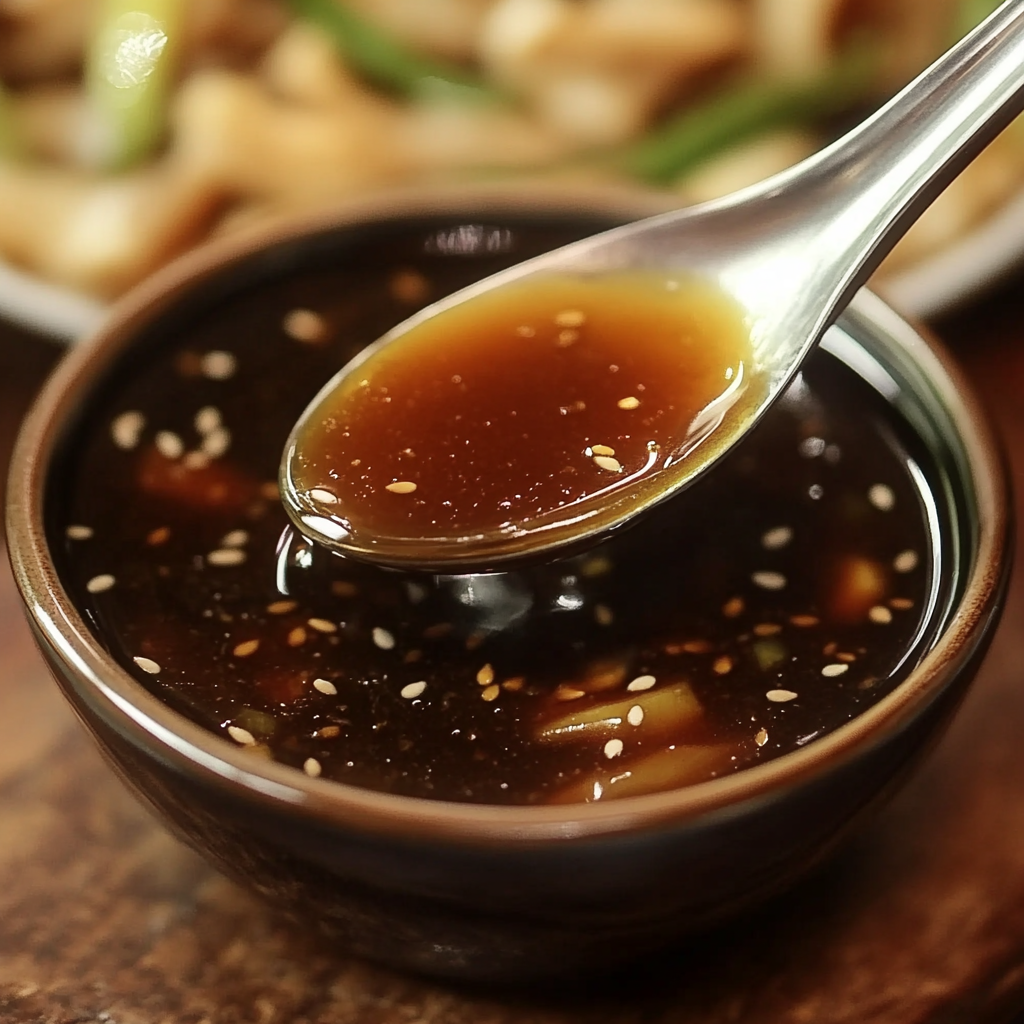
- Thicken it gently. Whisk in the slurry and cook for 30-60 seconds, just until glossy and spoon-coating.
Soy Garlic Ginger Stir Fry Sauce
The balance matters more than the ingredient list. Soy sauce gives salt and umami, but it needs broth so it can spread through the pan without overpowering everything. A spoonful of sugar rounds off the vinegar and ginger. Cornstarch catches all of it and turns the sauce shiny once it hits heat. If you want a starting point from another tested sauce style, The Kitchn also uses the same idea of a savory base with a separate thickener.
When to Add It
Add this sauce at the end, after your protein is cooked and your vegetables are crisp-tender. If it goes in too early, the sugar can scorch and the vegetables can turn soft before the glaze forms. For a full skillet, stir the sauce first, pour it around the edges, then toss until everything looks glossy. It works especially well with Oyster Sauce Beef and Onion Stir-Fry with Ginger, Garlic Butter Stir-Fried Vegetables, and Flavorful Shrimp Stir Fry with Fresh Vegetables.
Smart Swaps
Use tamari instead of soy sauce if you need a gluten-free version. Use water instead of broth if the fridge is bare, but add an extra pinch of sugar and a few drops of sesame oil to round it out. Mirin works in place of Shaoxing wine, though it makes the sauce sweeter. For heat, add chili crisp, red pepper flakes, or a small spoonful of sambal after the sauce thickens. For a thicker noodle sauce, increase the slurry by 1 teaspoon cornstarch mixed with 1 tablespoon cold water.
Storage and Reheating
Cool the sauce, then store it in a clean glass jar in the fridge for up to 5 days. It thickens more once chilled. Whisk in a tablespoon of water if it looks too tight, then warm it in the pan with your stir-fry until it bubbles. For general refrigerator timing, the FoodSafety.gov cold storage chart is a useful reference. If you meal prep often, keep the soy base in one jar and the cornstarch slurry separate until cooking day.
What to Cook With It
This sauce is built for quick pans. Toss it with crisp broccoli, mushrooms, cabbage, bell peppers, snap peas, tofu cubes, chicken thigh pieces, shrimp, or thin beef. It also loosens nicely with a splash of noodle water, which makes it useful for rice noodles or lo mein. For a sweeter garlic direction, try it beside Honey Garlic Chicken Stir Fry. For a lighter dinner, spoon a smaller amount over zucchini noodles or stir-fried greens.
Summary
Keep this sauce chilled, shake it well, and add it near the end of cooking so it coats instead of burns.
FAQs
- How much stir fry sauce should I use per skillet?
Use 1/3 cup for a small stir-fry with 3 cups of vegetables or protein. Use up to 1/2 cup for a full 12-inch skillet with noodles, rice, or vegetables that release a lot of water.
- Can I make this stir fry sauce gluten free?
Yes. Replace soy sauce with certified gluten-free tamari and check that your broth and Shaoxing wine substitute are gluten free. The cornstarch itself is usually gluten free, but always check the package if you cook for someone with celiac disease.
- Can I skip the cornstarch?
You can skip it if you want a thin finishing sauce for noodles or fried rice. For a glossy stir-fry coating, keep the slurry. Without it, the sauce will taste good but it will settle at the bottom of the pan.
- What can I use instead of Shaoxing wine?
Dry sherry is the closest easy substitute. Mirin also works, but it is sweeter, so reduce the brown sugar by about half. For an alcohol-free version, use extra vegetable broth with a small splash of rice vinegar.
- How long does homemade stir fry sauce last?
Store the cooled sauce in a clean jar in the refrigerator for up to 5 days. It may thicken as it sits, so whisk in a spoonful of water before using. Bring it to a simmer in the skillet before serving.
- Can I freeze this sauce?
The best way is to freeze the sauce base without the cornstarch slurry. Cornstarch-thickened sauces can loosen after thawing. Freeze the soy base, thaw it overnight, then add a fresh slurry when you heat it.
