 Pin it
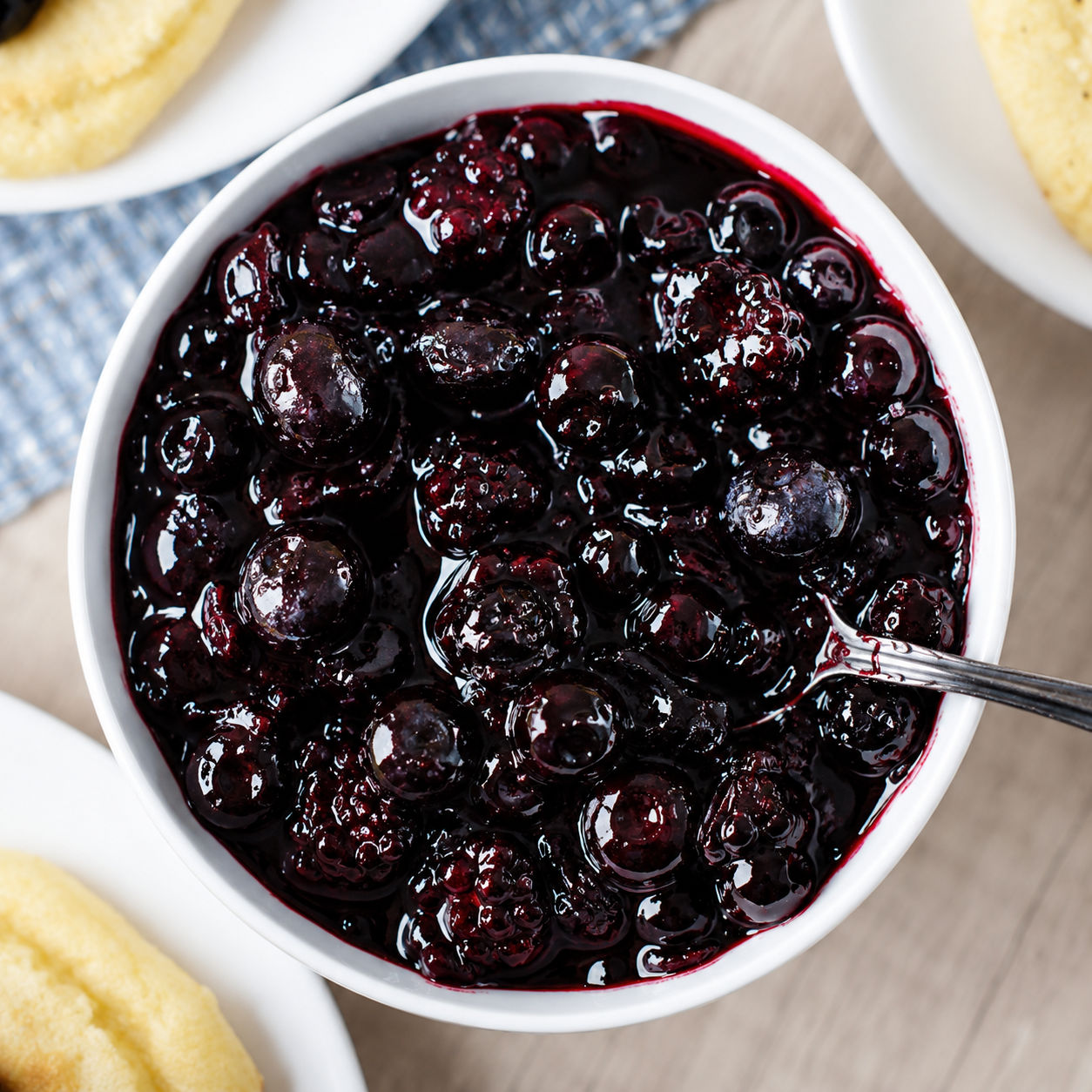
Wojapi Berry Sauce is the kind of recipe that proves a short ingredient list can still feel rich and generous. The berries soften, burst, and turn glossy in the pan, with just enough maple syrup to round out the tart edges.
Traditional wojapi is associated with Native American and Plains foodways, often made with chokecherries or other local berries. This kitchen-friendly version uses easy-to-find mixed berries while keeping the focus where it belongs, on the fruit.
Berries That Cook Down Well
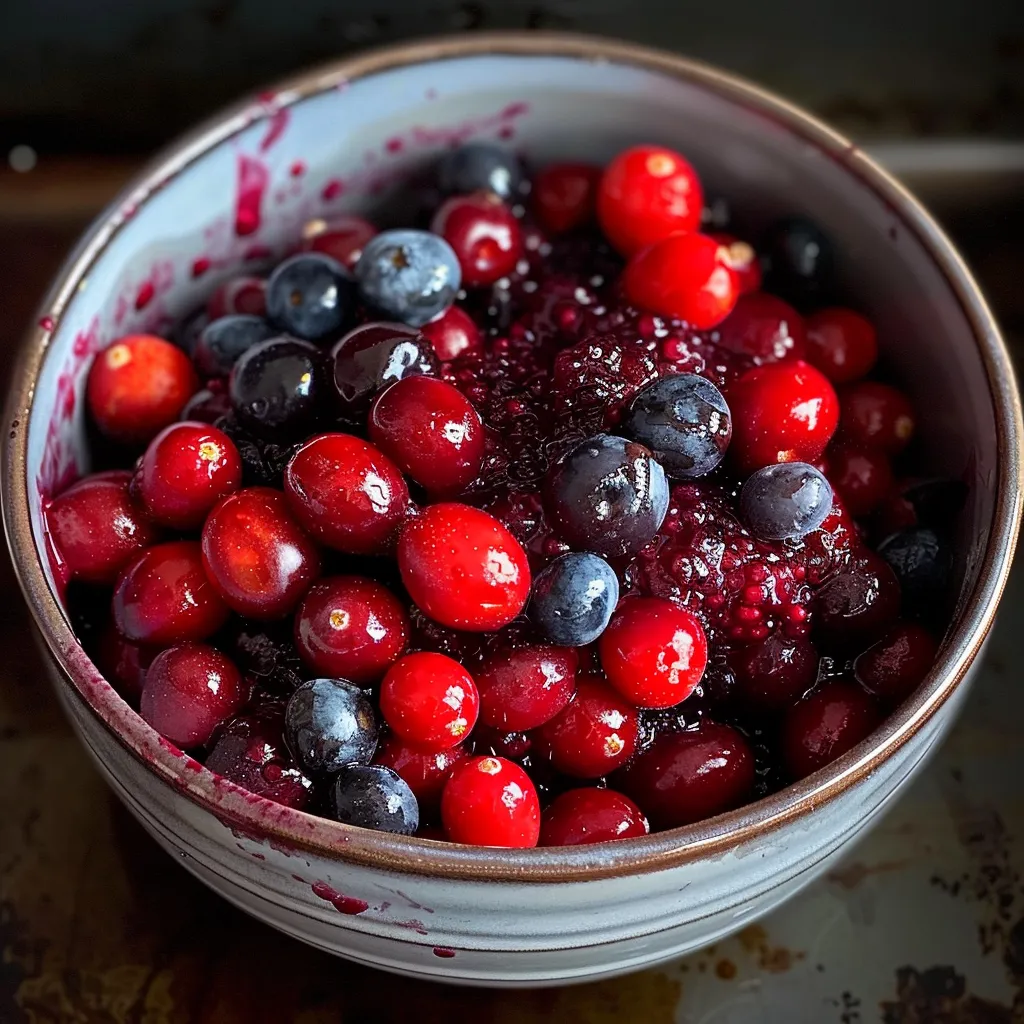
Choose berries with a mix of sweet, tart, and dark fruit notes. Blueberries give body, blackberries add depth, and cranberries or sour cherries keep the sauce from tasting flat.
- Mixed berries. The base of the sauce, with enough natural juice and pectin to cook down into a glossy spoonable texture.
- Water. Helps the berries start simmering before their own juices release.
- Maple syrup. Adds gentle sweetness without covering the berry flavor.
- Lemon juice. Brightens the sauce and sharpens the fruit.
- Cornstarch. Thickens the sauce quickly when you want a smooth, pourable finish.
- Salt. A tiny pinch makes the fruit taste fuller.
Simmer, Mash, And Gloss
- Start the berries. Combine the berries, water, lemon juice, and salt in a saucepan. Cook over medium heat until the berries release juice and begin to collapse.
- Sweeten gently. Stir in the maple syrup after the fruit has softened. Taste before adding more because ripe berries may need very little.
- Mash for texture. Press some of the berries against the side of the pan with a spoon. Leave a few whole pieces so the sauce does not feel like jelly.
- Thicken the sauce. Whisk cornstarch with a spoonful of cool water, then stir it into the simmering berries. Cook until the sauce turns shiny and coats the spoon.
- Cool before serving. Let the wojapi rest for 10 minutes. It will thicken as it cools, so stop cooking a little looser than you want the final sauce.
Keep The Fruit In Charge
The best wojapi tastes like berries first. Start with less sweetener than you think you need, then adjust near the end when the berries have cooked down. Blueberries and blackberries can be soft and sweet. Cranberries and sour cherries bring the tart snap that makes the sauce lively.
If you want a more traditional lean, skip the cornstarch and simmer longer. If you want something quick for breakfast, the slurry is handy. Nebraska Extension has a simple wojapi recipe that shows how short the ingredient list can be.
Fresh, Frozen, Or Foraged
Fresh berries are lovely in season, but frozen berries make this sauce dependable all year. Do not thaw them first. They melt into their own juice and keep the pan from scorching. If you have access to chokecherries, serviceberries, or juneberries from a trusted source, use them in the mix and adjust the sweetener after cooking.
For a more dessert-style sauce, serve it beside panna cotta with berry sauce or spoon it over blueberry cheesecake. For a tangier sauce table, it sits nicely near 5-ingredient cranberry sauce.
Serving It Warm Or Cold
Warm wojapi is loose and glossy, good for fry bread, corn cakes, pancakes, waffles, and oatmeal. Chilled wojapi becomes thicker and more jammy, which makes it easy to spoon over yogurt or vanilla ice cream. Keep the sauce slightly tart if you plan to serve it with meat, especially roasted pork, bison, or turkey.
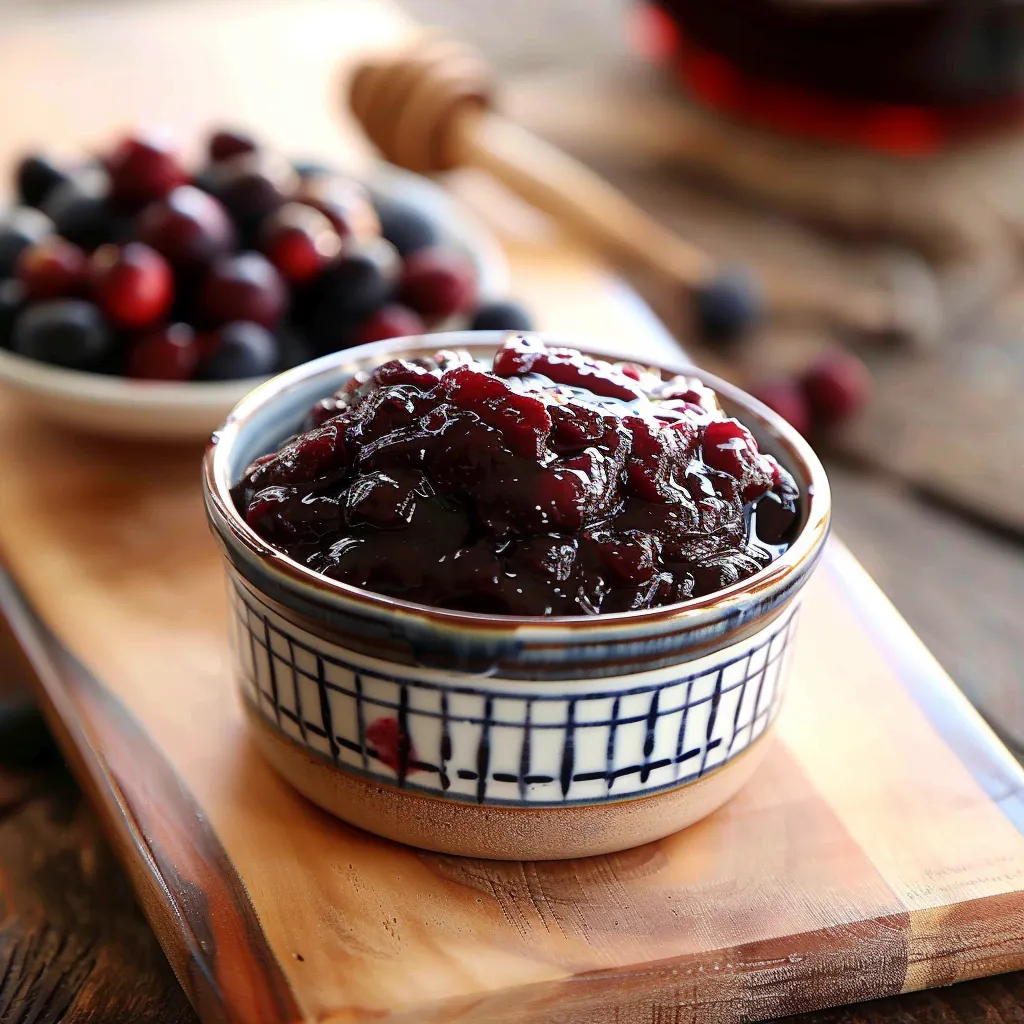
A small bowl goes a long way because the flavor is concentrated. If it gets too thick in the fridge, stir in a teaspoon or two of water and warm it gently.
Small Swaps That Work
Honey can replace maple syrup if you do not need the sauce to be vegan. Agave works too, though it tastes sweeter, so add it slowly. Orange juice can replace the lemon juice for a softer flavor, but lemon gives the cleanest finish.
If you want a smoother sauce, use an immersion blender for a few seconds after simmering. I prefer it partly mashed because the whole berries give the spoon some texture. A pinch of cinnamon is fine for pancakes, but skip it if you are serving wojapi with savory food.
Summary
Keep the simmer gentle, sweeten at the end, and stop cooking once the sauce coats a spoon. It thickens more as it cools.
FAQs
- What is Wojapi Berry Sauce?
Wojapi Berry Sauce is a simmered berry sauce connected to Native American food traditions, especially Plains communities. It is often made with chokecherries or other local berries and served with bread, pancakes, meats, or desserts.
- Can I make wojapi with frozen berries?
Yes. Frozen berries work very well because they release juice quickly as they heat. Add them straight to the pan and give the sauce a few extra minutes to simmer down.
- Do I have to use cornstarch?
No. If you simmer the berries longer, the sauce will reduce naturally and taste more concentrated. Cornstarch is useful when you want a thicker sauce fast, especially for spooning over pancakes or panna cotta.
- How long does wojapi keep?
Store it in a sealed container in the refrigerator for up to four days. Reheat gently on the stove or serve it cold, depending on what you are pairing it with.
- Can I can this recipe?
This recipe is for refrigerator storage, not canning. For shelf-stable wojapi, use a tested canning formula from an extension source because acid, sugar, and thickener amounts matter for safety.
- What should I serve with wojapi?
It is classic with fry bread, corn cakes, pancakes, and waffles. I also like it with yogurt, ice cream, cheesecake, or roasted pork when the sauce is kept a little tart.
