 Pin it
This is the kind of recipe that turns a dusty can of salmon into dinner in under half an hour. Southern salmon patties have been showing up on supper tables for generations because they are cheap, fast, and genuinely satisfying.
The trick is getting the mix moist enough to hold together but not so wet that it falls apart in the skillet. Get that right and you end up with crisp golden edges and a tender, flaky center that tastes like childhood.
What goes into the mix
You probably have most of this in the pantry already. Canned pink salmon is the traditional base, but a good quality wild Alaska salmon will give you a bolder flavor. The rest is just binder, aromatics, and a hot pan.
- Canned salmon. The backbone of the dish. Drain it well and pick through for bones and skin.
- Egg. Binds everything together so the patties hold their shape in the pan.
- Yellow onion. Adds a little sweetness and that classic savory bite.
- Breadcrumbs. Soaks up excess moisture and keeps the interior tender, not mushy.
- Lemon juice. A quick splash brightens the salmon and keeps the flavor fresh.
- Salt and black pepper. Essential seasoning. A pinch of cayenne or paprika is optional.
- Vegetable oil. For frying. Use enough to coat the bottom of the skillet for an even crust.
Fry them golden
- Prep the salmon. Open the can and drain it thoroughly. Reserve a tablespoon of the liquid in case the mix feels dry later. Pick out any bones or skin, then flake the salmon into a bowl with a fork.
- Mix the filling. Add the beaten egg, finely chopped onion, breadcrumbs, lemon juice, and seasonings. Stir until everything is evenly distributed. The mixture should feel moist but hold together when squeezed.
- Shape the patties. Divide the mix into four equal portions and press each into a flat patty about half an inch thick. If they feel too loose, chill them on a plate for ten minutes before frying.
- Fry until golden. Heat a thin layer of oil in a skillet over medium heat. Cook the patties for four to five minutes per side without moving them. Flip once when the underside is deep golden brown.
- Drain and serve. Transfer the patties to a paper towel-lined plate to blot excess oil. Serve hot with lemon wedges and tartar sauce.
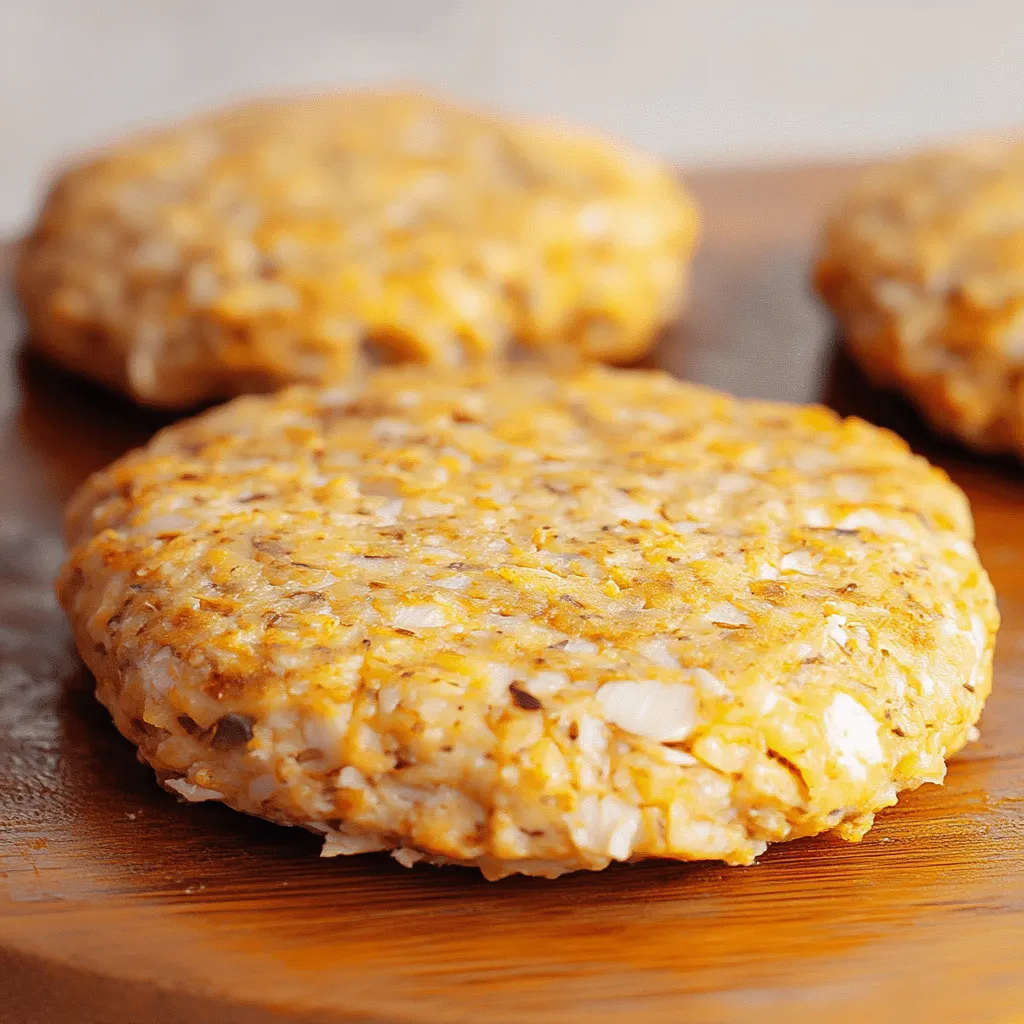
The moisture sweet spot
Too wet and the patties crumble in the pan. Too dry and they turn tough. You want a mixture that clings to itself when you squeeze it in your palm. If it feels sloppy, add a tablespoon more breadcrumbs. If it crumbles, stir in a teaspoon of the reserved salmon liquid or an extra beaten egg. Letting the shaped patties rest in the fridge for ten minutes firms them up and makes flipping far less risky.
Crust comes from patience
The biggest mistake is flipping too early or too often. Let the first side cook undisturbed until a deep golden crust forms. That crust is what holds the patty together when you turn it. Use a wide spatula and a confident single flip. Medium heat is your friend here. High heat burns the outside before the egg in the center sets. If you want a lighter coating, you can dredge the patties in a little flour before frying, which also helps create a craggy, crisp edge.
Swaps that still work
No breadcrumbs on hand? Crush saltines or Ritz crackers instead. They add a little salt and a lighter texture than standard breadcrumbs. You can also use leftover cooked salmon as long as you flake it fine and remove the skin. For a different flavor direction, try a pinch of Old Bay or Cajun seasoning in place of plain salt and pepper. If you enjoy other patties, our zucchini patties use the same pan-fry technique with a vegetable twist. For another salmon option, these Mediterranean salmon spinach patties bring herbs and greens into the mix.
Serve them Southern style
These belong on a plate with mashed potatoes, creamy coleslaw, or a wedge of skillet cornbread. A squeeze of lemon and a dollop of tartar sauce or comeback sauce is the classic finish. For breakfast, tuck a patty into a warm biscuit with a slice of tomato. If you are feeding a crowd, pair them with Southern sausage biscuits bake for a full comfort-food spread.
Storing and reheating
Leftover patties keep in the refrigerator for up to three days in an airtight container. Reheat them in a 375°F oven for about fifteen minutes so the outside crisps back up. The microwave works in a pinch but softens the crust. You can also freeze cooked patties for up to three months. Separate them with parchment paper and thaw overnight in the fridge before reheating. For general guidance on keeping seafood safe, the FDA seafood safety guide covers temperatures and timelines.

FAQs
- Can I use fresh salmon instead of canned?
Yes. Cook about three-quarters of a pound of fresh salmon, let it cool, then flake it finely and remove the skin. The patties will taste fresher and a little more delicate.
- Why do my salmon patties fall apart?
Usually the mix is too wet or the pan is not hot enough to set the crust before flipping. Add more breadcrumbs if the mixture feels loose, and flip only once after a firm crust forms.
- Can I bake or air fry these instead of pan frying?
Yes. Bake at 425°F for about fifteen minutes, flipping halfway. In an air fryer, cook at 400°F for eight to ten minutes, flipping once. Chilling the patties first helps them hold their shape.
- What sides go best with Southern salmon patties?
Mashed potatoes, coleslaw, potato salad, and cornbread are the classic choices. A simple green salad with vinaigrette balances the richness.
- Can I freeze salmon patties?
Absolutely. Freeze cooked patties in a single layer, then transfer to a freezer bag. They keep for up to three months. Thaw overnight in the refrigerator and reheat in the oven or a skillet.
- How do I remove bones from canned salmon?
Spread the drained salmon on a plate and run your fingers through the flakes. The bones are soft and edible, but if you prefer them gone they lift out easily with a fork.
- Can I make the mixture ahead of time?
Yes. Mix everything up to a day ahead and store it covered in the refrigerator. Shape and fry when you are ready to eat.
