 Pin it
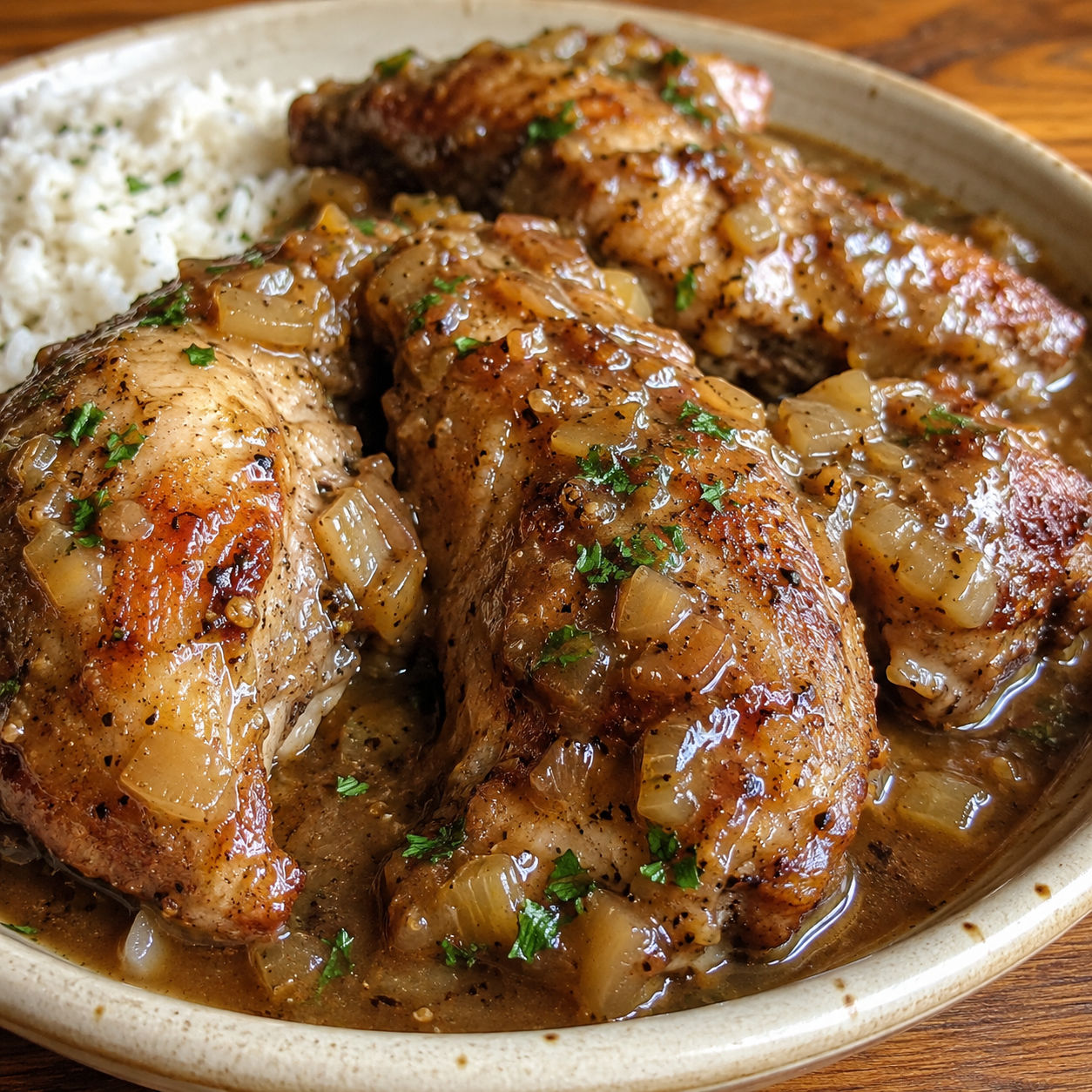
Southern Smothered Turkey Wings with Savory Gravy are what I cook when I want the comfort of a holiday turkey dinner without wrestling a whole bird. The wings bake low and covered first, so the skin, bones, onions, and peppers give the pan drippings real depth.
The gravy is the point here. It should be brown, glossy, peppery, and loose enough to run into a scoop of rice or mashed potatoes. Give the wings time in the oven and they reward you with meat that pulls away from the bone without much effort.
Southern Turkey Wing Staples
Look for split turkey wings if your butcher has them. Separate drums and flats cook more evenly and fit better in the pan. Use a good chicken or turkey stock because it becomes the backbone of the gravy.
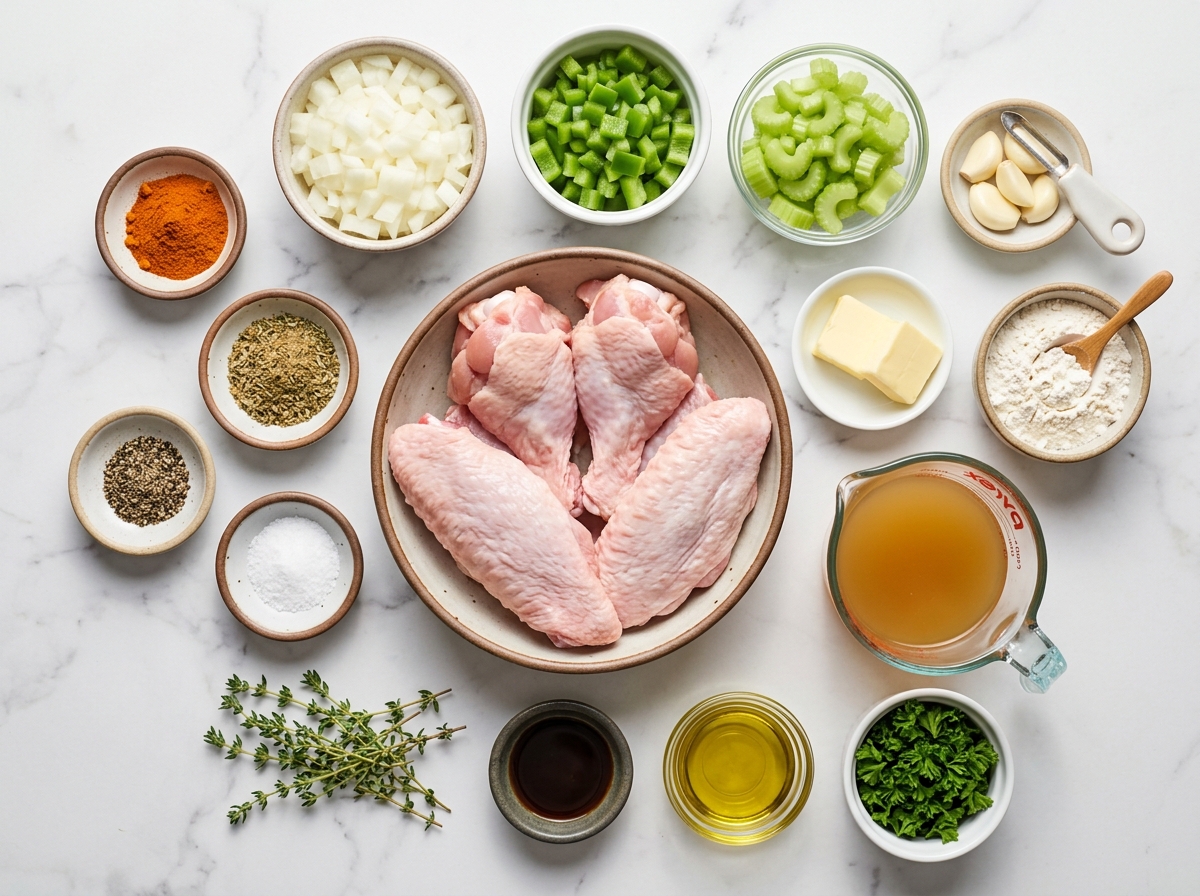
- Turkey wings. The bones and skin give the gravy body while the dark meat stays rich and juicy.
- Yellow onion. Half roasts with the wings and half melts into the gravy for sweetness.
- Green bell pepper. Adds the familiar Southern smothered flavor and a little fresh edge.
- Celery. Gives the pan drippings a savory base without making the gravy heavy.
- Garlic. Goes into the gravy after the vegetables soften so it stays fragrant.
- Butter and flour. Make the roux that thickens the drippings into a spoonable gravy.
- Chicken stock. Stretches the pan drippings and keeps the gravy smooth.
- Poultry seasoning and smoked paprika. Bring warmth, color, and a Sunday-dinner smell.
Bake, Gravy, Smother
- Season the wings. Pat the turkey dry, coat it with oil, and season all sides so the first bake creates flavorful drippings.
- Roast under foil. Scatter onion, celery, and bell pepper around the wings, add a little stock, cover tightly, and bake until the meat starts to relax.
- Save the drippings. Lift the wings to a plate and pour the pan juices into a measuring cup. Skim off excess fat only if the drippings look greasy.
- Cook the roux. Soften the remaining onion and garlic in butter, then stir in flour until it smells lightly toasted.
- Whisk the gravy. Add the drippings and stock slowly while whisking. Simmer until smooth and thick enough to coat a spoon.
- Finish smothered. Pour the gravy over the wings and bake uncovered until the meat is tender and the gravy bubbles at the edges.
The Gravy Needs Drippings
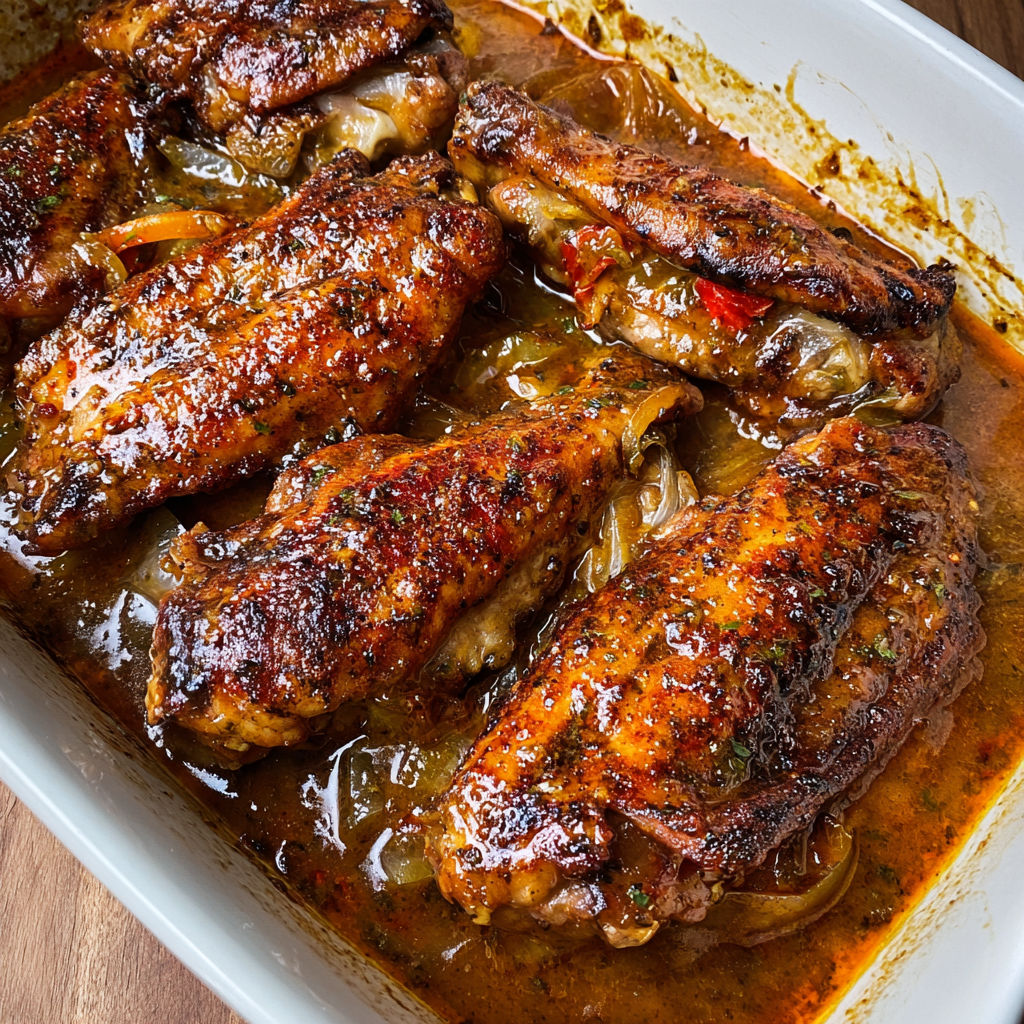
Turkey wings make better gravy than boneless cuts because the bones and skin season the pan while they roast. Do not toss the brown liquid under the wings. That is where the roasted onion, turkey fat, and seasoning collect. If you like the feel of pan-gravy dinners, the same comfort shows up in Southern Smothered Chicken and smothered chicken wings baked.
After the first bake, pour the drippings into a cup and let them settle for a minute. A thin layer of fat is fine. If there is a lot, spoon some off before whisking the liquid into the roux. The gravy should taste like turkey first, not just flour and stock.
Tender Means Past Safe
Turkey is safe at 165°F according to the FoodSafety.gov temperature chart, but wings are better when cooked longer. Dark meat has connective tissue that needs time to soften. For this dish, I look for meat that pulls away from the bone and feels loose when nudged with tongs.
If the wings are technically done but still tough, cover the pan again and give them another 20 minutes. Add a splash of stock if the gravy is getting too thick. This is forgiving food as long as the pan stays moist.
How Thick Should It Be
The gravy should coat the back of a spoon but still move when the pan tilts. Too thin means it will taste watery on rice. Too thick means it will tighten more as it sits. If it gets pasty, whisk in warm stock a few tablespoons at a time.
For a deeper brown color, cook the roux until it turns light tan before adding liquid. Do not rush with high heat. Burnt flour brings a bitter edge that no amount of seasoning can fully hide. For another gravy-heavy dinner, try hamburger steak with mushroom gravy.
Swaps That Still Fit
Turkey legs, thighs, or a mix of wings and legs all work. Keep the pieces in one layer so the gravy can bubble around them. For more pepper flavor, add red bell pepper with the green. For heat, add cayenne or a few shakes of hot sauce to the gravy near the end.
You can use turkey stock instead of chicken stock for a stronger flavor. Gluten-free flour blend can replace all-purpose flour, but simmer the gravy a little longer because some blends thicken more slowly. If you want a similar smothered dinner with smaller portions, easy smothered boneless pork chops hits the same gravy note.
Leftovers Stay Useful
Store the wings and gravy together in an airtight container for up to 3 days. The gravy sets when cold, which is normal. Reheat gently in a covered baking dish at 325°F with a splash of stock or water. Stir the gravy once it loosens.
The meat also makes a strong next-day bowl. Pull it from the bones, warm it in the gravy, and spoon it over rice, grits, or buttered noodles. Freeze leftovers for up to 2 months if you remove the meat from the bones first.
Summary
These smothered turkey wings are hearty, slow-baked, and best served with something starchy to catch the gravy.
FAQs
- How long do smothered turkey wings take in the oven?
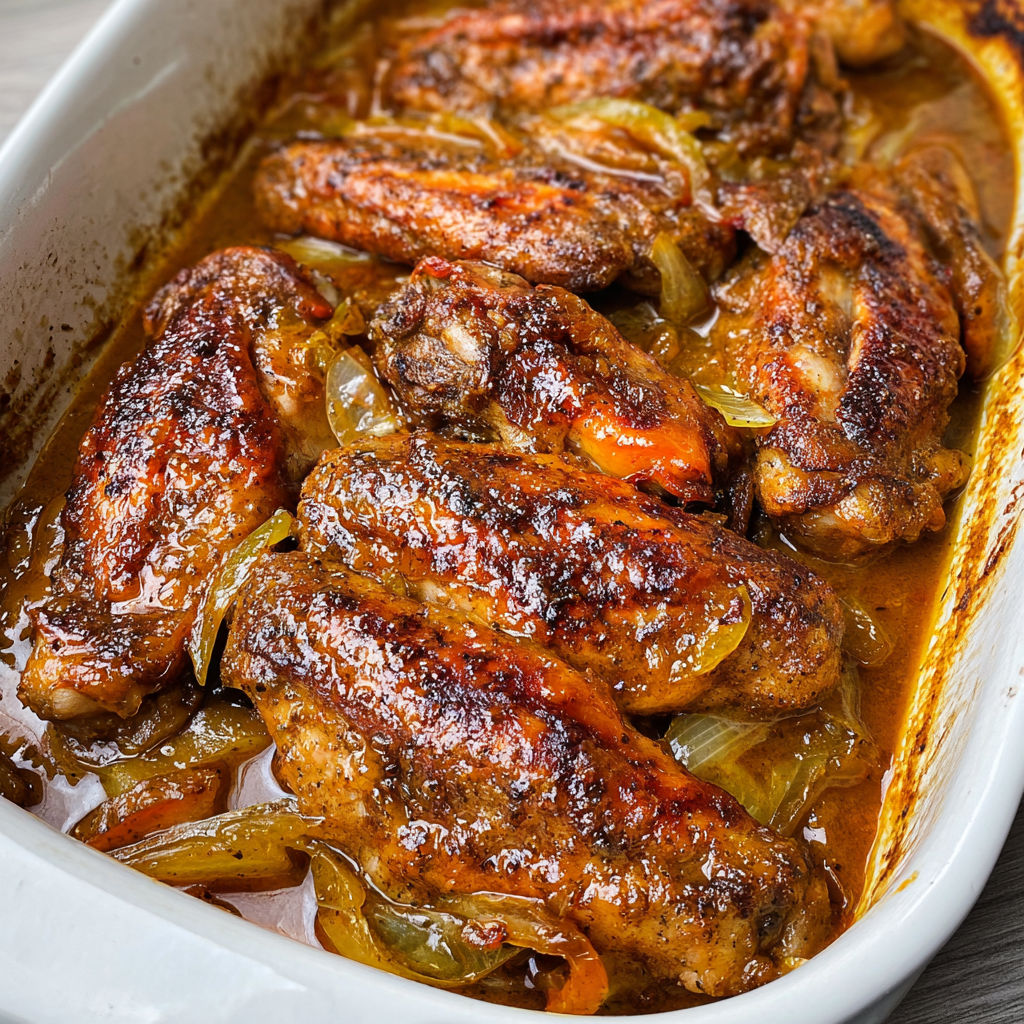
Plan on about 2 hours and 15 minutes at 375°F. The first covered bake softens the wings and builds drippings. The second bake lets the gravy thicken around the meat.
- Can I use turkey legs instead of wings?
Yes, turkey legs work with the same seasoning and gravy. They are usually thicker than wings, so add 20-30 minutes if needed. Cook until the meat is very tender and pulls back from the bone.
- How do I keep the gravy from tasting floury?
Cook the flour with the butter and vegetables for 2 full minutes before adding stock. It should smell a little nutty and look sandy. Whisk in the liquid slowly so the gravy stays smooth.
- Can I make smothered turkey wings ahead?
Yes. Bake the full dish, cool it, and refrigerate it for up to 3 days. Reheat covered at 325°F with a splash of stock until hot, then uncover for a few minutes if the gravy needs to reduce.
- What should I serve with turkey wings and gravy?
White rice, mashed potatoes, cornbread dressing, green beans, cabbage, and candied yams all fit. Choose at least one side that can soak up the gravy because that is half the pleasure of the dish.
- Can I make this without dairy?
You can use olive oil or a dairy-free butter substitute in the roux. The gravy will still thicken well as long as you cook the flour with the fat before adding stock.
