 Pin it
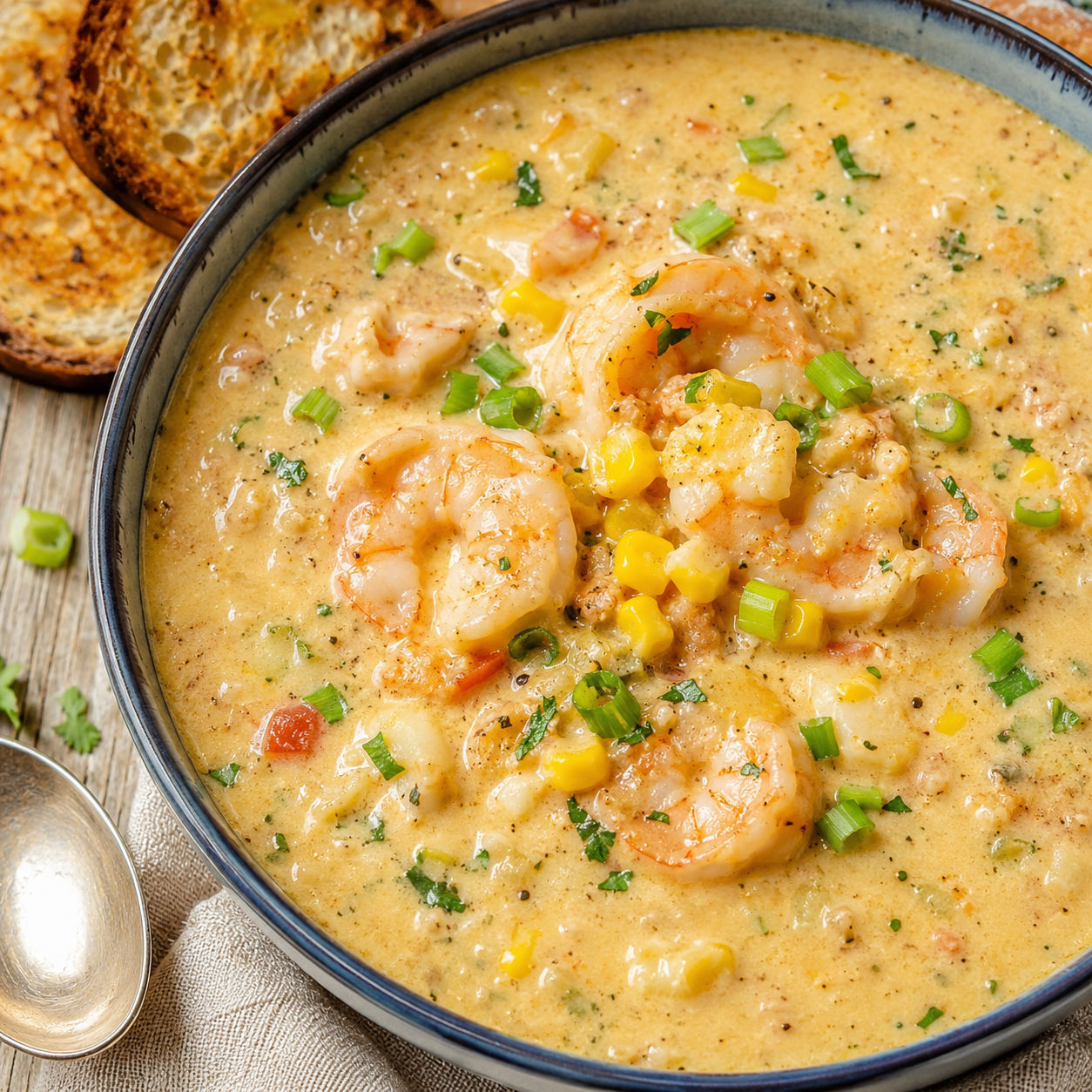
Louisiana Shrimp and Corn Bisque is the kind of soup that feels generous without being fussy. You get sweet corn, tender shrimp, a little Cajun heat, and a creamy broth that clings to the spoon.
The best bowls start with the trinity of onion, bell pepper, and celery. I like to simmer the corn in the stock, blend part of the pot for body, then add the shrimp only at the end. That keeps the soup rich without turning the seafood tough.
What Builds The Bowl
Use sweet corn, good seafood stock, and shrimp that smell clean and briny. Shell-on shrimp are useful if you want to make quick stock, but peeled shrimp keep this weeknight friendly.
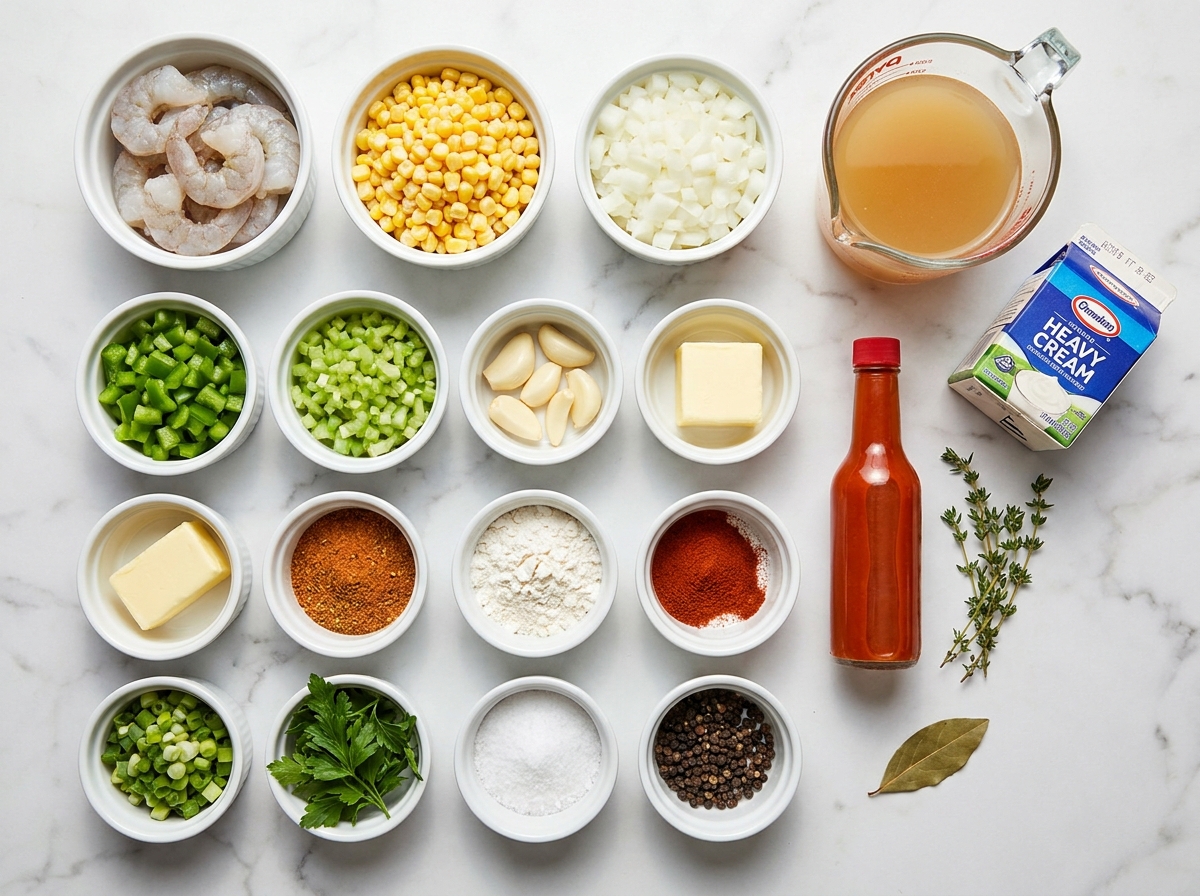
- Shrimp. The seafood flavor comes through clearly because the shrimp cook gently at the end.
- Sweet corn. Corn gives the bisque natural sweetness and helps thicken the blended base.
- Onion, bell pepper, and celery. This Cajun trinity builds the savory backbone of the soup.
- Garlic. A short cook in butter wakes it up without making it harsh.
- Butter and flour. They make a pale roux that gives the soup body.
- Seafood stock. Stock brings depth. Chicken stock works in a pinch, but seafood stock tastes more coastal.
- Cajun seasoning. It adds salt, pepper, paprika, and heat in one spoonful.
- Heavy cream. Cream rounds the spice and gives the bisque its smooth finish.
- Green onions and parsley. Fresh herbs keep the final bowl from tasting too heavy.
How The Bisque Cooks
- Soften the trinity. Cook onion, bell pepper, and celery in butter and oil until the edges look glossy and the vegetables lose their raw bite.
- Make a light roux. Stir in flour and cook it for a couple of minutes. It should smell a little nutty but stay pale.
- Simmer the corn base. Whisk in stock, then add corn, garlic, Cajun seasoning, thyme, paprika, and bay leaf. Simmer until the corn is tender and the broth tastes seasoned.
- Blend for body. Remove the bay leaf and blend about half the soup. Leave some corn and vegetables whole so the bowl still has texture.
- Finish gently. Lower the heat, stir in cream, then add shrimp. Cook just until the shrimp are pink and curled.
- Serve hot. Taste for salt, add hot sauce if you like, and finish with green onions and parsley.
Louisiana Flavor Without Fuss
The Cajun flavor here comes from layering, not dumping in spice at the end. Let the trinity soften fully before the flour goes in. Those few minutes pull sweetness from the onion and bell pepper, which balances the cayenne and paprika later.
Seafood stock makes the biggest difference. If your shrimp have shells, simmer the shells with a little onion, celery, and water for 15 minutes, then strain. If not, a good boxed seafood stock is fine. For a deeper seafood night, pair this with Creamy Crab & Shrimp Bisque or keep the same Cajun mood with Creamy Cajun Shrimp Pasta.
Texture Is The Trick
A bisque should feel creamy, but this one tastes better when it is not completely smooth. Blend half the pot with an immersion blender, then stop. You get a thick base with pockets of corn, vegetables, and shrimp in every spoonful.
If you prefer a silkier soup, blend the base fully before adding the cream and shrimp. Do not blend after the shrimp go in. It dulls their texture and makes the soup look muddy. The method is close to a corn chowder, so readers who like sweeter bowls may also enjoy Creamy Corn Chowder Recipe.
Shrimp Timing Matters
Shrimp need less time than the soup base. Add them after the cream, keep the heat low, and watch for the color change. They should turn pink, curl loosely, and feel firm but not tight.
The FDA seafood safety guide recommends cooking shrimp until the flesh is pearly and opaque. In a simmering bisque, that usually takes only a few minutes. If you are holding the soup for guests, cook the base first and add the shrimp close to serving time.
Swaps That Make Sense
Frozen corn works well and often tastes better than tired off-season ears. Canned corn can work too, but drain it first and expect a softer bite. For heat, add hot sauce at the table instead of pushing all the spice into the pot.
For a seafood mix, replace half the shrimp with crab or crawfish tails. For a smokier bowl, cook the vegetables in a spoonful of bacon drippings. If you want another creamy shrimp soup with a different feel, try Creamy Shrimp Soup.
Storage And Reheating
Store leftovers in an airtight container in the refrigerator for up to 3 days. Reheat slowly on the stove over medium-low heat. Add a splash of stock or milk if the bisque has thickened overnight.
Freezing is best before the shrimp and cream are added. Dairy can separate in the freezer, and cooked shrimp can turn tight when reheated. Freeze the corn base for up to 2 months, thaw it in the fridge, then finish with fresh cream and shrimp.
Summary
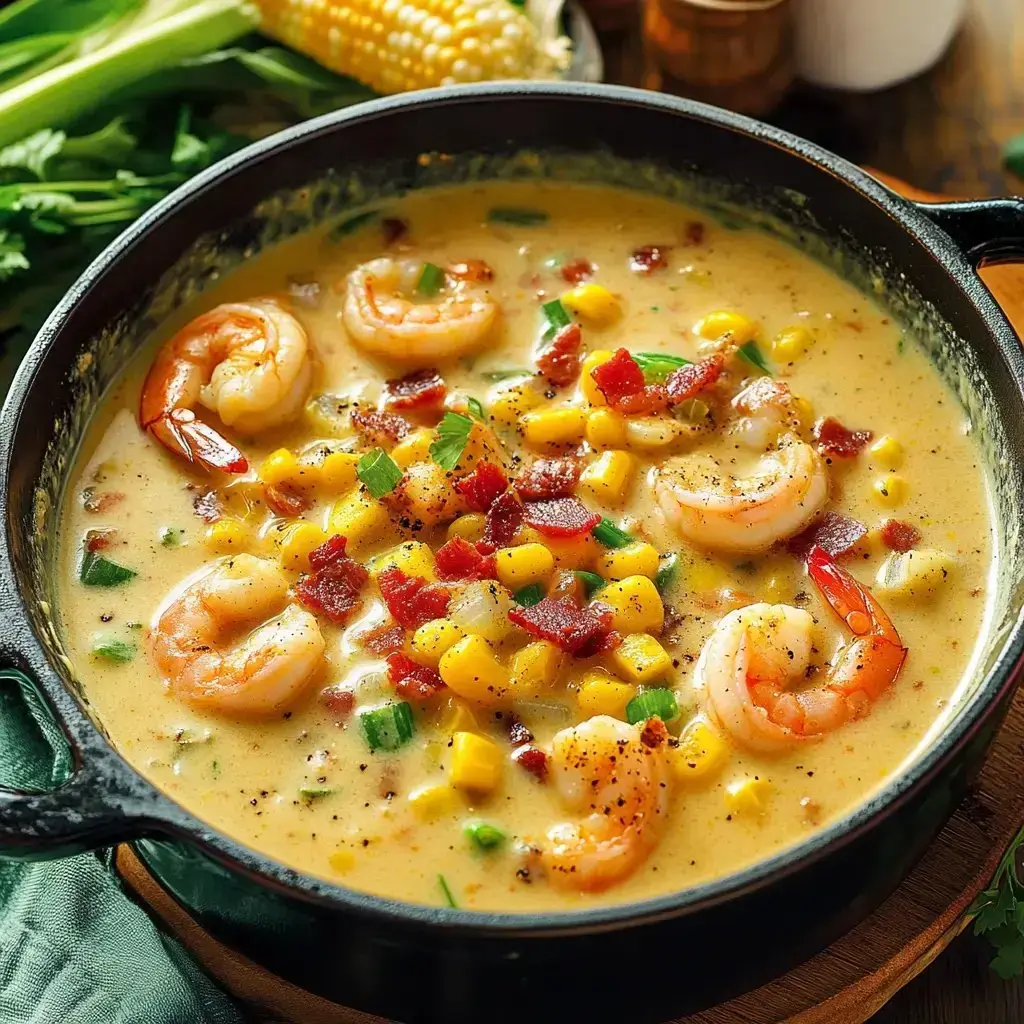
Serve this bisque hot with green onions, parsley, and crusty bread. The base can be made ahead, but the shrimp and cream are best added fresh.
FAQs
- Can I use frozen shrimp in Louisiana Shrimp and Corn Bisque?
Yes. Thaw frozen shrimp in the refrigerator overnight or under cold running water, then pat them dry. Add them near the end and simmer just until pink and opaque.
- Can I make shrimp and corn bisque gluten-free?
Yes. Skip the flour and thicken the soup with 1 tablespoon cornstarch mixed with 2 tablespoons cold water. Stir the slurry into the simmering stock before you add the cream.
- How do I keep the shrimp from getting rubbery?
Do not boil the shrimp. Keep the bisque at a gentle simmer and cook them for about 3-4 minutes, just until they curl and turn opaque.
- Can I make the bisque ahead?
Make the soup base up to two days ahead without the cream or shrimp. Reheat it gently, then stir in the cream and shrimp right before serving.
- What can I serve with Cajun shrimp bisque?
Crusty bread, cornbread, or a simple green salad all work well. For a bigger meal, serve smaller cups of bisque before grilled fish or a Cajun pasta dinner.
- Can I use crab or crawfish instead of shrimp?
Yes. Crawfish tails or lump crab both fit the same creamy corn base. Add crab at the very end so it warms through without breaking apart.
