 Pin it
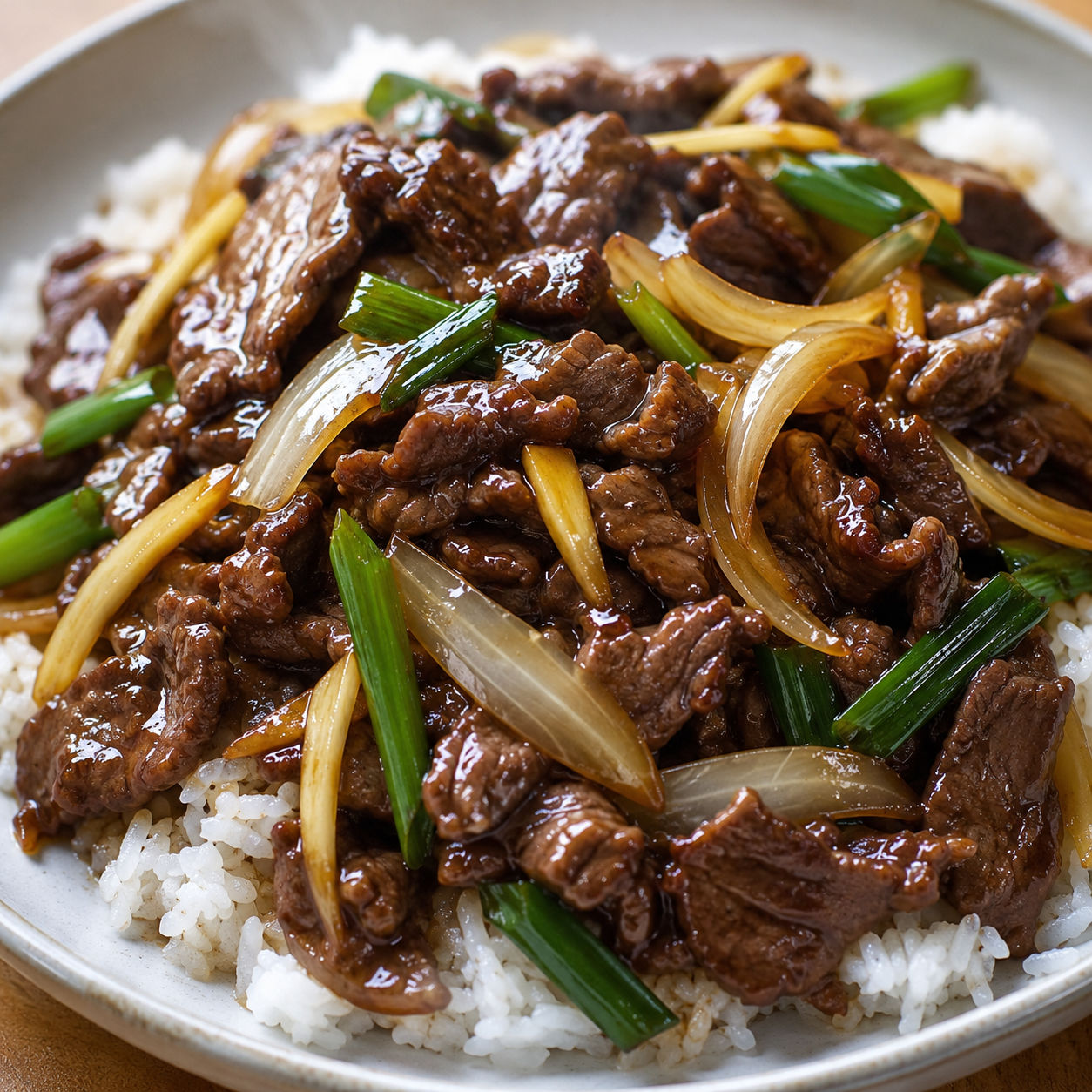
Oyster Sauce Beef and Onion Stir-Fry with Ginger is the kind of skillet dinner that smells good before it even hits the table. The onions soften at the edges, the ginger stays bright, and the beef comes out glossy instead of dry.
The small move that makes it work is a short marinade with soy sauce, Shaoxing wine, and cornstarch. It seasons the beef and gives each strip that tender, restaurant-style texture.
The Savory Stir-Fry Lineup
Choose beef with visible grain so you can slice across it cleanly. Fresh ginger matters here because it cuts through the salty oyster sauce and wakes up the sweet onion.
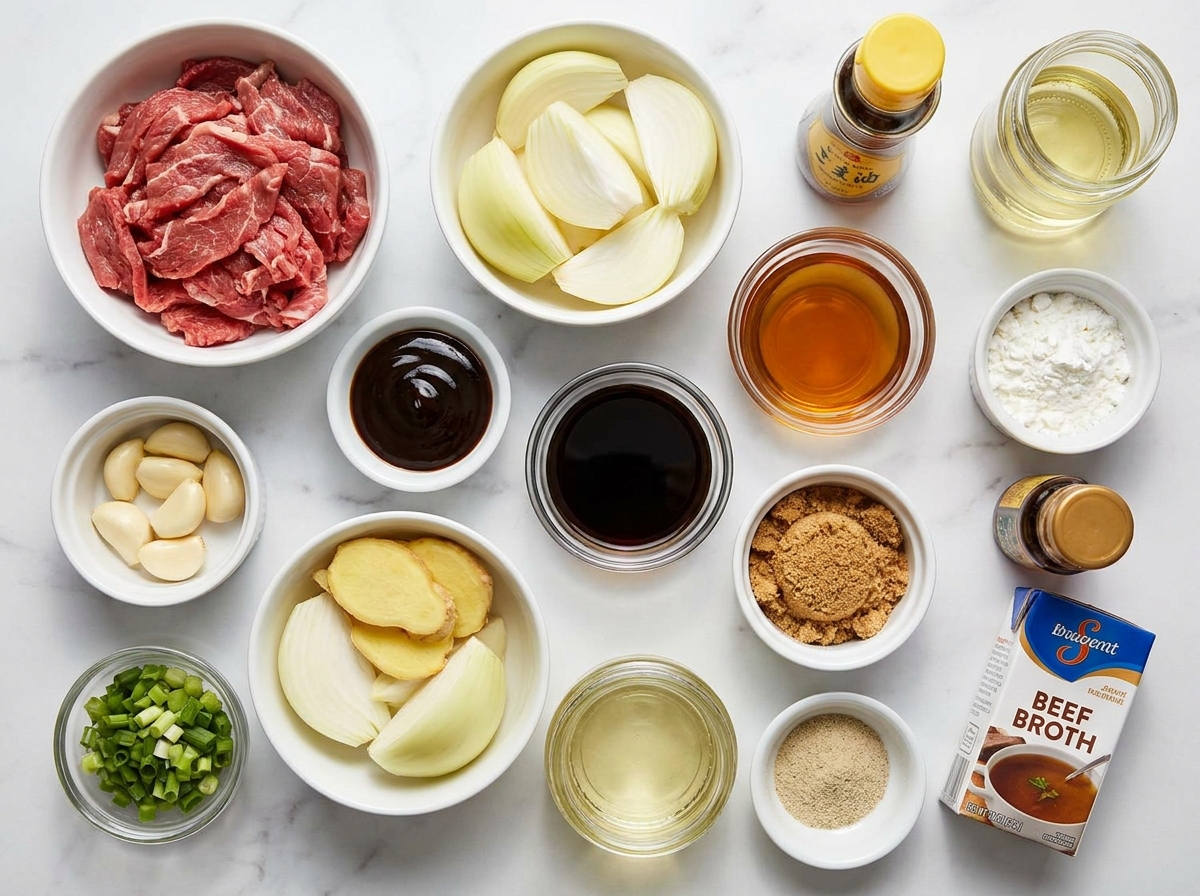
- Flank steak or sirloin. Thin slices brown fast and stay tender when cut against the grain.
- Yellow onion. Adds sweetness and soft, juicy edges that balance the savory sauce.
- Fresh ginger. Brings warmth and a sharp, clean aroma.
- Garlic. Rounds out the sauce with a mellow savory base.
- Oyster sauce. Gives the stir-fry its glossy body and deep umami flavor.
- Soy sauce. Seasons the beef and adds salt without making the sauce heavy.
- Shaoxing wine. Adds depth and helps the marinade taste rounder.
- Cornstarch. Coats the beef lightly so it sears tender and helps the sauce cling.
- Sesame oil. Finishes the dish with a nutty aroma.
- Green onions. Add freshness right before serving.
Oyster Sauce Beef and Onion Steps
- Slice and marinate. Cut the beef across the grain into thin strips. Toss with soy sauce, Shaoxing wine, cornstarch, white pepper, and a little oil so the slices are seasoned and lightly coated.
- Mix the sauce. Whisk oyster sauce, soy sauce, broth, brown sugar, sesame oil, and cornstarch in a small bowl. Keep it beside the stove because stir-frying moves fast.
- Sear the beef. Heat a wok or large skillet until very hot. Cook the beef in a single layer for 1-2 minutes, then remove it while it is still tender.
- Cook the onions. Add the onion wedges and stir-fry until the edges soften but the centers still have bite. This usually takes about 3 minutes.
- Add aromatics. Stir in ginger and garlic for 30 seconds. They should smell strong and fresh, not browned.
- Finish glossy. Return the beef, pour in the sauce, and toss until everything is coated and shiny. Sprinkle with green onions and serve right away.
Heat Is The Real Sauce
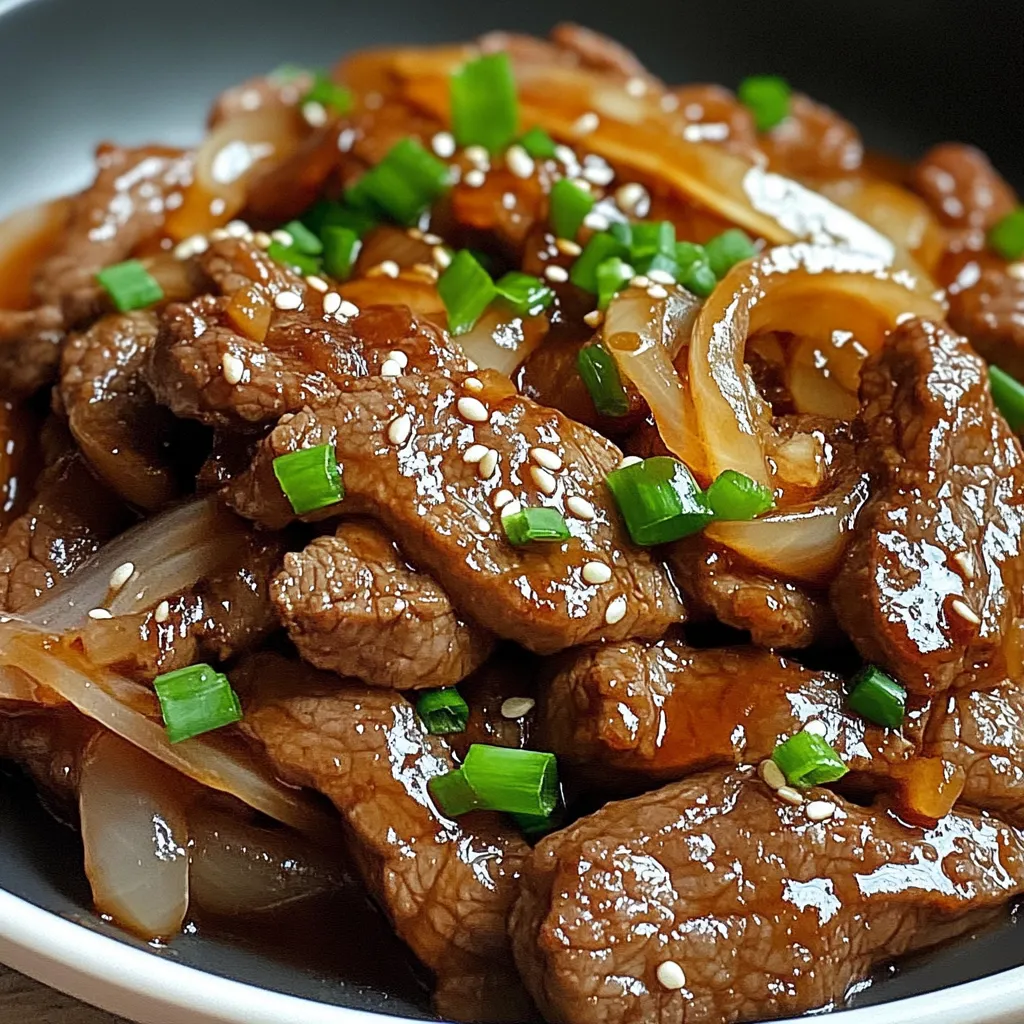
A stir-fry should sound active when the beef hits the pan. If the pan is quiet, the meat will steam and shed liquid before it browns. Heat the wok or skillet first, then add the oil, then the beef.
Cook in batches if your pan is small. Crowding is the fastest way to lose that tender seared texture. This is the same hot-pan logic that makes Pepper Steak Stir Fry work so well.
Why The Beef Stays Tender
The marinade is short, but it does real work. Soy sauce seasons the surface, Shaoxing wine softens the edges, and cornstarch creates a thin coating that protects the meat from the pan's fierce heat. You do not need a long soak. Ten minutes is enough.
For food safety, the USDA notes that whole cuts of beef should reach 145°F with a rest. Thin stir-fry slices are hard to temp one by one, so cook until the outside is browned and the pieces are no longer raw in the center. You can read more in the USDA beef safety guide.
Sauce Balance That Works
Oyster sauce is thick and salty-sweet, so it needs a little liquid to loosen it. Broth keeps the sauce glossy without watering it down. A small pinch of brown sugar rounds out the ginger and onion, but keep it modest.
If you want to keep a jar ready for busy nights, the flavor profile fits nicely with this All-Purpose Stir Fry Sauce. For more heat, add chili crisp at the table rather than cooking it into the sauce.
Easy Swaps For Busy Nights
Red onion gives a sharper bite. Sweet onion makes the dish softer and more mellow. Bell peppers, snow peas, mushrooms, or broccoli can join the pan, but cook firm vegetables before the beef goes back in so nothing turns watery.
If you want a spicier dinner, try the same slicing and searing method used in Spicy Beef and Veggie Stir Fry. For a lighter side, Asian Asparagus with Ginger and Soy Sauce keeps the ginger theme without adding another heavy sauce.
Storage And Reheating
Leftovers keep in an airtight container in the fridge for up to 3 days. Reheat in a skillet over medium heat with 1-2 tablespoons of water or broth. That small splash loosens the sauce and keeps the beef from drying out.
I do not recommend freezing this dish after cooking. The onions lose their snap and the sauce can turn thin. If you want to prep ahead, slice the beef and onions earlier in the day, then cook just before dinner.
Summary
This beef stir-fry is best served hot from the pan with steamed rice, noodles, or crisp vegetables.
FAQs
- What cut of beef works best for this stir-fry?
Flank steak, sirloin, or skirt steak all work well because they cook quickly and slice cleanly. Cut against the grain into thin strips so the finished beef stays tender.
- Can I use chicken instead of beef?
Yes. Use thin slices of boneless chicken thigh or breast and cook until no pink remains. Chicken thigh is more forgiving and stays juicier in the hot pan.
- What can I substitute for Shaoxing wine?
Dry sherry is the closest easy swap. If you cook without alcohol, use low-sodium beef broth with a small splash of rice vinegar for balance.
- How do I keep the beef from turning tough?
Slice it thinly across the grain, marinate it with cornstarch, and cook it in a very hot pan for a short time. Pull it out as soon as the outside browns, then return it only at the end.
- Can I make oyster sauce beef ahead?
You can slice and marinate the beef up to 8 hours ahead. The finished stir-fry tastes best fresh, but leftovers keep well in the fridge for 3 days.
- Is this recipe gluten-free?
Not as written because most soy sauce and many oyster sauces contain wheat. Use certified gluten-free tamari and a gluten-free oyster sauce if you need a gluten-free version.
- What should I serve with ginger beef and onions?
Steamed jasmine rice is the easiest pairing. Rice noodles, fried rice, or a crisp green vegetable like asparagus or bok choy also work well.
