 Pin it
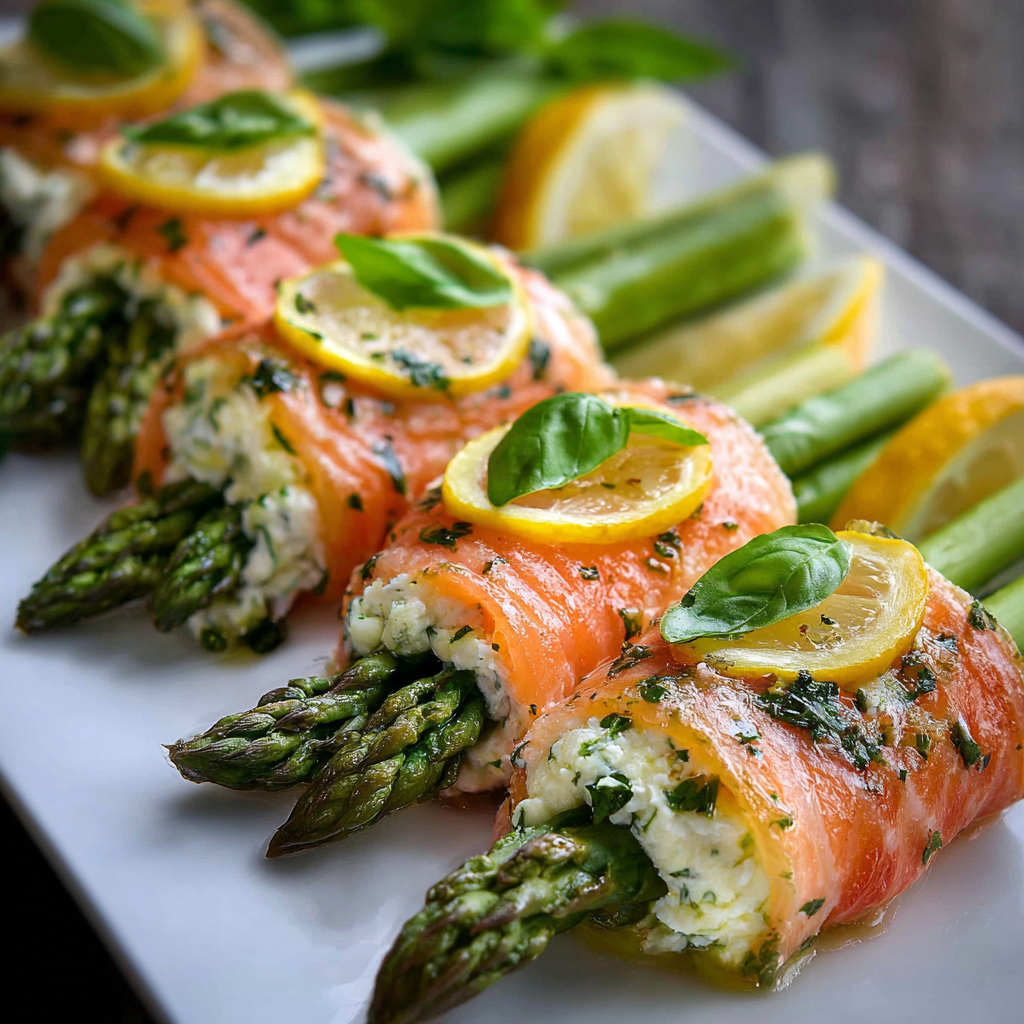
These lemon basil salmon rolls with creamy cheese and asparagus look more dressed up than the effort asks for. The filling is simple, just softened cream cheese, lemon zest, garlic, and basil, but it keeps the salmon moist while it bakes.
I like this recipe when I want a lighter dinner that still feels complete. The asparagus roasts under the fish, catching a little lemon and olive oil, so everything finishes on one sheet pan.
Lemon Basil Salmon Roll Ingredients
Use center-cut salmon if you can, since the pieces are easier to slice and roll. The filling should taste bright before it goes into the fish, so do not be shy with lemon zest and basil.
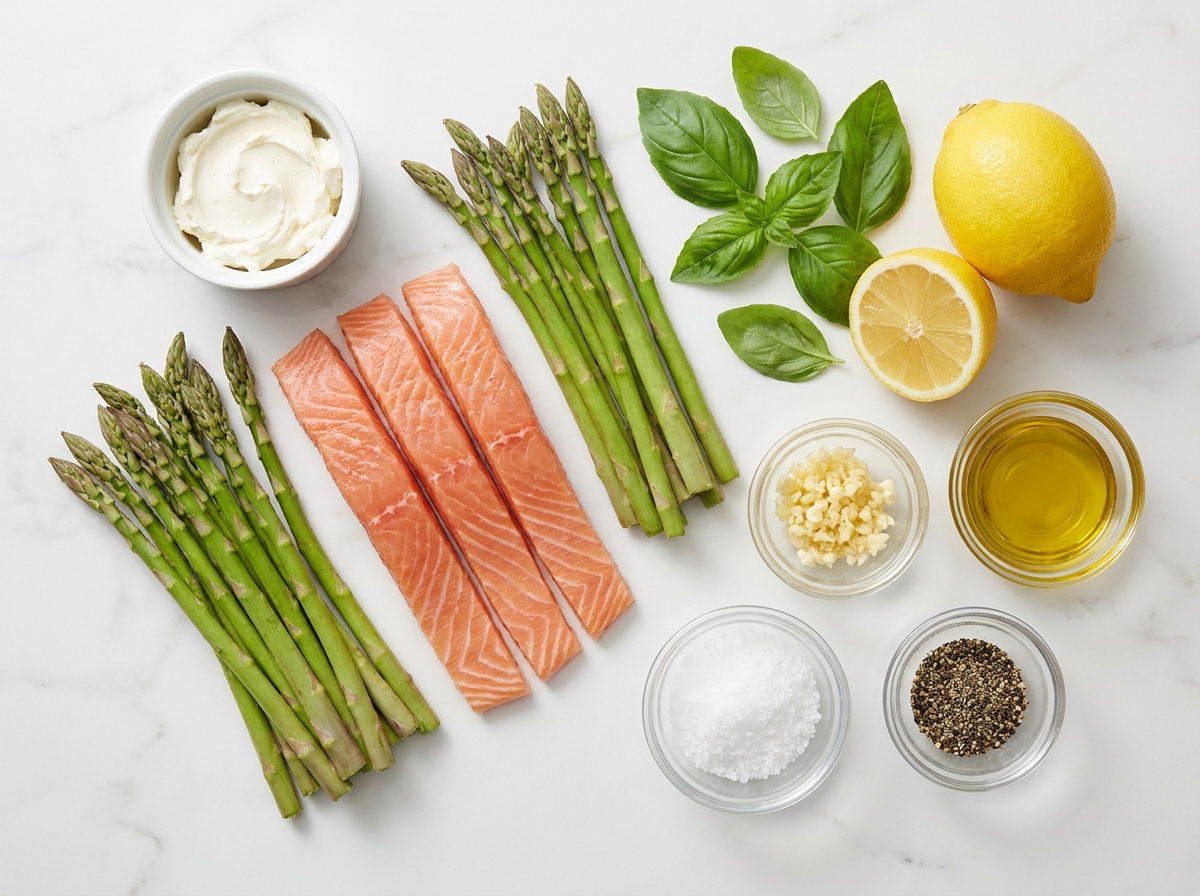
- Salmon fillets. Thin, skinless pieces roll neatly around the filling and bake quickly.
- Cream cheese. Softened cream cheese makes the center rich and helps hold the herbs in place.
- Lemon zest and juice. Zest perfumes the filling, while juice brightens the pan before baking.
- Fresh basil. Chopped basil gives the rolls their fresh, green flavor.
- Garlic. A small clove adds warmth without overpowering the salmon.
- Asparagus. The spears roast under the rolls and turn tender with lightly crisp tips.
- Olive oil. A drizzle helps the asparagus roast and keeps the fish glossy.
- Salt and black pepper. Simple seasoning lets the lemon, basil, and salmon stay clear.
Rolling And Baking The Salmon
- Heat the oven. Set the oven to 375°F and line a sheet pan with parchment for easier cleanup.
- Season the asparagus. Trim the woody ends, toss the spears with olive oil, salt, and pepper, then spread them in a single layer.
- Mix the filling. Stir softened cream cheese with lemon zest, basil, garlic, salt, and pepper until smooth.
- Fill the salmon. Pat the salmon dry, spread a thin layer of filling over each piece, and roll it up gently.
- Bake seam-side down. Set the rolls on the asparagus, drizzle with lemon juice and olive oil, then bake until the salmon is opaque and flakes easily.
- Finish fresh. Rest for a few minutes, then add more basil and a few lemon wedges before serving.
Keep The Filling Tidy
The only fussy part is the thickness of the filling. It should spread easily but not slump off the fish. Softened cream cheese is best because it blends smoothly with lemon zest and herbs. If it is cold, it tears the salmon as you spread it.
Use a light hand. A heaping spoonful sounds nice, but too much filling pushes out during baking. Spread a thin, even layer and leave a small border around the edges. For a similar lemon-and-salmon dinner without rolling, try garlic butter salmon with herbs and lemon.
Doneness Without Dry Fish
Salmon rolls cook faster than thick whole fillets because the pieces are thin. Start checking around 16 minutes. The fish should be opaque, moist, and easy to flake with a fork. The center will keep cooking for a minute or two after it leaves the oven.
The FDA seafood safety guide recommends cooking fish to 145°F. A thermometer is the cleanest way to know. If you cook salmon often, this one small check saves you from dry edges and underdone centers.
Smart Swaps For The Pan
Ricotta works well if you want a lighter filling. Goat cheese is tangier and pairs nicely with lemon, but use a little less because it is stronger. Dill, parsley, or chives can stand in for basil if that is what you have.
For the vegetable base, asparagus is the natural fit, but broccolini and green beans are good backup choices. If you want a heartier plate, serve the rolls with quick one skillet salmon with lemon orzo flavors on the side, or add garlic butter asparagus orzo when you are not keeping dinner low-carb.
Serving It Cleanly
Let the pan rest for 3-5 minutes before moving the rolls. That pause helps the cheese settle and keeps the salmon from breaking. Use a thin spatula and lift from underneath, catching some asparagus with each portion.
A little lemon at the table matters. The fish is rich, the cheese is creamy, and the asparagus tastes greener with a final squeeze. If you want another creamy salmon idea for a later night, baked salmon creamy spinach sauce has the same comfort with a saucier finish.
Storing And Reheating Leftovers
Store leftovers in an airtight container in the fridge for up to 2 days. Reheat them gently at 300°F until warm, about 10 minutes, covered loosely with foil. A microwave works in a pinch, but use half power and short bursts so the salmon does not turn tough.
I do not recommend freezing the finished rolls. Cream cheese can turn grainy after thawing, and asparagus loses its snap. If you want to prep ahead, mix the filling and trim the asparagus the day before, then roll and bake close to dinner.
Summary
Bright lemon, fresh basil, creamy cheese, and tender salmon make a simple sheet-pan dinner that feels elegant without extra work.

FAQs
- How thin should the salmon be for rolls?
Aim for fillets about 1/3 inch thick so they bend without cracking. If your pieces are thicker, slice them lengthwise with a sharp knife or ask the fish counter to cut them for rolling.
- Can I use ricotta instead of cream cheese?
Yes. Ricotta makes a lighter, softer filling, while cream cheese gives a richer and firmer center. If using ricotta, drain off any watery liquid first so the rolls do not leak.
- Can I assemble salmon rolls ahead of time?
You can assemble them up to 6 hours ahead. Cover the pan and refrigerate it, then let it sit at room temperature for about 10 minutes while the oven heats.
- How do I know when the salmon is done?
The salmon should turn opaque and flake easily at the thickest part. For food safety, the FDA recommends cooking fish to 145°F.
- What can I use instead of asparagus?
Broccolini, green beans, or thin zucchini spears all work. Choose a vegetable that cooks in about 15-20 minutes so it finishes with the salmon.
- What should I serve with salmon rolls?
They are satisfying with rice, lemon orzo, or a crisp green salad. For a low-carb meal, add roasted vegetables or a cucumber salad.
