 Pin it
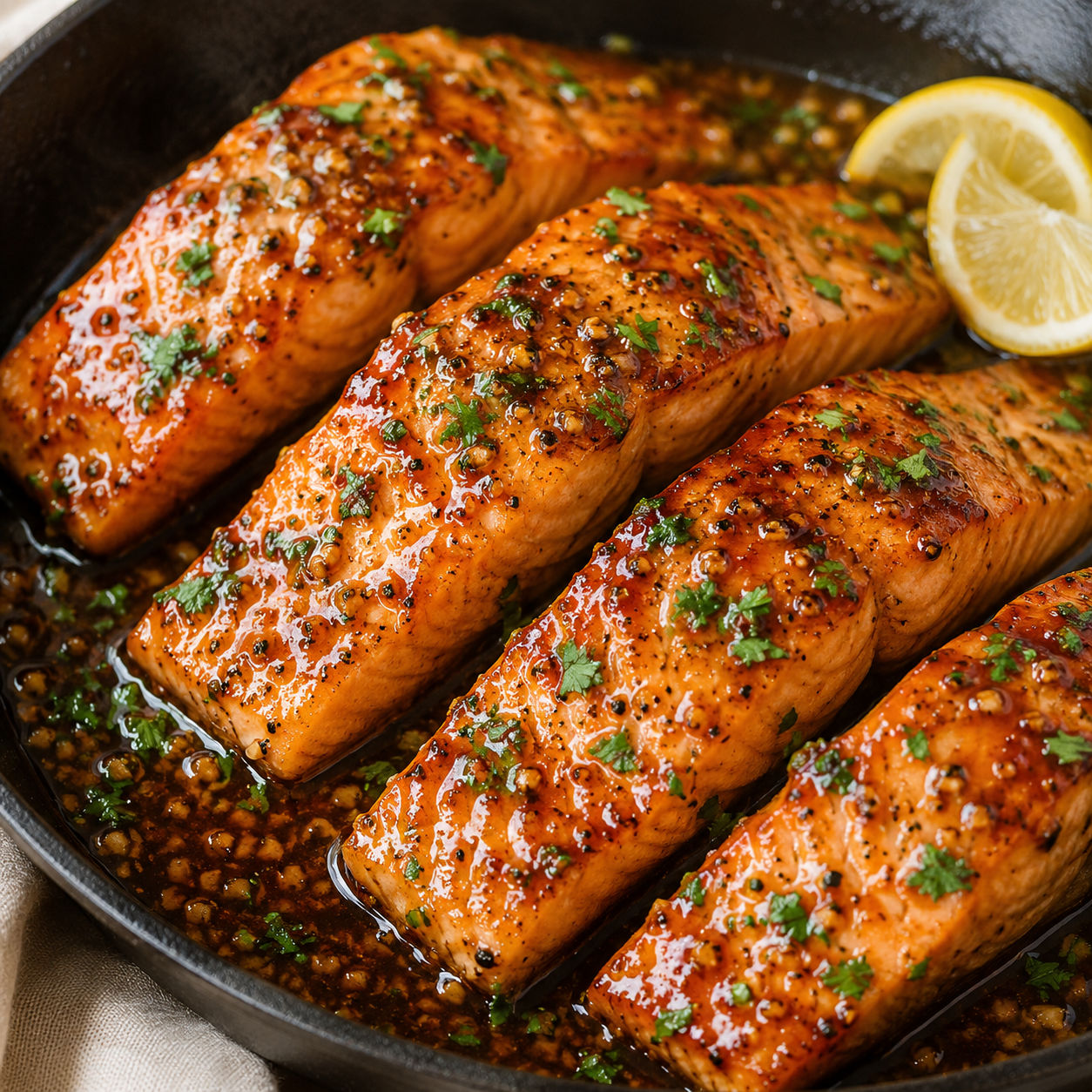
Honey Garlic Salmon with Glazed Sauce and Fresh Parsley is the kind of dinner that looks like you fussed over it, but it only asks for one pan and a few pantry staples. The sauce is sweet, salty, garlicky, and bright enough from lemon to keep the honey from feeling heavy.
I like this best with skin-on salmon because the fillets hold together while the glaze bubbles around them. The parsley goes on at the end, not as decoration, but as a fresh bite against the sticky sauce.
Honey Garlic Salmon Ingredients
Choose salmon fillets that are similar in thickness so they cook at the same pace. Mild honey, fresh garlic, lemon, and parsley keep the glaze balanced instead of flat and sugary.
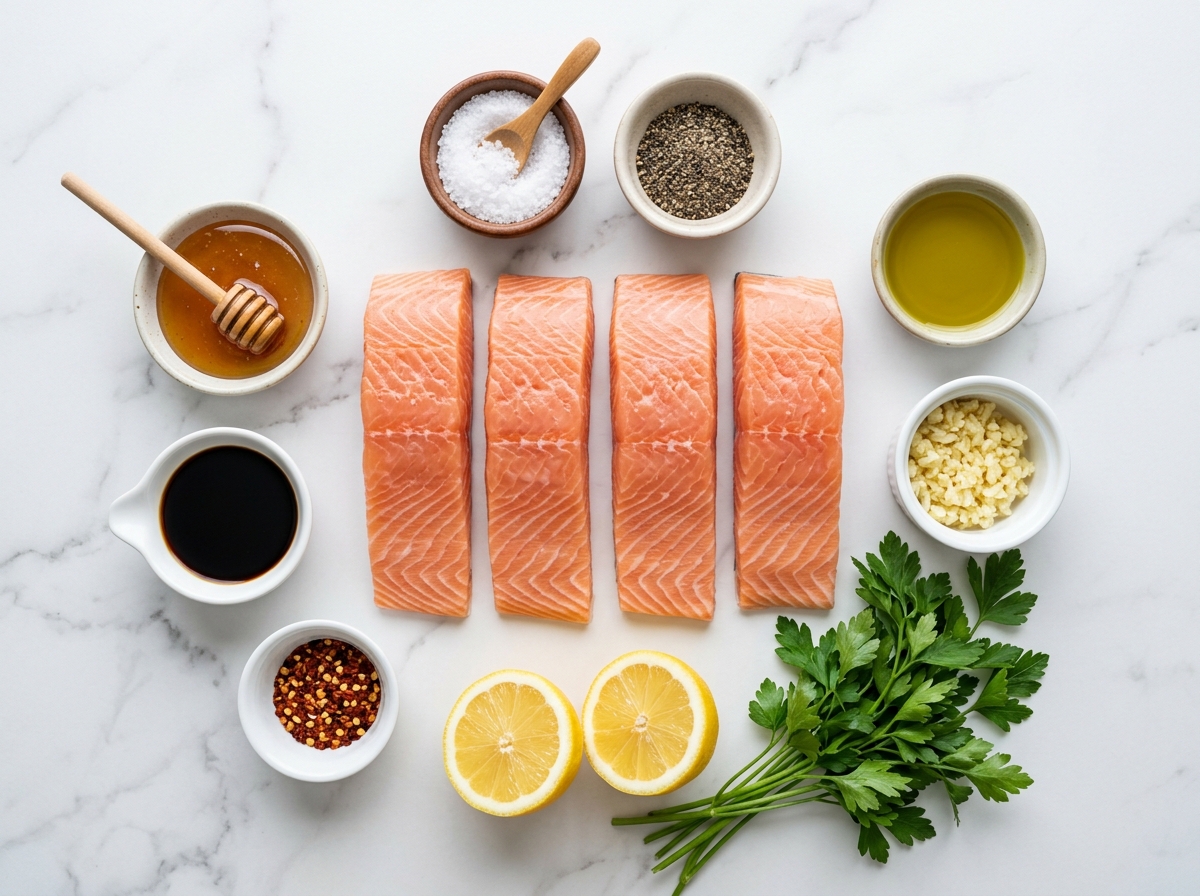
- Salmon fillets. Skin-on pieces hold together well and give the fish a sturdy base in the skillet.
- Honey. Sweetens the sauce and helps it reduce into a shiny glaze.
- Tamari or soy sauce. Adds salt and savory depth so the glaze does not taste like straight honey.
- Fresh garlic. Cooks briefly in the pan and gives the sauce its warm, sharp edge.
- Lemon juice. Cuts through the sweetness and brightens the finished fish.
- Olive oil. Helps the salmon sear cleanly before the glaze goes in.
- Fresh parsley. Adds color and a clean herbal finish right before serving.
- Red pepper flakes. Optional, but a small pinch keeps the sauce lively.
Sear, Glaze, and Baste
- Season the salmon. Pat the fillets dry, then season both sides with salt and pepper. Dry fish browns faster and keeps the sauce from turning watery.
- Whisk the glaze. Stir honey, tamari or soy sauce, lemon juice, water, and red pepper flakes in a small bowl until smooth.
- Sear the first side. Heat olive oil in a skillet over medium-high heat. Cook the salmon flesh-side down until golden, about 4 minutes.
- Flip and add garlic. Turn the salmon skin-side down. Add the garlic to the open space in the pan and stir for 20-30 seconds, just until fragrant.
- Glaze the salmon. Pour in the honey mixture and lower the heat to medium. Spoon the bubbling sauce over the fish for 3-5 minutes until glossy and cooked through.
- Finish fresh. Remove from the heat, scatter parsley over the top, and spoon on any thick glaze left in the skillet.
Keep Garlic From Burning
Garlic is the flavor that makes this sauce feel cooked rather than just mixed, but it burns quickly in a hot skillet. Let the salmon get its color first. Then add the garlic after the flip, when the pan has a little oil and salmon juices in it. You only need half a minute before the glaze goes in.
If you love this flavor family, the site also has Honey Garlic Salmon Fillets and smaller Quick Honey Garlic Salmon Bites for a faster bite-size version.
The Glaze Should Coat
The sauce is ready when it leaves a shiny trail on the spoon and clings to the top of the salmon. If it looks thin after the fish is cooked, move the salmon to a plate and simmer the sauce alone for 1 minute. If it gets too thick, loosen it with a spoonful of water and swirl the pan.
A simple honey-soy balance is common in quick salmon recipes, including this tested stovetop version from The Kitchn. The parsley here gives the finished dish a fresher, cleaner finish.
Smart Swaps
Tamari keeps the sauce close to soy sauce in flavor. Coconut aminos make it sweeter, so use a little less honey. Lime juice can replace lemon if that is what you have. Chopped cilantro works in place of parsley, but it changes the profile and makes the dish taste brighter and more citrusy.
For a sauce-focused dinner, serve this with All-Purpose Stir Fry Sauce on vegetables or spoon the extra salmon glaze over plain rice. For a richer salmon night, try Garlic Butter Salmon with Herbs and Lemon.
Serving It Well
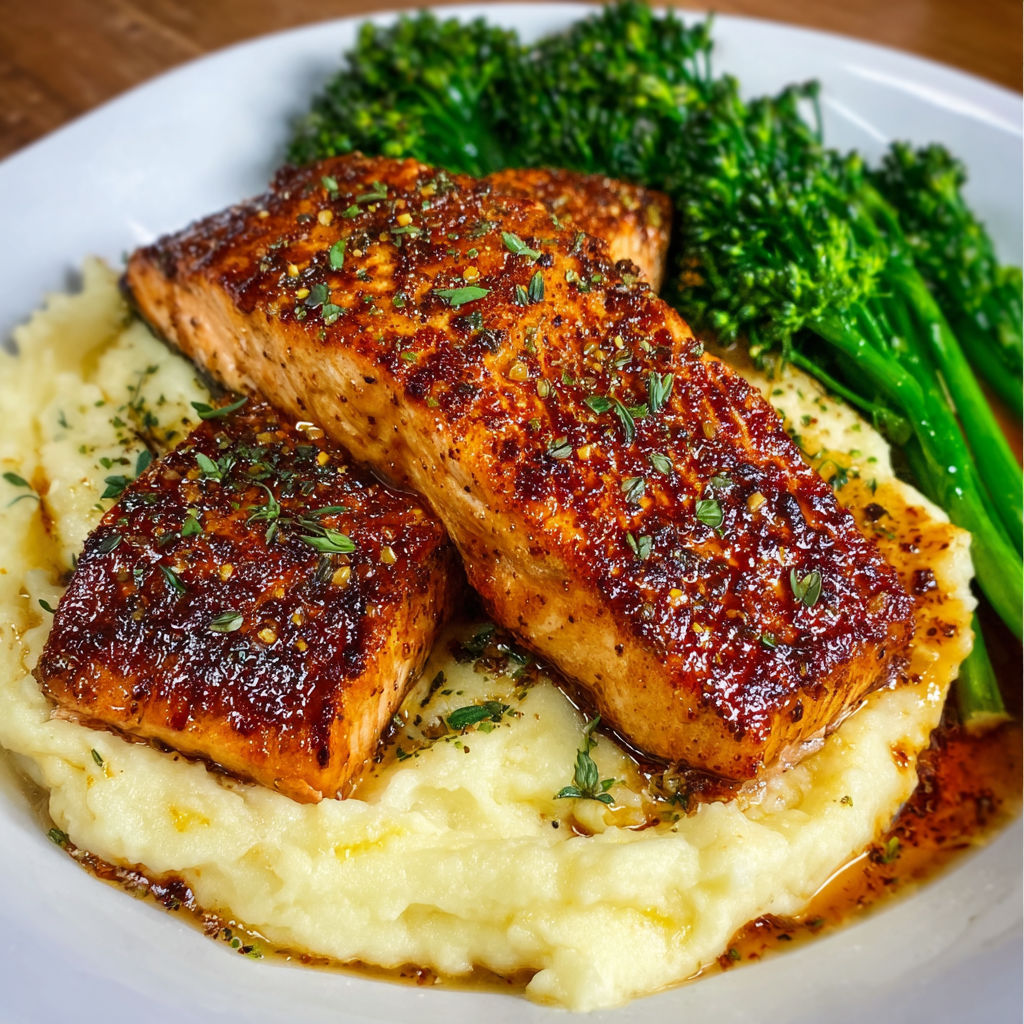
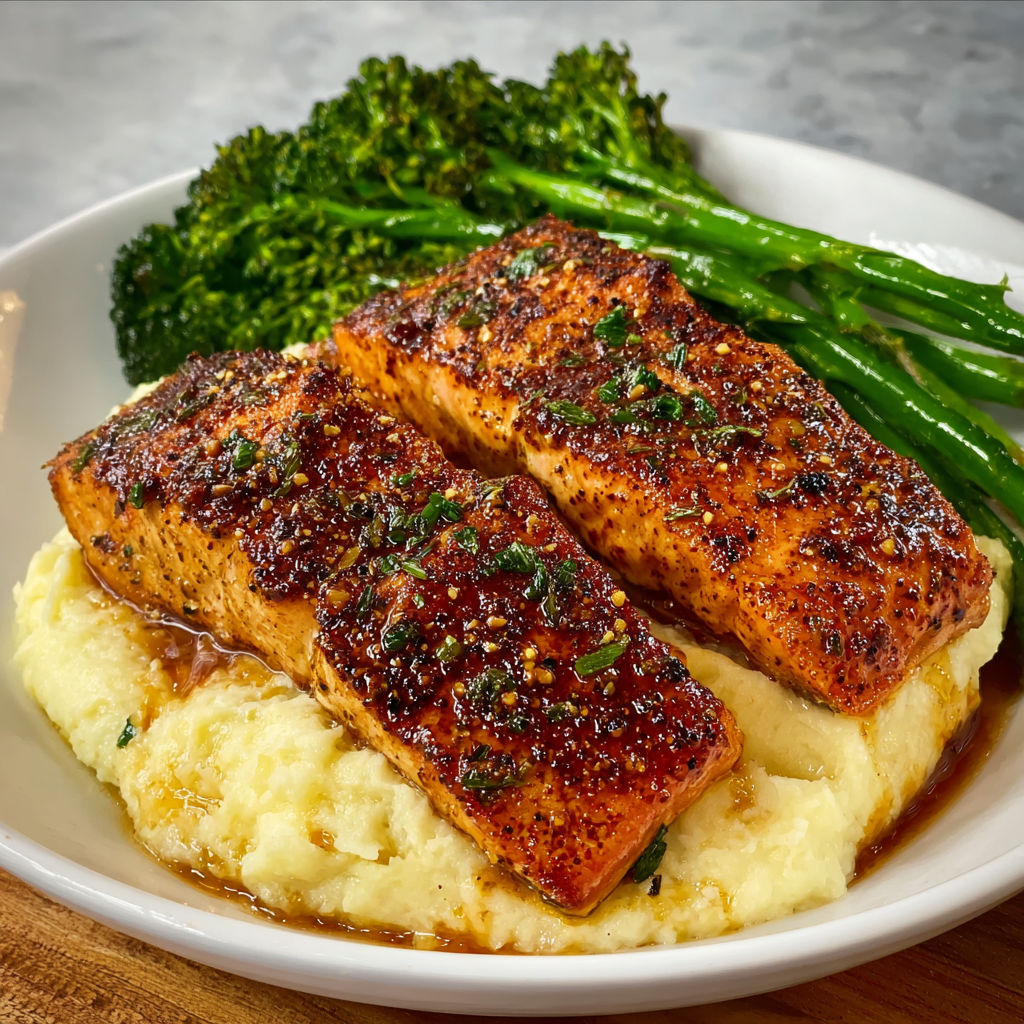
This salmon wants something plain enough to catch the glaze. Steamed jasmine rice, roasted baby potatoes, couscous, or quinoa all work. For vegetables, go crisp and green. Broccoli, asparagus, snap peas, and green beans balance the sweet sauce without competing with it.
For safe cooking guidance, the FDA seafood safety guide lists 145°F for fish. Many cooks pull salmon slightly earlier for a softer center, but use your own comfort level and the freshness of your fish.
Leftovers Without Dry Fish
Store leftover salmon in an airtight container for up to 2 days. Reheat it gently in a covered skillet over low heat with a spoonful of water. Stop as soon as it is warm. The microwave works in a pinch, but short bursts are best because salmon can go from tender to dry fast.
Summary
Serve this glazed salmon with rice, roasted potatoes, steamed broccoli, or a crisp green salad.
FAQs
- Can I use frozen salmon for honey garlic salmon?
Yes. Thaw the salmon overnight in the fridge, then pat it very dry before seasoning. Extra moisture makes it harder to brown and can thin the glaze.
- Can I make this with skinless salmon?
Skinless fillets work, but handle them gently because they are more likely to break. Use a nonstick skillet and flip once, only after the first side releases easily.
- What can I use instead of soy sauce?
Tamari gives a similar salty flavor and is often the best swap. Coconut aminos also work, though they are sweeter, so reduce the honey by 1 tablespoon.
- How do I know when salmon is done?
The thickest part should flake with a fork and look just opaque in the center. For food safety, the FDA lists 145°F as the cooked temperature for fish.
- Can I make the glaze ahead?
Yes. Whisk the honey, tamari or soy sauce, lemon juice, water, and red pepper flakes up to 3 days ahead. Add the fresh garlic when cooking so it tastes clean and does not turn harsh.
- What should I serve with honey garlic salmon?
Rice is the easiest choice because it catches the extra sauce. Roasted potatoes, steamed green beans, broccoli, asparagus, or a cucumber salad also fit well.
