 Pin it
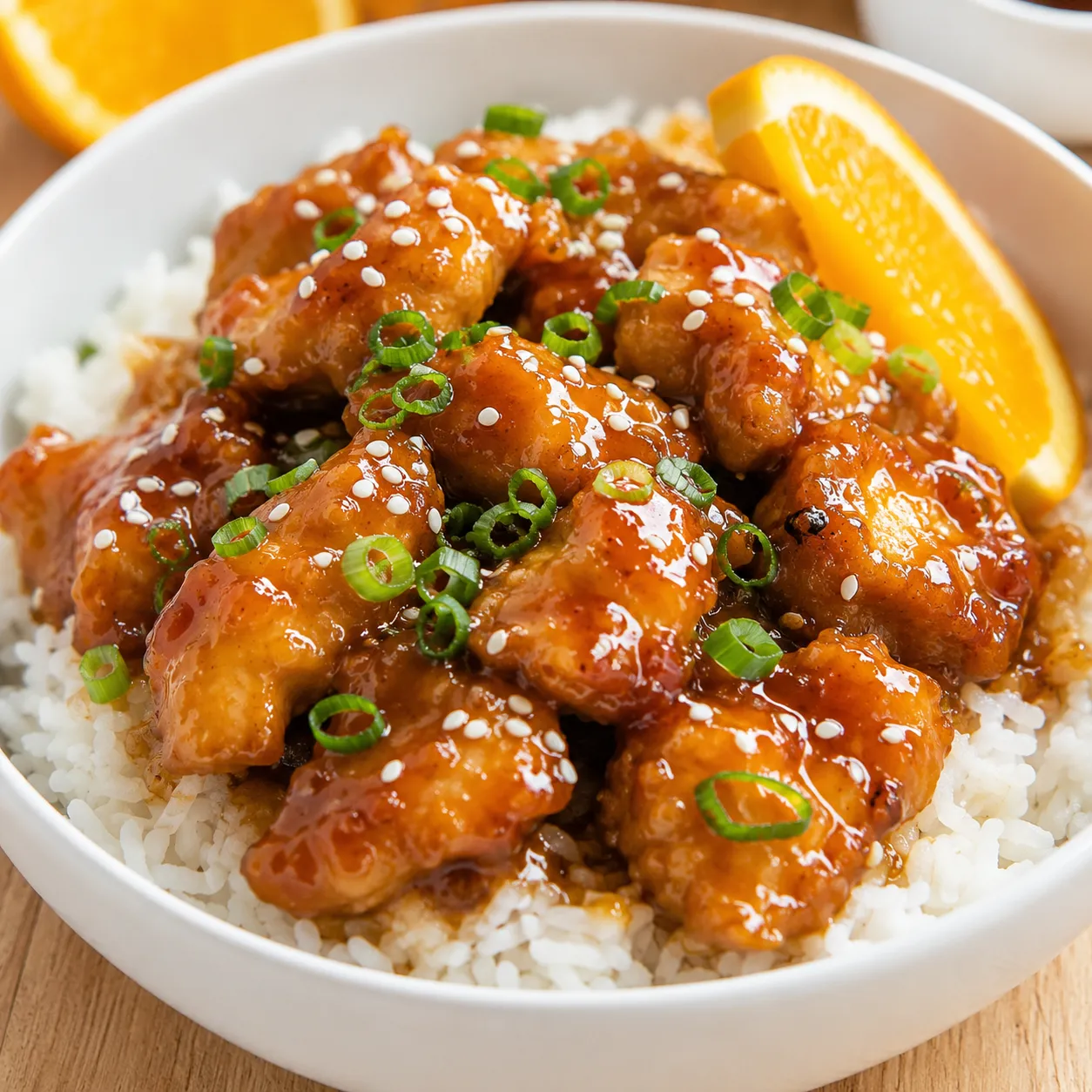
Homemade Orange Chicken Bites are for the night when you want takeout flavor without waiting on delivery. The chicken gets a light cornstarch coating that fries up golden, then a quick orange sauce turns glossy in the same pan.
I like this version because it tastes like real orange, not just sugar. Fresh zest goes in at the end, so the sauce stays bright and the chicken keeps those crisp edges for the first few minutes on the plate.
What makes these bites shine
The best orange chicken starts with small, even chicken pieces and a sauce that balances sweet, salty, sour, and fresh citrus. Use a real orange for the zest if you can, because the peel gives the glaze its clean orange smell.
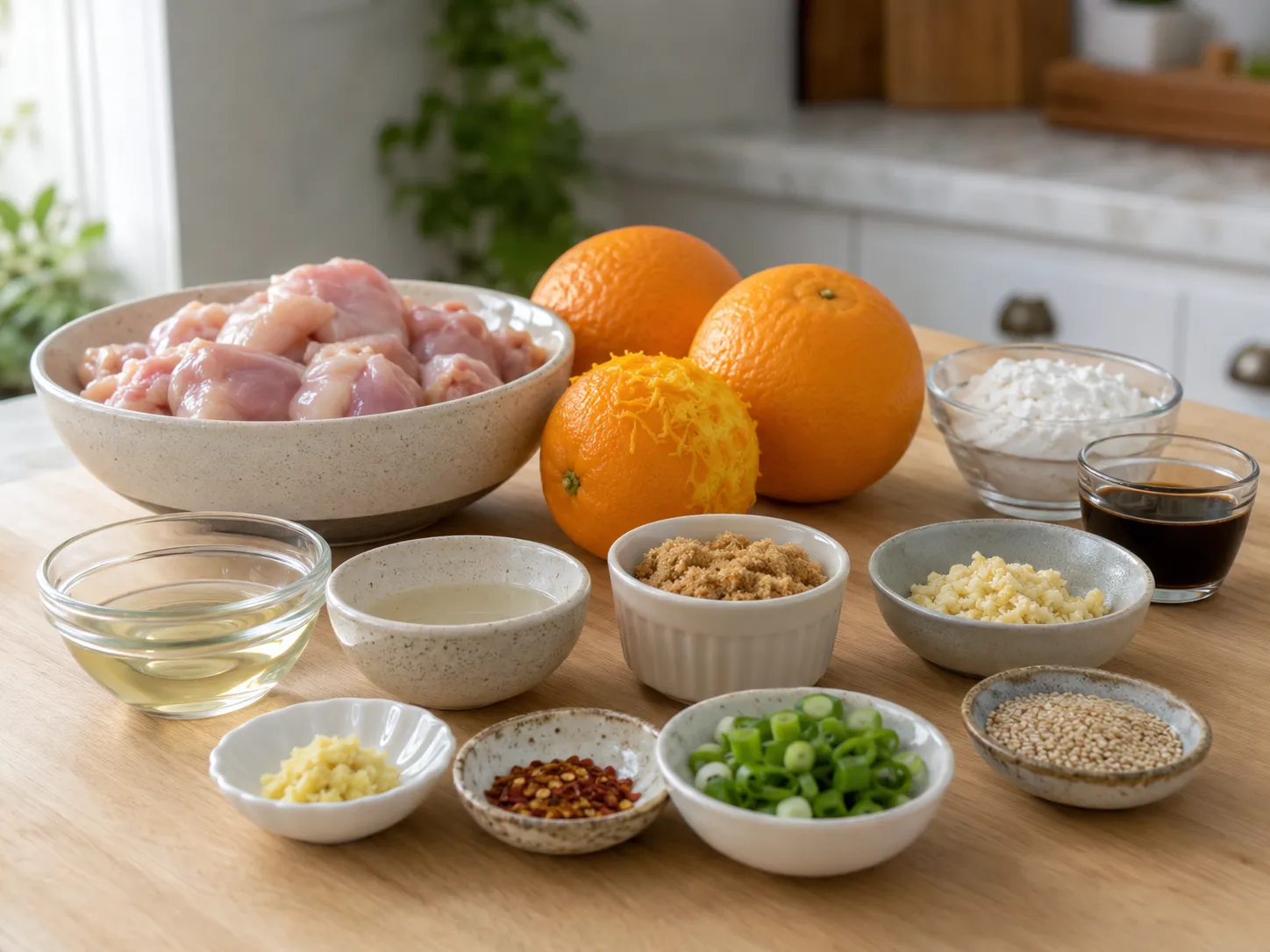
- Boneless chicken thighs. They stay juicy through the quick fry and make bite-size pieces that do not dry out easily.
- Cornstarch. This creates a thin, crisp coating that grips the orange glaze.
- Fresh orange juice and zest. Juice builds the sauce, while zest adds a brighter citrus finish.
- Low-sodium soy sauce. It seasons the chicken and gives the glaze savory depth.
- Rice vinegar. It keeps the sauce from tasting flat or candy-sweet.
- Garlic and ginger. These give the sauce warmth and a takeout-style aroma.
- Brown sugar. It helps the glaze turn shiny and cling to every piece.
- Green onions and sesame seeds. They add freshness and a little crunch at the end.
Homemade Orange Chicken Bites method
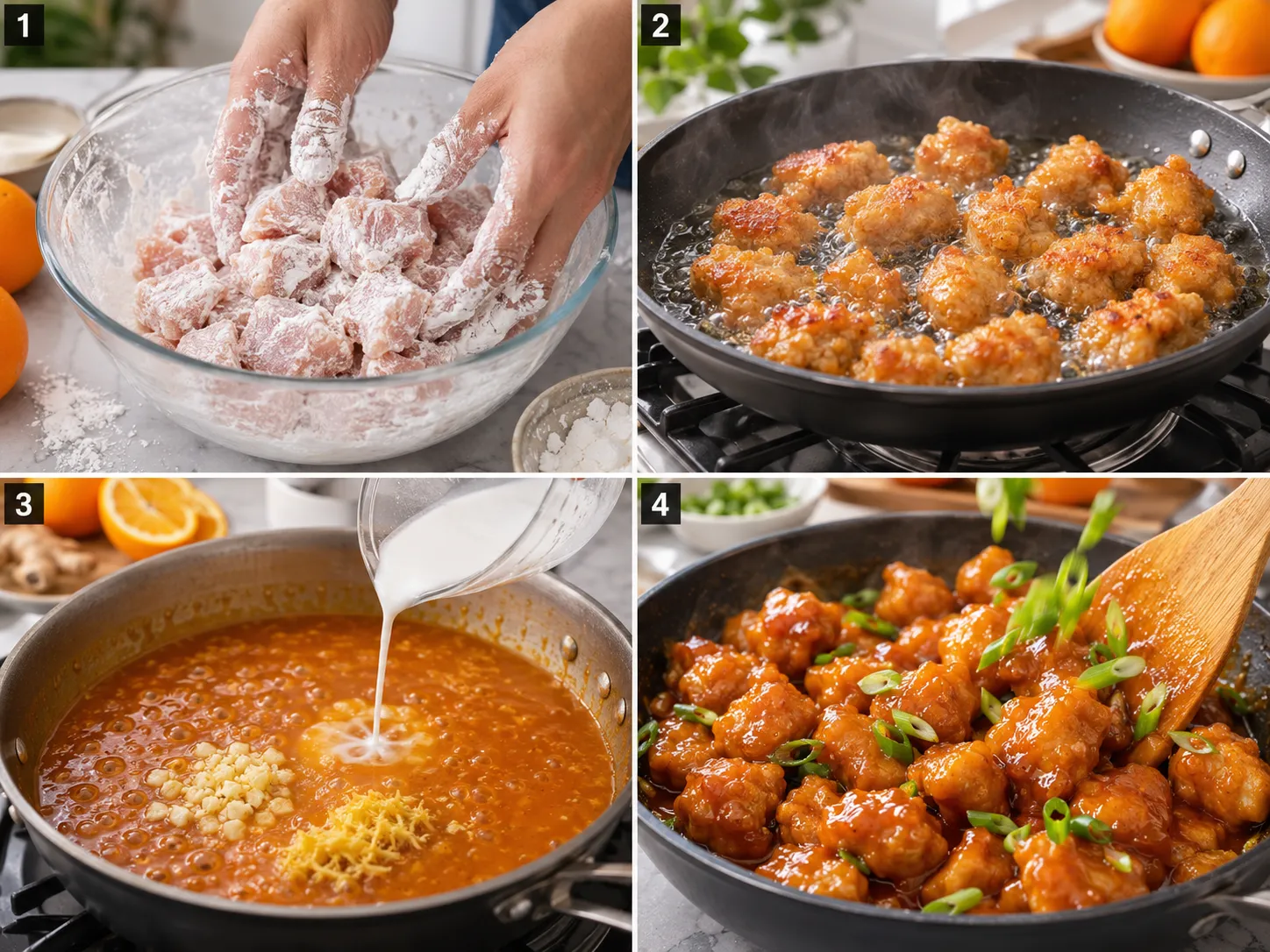
- Mix the sauce. Whisk orange juice, soy sauce, rice vinegar, brown sugar, and chili flakes in a bowl so it is ready when the pan is hot.
- Season the chicken. Toss the chicken with soy sauce, ginger, salt, and pepper. Let it sit for a few minutes while you set up the coating.
- Coat each piece. Add cornstarch and toss until the chicken looks dry and powdery on the outside. Press the coating onto any bare spots with your fingers.
- Pan-fry in batches. Cook the chicken in hot oil until deep golden and cooked through, about 3-4 minutes per batch. Move it to a rack so steam does not soften the crust.
- Thicken the glaze. Pour off most of the oil, cook the garlic and ginger briefly, then simmer the orange sauce with the cornstarch slurry until glossy.
- Toss and serve. Add the chicken back to the pan and toss quickly. Finish with orange zest, green onions, and sesame seeds.
Why the coating crackles
Cornstarch is the quiet reason these bites feel crisp without a heavy batter. It forms a thin shell around the chicken and browns fast in shallow oil. The key is to make the surface look dry before frying. If the coating looks wet or pasty, add another spoonful of cornstarch and toss again.
Do not crowd the skillet. When too many pieces go in at once, the oil temperature drops and the chicken steams before it browns. I would rather cook three quick batches than one pale batch. Use an instant-read thermometer for the thickest pieces. Poultry should reach 165 F, which is the safe minimum listed by FoodSafety.gov's cooking chart.
Keep the orange flavor sharp
Orange sauce can lose its clean citrus edge if it boils too long. I like to simmer the juice, soy sauce, vinegar, and sugar just until it thickens enough to coat a spoon. Then the zest goes in at the end. That small move keeps the sauce smelling fresh instead of cooked down.
Fresh orange juice is best here, but bottled orange juice works if it tastes bright and not bitter. If your oranges are very sweet, add an extra teaspoon of rice vinegar. If they are tart, add another teaspoon or two of brown sugar. The sauce should taste bold before the chicken goes in because the crust will mellow it.
Sauce timing matters
Once the glaze thickens, move quickly. Add the cooked chicken back to the skillet and toss just until every piece is shiny. Leaving it in the pan too long softens the coating and makes the sauce too sticky. A wide skillet helps because the bites can spread out instead of piling into a steamy mound.
If the sauce gets too thick before the chicken is coated, loosen it with a tablespoon of water or orange juice. If it looks thin, let it bubble for another 30 seconds before adding the chicken. The right texture is glossy and syrupy, not watery. It should cling to the ridges on the crust.
Easy swaps for weeknights
Chicken breast is fine if that is what you have. Cut it evenly and pull it from the pan as soon as it reaches 165 F. For less heat, skip the chili flakes. For more bite, add a little extra ginger or a small splash of chili garlic sauce.
To make a gluten-free version, swap the soy sauce for gluten-free tamari and check every bottled ingredient. To make it a little less sweet, reduce the brown sugar by one tablespoon and add a touch more orange zest. I do not recommend replacing all the sugar with honey because honey can brown fast and make the glaze taste heavier.
Leftovers that still taste good
Leftovers will not stay as crisp, but they still make a good lunch. Cool the chicken, pack it in an airtight container, and refrigerate it within 2 hours. The USDA notes that cooked chicken keeps well for 3-4 days in the refrigerator in its chicken storage guidance.
Reheat the bites in a skillet over medium heat with a splash of water to loosen the sauce. The microwave works in a pinch, but it softens the coating quickly. If you want to prep ahead, cut the chicken and mix the sauce earlier in the day. Fry and toss right before dinner.
Summary
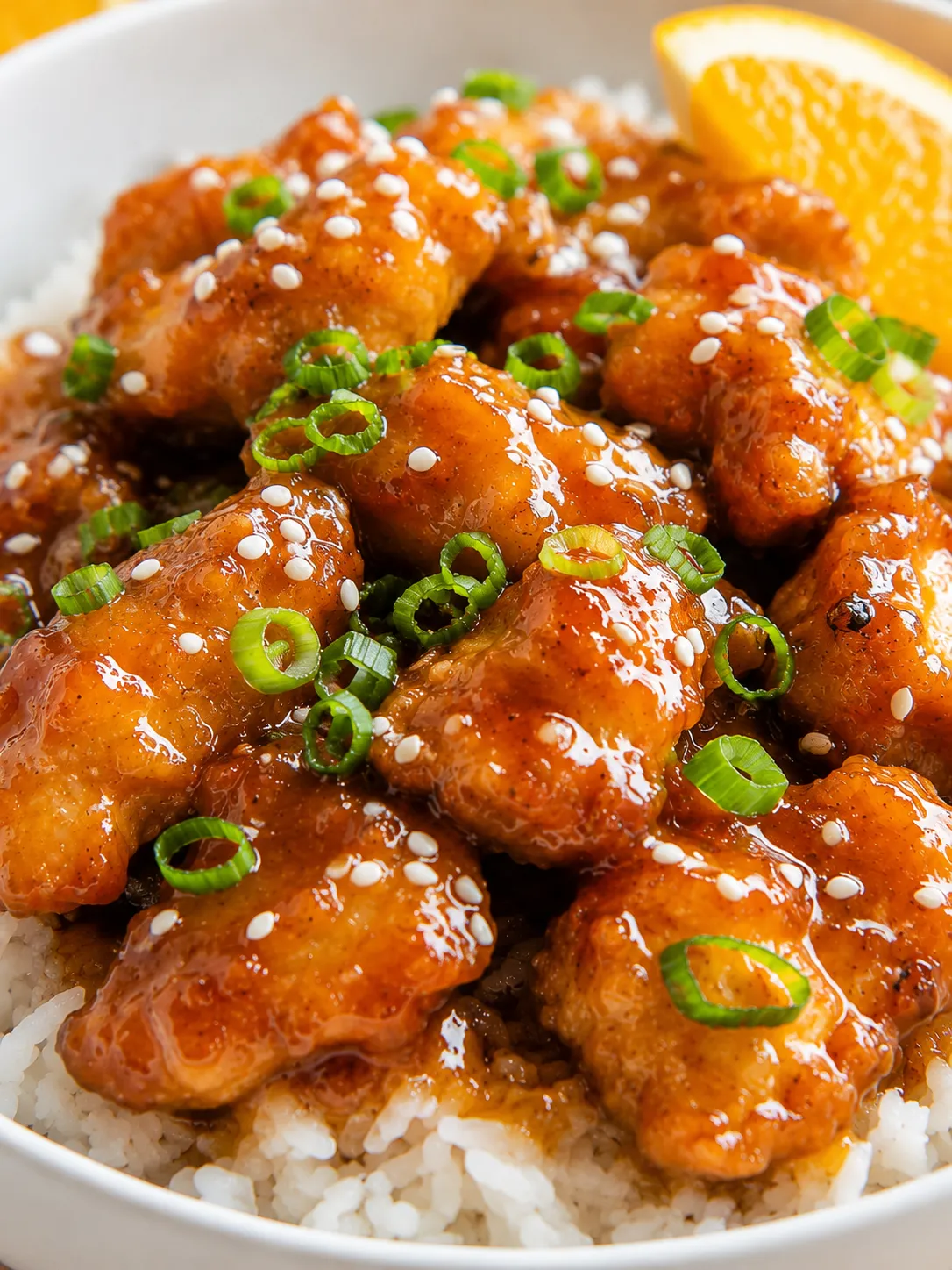
These Homemade Orange Chicken Bites are crisp, glossy, and full of fresh citrus flavor. Fry the coated chicken in small batches, finish the orange glaze fast, and toss everything together right before serving.
FAQs
- Can I use chicken breast instead of thighs?
Yes. Chicken breast works well if you cut it into even 1-inch pieces and avoid overcooking it. Thighs are a little more forgiving, but breast stays tender when cooked just to 165 F.
- Can I make these orange chicken bites gluten-free?
Use certified gluten-free tamari instead of regular soy sauce and check that your rice vinegar and cornstarch are labeled gluten-free. The recipe already uses cornstarch instead of wheat flour for the coating.
- Can I air fry the chicken?
You can, but the coating will be lighter and less craggy than pan-fried chicken. Spray the coated pieces well with oil and air fry at 400 F until golden and cooked through, then toss with the sauce right before serving.
- How do I keep orange chicken bites crispy?
Fry in batches so the pan stays hot, drain the chicken on a rack, and toss with the sauce at the last minute. Once the orange glaze coats the crust, it will naturally soften a bit.
- Can I make the sauce ahead?
Yes. Whisk the sauce ingredients and refrigerate them up to 2 days ahead. Add the cornstarch slurry right before cooking so it thickens smoothly.
- What should I serve with orange chicken bites?
Steamed jasmine rice is the easy choice because it catches the extra glaze. Broccoli, snap peas, cucumber salad, or simple fried rice also work well with the sweet citrus sauce.
