 Pin it
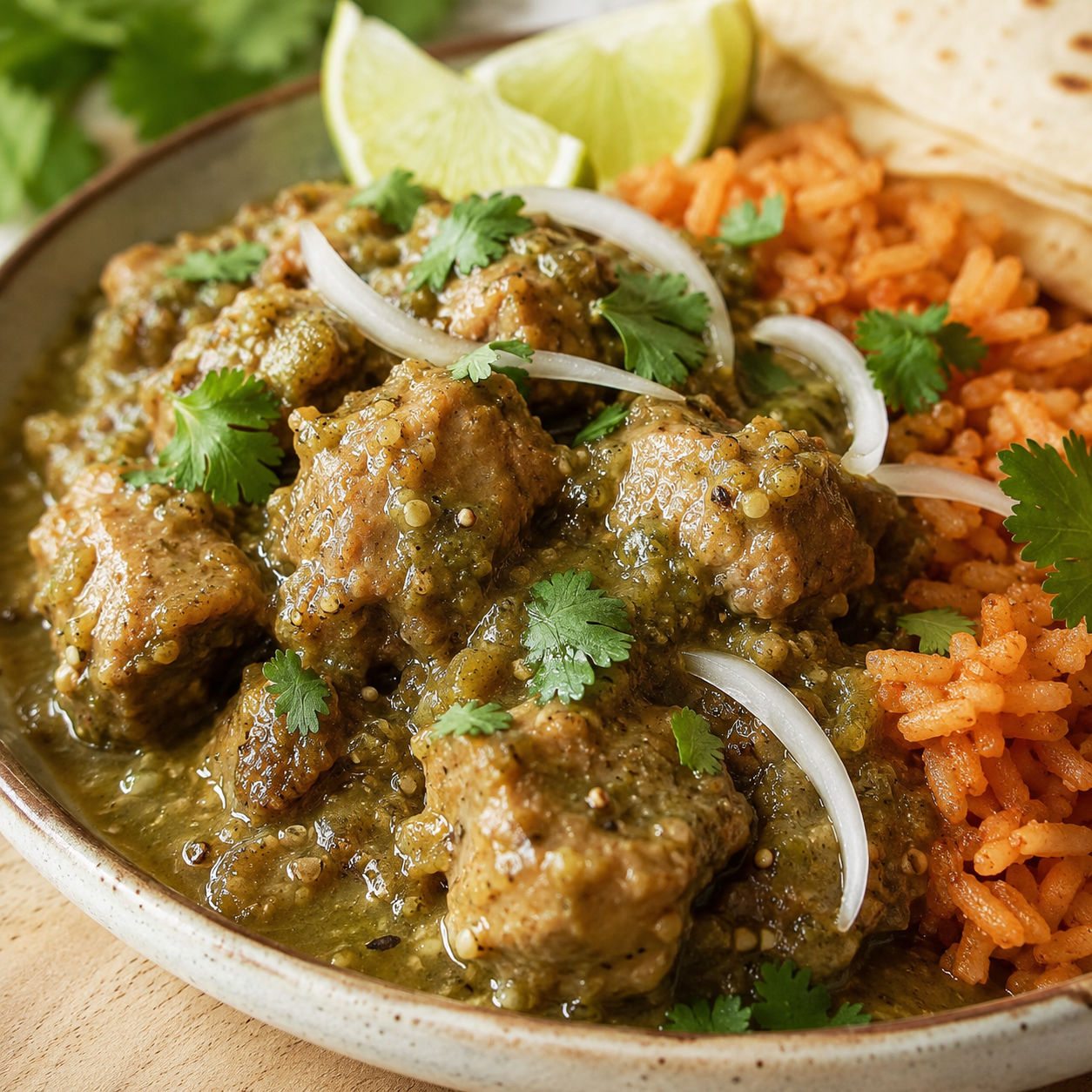
Slow-Simmered Chili Verde with Spanish Rice and Pork is the kind of dinner that makes the kitchen smell good long before anyone sits down. The pork goes tender in a tangy green sauce, then the rice catches all the extra juices on the plate.
I like pork shoulder here because it can handle a long simmer without drying out. Roasting the tomatillos and chiles first gives the sauce a rounder flavor, not just sharp heat.
This is weekend food, but it is not fussy. Most of the time is hands-off simmering, and the rice cooks while the pork finishes.
Green Chile Pork Lineup
Look for firm tomatillos with tight husks and pork shoulder with some marbling. The rice is simple, so use long-grain white rice and toast it well before adding liquid.
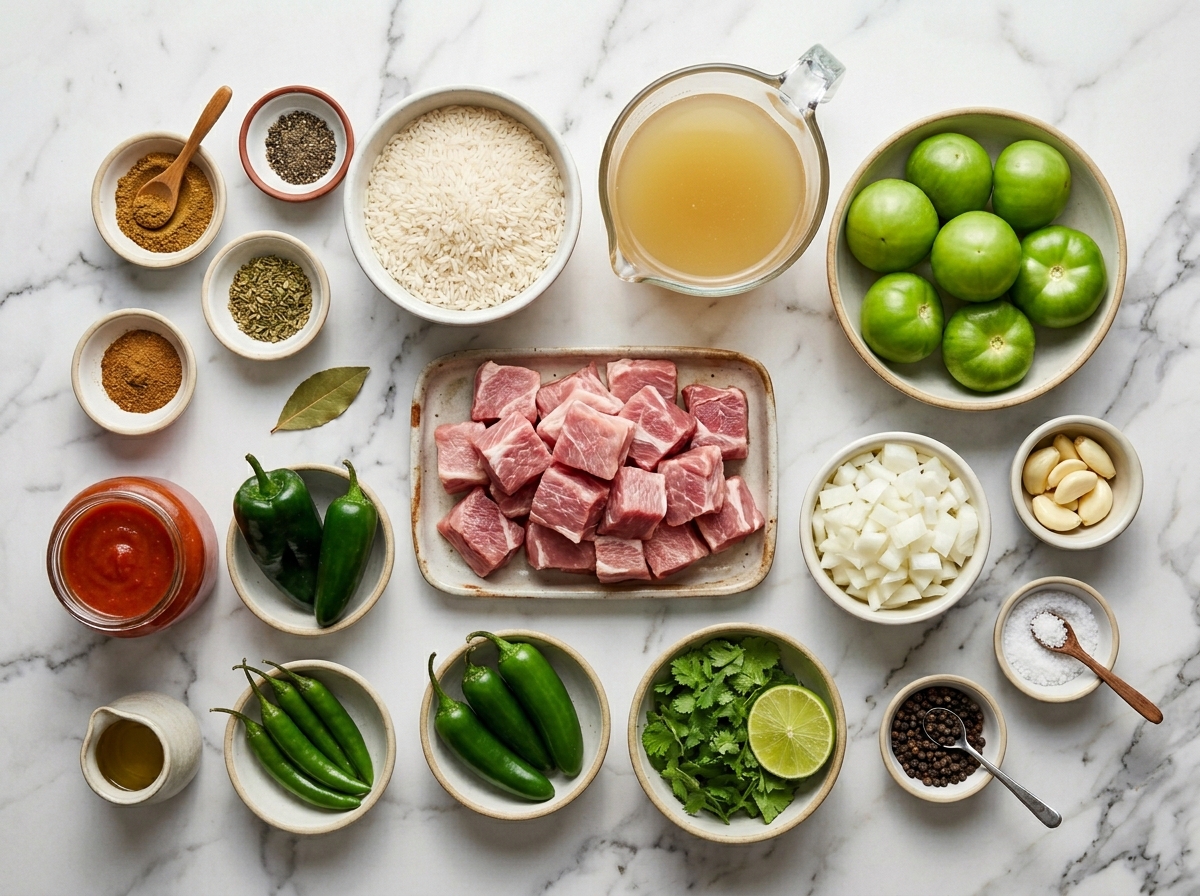
- Pork shoulder. Turns tender during the long simmer and gives the sauce a rich body.
- Tomatillos. Bring the tart green base that makes chili verde taste bright.
- Poblano, jalapeño, and serrano. Add roasted chile flavor with adjustable heat.
- Onion and garlic. Build the savory backbone for both the pork and rice.
- Cilantro and lime. Freshen the sauce after simmering and keep it from tasting heavy.
- Chicken broth. Loosens the salsa and gives the rice a fuller flavor.
- Long-grain rice. Stays fluffy when toasted and simmered with tomato.
- Tomato sauce. Gives the Spanish rice its color and gentle sweetness.
Chili Verde with Rice and Pork
- Brown the pork. Pat the cubes dry, season them, and brown in batches so the edges get color instead of steaming.
- Roast the vegetables. Broil tomatillos, poblanos, jalapeño, serrano, onion, and garlic until blistered and soft.
- Blend the salsa. Peel the poblano skins if they are very charred, then blend the roasted vegetables with cilantro, cumin, oregano, broth, and lime.
- Simmer the pork. Return the pork to the pot, pour in the salsa, cover, and cook gently until the meat breaks apart with a spoon.
- Toast the rice. Cook the rice in oil until the grains turn lightly golden, then add onion, garlic, tomato sauce, broth, and salt.
- Rest and serve. Let the rice stand covered for 10 minutes, then spoon the pork over it with extra cilantro and lime.
Why Browning Matters
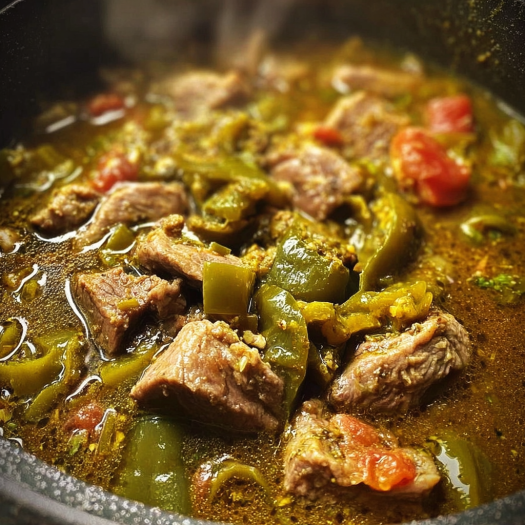
The pork needs real contact with the hot pot. If the pieces are crowded, they release liquid and turn gray before they ever brown. Work in two or three batches and leave them alone for a few minutes before turning. Those browned bits dissolve into the salsa later and make the whole pot taste deeper.
A Dutch oven is ideal because it holds steady heat. If you already like slow cooked dinners like slow cooker pineapple pork loin, this uses the same idea with a brighter sauce. The difference is the first sear and the roasted tomatillos. Those two steps keep the pork from tasting boiled.
Getting The Verde Sauce Right
Tomatillos are tart, so the sauce needs roast, salt, and time. Broil them until they slump and pick up dark spots. The chiles should blister too. That char softens the sharp edge and gives the salsa a mild smoky taste.
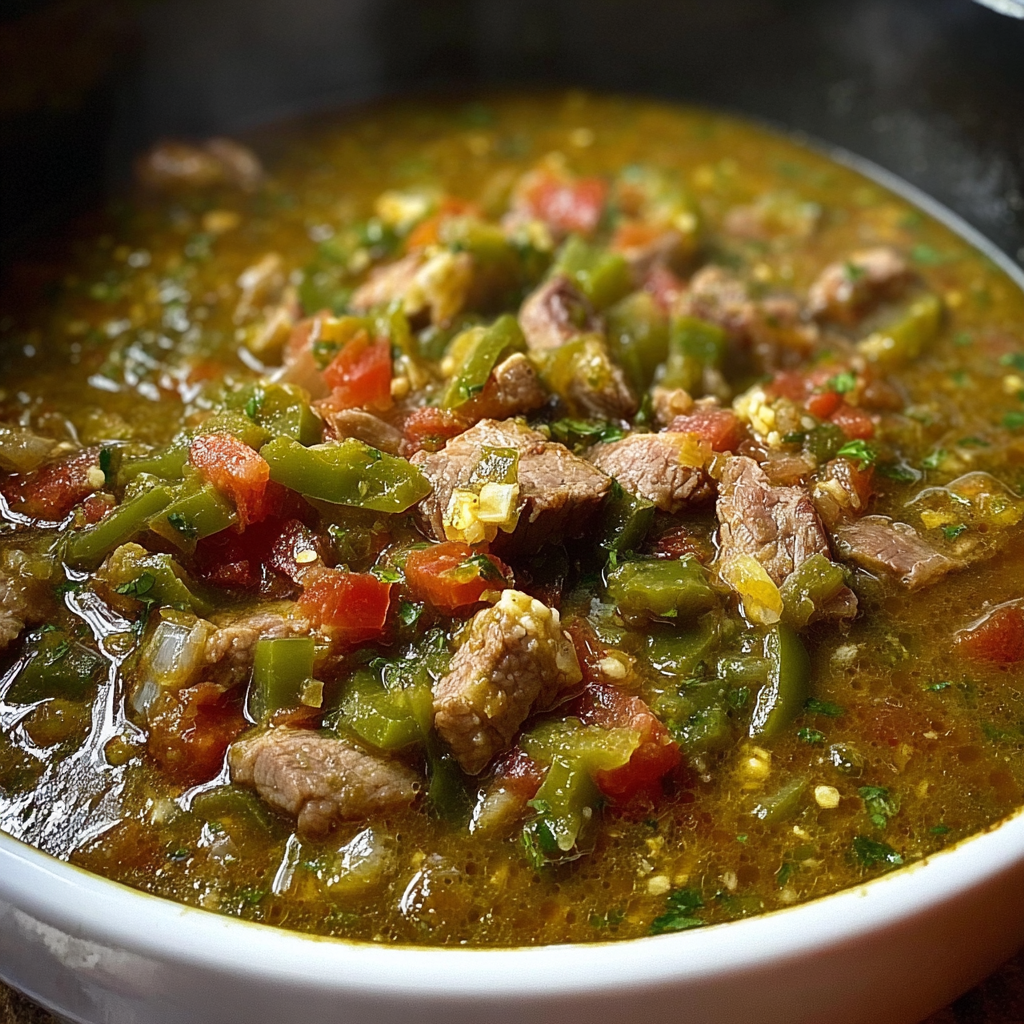
Blend the sauce until mostly smooth, but do not worry if a few green flecks remain. They look good in the bowl. If the salsa tastes too sharp after blending, it usually needs a longer simmer with the pork, not sugar. For a lighter salsa verde dinner, try grilled salsa verde chicken. For pork, the sauce should be bold enough to season every bite of rice.
Fluffy Spanish Rice Timing
Start the rice when the pork has about 30 minutes left. Toasting the grains in oil first keeps them separate and gives a warm, nutty smell. Once the broth goes in, lower the heat and keep the lid closed. Lifting the lid lets steam escape and can leave the center firm.
This rice is saucy-dinner friendly. It is sturdy enough for the chili verde but not dry. If rice sides are your thing, Grandma's Chili Verde Rice leans even more into green chile flavor, while red beans and rice is a heartier beans-and-sausage plate.
Storing And Reheating
Keep the pork and rice in separate containers if you can. The rice will absorb sauce in the fridge, which tastes good but can get heavy. The pork keeps well for 4 days and freezes for up to 3 months. Cool it first, then freeze in a flat container so it thaws faster.
Reheat the pork in a small pot with a splash of broth or water. Bring it up slowly until hot. FoodSafety.gov lists 145°F as the safe minimum for whole cuts of pork, with rest time, but pork shoulder becomes tender closer to a long braise than a quick temperature target. You can check the basic guidance at the safe minimum temperature chart.
Easy Ways To Serve It
Spoon the chili verde over rice in shallow bowls and keep warm tortillas nearby. A little queso fresco is good if you eat dairy, but it does not need it. I usually finish with cilantro, thin white onion, and a squeeze of lime.
You can also turn leftovers into burritos, nachos, or a rice bowl with black beans and avocado. If the sauce thickens too much overnight, loosen it with broth before reheating. The goal is pork that stays juicy and enough green sauce to soak into the rice without drowning it.
Summary
Slow-simmered pork chili verde is best with roasted tomatillos, browned pork shoulder, and fluffy tomato rice served on the side.
FAQs
- What cut of pork is best for chili verde?
Pork shoulder or pork butt is the best choice because it has enough fat and connective tissue to soften during a long simmer. Pork loin works, but it can dry out faster and will not taste as rich.
- Can I make this chili verde in a slow cooker?
Yes. Brown the pork first, blend the roasted salsa, then cook everything on low for 7-8 hours or on high for 4-5 hours. Simmer uncovered at the end if the sauce tastes thin.
- Is Spanish rice the same as Mexican rice?
In many U.S. kitchens, Spanish rice usually means Mexican-style red rice cooked with tomato, onion, garlic, and broth. That is the style used here because it pairs naturally with pork chili verde.
- Can I use jarred salsa verde?
You can use it in a pinch, but the flavor will be flatter than roasted fresh tomatillos and chiles. If using jarred salsa, choose a thick one and simmer it with extra onion, garlic, cumin, and a handful of cilantro.
- How spicy is this recipe?
With one jalapeño and one serrano, it has a medium warmth. Remove the seeds for a milder pot, or add another serrano if you want more heat.
- How do I store leftovers?
Store the pork and rice separately in airtight containers for up to 4 days. Reheat the pork gently on the stove with a splash of broth, and reheat the rice covered so it steams instead of drying out.
