 Pin it
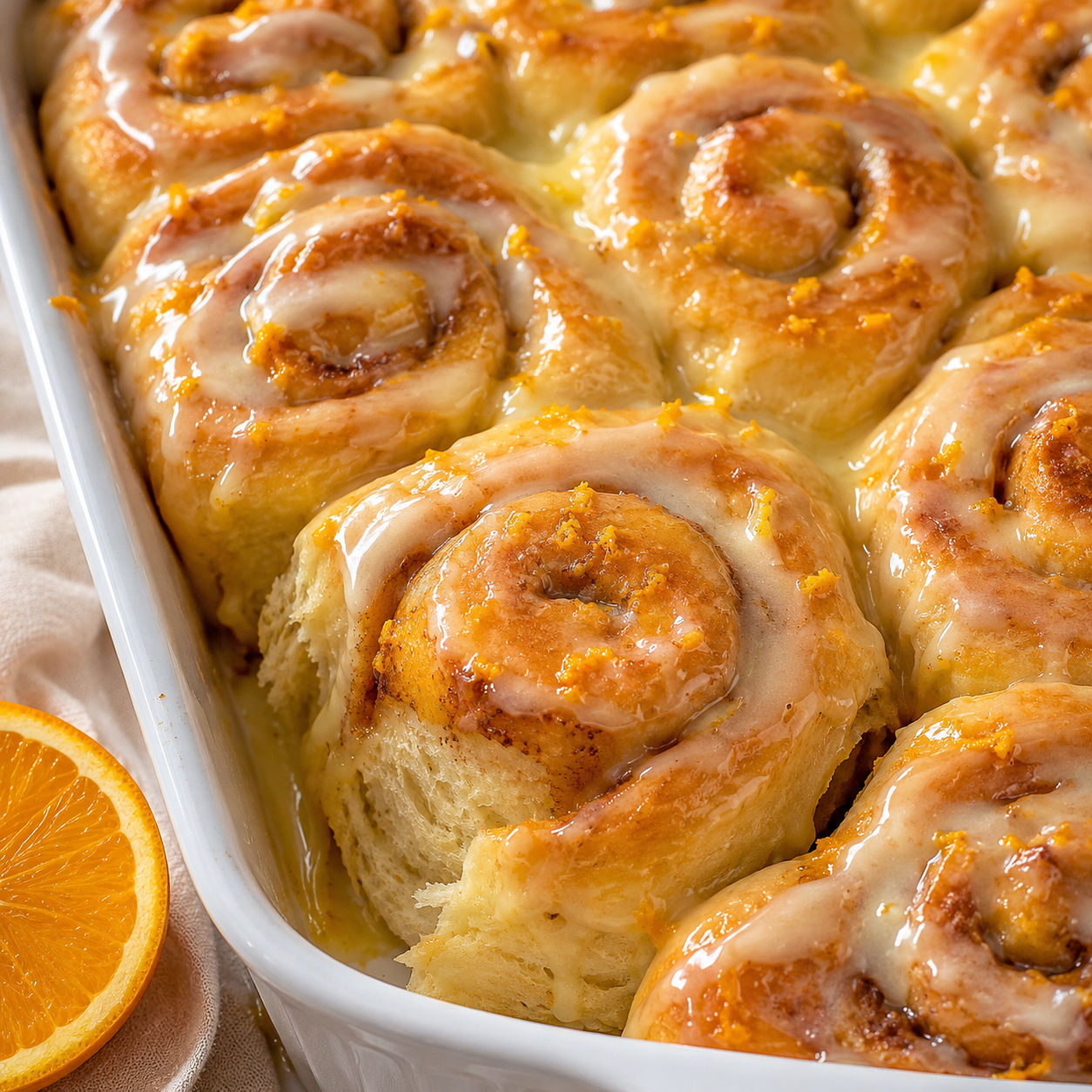
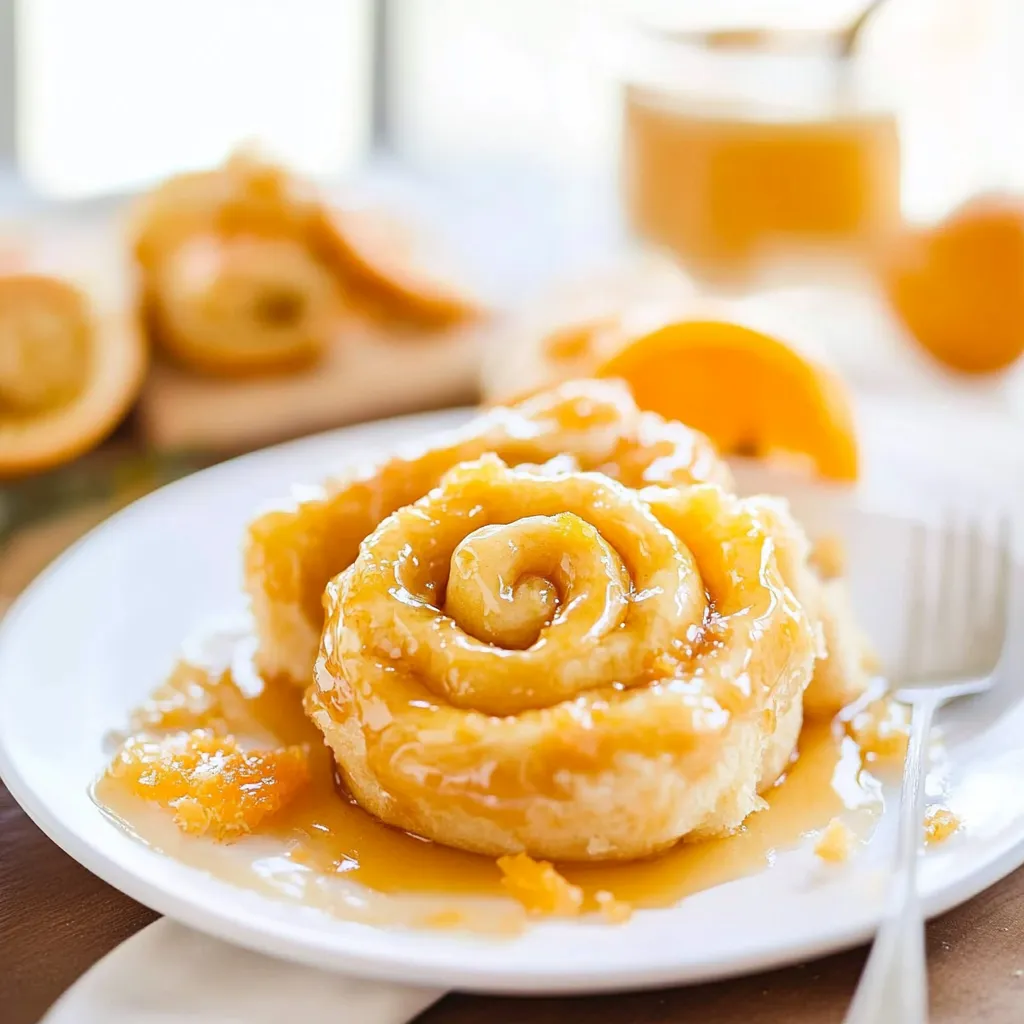
Best Homemade Glazed Orange Rolls should smell like fresh oranges before they even hit the oven. These are soft, plush breakfast rolls with a buttery citrus filling and a glossy glaze that slips down into the spirals.
I like them for slow weekends, holiday brunch, or any morning that can handle a little yeast-dough patience. The dough is rich but not heavy, and the orange flavor comes from zest, juice, and a small spoonful of marmalade for depth.
Bright Orange Dough Staples
The best rolls start with fresh oranges and a dough that stays soft after baking. Use a light hand with the flour and zest the oranges before juicing them.
- All-purpose flour. Gives the rolls structure while keeping the crumb tender.
- Instant yeast. Lifts the enriched dough and keeps the rise steady.
- Whole milk. Adds softness and helps the dough brown nicely.
- Eggs. Make the dough richer and easier to roll.
- Unsalted butter. Goes into both the dough and filling for a soft, bakery-style bite.
- Orange zest. Carries the brightest citrus flavor because the oils are in the peel.
- Orange marmalade. Adds a deeper orange note and a little sticky body to the filling.
- Powdered sugar. Whisks into a smooth glaze that melts over the warm rolls.
Best Homemade Glazed Orange Rolls Method
- Mix the dough. Combine flour, sugar, yeast, salt, warm milk, eggs, melted butter, and orange zest until a soft dough forms.
- Knead until smooth. Knead for 6-8 minutes in a mixer or 10 minutes by hand. The dough should pull from the bowl but still feel slightly tacky.
- Let it rise. Cover the dough and let it rise in a warm spot until doubled, about 1 1/2 hours.
- Fill and roll. Roll the dough into a rectangle, spread with butter, marmalade, brown sugar, and orange zest, then roll it up snugly.
- Slice and proof. Cut into 12 rolls with unflavored dental floss and place them in a buttered 9-by-13-inch pan. Cover and let rise until puffy, 45-60 minutes.
- Bake and glaze. Bake at 350°F until lightly golden, then pour the orange glaze over the warm rolls so it settles into the spirals.
Keep The Dough Soft
Orange rolls need a soft dough, not a stiff bread dough. Add the last half cup of flour slowly and stop when the dough clears the side of the bowl but still clings a little at the bottom. If you can press it with a fingertip and it feels supple, you are there. A dry dough makes tall rolls, but they bake up bready instead of plush.
Yeast also likes warmth, not heat. Milk that feels hot can slow or kill the rise. The King Arthur Baking yeast guide is useful if you are new to enriched doughs. For another cozy brunch bake with a citrus lean, try these easy homemade orange muffins.
Build Real Orange Flavor
Orange juice alone tastes pleasant, but it can fade once it meets flour and butter. Zest does the real work. Rub the zest into the sugar with your fingers before mixing the filling. The sugar turns damp and fragrant as it pulls oil from the peel. That small step makes the whole pan smell brighter.
Marmalade adds a little bitter-sweet orange depth, but keep the layer thin. Too much jam leaks out and can scorch around the edges. If you like citrus desserts, the same fresh-zest idea works in easy candied orange slices and cranberry orange icebox cookies.
Slice Without Crushing
A knife presses down on the log and flattens the swirl. Unflavored dental floss does a cleaner job. Slide the floss under the dough, cross the ends over the top, and pull. The cut closes neatly without dragging filling through the layers.
Mark the log before you slice so the rolls bake evenly. Twelve pieces fit well in a 9-by-13-inch pan with enough room to puff. If one roll is much larger than the others, it can stay doughy in the center while the smaller ones are already done.
Overnight And Reheat Notes
For overnight rolls, stop after shaping. Cover the pan tightly and chill it before the second rise. The next morning, leave the pan on the counter until the rolls look puffy and relaxed. That can take 60-90 minutes depending on your kitchen.
Bake them the same way and glaze while warm. Leftovers keep best covered at room temperature for a day or two. The fridge makes enriched dough dry faster. Reheat a roll briefly until the glaze softens. For a richer brunch spread, pair these with bourbon maple bacon cinnamon rolls and strong coffee.
Easy Flavor Changes
You can lean the rolls sweeter or sharper without changing the dough. Add a pinch of cinnamon to the filling for a bakery-style orange cinnamon roll. Swap half the orange juice in the glaze for lemon juice if you want more tang. A drop of vanilla rounds off the glaze, while a tiny pinch of salt keeps it from tasting flat.
For dairy-free rolls, use plant milk and a good baking stick in place of butter. The texture will be a little less rich, but the method still works. Do not rush the rise after chilling, since cold dough always needs extra time to wake up.
Summary
Serve these rolls warm, with extra orange zest on top and coffee nearby.
FAQs
- Can I make glazed orange rolls overnight?
Yes. Shape the rolls, place them in the pan, cover tightly, and refrigerate overnight. In the morning, let them sit at room temperature until puffy before baking.
- Can I use active dry yeast instead of instant yeast?
Yes. Use the same amount, but dissolve it in the warm milk with a pinch of sugar first. Let it foam for 5-10 minutes before mixing the dough.
- What can I use instead of orange marmalade?
You can skip it and add one extra tablespoon of orange zest to the filling. Apricot jam also works, but the flavor will be softer and less citrus-forward.
- Why did my rolls turn out dry?
Too much flour is the usual reason. The dough should feel soft and slightly tacky after kneading. Overbaking can also dry them out, so pull the rolls when the centers are set and the tops are light golden.
- How should I store leftover orange rolls?
Keep them covered at room temperature for up to 2 days. Rewarm one roll for about 10 seconds in the microwave to soften the glaze and crumb.
- Can I freeze these rolls?
Freeze baked, unglazed rolls for the best texture. Thaw at room temperature, warm gently, then add fresh glaze before serving.
