 Pin it
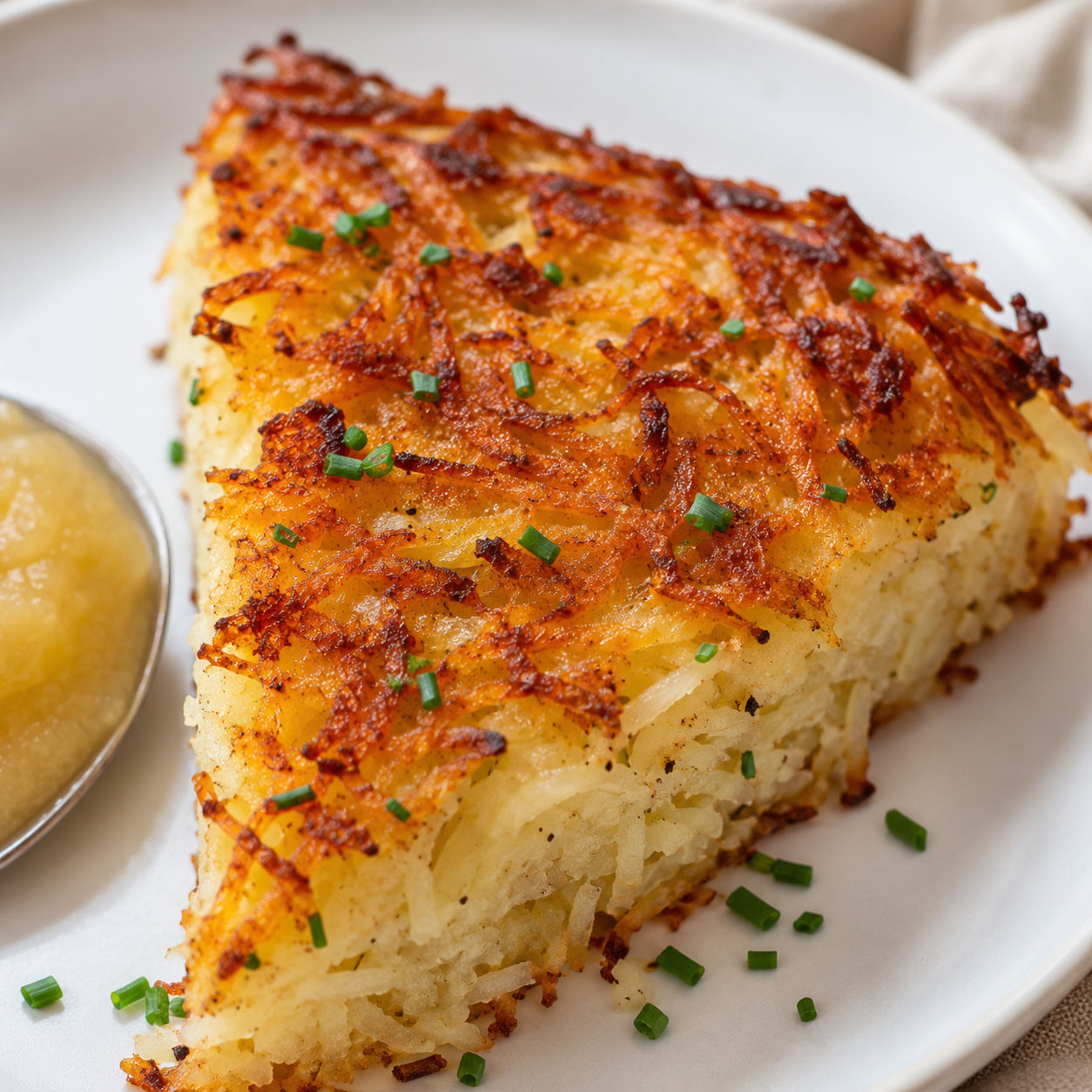
Classic Potato Kugel with Crispy Crust is the kind of side dish that makes people reach for the corner piece first. The top gets craggy and golden, the edges crackle, and the inside stays soft enough to slice cleanly.
The method is simple, but the small details matter. Squeeze the potatoes well, work quickly so they do not gray, and let the batter hit hot oil so the crust starts cooking right away.
Potatoes, Onion, Hot Oil
This kugel uses basic ingredients, so each one has to pull its weight. Choose firm russets, a sharp onion, fresh eggs, and a neutral oil that can handle high heat.
- Russet potatoes. Their starch gives the kugel structure and helps the shredded edges brown.
- Yellow onion. Adds sweetness and keeps the potatoes from tasting flat.
- Eggs. Bind the shreds together so the kugel slices instead of crumbling.
- Potato starch. Absorbs extra moisture and keeps the recipe gluten-free.
- Neutral oil. Creates the crisp crust when it is heated before the potatoes go in.
- Kosher salt and pepper. Potatoes need confident seasoning from the start.
- Chives. A fresh finish that brightens the rich, browned edges.
From Grater To Golden Edges
- Heat the pan. Set a 10-inch cast-iron skillet in a 425°F oven with oil until the oil is shimmering.
- Grate and drain. Shred the potatoes and onion, then squeeze out as much liquid as you can.
- Mix the batter. Stir the potato mixture with eggs, potato starch, salt, pepper, and a little oil until evenly coated.
- Sizzle it in. Carefully spoon the mixture into the hot skillet and spread it gently without packing it down.
- Bake until crisp. Bake until the top is deep golden, the edges are crunchy, and a knife slides into the center easily.
- Rest and serve. Let it stand for 10 minutes, then slice and finish with chives and flaky salt.
Classic Potato Kugel With Crispy Crust
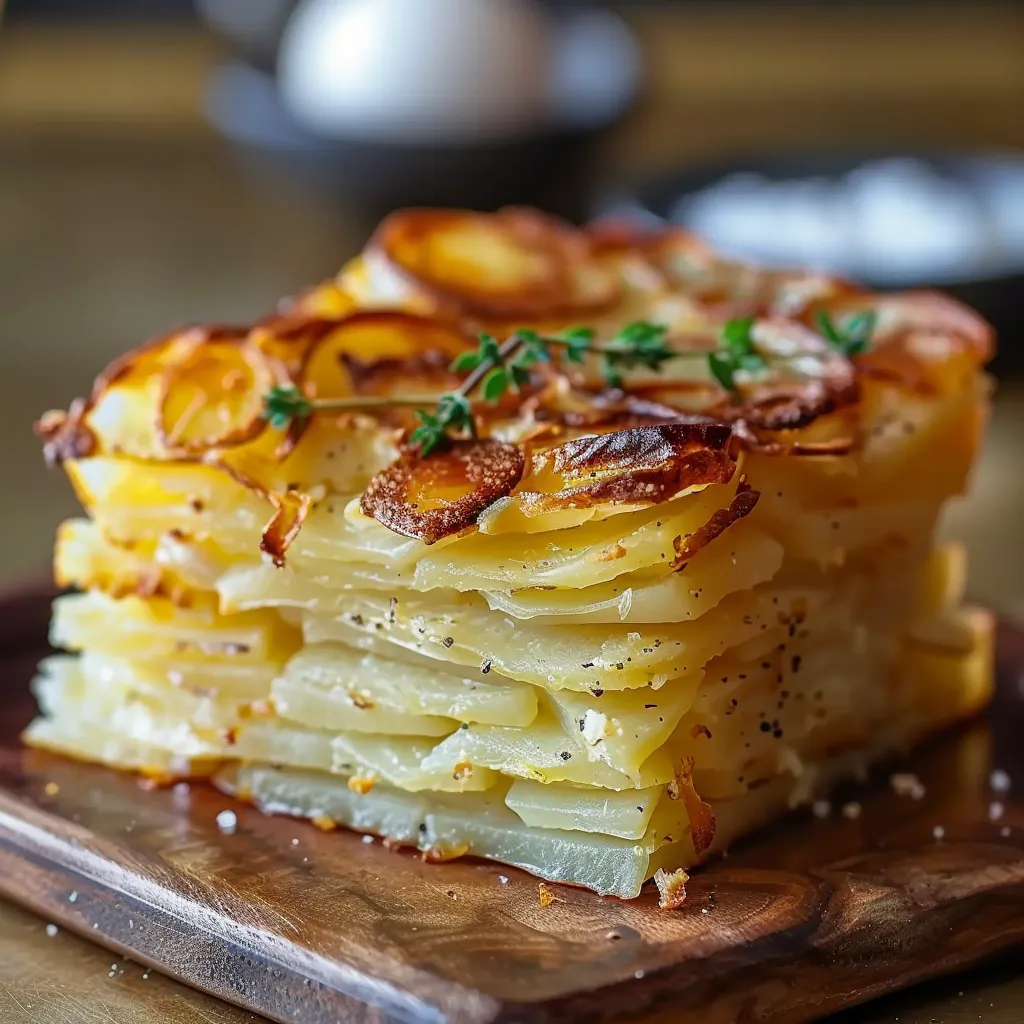
The crust comes from heat, not from extra fillers. When the potato mixture hits hot oil, the bottom starts frying before the oven finishes the job. That first sizzle is what separates a crisp kugel from a pale potato casserole.
A cast-iron skillet gives the most dramatic edge, but a metal pan works well too. Avoid glass if you can. It heats slowly and does not brown the bottom as hard. If you like potato sides with serious crunch, try the same crisp-edge mindset in these crispy potato croquettes.
Keep The Potatoes Pale
Grated potatoes oxidize fast. That gray color is harmless, but it makes the kugel look dull. Grate the onion along with the potatoes, squeeze them right away, and mix them with the eggs as soon as the bowl is ready.
Do not rinse the potatoes after grating. You want the starch. It helps the shreds bind and gives the surface that lacy, browned texture. For more background on the dish and its place on Jewish tables, My Jewish Learning has a helpful overview of kugel traditions.
Make Ahead Without Losing Crunch
Potato kugel is best within an hour of baking, when the top still sounds crisp under a knife. If you need to work ahead, bake it fully, cool it, cover it, and refrigerate it for up to two days. Reheat it uncovered in a 375°F oven until hot in the center and crisp at the edges.
Do not hold the raw shredded mixture in the fridge. It darkens and releases water. If you are planning a bigger holiday spread, pair this with classic potato latkes and let each dish keep its own texture.
What To Serve Beside It
Serve warm slices with applesauce, sour cream, roasted chicken, brisket, or a bright salad. The kugel is rich from the oil and eggs, so sharp or fresh sides help. A spoonful of tangy potato salad on the same table can work too, especially something like red skinned potato salad for a casual meal.
For Shabbat or holidays, cut small squares so people can take a crisp edge piece without committing to a huge serving. Leftovers are good with eggs the next morning.
Swaps That Respect The Dish
Neutral oil keeps this kugel dairy-free and easy to serve with meat meals. If you are not keeping kosher, schmaltz adds deep savory flavor and butter gives a richer crust. Use either in the same amount as the oil.
Potato starch keeps the texture clean and Passover-friendly for many kitchens. Matzo meal can be used instead, but the inside will feel a little heavier. For another cozy potato bake with a different flavor profile, the classic potato kugel on this site is a good companion recipe. Alison Roman's crispy skillet kugel is also a useful reference for the hot-skillet style.
Summary
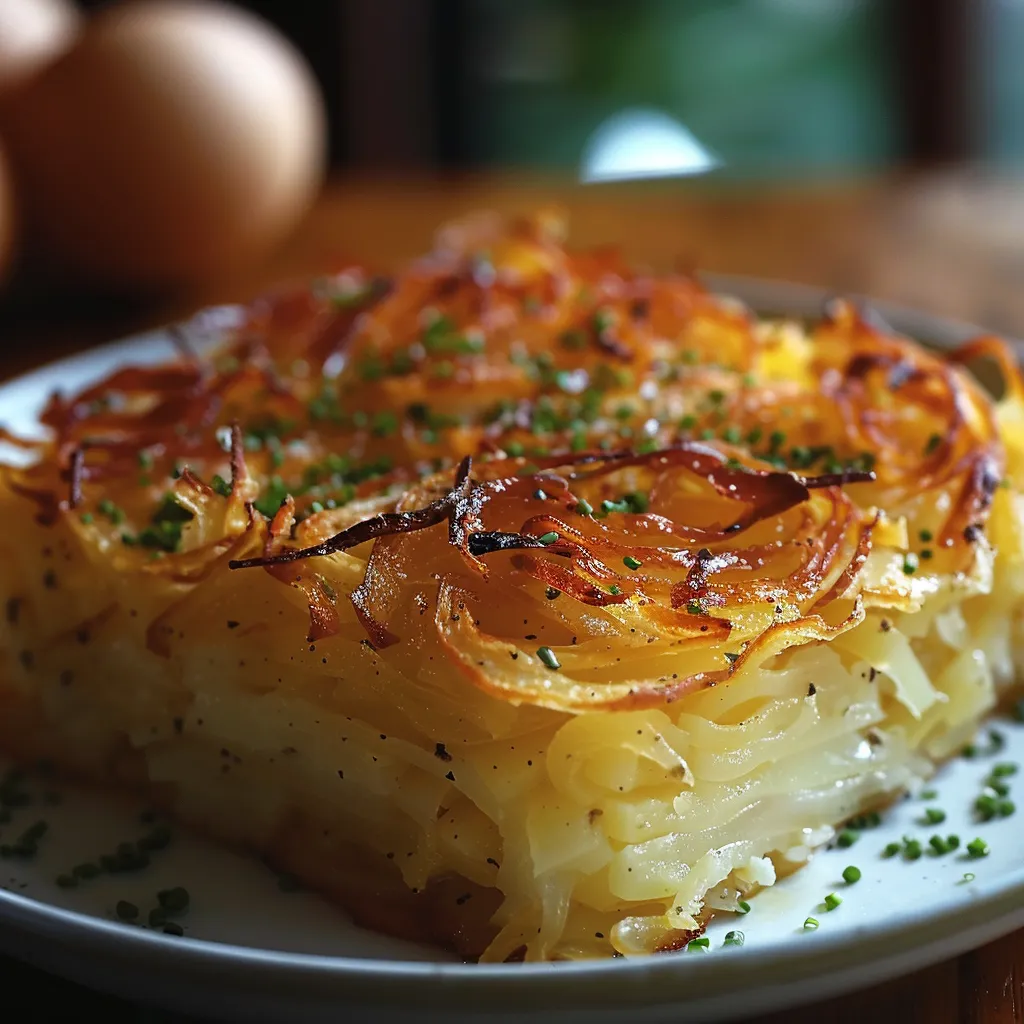
This potato kugel is all about dry shreds, hot oil, and enough oven time for a deep golden crust. Serve it warm for the best crackle.
FAQs
- What potatoes are best for potato kugel?
Russet potatoes are the best choice because they are starchy and bake into a tender center with crisp edges. Yukon Gold potatoes work, but the kugel will be creamier and a little less craggy on top.
- Can I make potato kugel ahead of time?
Yes, but it is crispiest the day it is baked. You can bake it a day ahead, chill it, then reheat uncovered at 375°F until hot and crisp around the edges.
- How do I keep grated potatoes from turning gray?
Grate the onion with the potatoes and mix everything with the eggs quickly. Do not let the shredded potatoes sit in the bowl for long before baking.
- Can I make this without a cast-iron skillet?
Yes. Use a 9-inch square metal baking pan or a 9x13-inch dish for a thinner kugel. Preheat the oil in the pan first so the bottom still gets a good crust.
- Is this potato kugel gluten-free?
This version is gluten-free because it uses potato starch instead of flour or matzo meal. Always check labels if you are cooking for someone with celiac disease.
- What do you serve with potato kugel?
Serve it with brisket, roasted chicken, applesauce, sour cream, or a crisp salad. It also works as a holiday side next to latkes, roasted vegetables, and simple green beans.
