 Pin it
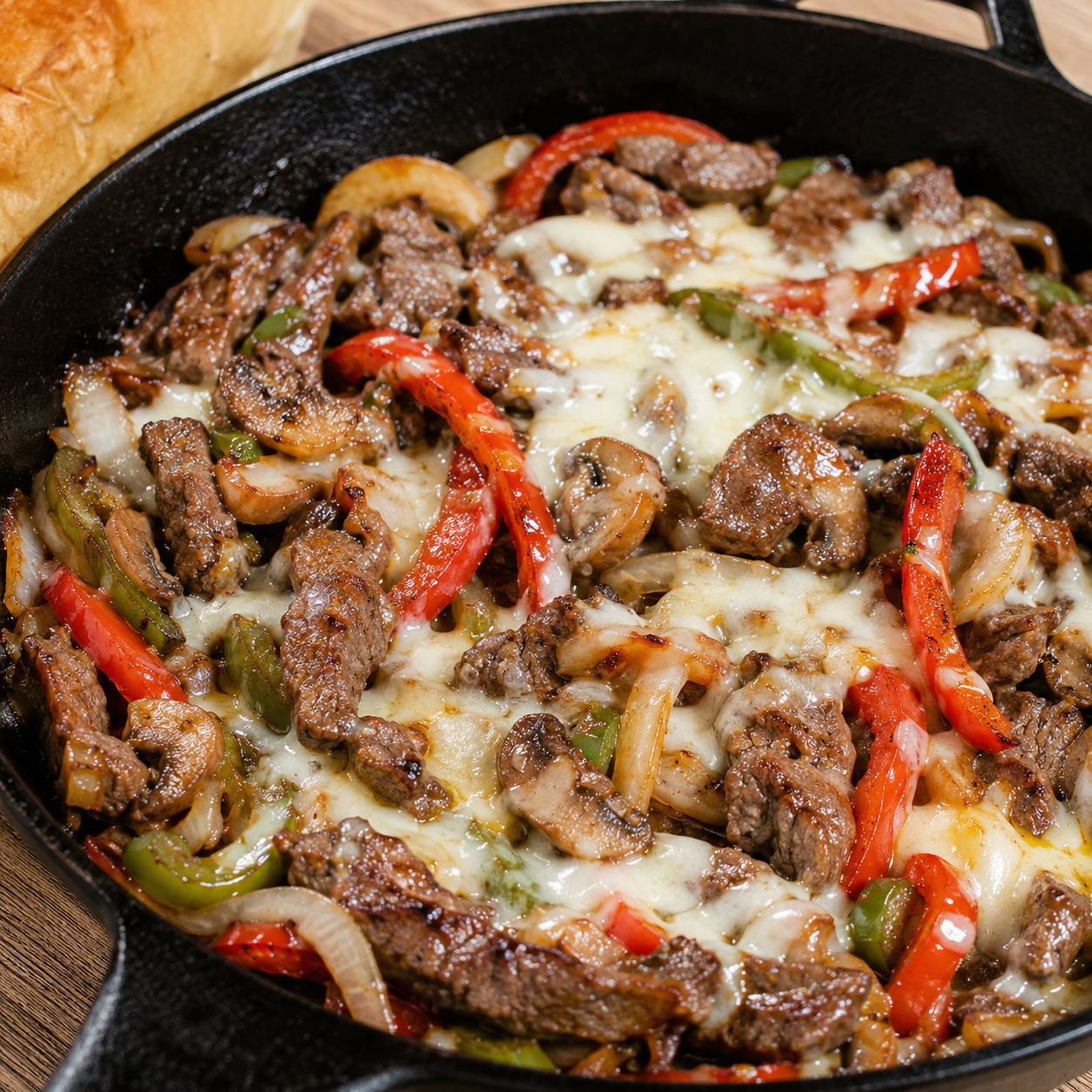
Cheese Steak Skillet with Beef and Cheese is the kind of dinner that makes the kitchen smell like a hot sandwich shop, only everything stays in one pan. You get browned beef, sweet peppers, onions, mushrooms, and melted provolone without juggling bread or a griddle.
The key is thin beef and a hot pan. Cook the steak in batches, give the vegetables enough time to pick up color, then let the cheese melt until it turns glossy and soft around the edges.
Beefy skillet building blocks
Use thin beef and sturdy vegetables that can handle a hot skillet. Provolone gives the top that classic cheese steak pull, while a splash of broth and Worcestershire keeps the pan juicy.
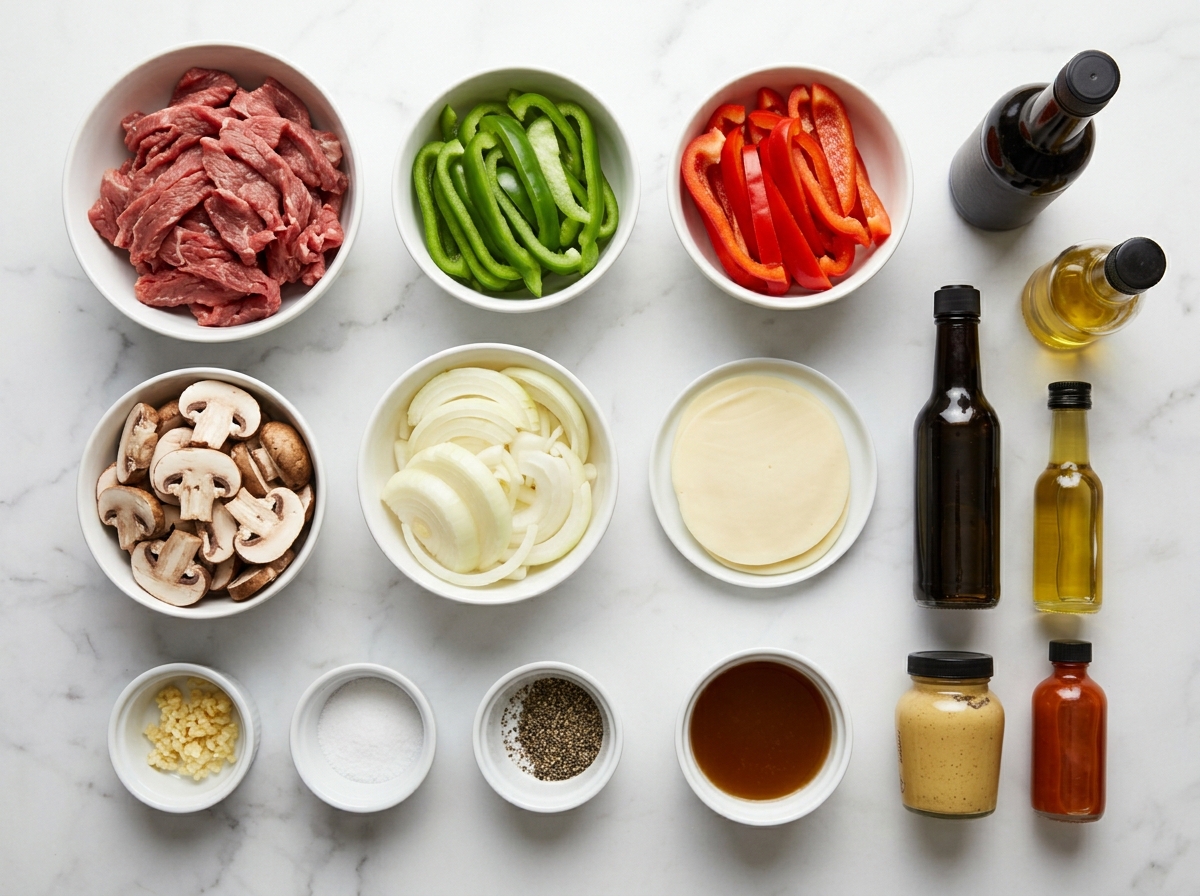
- Thin sliced beef. Shaved steak, sirloin, ribeye, or flank steak all work when cut thin across the grain.
- Bell peppers. Green and red peppers bring sweetness, color, and the familiar cheese steak bite.
- Yellow onion. It softens into the pan juices and makes the skillet taste fuller.
- Mushrooms. They add savory depth and soak up the beefy sauce.
- Garlic. A quick minute in the pan gives the sauce a warm base.
- Beef broth. It loosens the browned bits and keeps the skillet from drying out.
- Worcestershire sauce. A small amount adds tang and deep savory flavor.
- Provolone cheese. It melts smoothly over the beef and vegetables.
Fast stovetop route
- Slice the beef. Chill the steak for 20 minutes if slicing it yourself, then cut it thinly across the grain so it cooks fast.
- Sear in batches. Heat oil in a large oven-safe skillet and brown the beef quickly. Move it to a plate before it overcooks.
- Cook the vegetables. Add peppers, onion, and mushrooms to the same pan. Let them soften and pick up browned edges.
- Make the pan sauce. Stir in garlic, broth, Worcestershire, and mustard. Scrape up the browned bits so the sauce tastes beefy.
- Bring it together. Return the beef to the skillet and toss until coated and hot.
- Melt the cheese. Lay provolone over the top, cover the pan or broil briefly, and serve when the cheese is glossy and melted.
Thin steak cooks best
The biggest difference between tender and chewy is thickness. Cheese steak beef should hit the pan in thin strips, not chunky stew pieces. If your steak is hard to slice, put it in the freezer for about 20 minutes. It should feel firm, not frozen solid. A sharp knife will glide through it much more cleanly.
Keep the pan hot and avoid crowding. When too much beef goes in at once, the juices flood the skillet and the meat steams. Work in two batches if needed. The strips only need a short sear because they go back into the pan later. For thicker whole cuts, check the FoodSafety.gov temperature chart before serving.
Cheese choices matter
Provolone is my first pick because it melts without turning oily and tastes sharp enough to stand up to the beef. White American cheese is softer and creamier if you want a diner-style skillet. Mozzarella melts well too, though it is milder. If you like a saucier cheese steak, use half provolone and half white American.
Add the cheese after the beef is back in the skillet. The filling should be hot before the slices go on, otherwise the cheese melts before the center warms through. Covering the pan traps steam and gives you a smooth melt. A broiler gives browned spots, but watch closely because provolone can go from golden to leathery fast.
Cheese Steak Skillet Serving Ideas
This skillet is good straight from the pan with a fork, especially if you want a low-carb dinner. For a bigger meal, spoon it into toasted hoagie rolls and let the cheese drip into the bread. It is also great over crispy potatoes or rice. If that sounds like your kind of dinner, try the queso steak fajita skillet or the pepper steak stir fry next.
For a party plate, keep the skillet warm and serve it with toasted bread pieces or thick tortilla chips. The filling also makes a strong topping for fries, close to the loaded style in these Philly steak cheese fries.
Leftovers stay tender
Store leftovers in a covered container in the fridge for up to three days. The cheese firms up as it cools, so reheat gently. A skillet over low heat works better than a microwave because you can add a spoonful of broth and loosen the sauce while the cheese softens again.
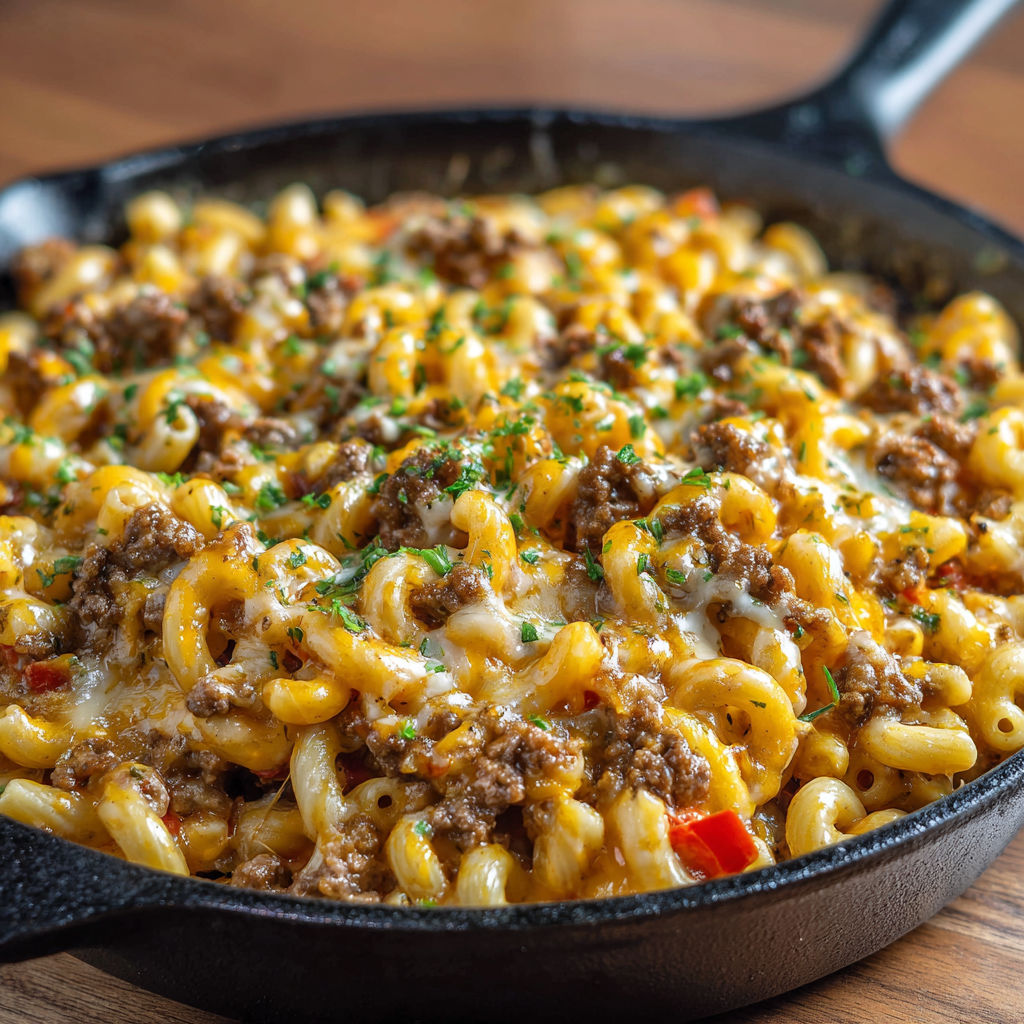
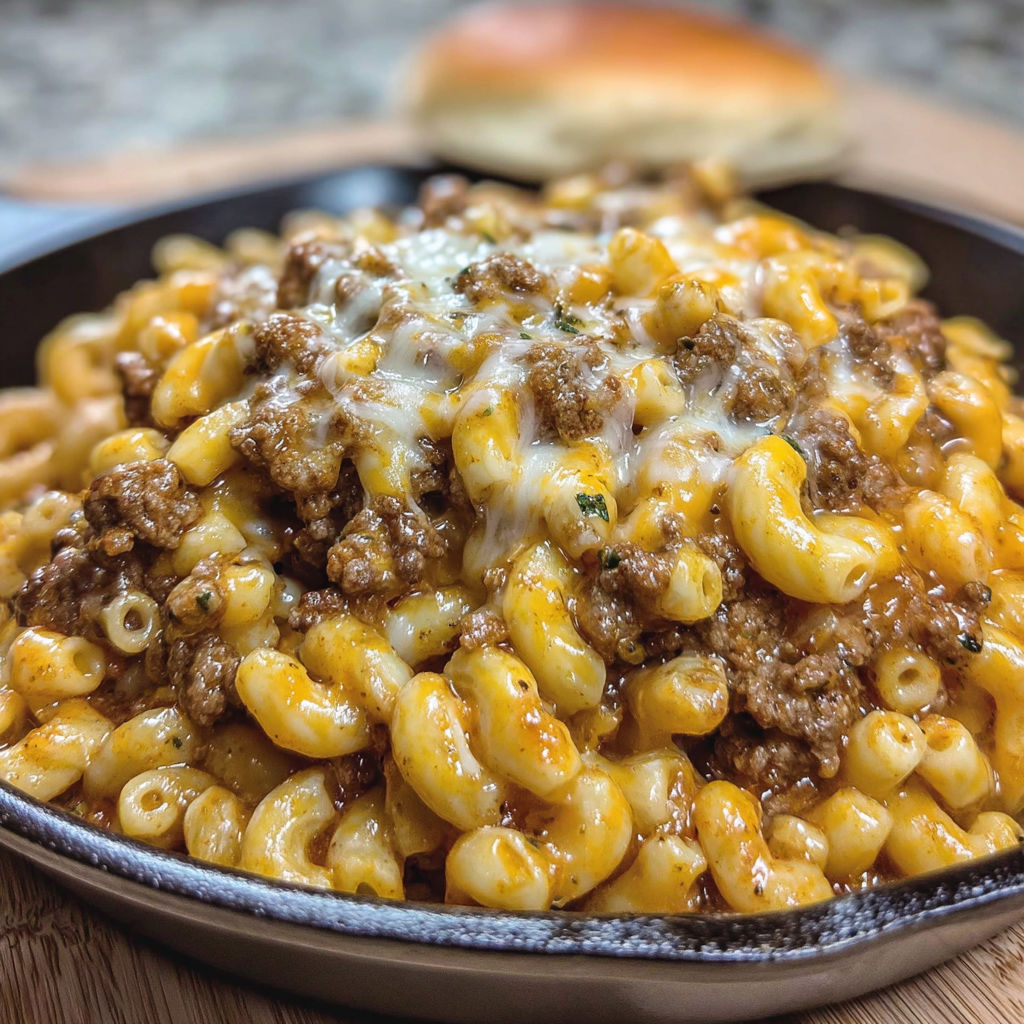
Do not boil the leftovers. High heat makes the beef tighten and the cheese separate. Warm it just until the filling is hot, then stop. Leftovers are especially good folded into scrambled eggs, tucked into a quesadilla, or spooned over a baked potato. For another cozy beef and cheese dinner, the cheese steak hamburger helper has the same comfort-food pull with pasta.
Easy swaps and add-ins
You can make this skillet fit what is already in the fridge. Use only green peppers for a sharper flavor, or add extra mushrooms if you like a deeper savory taste. A little hot sauce in the broth gives heat without turning the whole pan spicy. If you want more sauce, add another splash of broth before the cheese goes on.
Ground beef is the quickest swap. Brown it well, then spoon off extra fat before adding the vegetables. Chicken breast can work too, but slice it thin and do not overcook it. For a gluten-free version, use gluten-free Worcestershire and serve the skillet without rolls. For a lighter plate, spoon it over roasted zucchini or cauliflower rice.
FAQs
- What cut of beef works best for a cheese steak skillet?
Shaved steak is the easiest choice because it cooks quickly and stays tender. Sirloin, ribeye, or flank steak also work if you slice them very thin across the grain.
- Can I use ground beef instead of sliced steak?
Yes. Brown 1 1/2 pounds of ground beef, drain extra fat if needed, then continue with the vegetables and sauce. The texture will be closer to a chopped cheesesteak, still rich and very weeknight-friendly.
- How do I keep the beef from getting tough?
Use high heat and cook the beef in batches so it browns instead of steaming. Pull it from the pan as soon as the strips lose their raw color, then return it only long enough to warm through.
- Can I make this ahead?
You can slice the beef and vegetables up to one day ahead. For best texture, cook the skillet right before serving and add the cheese at the end so it melts fresh.
- What should I serve with it?
Serve it as-is for a low-carb meal, spoon it into toasted hoagie rolls, or pile it over rice, baked potatoes, or fries. A crisp salad or simple slaw balances the rich cheese nicely.
- Is this cheese steak skillet gluten-free?
It can be gluten-free if you use a gluten-free Worcestershire sauce and serve it without bread. Always check the sauce label because brands vary.
