Pin it
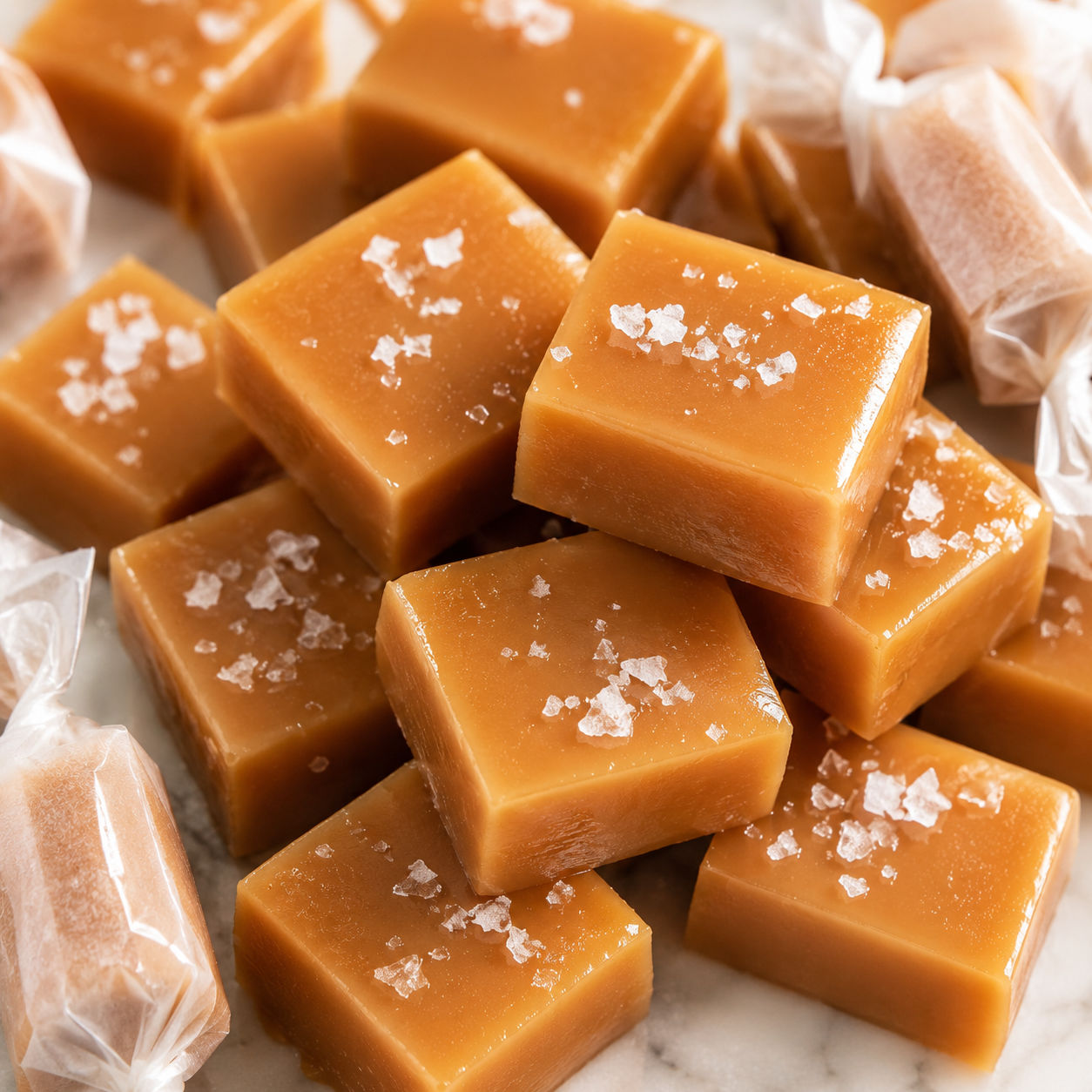
Caramel Candy is one of those recipes that feels old-fashioned in the best way. The pot bubbles slowly, the kitchen smells like toasted sugar and butter, and the finished squares have that soft chew you only get from real cream.
The thermometer matters here. Guessing works until it does not, so this version gives you clear cues and a target temperature. Once the caramel reaches the right stage, it sets into neat pieces that bend before they break.
What Makes These Chewy
The ingredient list is short, so use fresh cream, real butter, and good vanilla. Room-temperature cream blends into the hot sugar more smoothly and helps the candy set with a tender bite.
- Granulated sugar. Gives the caramel structure and clean sweetness.
- Brown sugar. Adds molasses depth without needing to darken the syrup too far.
- Light corn syrup. Keeps the candy smooth and helps prevent grainy crystals.
- Unsalted butter. Adds richness and a soft bite.
- Heavy cream. Makes the caramel creamy instead of brittle.
- Fine salt. Sharpens the butter and sugar flavor.
- Vanilla extract. Goes in after cooking so the flavor stays warm and clear.
- Flaky salt. Optional on top, but it makes the pieces feel finished.
How Caramel Candy Sets
- Prepare the pan. Line a 9x13-inch pan with parchment and lightly butter it so the slab lifts out cleanly.
- Melt the base. Stir the sugars, corn syrup, butter, and salt in a heavy pot until melted and bubbling gently.
- Add the cream slowly. Pour in room-temperature cream in a thin stream while whisking so the mixture stays smooth.
- Cook to temperature. Boil while stirring until the thermometer reads 245°F. The caramel should look glossy and thick.
- Finish and pour. Remove from the heat, stir in vanilla, and pour into the prepared pan without scraping burned bits from the bottom.
- Cool and cut. Let the slab cool fully, then cut into squares with a lightly oiled knife and wrap each piece.
The Temperature Decides Texture
Caramel looks done before it is done, which is why a thermometer earns its drawer space. At about 245°F, the syrup reaches a firm-ball stage that cools into a soft chew. The Exploratorium sugar stages guide is a useful reference if you want to understand why a few degrees change the bite so much.
If you like a softer candy, pull the pot closer to 242°F. For firmer pieces that hold up better in a warm room, go to 247°F. Do not walk away near the end. The last few degrees move fast.
Avoid Grainy Caramel
Graininess comes from sugar crystals. Stir at the start to dissolve everything, then brush down the inside walls of the pot with a damp pastry brush if you see crystals clinging there. Corn syrup is not just filler. It helps keep the syrup from turning sandy as it boils.
Use a heavy-bottomed pot and steady medium heat. Thin pans scorch the bottom before the full batch reaches temperature. If you enjoy candy-making, try Kentucky cream pull candy next, since it uses a different texture technique but the same patience.
Cutting Clean Squares
Let the slab cool at room temperature for at least 4 hours before cutting. Cold caramel can crack, while warm caramel smears. Lift the slab out by the parchment, peel it away, and use a long sharp knife rubbed with a tiny bit of neutral oil.
Press straight down instead of sawing. Wipe the knife between rows if it drags. If you want a dessert that uses caramel without the wrapping step, the fudgy chocolate caramel brownies are a good next bake.
Flavor Twists That Work
Vanilla is classic, but caramel takes small changes well. Add a pinch of cinnamon with the salt, stir in toasted pecans before pouring, or sprinkle flaky salt over the top once the slab has cooled for about 30 minutes. For coffee caramels, dissolve 1 tablespoon instant espresso in the cream before adding it.
Keep liquid flavorings small. Too much bourbon, extract, or citrus juice can soften the set. For another caramel-heavy treat with a crunchier finish, try praline crunch caramel cereal.
Storage And Gifting
Caramel candy is happiest in a cool room. Store wrapped pieces in an airtight container for about 3 weeks, with parchment between layers if needed. Refrigeration is fine for longer storage, but the candy will taste better after 20 minutes at room temperature.
For gifting, cut the pieces a little smaller than you think. Rich caramel is best in two-bite squares. Pack it with hot cinnamon hard candy for a homemade candy box with two very different textures.
Summary
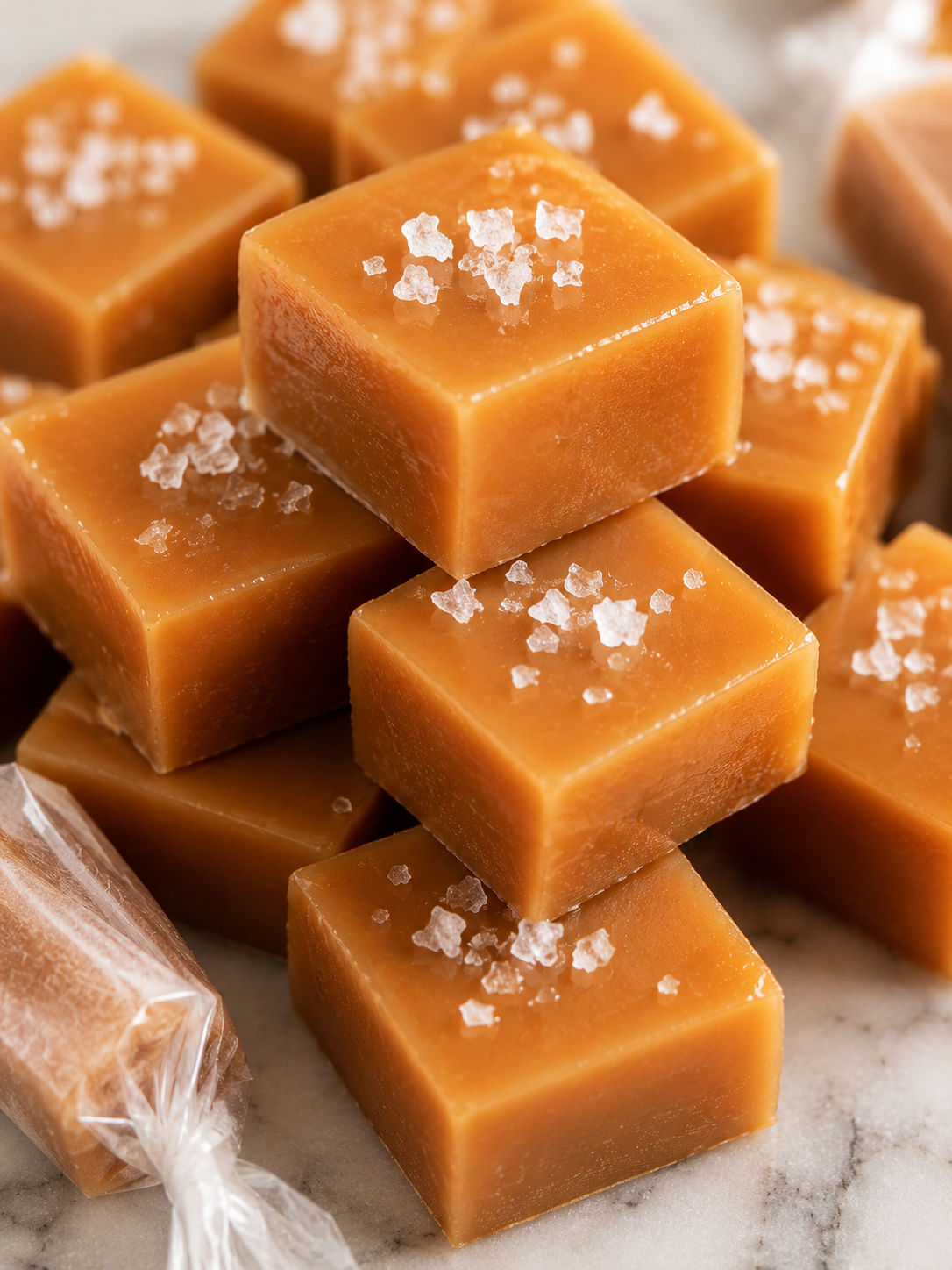
This homemade caramel candy is soft, buttery, and built around one reliable target temperature. Wrap the pieces for gifting or keep a tin on the counter for a small sweet bite.

FAQs
- What temperature should caramel candy reach?
For soft, chewy caramel candy, cook the mixture to 245°F. A few degrees lower gives a softer set, while 248°F makes a firmer chew. Use a candy thermometer and keep the probe in the syrup, not touching the bottom of the pan.
- Can I make caramel candy without corn syrup?
Corn syrup helps keep the caramel smooth by discouraging sugar crystals. Golden syrup can work as a substitute, but the flavor will be a little deeper. I would not leave it out completely unless you are comfortable troubleshooting grainy candy.
- Why did my caramel turn grainy?
Grainy caramel usually means sugar crystals formed on the side of the pan and got stirred back in. Brush the pan sides with a damp pastry brush while the mixture heats. Corn syrup also helps keep the texture smooth.
- How long does homemade caramel candy keep?
Wrapped caramels keep well at room temperature for about 3 weeks. Store them in an airtight tin or container away from heat. For longer storage, refrigerate them and let them soften at room temperature before eating.
- Can I add nuts or chocolate?
Yes. Stir toasted pecans into the pan just before pouring, or dip the cooled pieces in melted chocolate. Keep add-ins modest so the caramel still slices cleanly.
- Can I double this recipe?
You can, but use a very large heavy pot because caramel bubbles high once cream is added. A doubled batch also takes longer to reach temperature. For the cleanest results, make two separate batches until you know your stove and pan well.