 Pin it
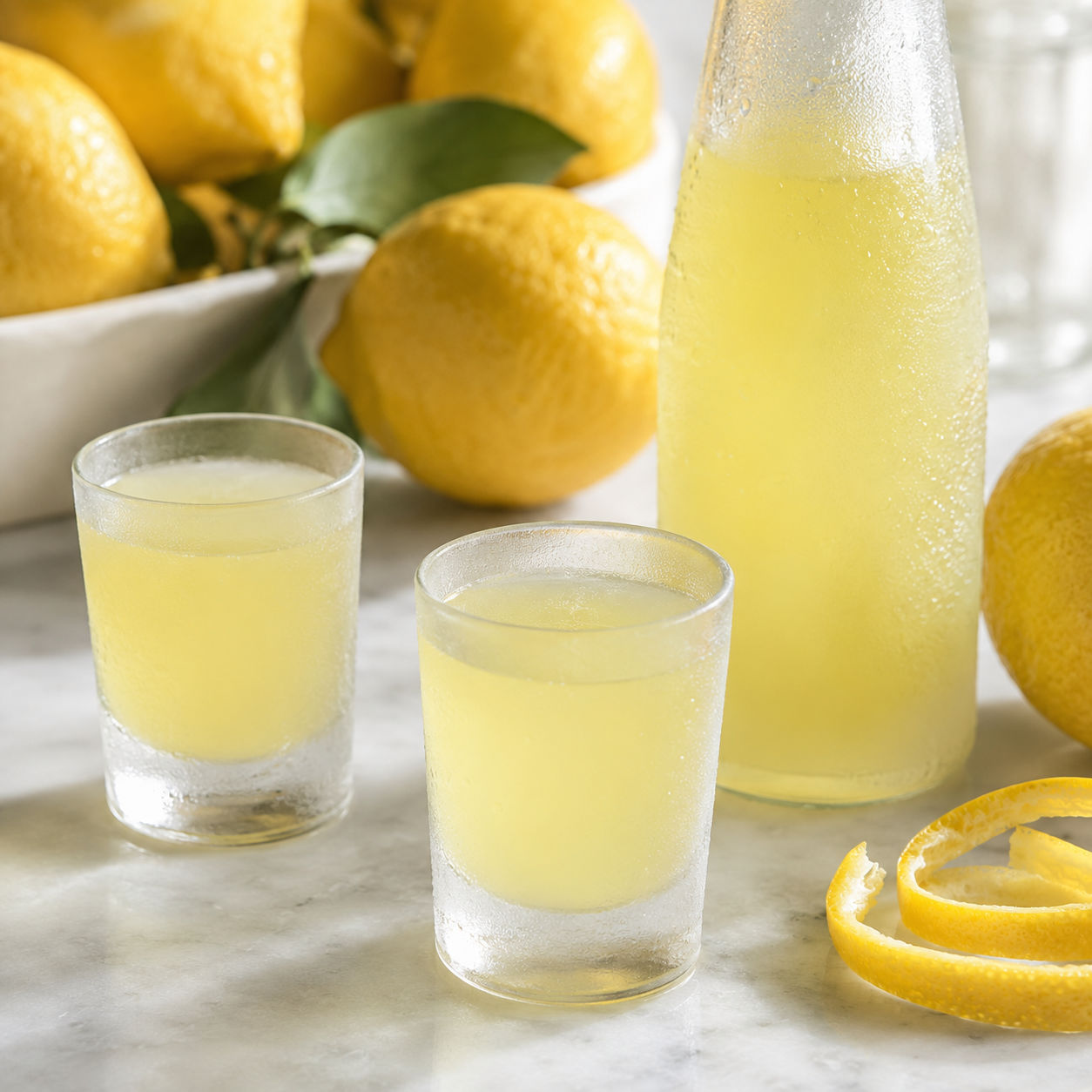
Authentic Italian Limoncello is one of those recipes that asks for patience, not fuss. The ingredient list is short, so the lemon peel has nowhere to hide. Use fragrant untreated lemons and peel them thinly.
The payoff is a cold, silky liqueur with clean lemon oil aroma and no harsh sour bite. I like it after a big Italian dinner, especially when dessert is something creamy like Italian cream puffs.
The lemon peel lineup
Good limoncello starts with lemons that smell bright before you even cut into them. Choose organic or untreated fruit, then handle the peel gently so the fragrant oils stay on the zest instead of your cutting board.
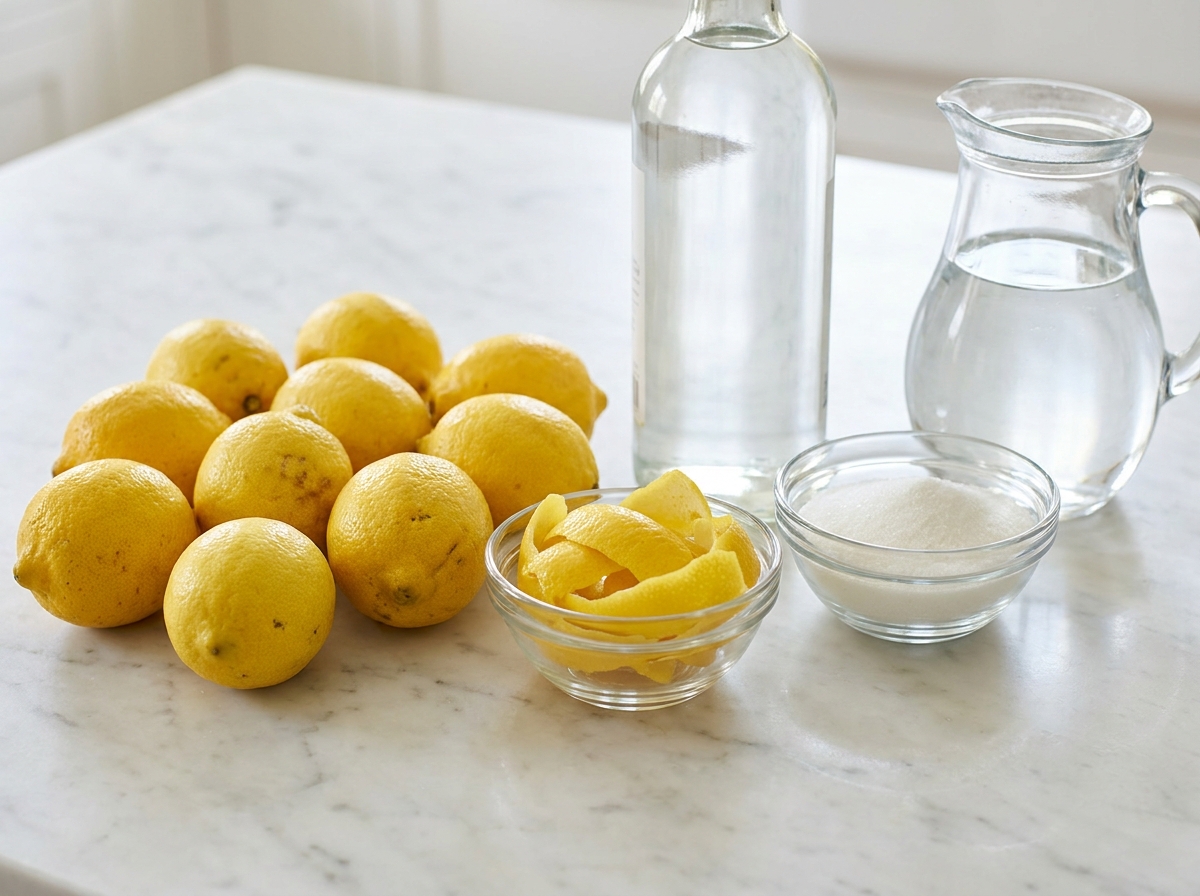
- Organic lemons. The yellow peel gives limoncello its color, aroma, and clean citrus flavor.
- High-proof neutral alcohol. It extracts lemon oil better than standard vodka and keeps the finished liqueur freezer-friendly.
- Granulated sugar. It softens the alcohol and gives the drink its smooth, almost syrupy finish.
- Filtered water. It dilutes the infusion and keeps the flavor clean.
Authentic Italian Limoncello method
- Wash and dry the lemons. Rinse the fruit gently, following produce-safety habits like those in the FDA produce guide, then dry every lemon well.
- Peel only the yellow zest. Use a sharp vegetable peeler and take wide, thin strips. Trim away any white pith.
- Start the infusion. Place the peels in a clean glass jar, cover with the alcohol, seal, and keep it in a cool dark spot for 10-14 days.
- Make the syrup. Warm the sugar and water just until clear, then cool it completely before mixing.
- Strain and blend. Strain out the peels, stir in the cold syrup, and taste a chilled spoonful before adjusting sweetness.
- Bottle and rest. Pour into clean bottles and rest for at least 7 days. Chill in the freezer before serving.
Thin peel matters
Limoncello should taste like lemon oil, not lemon juice. That flavor lives in the yellow outer peel. The white layer underneath is dry and bitter, so slow down while peeling. A vegetable peeler gives wider strips than a microplane and makes straining easier.
If your lemons are waxed or smell faint, use them for juice and buy better fruit for this. The classic Italian method shown by long-running Italian recipe sources such as Recipes from Italy follows the same basic idea. Peel, infuse, sweeten, rest.
Alcohol strength changes everything
High-proof alcohol extracts citrus oils quickly and gives limoncello its signature cloudy glow once syrup is added. Standard 80-proof vodka can make a pleasant lemon liqueur, but it is softer, less aromatic, and more likely to freeze solid. Use 190-proof neutral grain alcohol where it is legal and available, or choose 100-proof vodka as the next-best option.
Do not add lemon juice. It sounds useful, but it pushes the drink toward sour lemonade and can make the flavor dull after storage. Save the peeled lemons for lemon curd, lemonade, or a batch of Italian lemon spread.
Sweetness is adjustable
The syrup amount below lands in the balanced, after-dinner range. It is sweet, but not sticky. If you like a softer limoncello, make a little extra syrup and add it after the first blend. Taste only after chilling a spoonful for a few minutes. Warm alcohol tastes sharper and can trick you into adding too much sugar.
For cocktails, keep the batch a touch stronger. It holds up beautifully in a tall drink like a limoncello mojito, where mint, citrus, and ice will mellow it further.
Bottle it cleanly
Use glass bottles with tight caps or swing tops. Wash them well, then rinse with very hot water and let them dry upside down. A funnel keeps the work neat, and a fine-mesh strainer catches small pieces of peel. For a clearer limoncello, strain through a coffee filter after the first pass.
The liqueur will taste good right away, but a week in the bottle smooths the edges. The color often turns from clear yellow to a soft cloudy gold after syrup goes in. That is normal. It comes from lemon oils suspended in the alcohol and water mixture.
How to serve it
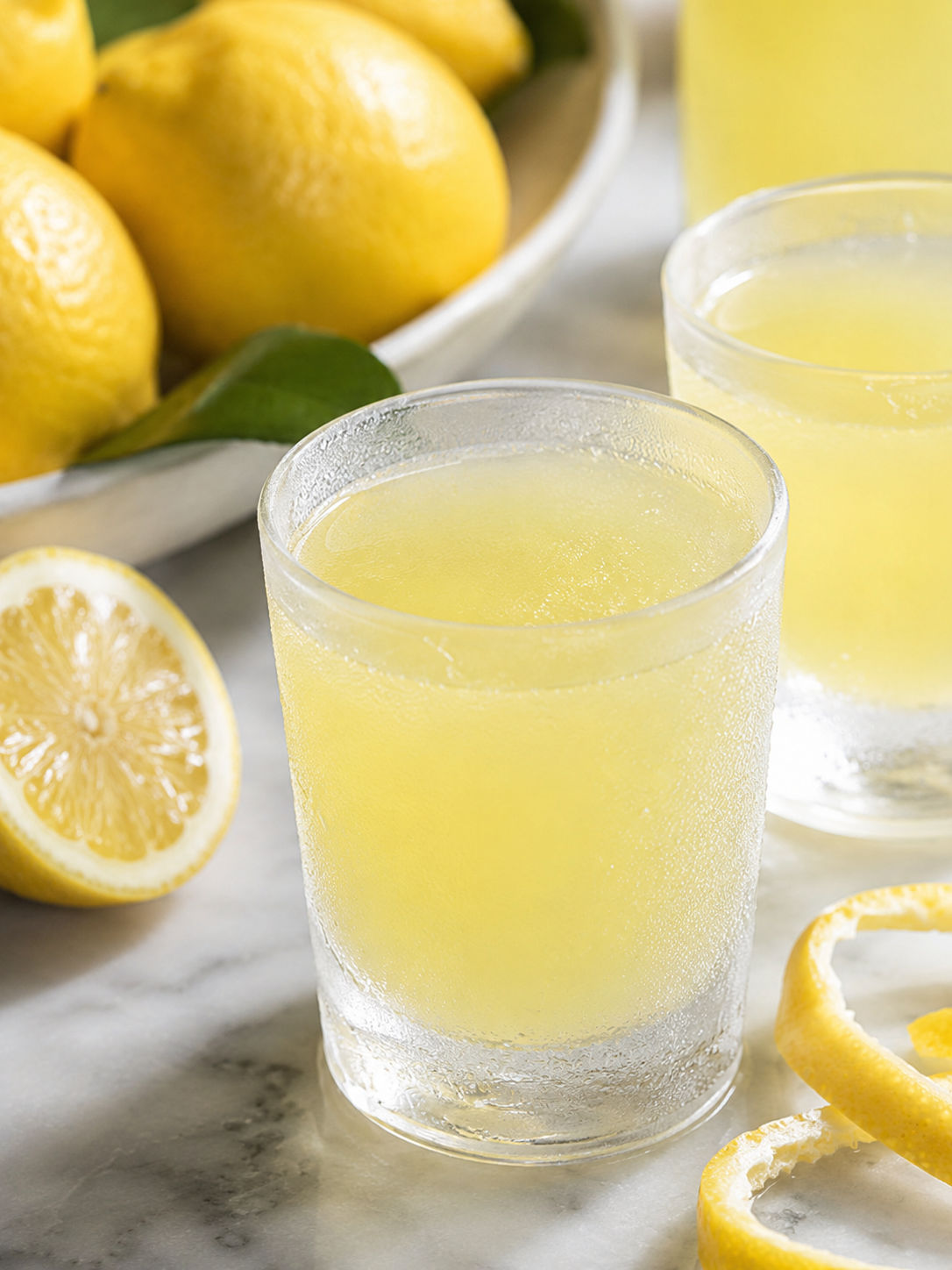
Serve limoncello straight from the freezer in small chilled glasses. It is meant to be sipped cold after a meal, not poured over ice. Ice dilutes the aroma and makes the sweetness feel thinner.
It is also a smart dessert ingredient. Brush a little over sponge cake, drizzle it over berries, or add a splash to lemon gelato. For a bigger Italian dinner, pour tiny glasses after rich mains like Italian lasagna. The cold lemon finish cuts through all that cheese and sauce.
Summary
Serve this limoncello ice cold in small glasses after dinner, or use a splash in lemon desserts and cocktails.
FAQs
- What alcohol is best for authentic Italian limoncello?
Traditional limoncello uses very high-proof neutral alcohol because it pulls the fragrant oils from lemon peel quickly and cleanly. In the United States, 190-proof grain alcohol is the closest common option where legal. If you use 100-proof vodka, the flavor will be lighter and the finished liqueur may freeze harder.
- Can I use regular grocery store lemons?
Yes, but choose organic or untreated lemons because the peel is the main ingredient. Scrub them gently and dry them well. Thick, bumpy skins usually carry more aromatic oil than smooth, thin skins.
- How do I stop limoncello from tasting bitter?
Keep every strip of peel as yellow as possible. The white pith under the zest is the usual reason limoncello turns bitter. If a strip has a thick white patch, scrape it off with a small knife before it goes into the jar.
- How long should lemon peels infuse?
With high-proof alcohol, 10-14 days gives a strong lemon aroma without much bitterness. Longer infusions can work, but they are not always better. Once the peels look pale and the alcohol is deeply yellow, you have extracted most of what you need.
- Can I make limoncello less strong?
Yes. Add more cooled simple syrup after straining, a little at a time, until the bite softens. Chill a spoonful before judging because warm limoncello tastes stronger than freezer-cold limoncello.
- How should homemade limoncello be stored?
Keep sealed bottles in the freezer for serving and longer storage. The alcohol and sugar should keep the liqueur slushy rather than solid if the proof is high enough. For the brightest lemon flavor, use it within about three months.
- What can I do with leftover limoncello?
Sip it after dinner, shake it into a cocktail, or spoon a little over fruit and gelato. It is also excellent in lemon desserts, including creamy treats like limoncello lemon gelato.
