 Pin it
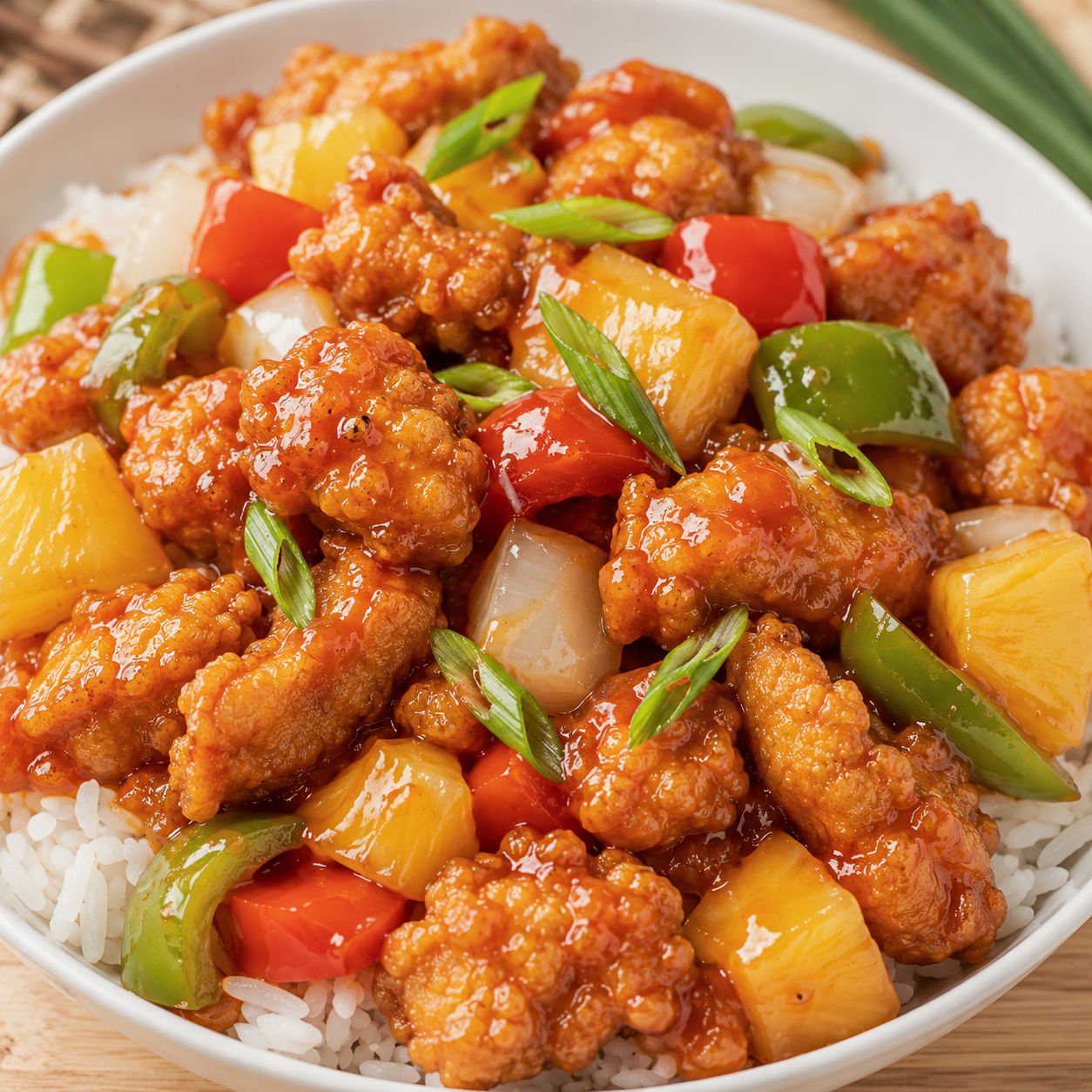
Sweet and Sour Chicken should taste bright, sticky, and balanced. The sauce needs enough vinegar to cut the sugar, enough pineapple to feel fresh, and just enough ketchup to give that familiar red shine.
This version keeps the chicken crisp without a heavy batter. I use a thin egg-white coating, a flour and cornstarch dredge, and a quick toss in the sauce at the end so the pieces stay tender inside.
The Bright, Saucy Lineup
Use firm bell peppers, canned pineapple in juice, and chicken cut into even pieces. The sauce is simple, so taste the vinegar and sugar balance before it hits the pan.
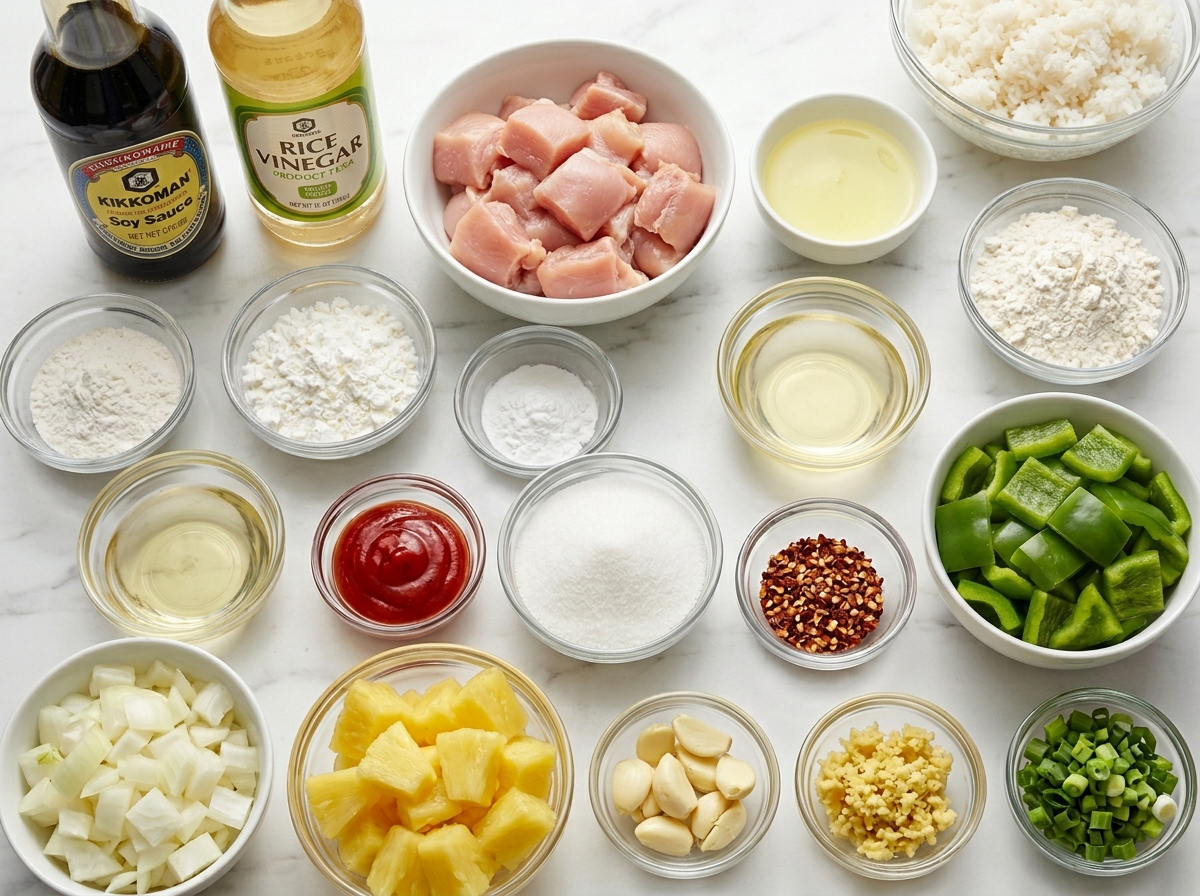
- Boneless chicken thighs. They stay juicy through frying and hold up well under the sticky sauce.
- Egg white. Helps the coating cling without making the crust heavy.
- Flour and cornstarch. Flour gives structure, while cornstarch keeps the edges light and crisp.
- Baking powder. Adds a little lift so the coating is not dense.
- Pineapple chunks. Bring sweetness, acidity, and a juicy bite that belongs in this dish.
- Bell peppers and onion. Add color, crunch, and a quick charred edge.
- Garlic and ginger. Give the sauce warmth so it does not taste flat.
- Ketchup, vinegar, sugar, and soy sauce. Build the familiar sweet, tangy, savory glaze.
- Scallions. Add a fresh finish right at the end.
Sweet and Sour Chicken Method
- Mix the sauce. Whisk ketchup, vinegar, sugar, water, soy sauce, cornstarch, and a pinch of red pepper flakes until smooth. Set it near the stove because the stir-fry moves fast.
- Season the chicken. Toss the chicken with salt, pepper, and egg white until every piece feels lightly slick. This helps the coating grab on.
- Coat each piece. Stir flour, cornstarch, and baking powder together, then dredge the chicken. Shake off loose flour so it does not burn in the oil.
- Fry until crisp. Heat oil in a wide pan and fry the chicken in batches until golden and cooked through, about 3-4 minutes per batch. Drain on a rack or paper towels.
- Cook the vegetables. Pour off most of the oil, then stir-fry onion, bell peppers, and pineapple over high heat until the edges pick up color.
- Add aromatics and sauce. Stir in garlic and ginger for about 30 seconds, then pour in the sauce and cook until glossy and thick.
- Toss and serve. Turn off the heat, add the fried chicken and scallions, and toss just until coated. Serve right away over rice.
Why The Coating Works
The coating is thin on purpose. A heavy batter can turn bready once the sauce hits it, but this lighter dredge gives you crisp edges and a tender center. Cornstarch is the quiet helper here. It dries the surface of the chicken and fries into a delicate shell.
Work in batches and give the pieces room. Crowding the pan traps steam, which makes the coating soften before it has a chance to brown. If you like saucy chicken dinners, the same sticky finish shows up in honey garlic chicken stir fry, though that sauce leans sweeter and more garlicky.
Balance The Sauce
Sweet and sour sauce should not taste like candy. Ketchup gives color and body, sugar rounds the vinegar, and soy sauce keeps everything savory. Pineapple adds fruitiness, but it should not take over the pan.
If the sauce tastes too sharp before cooking, add another teaspoon of sugar. If it tastes flat, add a small splash of vinegar. Once it thickens, it should coat a spoon in a shiny layer. For a baked, less crispy take on the same flavor family, try baked sweet and sour chicken.
Vegetables Need High Heat
The peppers and onion should stay bright with a little bite. Cook them over high heat, move them often, and stop before they collapse. Pineapple only needs a quick turn in the pan. Too long and it releases extra juice, which thins the sauce.
This is why everything should be chopped before the stove goes on. Stir-fries punish slow prep. If you want another pineapple-heavy chicken dinner with softer, sweeter edges, sweet sticky pineapple chicken is a good next stop.
Food Safety And Doneness
The chicken should be golden outside and fully cooked inside before it meets the sauce. The USDA lists 165°F as the safe minimum internal temperature for poultry in its safe temperature chart. A small instant-read thermometer is useful here because bite-size pieces cook quickly.
If you do not have a thermometer, cut into a larger piece. The center should be opaque with clear juices. Do not rely on the sauce simmer to finish undercooked chicken, since the sauce only cooks for a minute or two.
Storage Without Soggy Chicken
Sweet and Sour Chicken is best the minute it is tossed. The coating softens as it sits, which is normal for any sauced fried chicken. For leftovers, store everything airtight in the fridge for up to 3 days and reheat gently in a skillet.
For make-ahead cooking, fry the chicken and cool it on a rack. Keep the sauce and vegetables separate. Re-crisp the chicken in a 400°F oven for 8-10 minutes, warm the sauce in a pan, then toss them together just before serving. For another sweet dinner with a different texture, sweet and sour meatballs hold up better for meal prep.
Summary
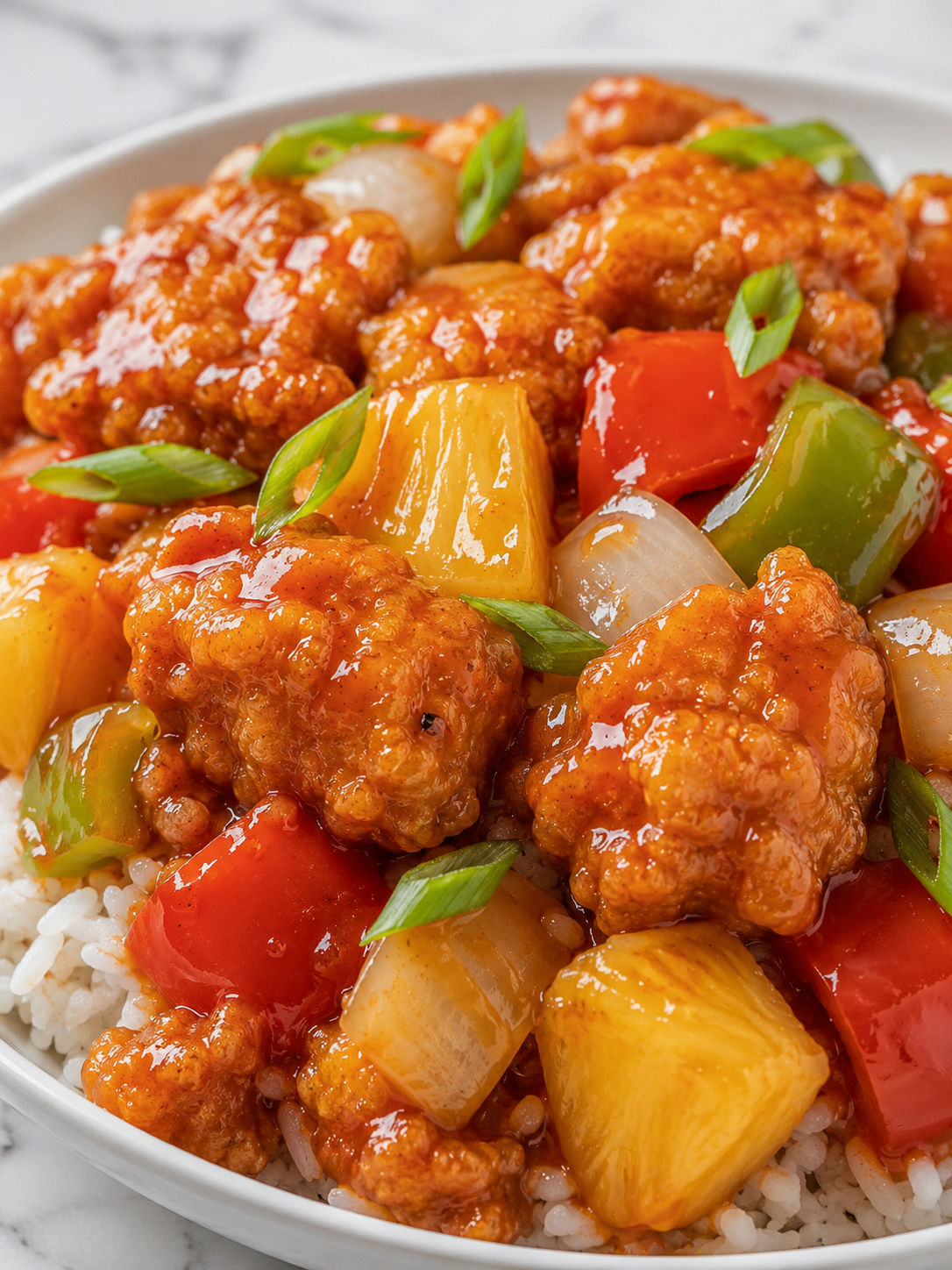
Serve this Sweet and Sour Chicken as soon as it is tossed so the coating keeps some bite. Steamed rice is the easiest landing place for the extra sauce.
FAQs
- What is Sweet and Sour Chicken made of?
Sweet and Sour Chicken is usually made with bite-size chicken pieces, bell peppers, onion, pineapple, and a glossy sauce built from vinegar, sugar, ketchup, soy sauce, and pineapple juice or water. Some versions are deep-fried, while this one uses a shallow fry for a crisp coating with less oil.
- Can I use chicken breast instead of thighs?
Yes. Chicken breast works well if you cut it into even 1-inch pieces and avoid overcooking it. Thighs are a little more forgiving and stay juicier after frying.
- How do I keep the chicken crispy?
Fry the chicken in batches so the pan temperature does not drop. Let the sauce thicken before adding the chicken, then toss quickly and serve right away. Once the chicken sits in sauce, the coating will soften.
- Can I make Sweet and Sour Chicken gluten-free?
Yes, with a few swaps. Use all cornstarch or a gluten-free all-purpose flour blend for the coating, and choose tamari instead of regular soy sauce. Check ketchup and baking powder labels too, since brands vary.
- How should I store leftovers?
Store leftovers in an airtight container in the fridge for up to 3 days. Reheat in a skillet over medium heat until hot, adding a splash of water if the sauce is too thick. The chicken will be softer, but the flavor holds up.
- What should I serve with Sweet and Sour Chicken?
Steamed jasmine rice is the classic choice because it catches the sauce. Fried rice, simple noodles, or a crisp cucumber salad also work well when you want more texture on the plate.
