 Pin it
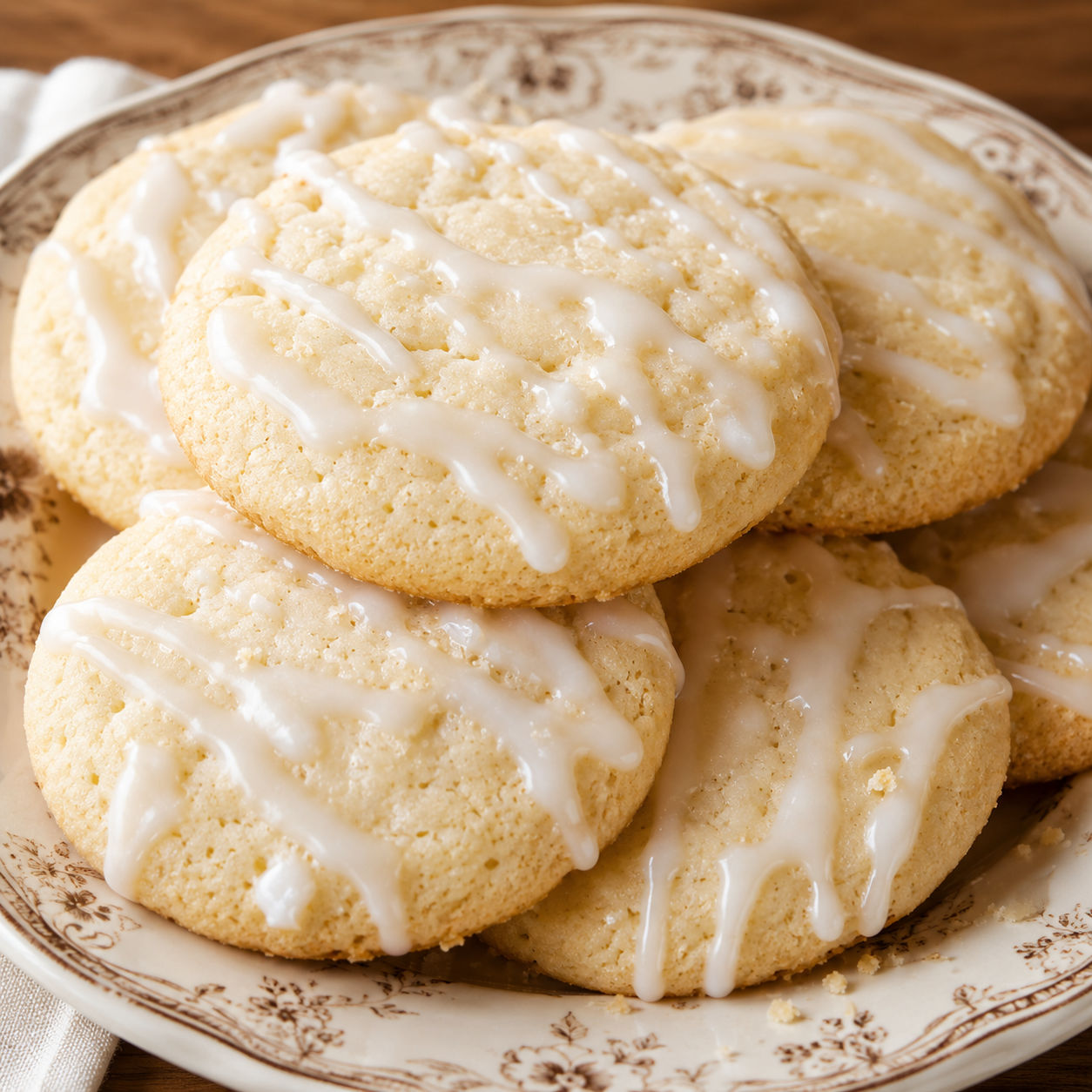
These are the cookies my grandmother kept in a tin on the counter. They are soft and cake-like with a slight tang from sour cream and a simple glaze that cracks as it sets. The dough comes together fast and the bake time is short, so you can have a plate ready in well under an hour.
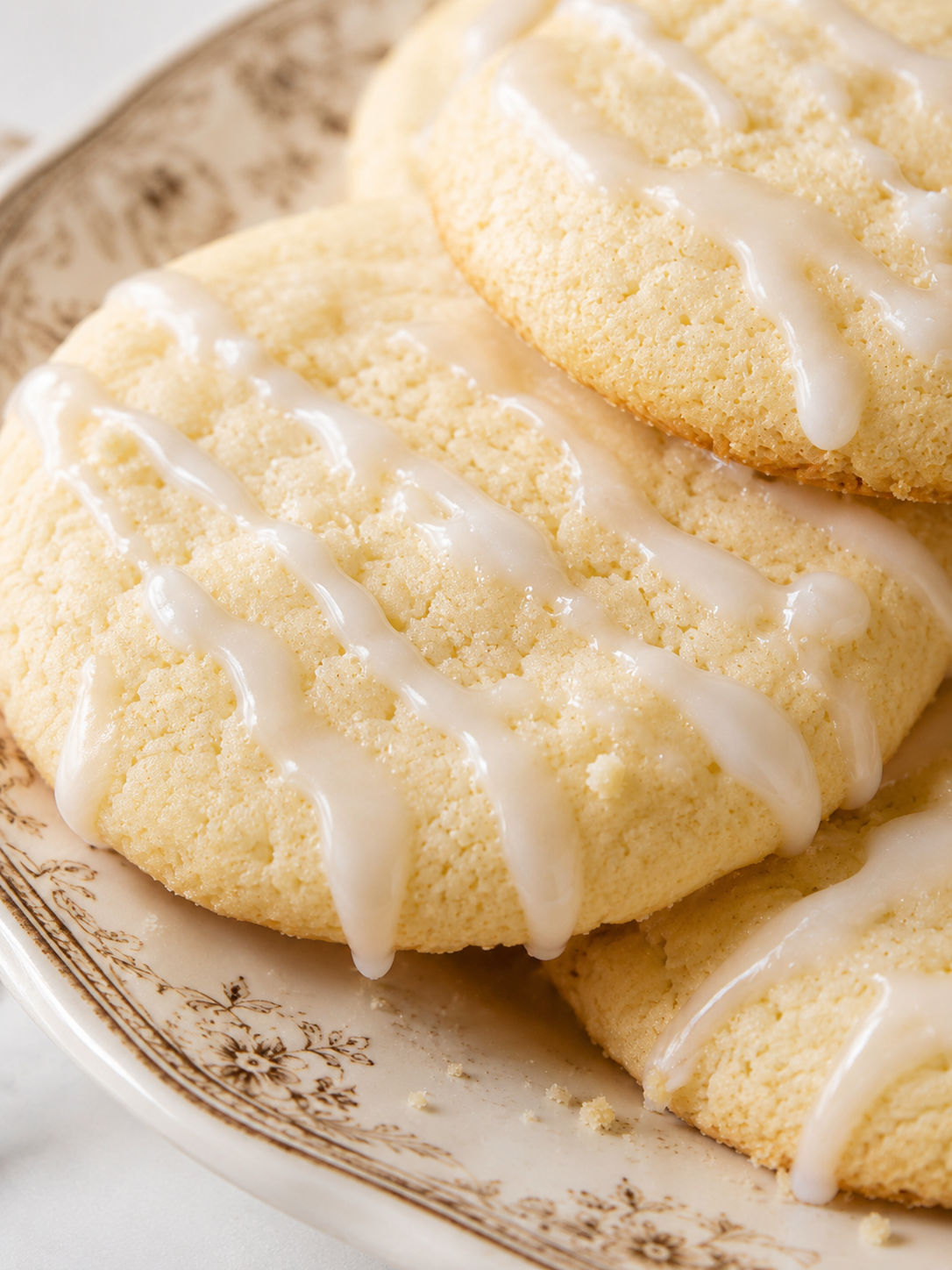
What sets them apart from standard sugar cookies is the crumb. Sour cream keeps the interior moist and tender while the outside bakes to a light golden shell. They are not crisp or crunchy, and that is exactly the point.
What goes into the dough
The ingredient list is short and pantry-friendly. Use full-fat sour cream here. The fat helps create that soft, almost muffin-like texture you want in a vintage drop cookie.
- All-purpose flour. The base of the dough. Measuring it correctly matters. If you pack the cup too tight, the cookies turn dry. King Arthur Baking has a solid guide on how to measure flour properly.
- Butter. Unsalted and softened so it creams evenly with the sugar. This step builds the light structure.
- Granulated sugar. Sweetens the dough and helps the edges turn golden in the oven.
- Sour cream. Full-fat works best. It tenderizes the crumb and adds a subtle tang that balances the sweetness.
- Egg. Binds the dough and adds richness. Room temperature mixes in more smoothly.
- Vanilla and nutmeg. Vanilla is essential. A pinch of nutmeg gives that old bakery warmth without taking over.
- Leavening. Baking soda and a little baking powder give a gentle rise.
How the dough comes together
- Cream the butter and sugar. Beat them until light and fluffy, about two to three minutes. This step traps air and sets the texture.
- Add the wet ingredients. Mix in the egg, sour cream, and vanilla until the batter looks smooth and pale.
- Combine the dry ingredients. Whisk the flour, baking soda, baking powder, salt, and nutmeg in a separate bowl so the leavening distributes evenly.
- Mix the dough. Add the dry ingredients to the butter mixture and stir until just combined. Over-mixing develops gluten and makes the cookies tough.
- Chill briefly. A thirty-minute rest in the fridge firms the butter and prevents the cookies from spreading too much.
- Scoop and bake. Drop rounded tablespoons of dough two inches apart on lined sheets. Bake at 375 degrees F for ten to twelve minutes until the edges are light gold.
- Glaze while warm. Whisk powdered sugar, milk, and vanilla until pourable, then drizzle over the cooled cookies.
The sour cream difference
Sour cream does two jobs at once. The acidity tenderizes the gluten in the flour, which keeps the cookie soft and cake-like instead of chewy or crisp. The fat adds moisture that stays locked in even after a day or two on the counter. If you enjoy this effect, Sour Cream Cut-Out Cookies use the same trick for a rollable dough.
Swaps and add-ins
You can replace the nutmeg with lemon zest for a brighter cookie, or fold in a half cup of raisins or chopped walnuts. If you want something closer to a bakery style, add a quarter teaspoon of almond extract alongside the vanilla. For a chocolate version, replace two tablespoons of flour with cocoa powder. These pair well with a cup of coffee or a tall glass of cold milk, much like a piece of old fashioned fudge.
Glaze or no glaze
The simple vanilla glaze is traditional, but these cookies are good plain too. A dusting of powdered sugar works for a less sweet finish. You can also frost them with a thicker buttercream if you want something more decadent. If you skip the glaze entirely, sprinkle the tops with coarse sugar before baking for a little crunch.
Storing and freezing
Store the cookies in an airtight container at room temperature for up to four days. The sour cream helps them stay soft longer than standard sugar cookies. You can also freeze the baked cookies between layers of parchment for up to two months. Thaw them uncovered on the counter so condensation does not make the glaze sticky. The dough also freezes well. Scoop it into balls, freeze solid on a tray, then transfer to a bag. Bake straight from frozen and add two minutes to the timer. Old-Fashioned Sour Cream Doughnuts freeze the same way if you want to stock your freezer.

FAQs
- Can I use Greek yogurt instead of sour cream?
Yes, full-fat plain Greek yogurt is the best substitute. The texture will be nearly identical, though the tang may be slightly sharper. Avoid low-fat or nonfat yogurt, which makes the cookies dry.
- Why did my cookies spread too much?
Warm dough or a hot baking sheet is usually the cause. Chill the dough for at least thirty minutes and let your sheets cool completely between batches. Too little flour can also cause spreading.
- Can I roll and cut these with cookie cutters?
This dough is a drop cookie dough, so it is too soft to roll cleanly. If you want cut-outs, try Sour Cream Cut-Out Cookies instead, which are built for rolling.
- How long do they stay fresh?
Stored airtight at room temperature, they stay soft for three to four days. You can refrigerate them for up to a week, though the glaze may soften slightly.
- Can I freeze the dough?
Yes. Scoop the dough into balls, freeze on a baking sheet until solid, then move to a freezer bag. Bake from frozen at 375 degrees F for twelve to fourteen minutes.
- Do I have to use the glaze?
No. The cookies are sweet enough on their own. You can leave them plain, dust with powdered sugar, or press the tops in cinnamon sugar before baking.
