 Pin it
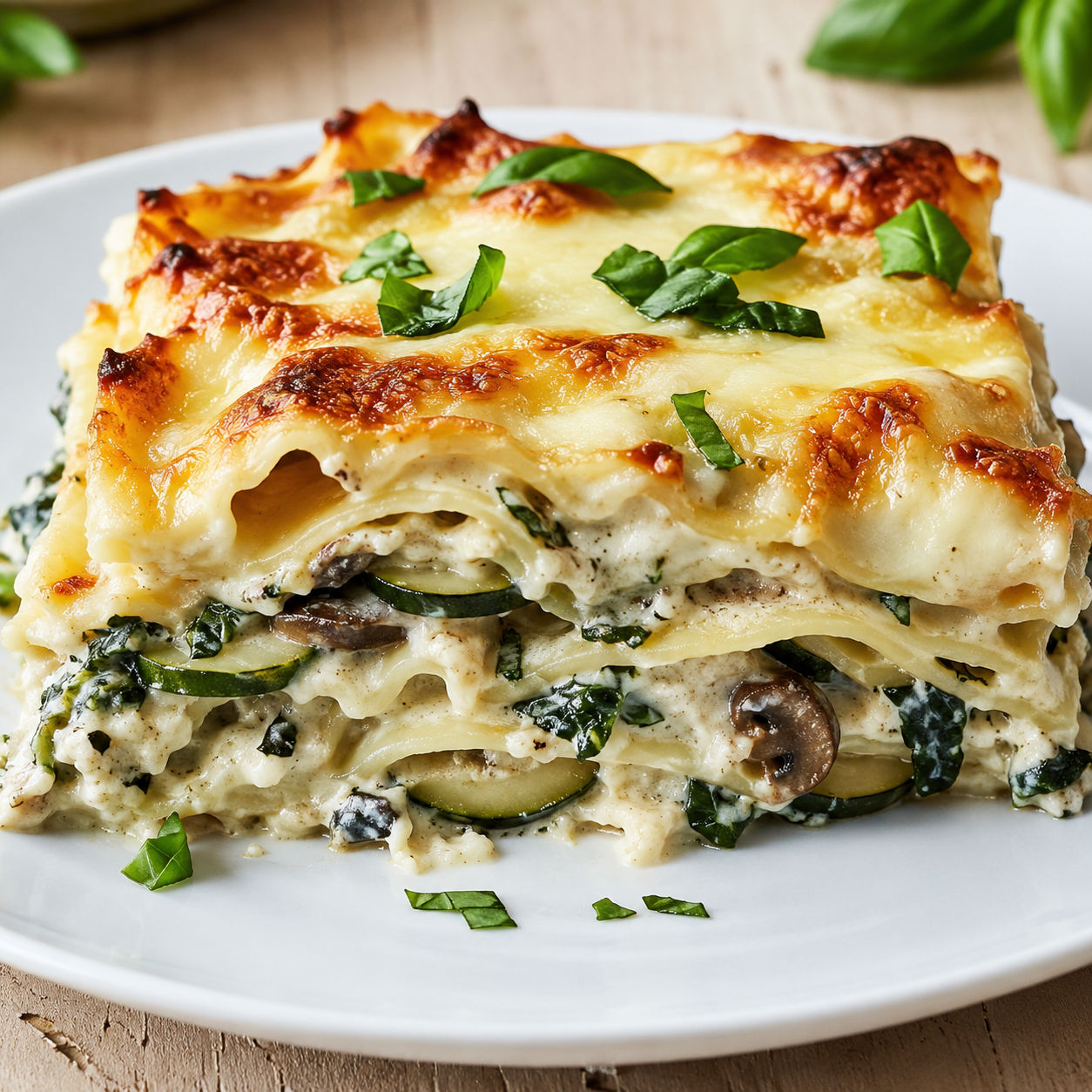
This is the kind of lasagna I turn to when I want something hearty but without the meat. It shares the same creamy spirit as our creamy vegetable lasagna, but the vegetable mix here is a little more rustic. Layers of tender vegetables hide inside a white sauce that tastes richer than it is complicated.
The béchamel carries the whole dish. It binds the vegetables and noodles together so every slice holds its shape. You can assemble it earlier in the day and bake it when you are ready, which makes it ideal for Sunday dinner or a casual gathering.
The vegetable and cheese lineup
Fresh vegetables do the heavy lifting here, so pick ones that feel firm and bright. Zucchini and mushrooms bring an earthy depth, while spinach wilts down into silky ribbons. A good block of parmesan for the sauce and whole milk ricotta for the layers make a noticeable difference compared to pre-shredded bags.
- Zucchini. Cooks down tender and adds subtle sweetness without overwhelming the other layers.
- Cremini mushrooms. Their savory, almost meaty flavor gives the filling real substance.
- Baby spinach. Wilts quickly and adds color and a mild, fresh note between the pasta sheets.
- Whole milk ricotta. Creates those creamy, distinct pockets in every bite. Avoid the overly watery supermarket tubs if you can.
- Mozzarella and parmesan. Mozzarella gives the stretchy top layer, while parmesan melts into the béchamel for a salty backbone.
- No-boil lasagna noodles. They absorb excess moisture from the vegetables and save a step, but regular noodles work just as well.
Layering it all together
- Sauté the vegetables. Cook zucchini, mushrooms, and onion in a hot skillet until they release their liquid and it evaporates. Add spinach at the end and let it wilt. This step prevents a watery bake.
- Make the béchamel. Melt butter and whisk in flour. Cook for one minute to remove the raw taste. Pour in warm milk slowly while whisking constantly until the sauce thickens enough to coat a spoon. Season with nutmeg, salt, and pepper.
- Boil the noodles. If you are using regular lasagna noodles, cook them for one minute less than the package suggests. Drain and lay flat on a lightly oiled baking sheet so they do not stick. Skip this step if using no-boil noodles.
- Assemble the lasagna. Spread one cup of white sauce over the bottom of a 9 by 13 inch baking dish. Add a layer of noodles, then half the vegetable mixture, half the ricotta in spoonfuls, one cup of mozzarella, and one cup of sauce. Repeat the layers once more. Finish with a final layer of noodles, the remaining sauce, and the remaining mozzarella and parmesan.
- Bake and rest. Cover the dish tightly with foil and bake at 375°F for 30 minutes. Remove the foil and bake until the top is spotty and golden, about 15 minutes more. Let the lasagna rest for at least 15 minutes before slicing.
Why resting matters
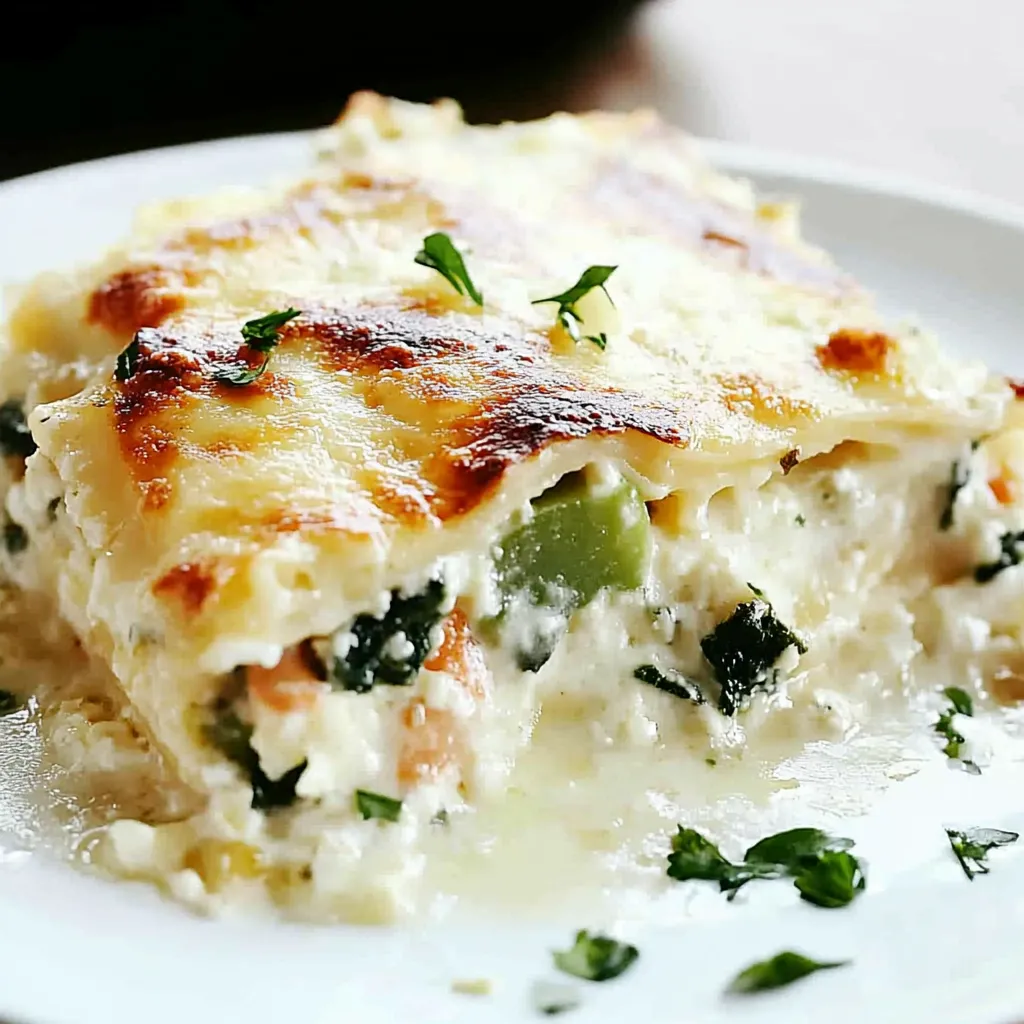
The hardest part of this recipe is waiting. After the lasagna comes out of the oven, it needs at least 15 minutes on the counter. The sauce thickens as it cools slightly, and the layers firm up enough to slice cleanly. Cut too early and the filling slides out. If you are short on time you can still serve it, but the squares will be looser.
Keeping the sauce smooth
A lumpy béchamel ruins the texture. The trick is to add warm milk to the roux in a slow stream while you whisk. Cold milk shocks the butter and flour into clumps. If you do end up with lumps, press the sauce through a fine mesh sieve or blitz it with an immersion blender. For a deeper look at the science of starches and sauces, the folks at Serious Eats break down the technique well.
Make it ahead or freeze it
You can assemble the entire lasagna up to 24 hours before baking. Cover it tightly and keep it in the refrigerator. Let it sit at room temperature for about 30 minutes before it goes into the hot oven, or add 10 minutes to the covered baking time. Leftovers keep in the fridge for up to three days. For longer storage, wrap individual portions and freeze them for up to two months. The U.S. Food Safety portal offers solid guidelines on cooling and reheating casseroles safely.
Swaps and variations
This recipe adapts to what you have. Swap zucchini for eggplant, or use kale instead of spinach. A layer of roasted red peppers adds sweetness. If you want something similar but faster, our lazy day vegetable lasagna skips the white sauce and comes together in one skillet. For a different spin on the creamy base, try the garlic white sauce as a replacement. And if you are craving a soup version, the creamy white lasagna soup hits the same notes in a bowl.
What to serve alongside
A crisp green salad with lemon vinaigrette cuts through the richness. Garlic bread or a simple focaccia is non-negotiable at my table for soaking up extra sauce. For a heartier spread, add roasted asparagus or steamed broccoli on the side. A light sparkling water or a dry white wine pairs nicely with the creamy béchamel.
FAQs
- Can I assemble this lasagna ahead of time?
Yes. Build the layers up to 24 hours before baking, cover tightly, and refrigerate. Let it sit at room temperature for 30 minutes before it goes into the oven, or add 10 minutes to the covered bake time.
- What other vegetables can I use?
Almost anything works. Eggplant, bell peppers, kale, or asparagus are great substitutes. Just cook them first to drive off excess moisture so the lasagna does not turn watery.
- Can I use no-boil lasagna noodles?
Absolutely. No-boil noodles save time and actually absorb extra liquid from the vegetables, which helps the slices hold together. If you use regular noodles, cook them one minute less than the package says.
- How do I store and reheat leftovers?
Refrigerate leftovers in an airtight container for up to three days. Reheat individual portions in the microwave, or cover the whole dish with foil and warm it in a 350°F oven for 20 minutes until heated through.
- Can I freeze this lasagna?
Yes. Freeze the fully baked and cooled lasagna in individual portions wrapped tightly in plastic and foil for up to two months. Thaw overnight in the refrigerator before reheating.
- Is there a dairy-free version?
You can substitute plant-based butter, unsweetened oat or soy milk, and dairy-free mozzarella and ricotta. The texture will be slightly less rich, but the dish still bakes up creamy and satisfying.
