 Pin it
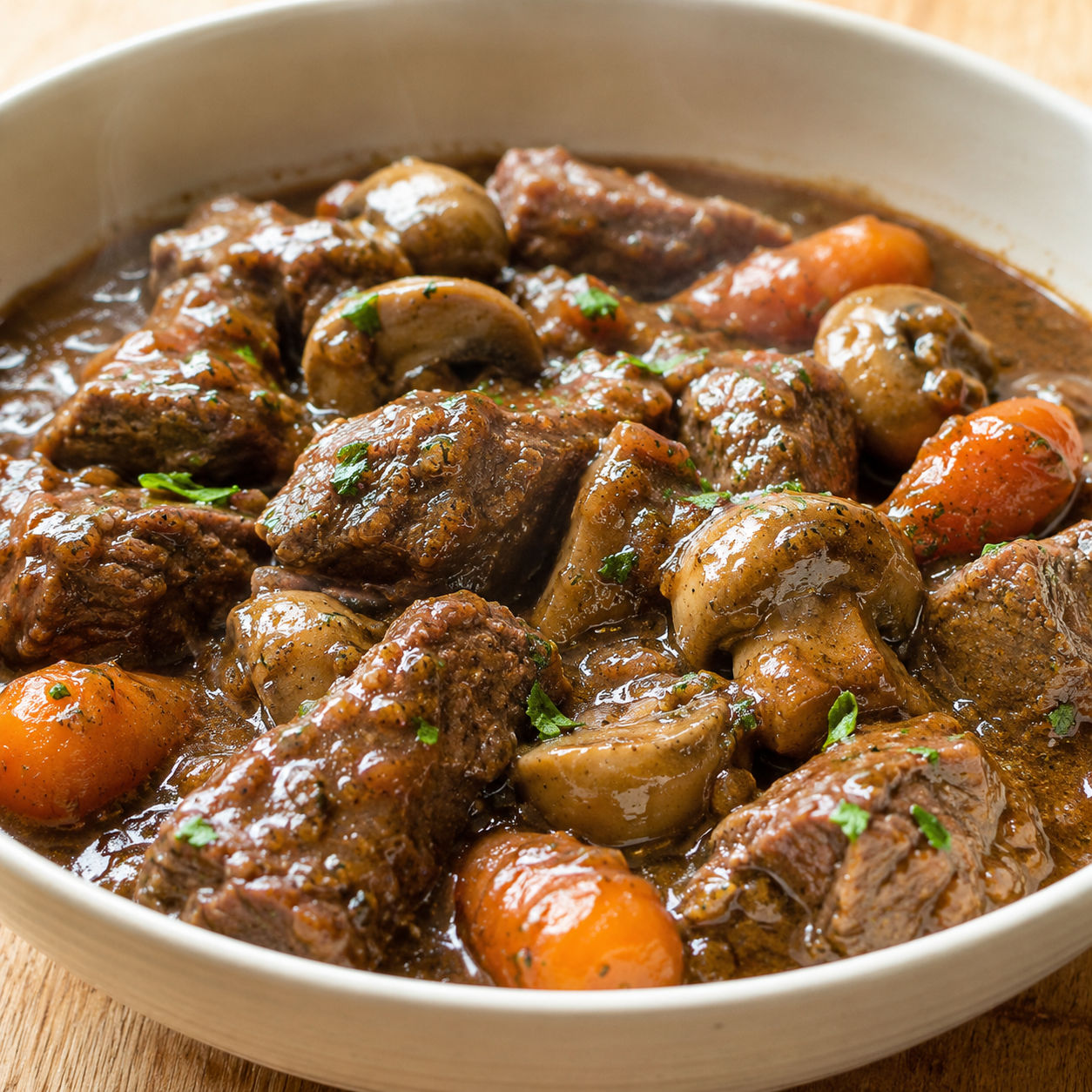
Mary Berry's Flavorful Beef Casserole is the kind of dinner that makes the kitchen smell settled and warm long before the pot reaches the table. The beef turns soft in a thick, savory gravy with a gentle lift from Dijon mustard, Worcestershire sauce, and curry powder.
I like this version because it feels old-fashioned in the best way. There is no fussy garnish or last-minute trick. You brown the meat properly, give the sauce time, and let the oven do the patient work.
The Cozy Beef Lineup
Choose stewing beef with a little marbling, not the leanest pack in the case. The sauce is simple, so use a stock you like and fresh mushrooms that still feel firm.
- Chuck steak. Slow cooking turns this firm cut into tender, juicy pieces that hold their shape.
- Onions. They soften into the base of the gravy and bring natural sweetness.
- Button mushrooms. They add a savory, earthy flavor without taking over the pot.
- Dijon mustard. It gives the gravy a rounded heat and keeps the richness from tasting flat.
- Curry powder. A small spoonful adds warmth rather than a full curry taste.
- Worcestershire sauce. This deepens the sauce with salty, tangy umami.
- Beef stock. The main liquid for a glossy, sturdy gravy.
- Carrots. They bring sweetness and color, especially when added near the end.
Build The Casserole Slowly
- Heat the oven. Set the oven to 325°F and place a heavy flameproof casserole or Dutch oven on the hob.
- Brown the beef. Pat the beef dry, season it, and brown it in oil in small batches until the edges are deeply colored.
- Soften the vegetables. Cook the onions and mushrooms in the same pot for a few minutes, scraping up the browned bits.
- Whisk the paste. Mix Dijon mustard, curry powder, brown sugar, Worcestershire sauce, flour, and a splash of stock until smooth.
- Make the gravy. Add the rest of the stock to the pot, whisk in the mustard paste, and simmer until the sauce thickens.
- Braise until tender. Return the beef, cover the pot, and cook in the oven for 2 to 2 1/2 hours until the meat is fork-tender.
- Finish with carrots. Simmer the carrots separately until just tender, then add them to the casserole at the end and heat through.
Browning Is Worth It
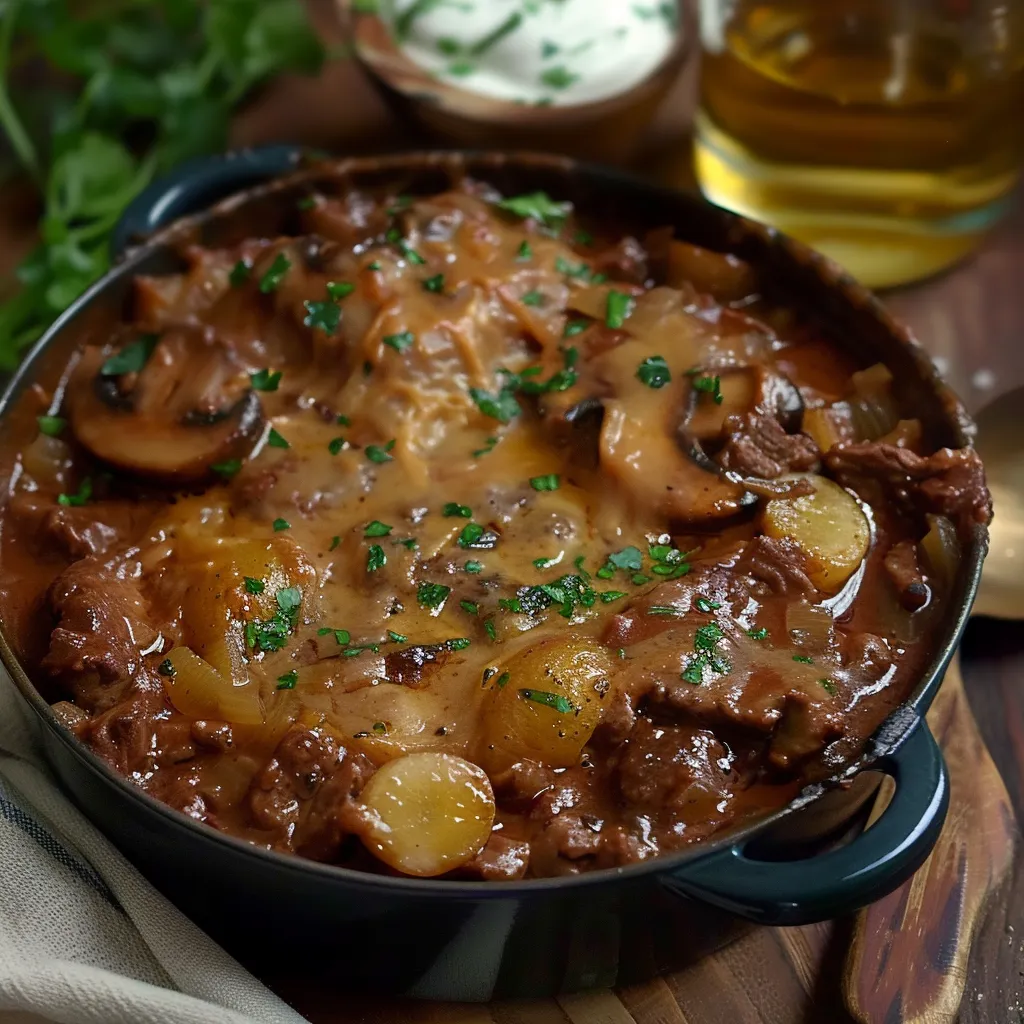
The best flavor in this casserole starts before the liquid goes in. Dry beef browns faster, so blot it with paper towels and leave space between the pieces. If the pan is crowded, the meat steams and turns gray. Work in batches and let the bottom of the pot develop those dark sticky spots. They dissolve into the stock and give the gravy its roasted depth. This is the same reason recipes like red wine braised beef bourguignon taste richer after a careful sear.
The Mustard Gravy Balance
The Dijon, curry powder, sugar, and Worcestershire sauce make this casserole different from a plain beef stew. None of them should shout. The mustard brings a little tang, the curry powder adds quiet warmth, and the sugar softens the edge of both. Whisking them with flour and a small amount of stock first keeps the sauce smooth. GoodtoKnow shares Mary Berry's hot mustard spiced version as a useful starting point, and you can see it here: Mary Berry's beef casserole recipe.
Carrots Need Separate Timing
It may feel tempting to toss the carrots into the pot at the beginning. I do not recommend it here. After nearly 3 hours, small carrots lose their bite and start to sweeten the gravy too much. Cook them in salted water until just tender, cool them under cold water, and add them back when the casserole is almost ready to serve. They stay bright, neat, and sweet. If you like vegetable-heavy bowls, classic vegetable beef soup gives you that same beefy comfort in a brothier style.
Make-Ahead Dinner Strategy
This is a strong make-ahead dish. Cook the casserole until the beef is tender, cool it, and refrigerate it overnight. The gravy will thicken and the flavor becomes rounder by the next day. Reheat it gently on the hob with a splash of stock or water. Add the carrots once the beef is hot. For freezer meals, freeze the beef and gravy without the carrots. The USDA recommends safe reheating and cooking temperatures for meat dishes, which you can check on the USDA safe temperature chart.
How To Serve It Well
Mashed potatoes are the obvious partner, and they earn the job. The gravy is thick enough to sit on top instead of flooding the plate. Buttered egg noodles, boiled potatoes, or a scoop of rice also work. Add something green and sharp on the side, like steamed cabbage, peas, or a simple parsley salad. For another cozy casserole night, try Mary Berry Beef Casserole or a quicker pantry-style 5 ingredient ground beef casserole.
Summary
Serve this beef casserole with mashed potatoes, buttered greens, or crusty bread for a cozy dinner that reheats well.

FAQs
- What cut of beef is best for Mary Berry's Flavorful Beef Casserole?
Chuck steak or braising steak is best because it has enough connective tissue to soften during a long cook. Lean quick-cooking steak can turn dry before the gravy develops body.
- Can I make this beef casserole ahead?
Yes. Cook it through the tender beef stage, cool it quickly, and refrigerate it for up to 2 days. Add the carrots when reheating so they do not become mushy.
- Can I leave out the curry powder?
You can. The casserole will taste more like a classic beef stew. Add a little extra Dijon mustard and a pinch of smoked paprika if you still want warmth without obvious curry flavor.
- Why is my beef casserole tough?
It usually needs more time. Braising beef becomes tender after the collagen breaks down, so keep cooking gently until a piece pulls apart with a fork.
- Can I make this gluten-free?
Yes, replace the plain flour with a gluten-free all-purpose flour blend or a cornstarch slurry. Also check that your Worcestershire sauce and beef stock are labeled gluten-free.
- What should I serve with beef casserole?
Mashed potatoes are the classic choice because they catch the gravy. Buttered peas, steamed cabbage, roasted parsnips, or crusty bread also work well.
