 Pin it
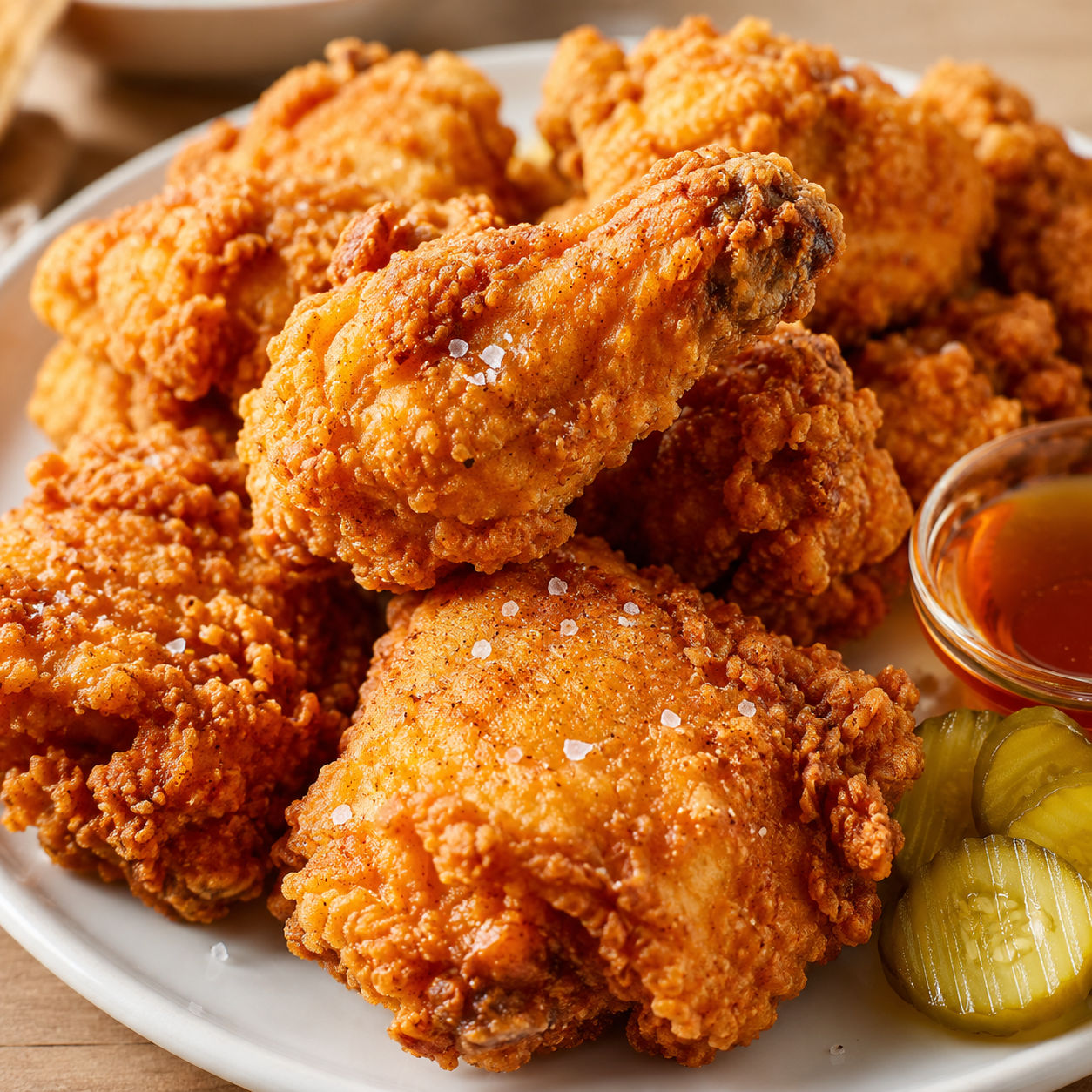
Homemade Crispy Fried Chicken is one of those recipes where a little patience pays you back at the first bite. The crust should sound crisp when you tap it, and the meat underneath should stay juicy all the way to the bone.
The buttermilk does the quiet work here. It seasons, tenderizes, and helps the flour grab onto every ridge of the chicken. A short rest after dredging gives you that craggy coating that does not slide off in the pan.
This is weekend cooking, not fussy cooking. Keep the oil steady, give the pieces room, and drain them on a rack instead of a plate.
Chicken Pieces Worth Frying
Bone-in, skin-on chicken gives the best balance of juicy meat and crackly crust. Use similarly sized pieces when you can, so the batch cooks evenly and no breast dries out while the thighs finish.
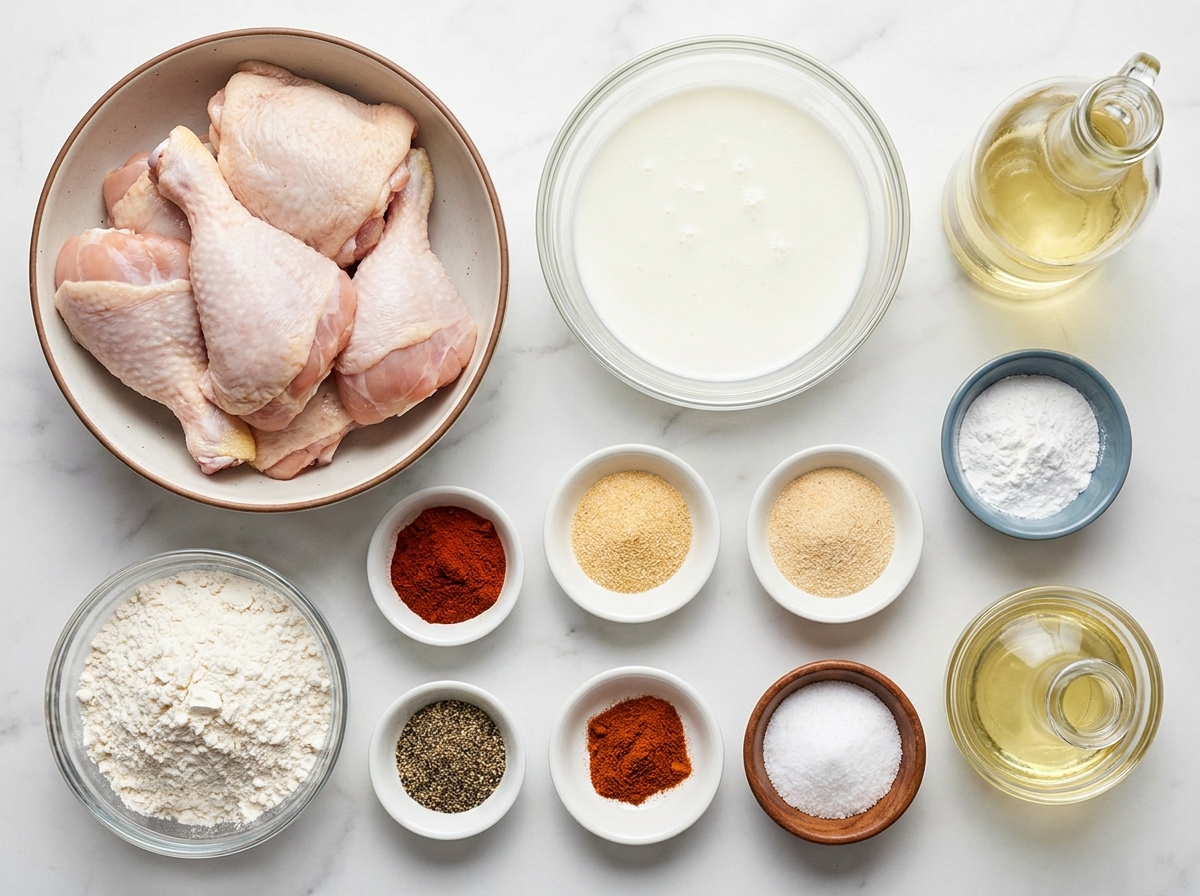
- Bone-in chicken. Drumsticks, thighs, and split breasts stay juicy during the longer fry time.
- Buttermilk. Adds tang, tenderizes gently, and helps the seasoned flour cling.
- Hot sauce. Seasons the brine without making the chicken taste fiery.
- All-purpose flour. Forms the main crust and browns well in the skillet.
- Cornstarch. Lightens the coating and gives the crust a sharper crunch.
- Baking powder. Helps create tiny bubbles and rough edges in the crust.
- Seasonings. Paprika, garlic powder, onion powder, pepper, and cayenne season the coating all the way through.
- Neutral oil. Peanut, canola, or vegetable oil handles frying heat without adding a strong flavor.
Homemade Crispy Fried Chicken Method
- Brine the chicken. Whisk buttermilk, hot sauce, salt, and a little seasoning, then add the chicken and chill for at least 4 hours or overnight.
- Mix the dredge. Combine flour, cornstarch, baking powder, and spices in a wide bowl. Drizzle in a few spoonfuls of buttermilk marinade and rub it through the flour to make shaggy crumbs.
- Coat every piece. Lift chicken from the brine, let the excess drip, then press it firmly into the flour mixture. Pack coating into the edges and under loose skin.
- Rest before frying. Set coated chicken on a wire rack for 20-30 minutes. The coating should look slightly damp in spots rather than powdery.
- Fry in batches. Heat 1 1/2 inches of oil to 350°F. Add chicken without crowding and fry at 325-350°F, turning every few minutes, until deeply golden.
- Drain and finish. Move chicken to a clean rack and sprinkle lightly with salt. Check that white meat reaches 165°F and dark meat reaches 170-175°F.
Why The Coating Stays Crunchy
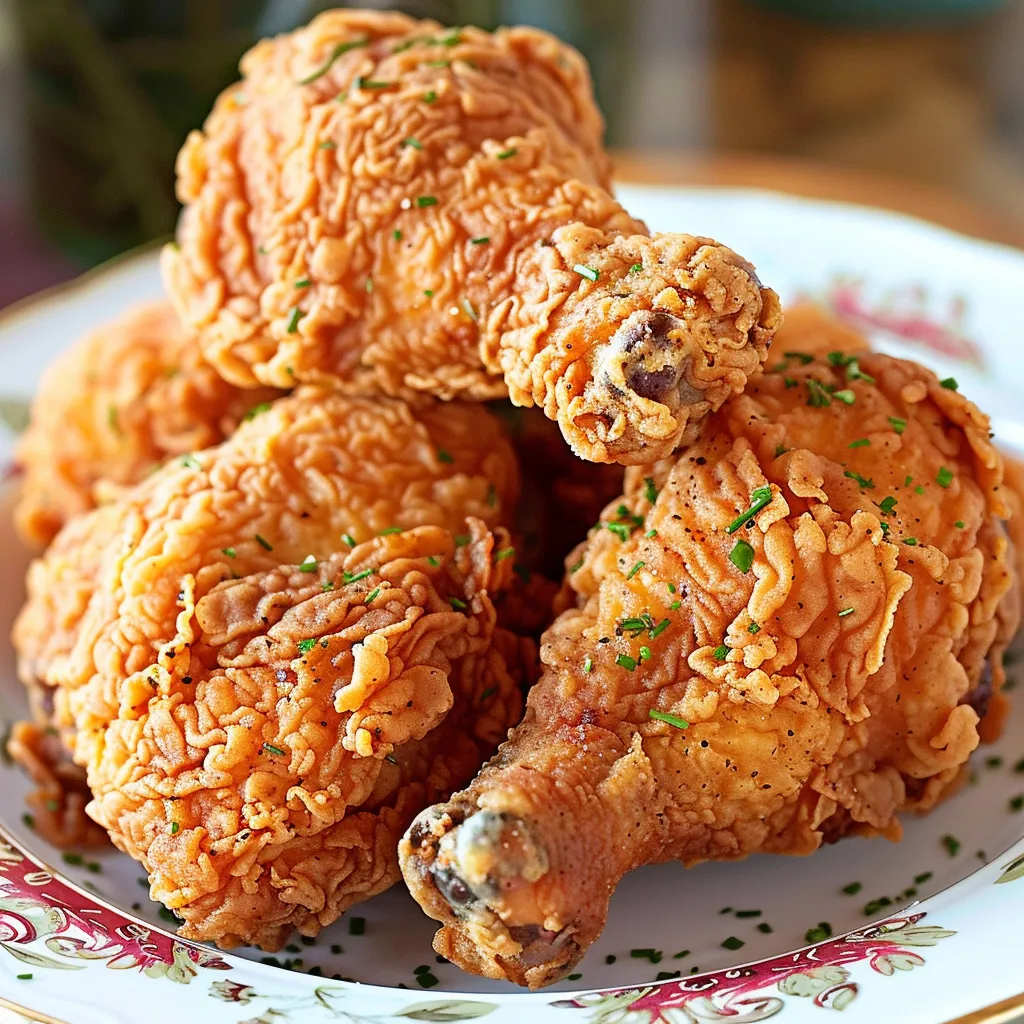
The coating works because it is not just dry flour. A few spoonfuls of buttermilk rubbed into the dredge make small clumps that fry into craggy, crunchy bits. Press those crumbs onto the chicken instead of shaking off too much. Then leave the coated pieces alone on a rack before frying. That rest turns the loose flour into a thin paste that grips the skin. If you like a thicker shell, dredge once, dip quickly back into buttermilk, then dredge again. For a copycat-style version with a heavier seasoned crust, try this Homemade KFC Fried Chicken next.
Keep The Oil Steady
Oil temperature is the part that separates crisp chicken from greasy chicken. Start around 350°F because the temperature drops when cold chicken goes in. Fry closer to 325°F once the batch is cooking. If the crust browns too fast, lower the heat and keep turning the pieces. If the oil barely bubbles, wait before adding more chicken. Crowding the pan traps steam and cools the oil, so use two batches even if the pan looks big. The USDA food-safety guidance at FSIS is clear that poultry needs a safe internal temperature, so use a thermometer instead of guessing by crust color.
Seasoning You Can Adjust
This homemade crispy fried chicken is seasoned warmly, not aggressively. Paprika gives color, garlic and onion powder fill out the savory base, and cayenne adds a small back-end heat. For more punch, add white pepper or a teaspoon of poultry seasoning to the flour. For a sweet-spicy finish, drizzle a little warm honey over the rack just before serving, or borrow the idea from this Spicy Hot Honey Fried Chicken Sandwich. If you are cooking for kids, skip the cayenne in the flour and put hot sauce on the table instead. The crust still tastes seasoned because the salt is split between the brine and dredge.
What To Serve Alongside
Fried chicken loves something cool, sharp, or soft next to it. Coleslaw, pickles, potato salad, biscuits, cornbread, and a simple green salad all make sense. For a bigger comfort-food plate, serve it with mac and cheese or mashed potatoes and gravy. If you want another crunchy chicken dinner with a creamy side, this Crispy Buttermilk Chicken Fried Steak uses the same comfort-food logic in a different shape. Leftover pieces also make excellent cold picnic chicken. Let them chill uncovered for the first few minutes in the fridge so steam does not soften the coating too much.
Store And Reheat It Right
Fresh fried chicken is at its loudest and crispiest within the first hour. After that, store leftovers in an airtight container in the fridge for up to 3 days. Reheat on a wire rack set over a baking sheet at 400°F until the crust wakes back up and the meat is hot. A toaster oven works well for one or two pieces. The microwave heats the meat fast, but it turns the coating soft. For a lighter oven-style option on another night, save this KFC-Style Crispy Oven-Baked Chicken.
Summary
Buttermilk, a craggy seasoned flour coating, a short rest, and steady oil make this fried chicken crisp outside and juicy inside.
FAQs
- What is the secret to crispy fried chicken?
The biggest difference comes from resting the coated chicken before it goes into the oil. That pause hydrates the flour and helps it cling. Keeping the oil around 325-350°F also matters because cool oil makes the coating greasy and hot oil browns before the chicken is done.
- Can I make fried chicken without buttermilk?
Yes. Stir 2 tablespoons lemon juice or white vinegar into 2 cups of milk, then let it stand for 5 minutes before using. It will not taste exactly the same as cultured buttermilk, but it gives the chicken enough tang and helps the coating stick.
- How long should chicken soak in buttermilk?
Four hours is useful, but overnight gives better flavor and tenderness. Do not stretch it past 24 hours because the surface of the meat can start to feel soft.
- How do I know fried chicken is done?
Use an instant-read thermometer in the thickest part without touching bone. Chicken is safe at 165°F, and dark meat often tastes better closer to 175°F. The crust should be deep golden, not pale yellow.
- Can I use boneless chicken?
You can, but reduce the frying time. Boneless thighs usually take 6-8 minutes total, and tenders cook even faster. For small pieces, try the same coating method used in homemade crispy popcorn chicken.
- How do I reheat leftover fried chicken?
Let the chicken sit at room temperature for 20 minutes, then bake it on a rack at 400°F until hot and crisp, about 12-18 minutes. Avoid microwaving if you care about the crust.
