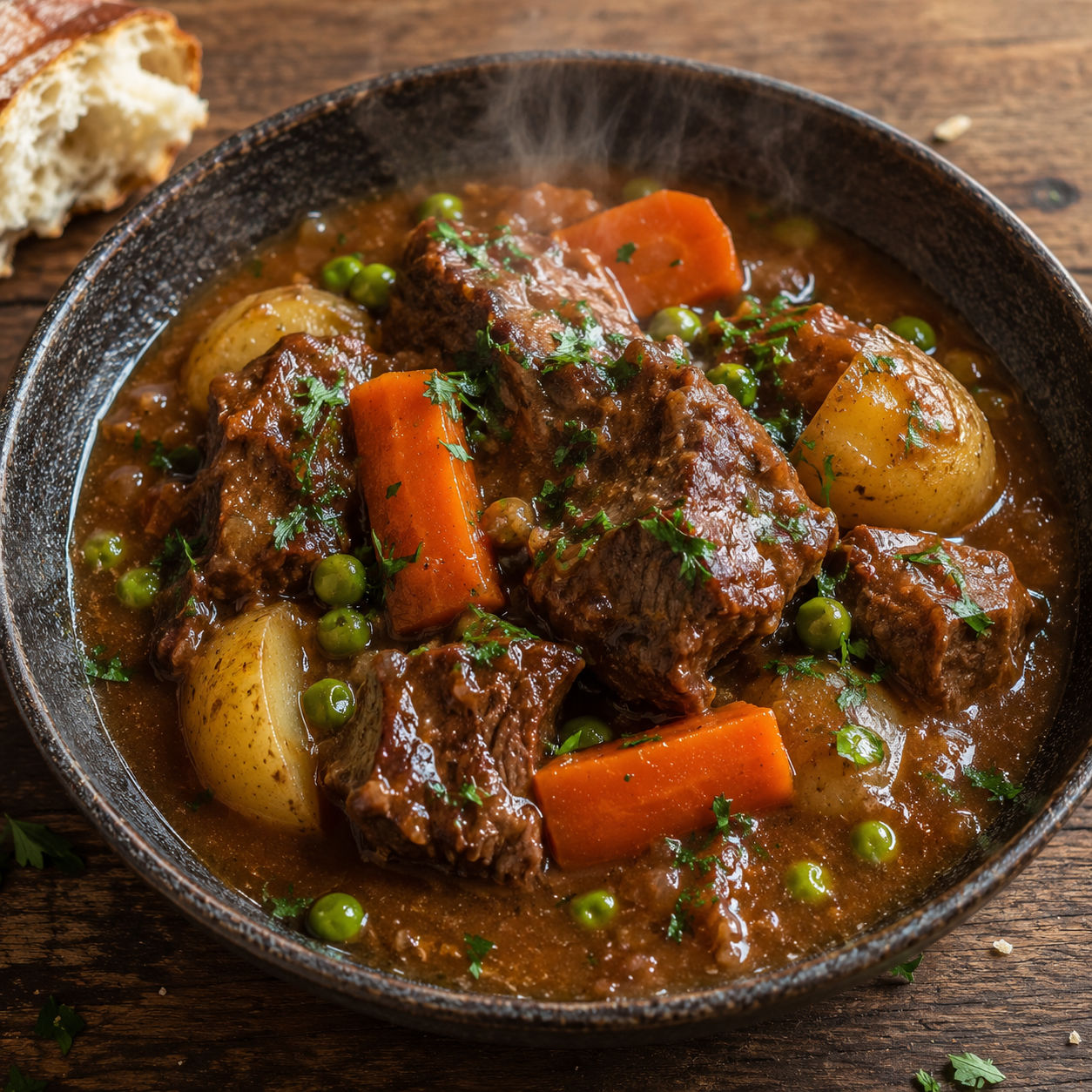
 Pin it
Gordon Ramsay's Classic Lamb Stew is the kind of cold-weather dinner that rewards patience without asking for fancy work. The flavor comes from browned lamb, softened vegetables, tomato paste, herbs, and a slow simmer that turns shoulder meat tender.
I like this version because it feels polished but still eats like real comfort food. The broth is rich without being heavy, the potatoes help thicken it naturally, and the peas at the end keep the bowl from looking dull.
The stew pot lineup
Choose lamb shoulder with a little marbling and trim only the thick outside fat. Good stock matters here because it becomes most of the broth.
- Lamb shoulder. The best cut for a slow stew because it turns tender without drying out.
- Olive oil. Helps the lamb brown cleanly before the long simmer starts.
- Onion, carrot, and celery. This base gives the broth sweetness and body.
- Garlic. Adds warmth once the vegetables have softened.
- Tomato paste. Darkens the broth and gives it a savory backbone.
- Dry red wine. Deglazes the pot and pulls up the browned bits from the bottom.
- Lamb or beef stock. Carries the stew flavor through the long simmer.
- Potatoes. Make the stew filling and lightly thicken the broth as they cook.
- Rosemary, thyme, and bay. Classic herbs that suit lamb without covering it up.
- Peas and parsley. Stirred in at the end for color and a fresh finish.
Build it in layers
- Brown the lamb. Pat the lamb dry, season it well, and sear it in batches until each piece has deep color. Crowding the pot will steam the meat instead.
- Cook the vegetables. Lower the heat and cook the onion, carrots, and celery in the same pot until glossy and softened. Add the garlic near the end so it does not scorch.
- Toast the tomato paste. Stir it into the vegetables for about a minute. It should darken slightly and smell savory.
- Deglaze the pot. Pour in the red wine and scrape the browned bits from the bottom. Let the wine reduce by about half.
- Simmer gently. Return the lamb with stock, potatoes, rosemary, thyme, and bay. Cover and cook at a quiet simmer until the lamb is tender, about 1 1/2 hours.
- Finish and rest. Stir in the peas for the last 5 minutes, then taste for salt and pepper. Rest the stew off the heat before serving with parsley.
Browning makes the broth
The first batch of lamb tells you how the whole stew will taste. You want a real crust, not gray meat. Use a heavy Dutch oven, give the oil time to shimmer, and leave space between the pieces. If the pan looks crowded, cook one more batch. Those browned bits on the bottom are not a mess. They are the base of the broth. The same patience helps in hearty recipes like Vegetable Beef Soup Classic and Classic Slow Cooker Pot Roast.
Keep the simmer quiet
A hard boil makes lamb tighten before it has time to soften. Keep the stew at a gentle bubble, with the lid slightly cracked if your pot runs hot. The lamb is ready when a fork slides in with little resistance. USDA guidance lists lamb cuts as safe at 145°F with a rest, but stew meat goes far beyond that for tenderness. For handling and cooking basics, see the USDA lamb safety guide.
Smart swaps that fit
No lamb stock? Beef stock works well. No wine? Use extra stock and a small splash of vinegar at the end if the stew tastes flat. Parsnips, turnips, or rutabaga can replace some of the potatoes, but keep the pieces large so they do not fall apart. If you want a faster lamb dinner next time, try Grilled Lamb Chops Flavor. For another cozy bowl with a different spice profile, Caldillo de Chile Verde is a good match.
Make-ahead flavor wins
This stew is even better the next day. Cool it quickly, cover it, and refrigerate overnight. The fat firms on top and can be lifted away before reheating. Warm it gently on the stove with a splash of stock or water if it has thickened too much. Freeze cooled portions in airtight containers for up to 3 months. Thaw overnight in the fridge, then reheat slowly so the lamb stays tender.
How to serve it
Serve the stew in warm bowls with parsley and plenty of broth. Crusty bread is the easiest side, but mashed potatoes make it extra hearty if you left potatoes out of the pot. A spoonful of minty yogurt is not traditional for every version, but it is good with lamb if you want a bright finish.
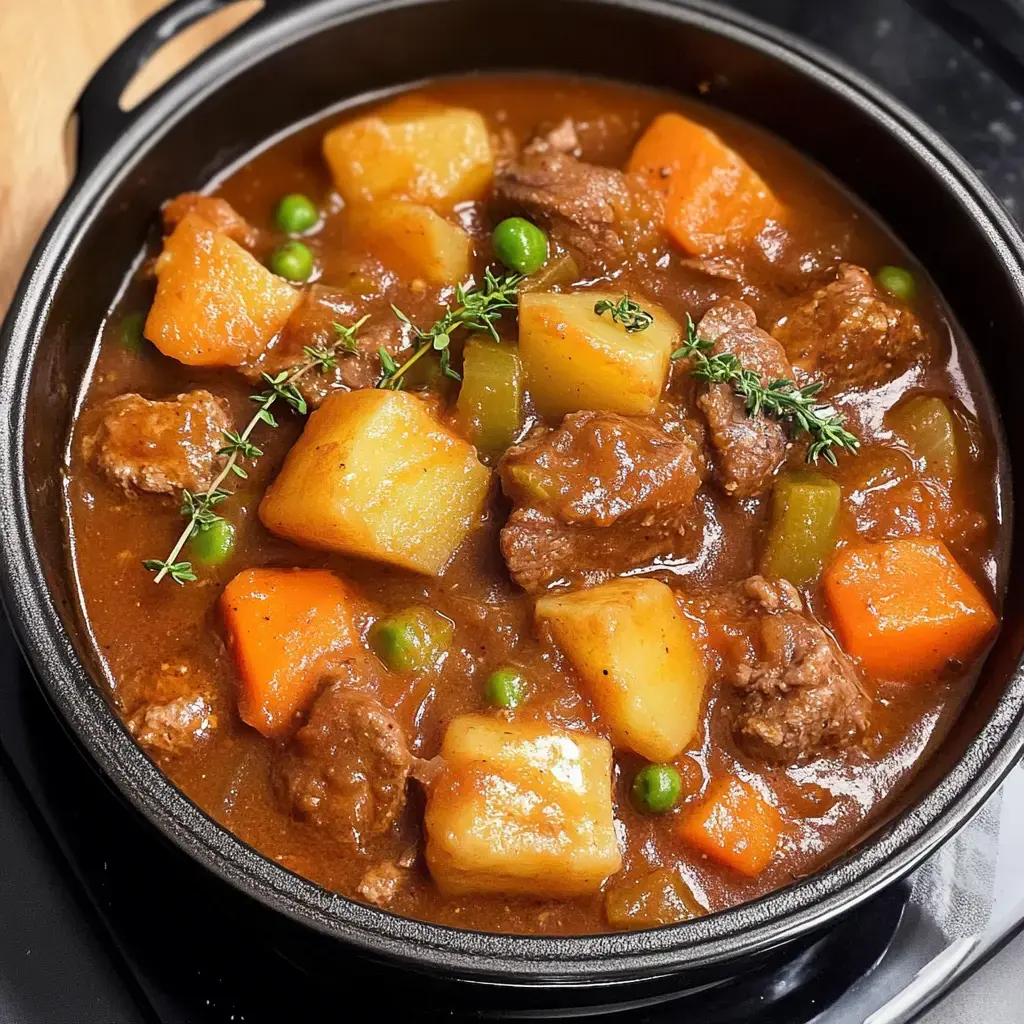
Summary
This lamb stew is built on browned lamb shoulder, a slow simmer, and sturdy vegetables. It is a practical make-ahead dinner with deep flavor and a clean, fresh finish.
FAQs
- What cut of lamb is best for Gordon Ramsay's Classic Lamb Stew?
Lamb shoulder is the best choice because it has enough fat and connective tissue to become tender during a long simmer. Lamb leg is leaner and can turn dry if cooked the same way.
- Can I make this lamb stew without red wine?
Yes. Replace the wine with the same amount of lamb stock or beef stock. Add a teaspoon of Worcestershire sauce if you want a little extra depth.
- How do I keep lamb stew from tasting greasy?
Trim large pieces of surface fat before cooking, then skim the top of the stew halfway through simmering. Letting the stew rest for 10 minutes also makes it easier to spoon off any extra fat.
- Can I make this in a slow cooker?
Yes, but brown the lamb and vegetables first for the best flavor. Transfer everything to the slow cooker and cook on low for 6-8 hours, adding the peas in the last 15 minutes.
- How long does lamb stew keep?
Store it in an airtight container in the fridge for up to 3 days. It also freezes well for up to 3 months, though the potatoes will soften a little after thawing.
- What should I serve with lamb stew?
Crusty bread is enough for a simple dinner. For a fuller meal, serve it with a sharp green salad or buttered peas to balance the rich broth.
