 Pin it
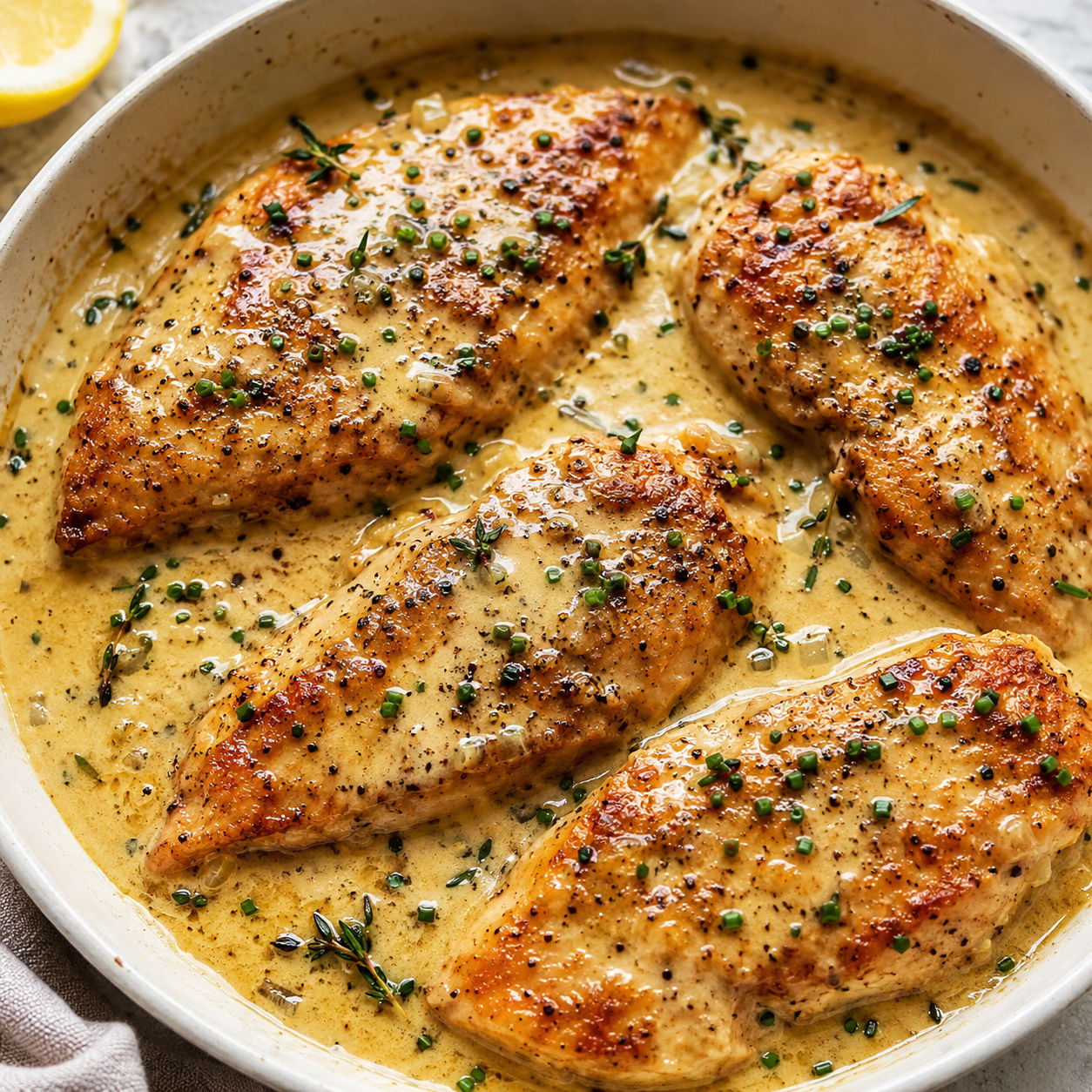
Savory Dijon Chicken with Creamy White Wine Sauce is the kind of skillet dinner that feels calm once you start cooking. The chicken browns fast, the sauce uses the browned bits in the pan, and the Dijon gives the cream enough bite to keep it from tasting heavy.
I like this with mashed potatoes or buttered noodles because the sauce deserves somewhere to land. The only fussy part is heat control. Keep the cream at a gentle simmer and the sauce stays smooth.
Dijon Chicken Sauce Staples
The sauce is built from simple ingredients, so each one should taste good on its own. Choose a dry white wine you would drink, a real Dijon mustard, and chicken cutlets that are close in thickness.
- Chicken cutlets. Thin pieces cook quickly and stay tender without long simmering.
- Flour. A light coating helps the chicken brown and gives the sauce a little body.
- Butter and olive oil. The mix gives flavor while helping the chicken sear evenly.
- Shallot and garlic. They make the pan sauce taste rounded and savory.
- Dry white wine. It loosens the browned bits and adds acidity to the cream sauce.
- Chicken broth. It stretches the sauce without making it taste thin.
- Dijon mustard. It gives the dish its sharp, warm backbone.
- Heavy cream. It softens the mustard and turns the pan juices silky.
- Thyme and chives. Fresh herbs keep the finish bright.
Sear, Simmer, Spoon
- Prep the chicken. Slice large breasts into cutlets if needed, then pat them dry. Season both sides and dust lightly with flour.
- Brown the cutlets. Heat butter and oil in a large skillet. Sear the chicken until golden and cooked through, then move it to a plate.
- Start the aromatics. Lower the heat and cook the shallot until soft. Add the garlic and stir just until fragrant.
- Reduce the wine. Pour in the wine and scrape the skillet well. Let it bubble until reduced by about half.
- Finish the sauce. Add broth, cream, Dijon, and thyme. Simmer gently until the sauce coats a spoon.
- Return the chicken. Add the chicken and its juices back to the pan. Spoon the sauce over the top and finish with chives.
The Brown Bits Matter
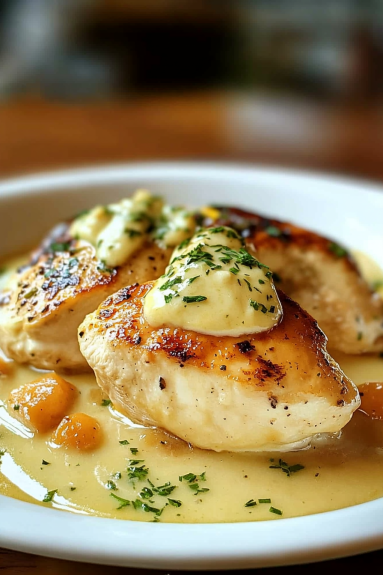
The flavor starts before the sauce exists. Let the chicken sit still when it hits the skillet so the flour can brown instead of smearing across the pan. A stainless steel or cast iron skillet helps here because it leaves you with golden bits on the bottom. Those bits dissolve into the wine and make the sauce taste deeper than the short cook time suggests. This is the same idea behind other creamy chicken dinners like herb roasted chicken in creamy white wine sauce, but this version moves faster because the cutlets are thin. If the pan looks dry after searing, add a small knob of butter before the shallot goes in. If the browned bits look black, wipe out the pan and start the sauce clean. Burnt flour will make the cream taste bitter.
Wine, Mustard, And Cream
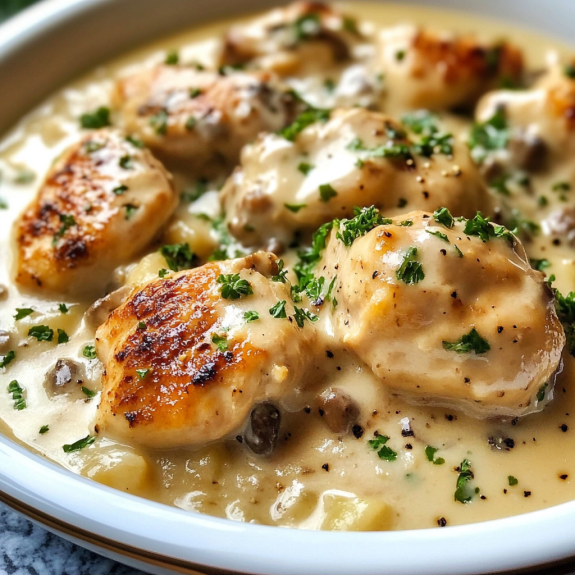
Dry white wine gives this sauce its lift. Sauvignon Blanc, Pinot Grigio, or an unoaked Chardonnay all work. Let the wine reduce before adding cream so the sauce does not taste harsh. Dijon goes in after the cream and broth so it can whisk in smoothly. If you love a stronger mustard bite, add another teaspoon at the end instead of dumping in a lot at once. For a similar cozy pan sauce without the wine-forward flavor, try chicken and mushrooms in creamy sauce. For food safety, cook chicken to 165°F as listed in the USDA safe temperature chart. A quick thermometer check keeps the chicken juicy without guessing.
Easy Swaps That Hold Up
Boneless thighs are the easiest swap. They are forgiving and taste great with mustard, though they need a little longer in the pan. Half-and-half can replace the cream if you want a lighter sauce, but simmer it gently and expect a thinner finish. For no wine, use more broth and a small squeeze of lemon at the end. Tarragon can stand in for thyme if you want a more classic French flavor. Parsley works when chives are not in the fridge. If Dijon is the flavor you came for, the related Dijon chicken creamy sauce keeps the same mustard profile in a slightly different style.
What To Serve With It
This chicken wants something plain enough to catch the sauce. Mashed potatoes are my first choice because the mustard cream settles into every spoonful. Egg noodles, rice, roasted baby potatoes, or crusty bread all do the job. Add a green vegetable with snap, such as green beans, asparagus, or roasted broccoli. The sauce is rich, so a crisp salad with lemon dressing also helps. If you are planning a bigger comfort-food dinner, creamy garlic chicken sits in the same family and gives you another skillet option for nights when mustard is not the mood.
Make-Ahead And Leftovers
You can slice the chicken, mince the shallot, and measure the sauce ingredients earlier in the day. Cook the dish close to serving time because cream sauces are best fresh. Leftovers still reheat well if you go slowly. Put the chicken and sauce in a skillet over low heat with a splash of broth. Cover for a minute, then spoon the sauce over the chicken until warmed through. Avoid blasting it in the microwave if you can. The chicken can toughen and the sauce may separate. If the sauce thickens in the fridge, that is normal. A small splash of liquid brings it back.
Summary
This French-inspired skillet chicken is rich, tangy, and practical for a weeknight. Serve it with potatoes, rice, noodles, or green beans.
FAQs
- Can I make this Dijon chicken without wine?
Yes. Use extra chicken broth and add 1-2 teaspoons of lemon juice or white wine vinegar at the end. You want a little acidity because it balances the cream and mustard.
- What kind of Dijon mustard works best?
Use smooth Dijon for the sauce base because it melts in cleanly. A spoonful of whole grain mustard is nice if you want little pops of texture, but avoid yellow mustard because it tastes sharper and sweeter.
- Can I use chicken thighs instead of breasts?
Boneless, skinless thighs work well. They need a few more minutes in the skillet, so cook until they reach 165°F in the thickest part and feel firm but still juicy.
- How do I keep the cream sauce from breaking?
Keep the heat moderate after the cream goes in. A gentle simmer thickens the sauce without making it grainy. If it gets too thick, whisk in a splash of broth.
- Is this recipe gluten-free?
Not as written because the chicken is dusted with flour. For a gluten-free version, use a cup-for-cup gluten-free flour blend or skip the dredge and reduce the sauce a minute longer.
- How should I store leftovers?
Store the chicken and sauce in an airtight container in the fridge for up to 3 days. Reheat gently in a covered skillet with a splash of broth or water so the sauce loosens back up.
