 Pin it
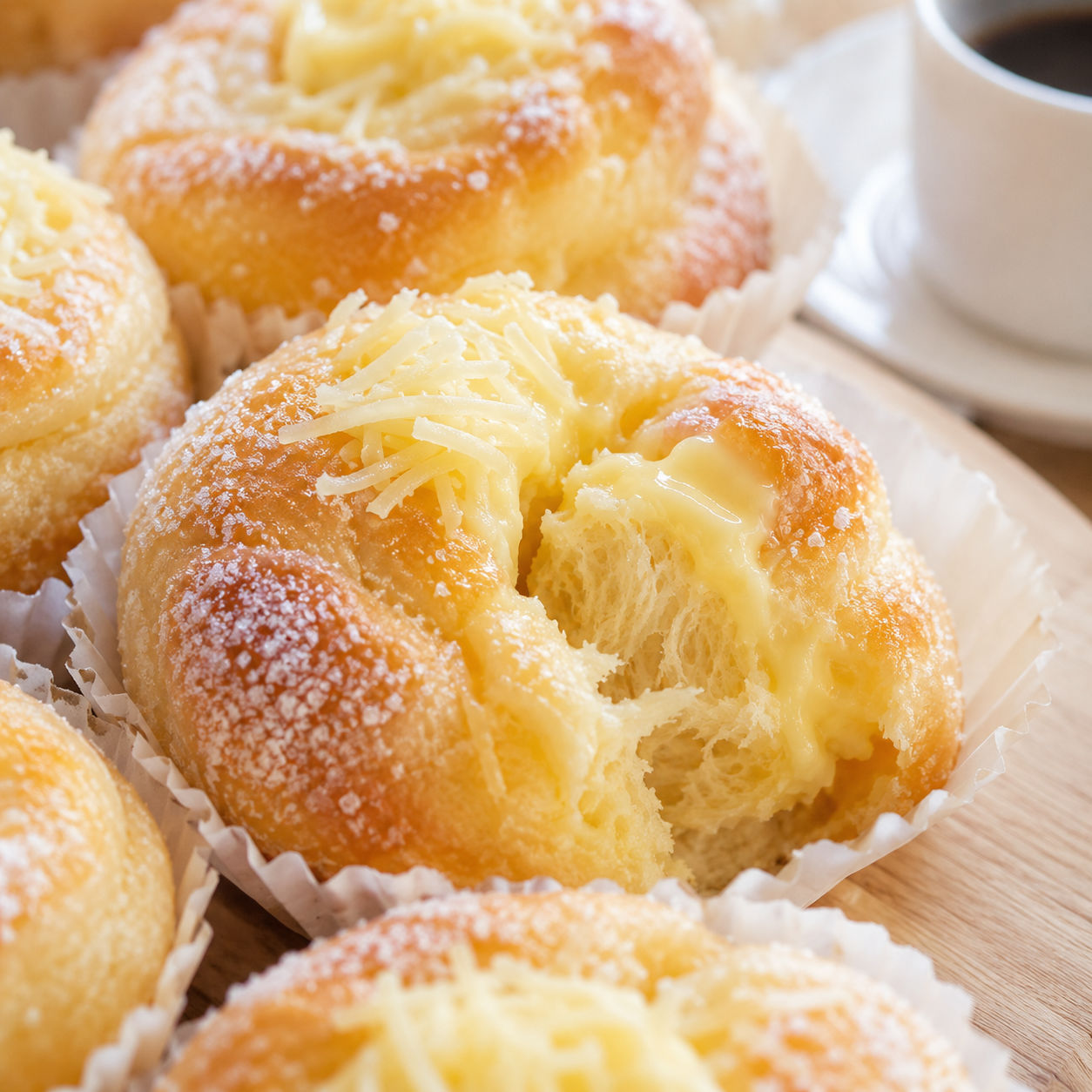
Soft and buttery classic ensaymada bread with sugar topping is the kind of bake that makes the kitchen smell like a small Filipino bakery. The rolls are tender, lightly sweet, and finished while still soft with butter and a snowy coat of sugar.
The dough is enriched with milk, egg yolks, and butter, so it needs a little patience. Most of the time is hands-off proofing. What matters most is a soft dough, a warm rise, and pulling the rolls from the oven before they dry out.
Classic Ensaymada Sugar Topping
The ingredient list is simple, but each one affects the crumb. Use fresh yeast, room-temperature egg yolks, and soft butter so the dough kneads evenly and rises well.
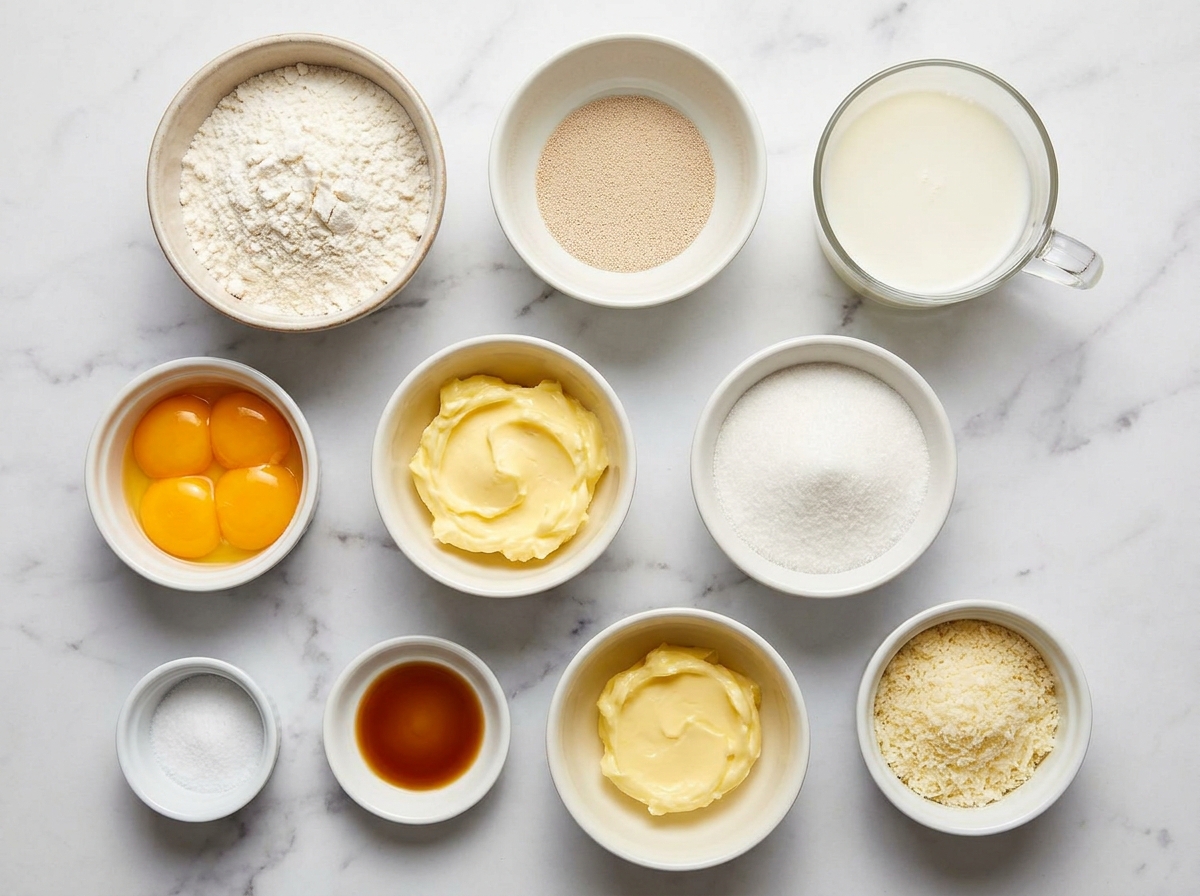
- All-purpose flour. Gives the rolls a tender bite without making them chewy.
- Active dry yeast. Lifts the enriched dough and gives the bread its light, bakery-style texture.
- Warm milk. Adds softness and helps the yeast wake up gently.
- Egg yolks. Enrich the dough and give the rolls a pale golden crumb.
- Unsalted butter. Goes into the dough and on top for that classic buttery flavor.
- Granulated sugar. Sweetens the dough and forms the simple sparkling topping.
- Salt. Keeps the bread from tasting flat and balances the sweetness.
- Vanilla. Adds a soft bakery aroma without taking over.
Shape, Rise, Bake, Butter
- Bloom the yeast. Stir yeast with warm milk and a little sugar, then wait until foamy. If it stays flat, start again with fresh yeast.
- Mix the dough. Combine flour, sugar, salt, yolks, vanilla, yeast mixture, and butter until a soft dough forms. Knead until smooth and stretchy.
- Let it rise. Cover the dough and let it rise in a warm spot until doubled. This usually takes 1 1/2 to 2 hours.
- Roll and coil. Divide the dough, roll each piece into a strip, brush lightly with butter, then roll and coil into a spiral.
- Proof again. Place the coils in greased molds or muffin cups and let them puff until airy. They should look relaxed, not tight.
- Bake gently. Bake at 350 F until lightly golden, about 14-16 minutes. Do not chase a dark crust.
- Finish warm. Brush the tops with softened butter and sprinkle with sugar while the rolls are still soft.
The Soft Dough Test
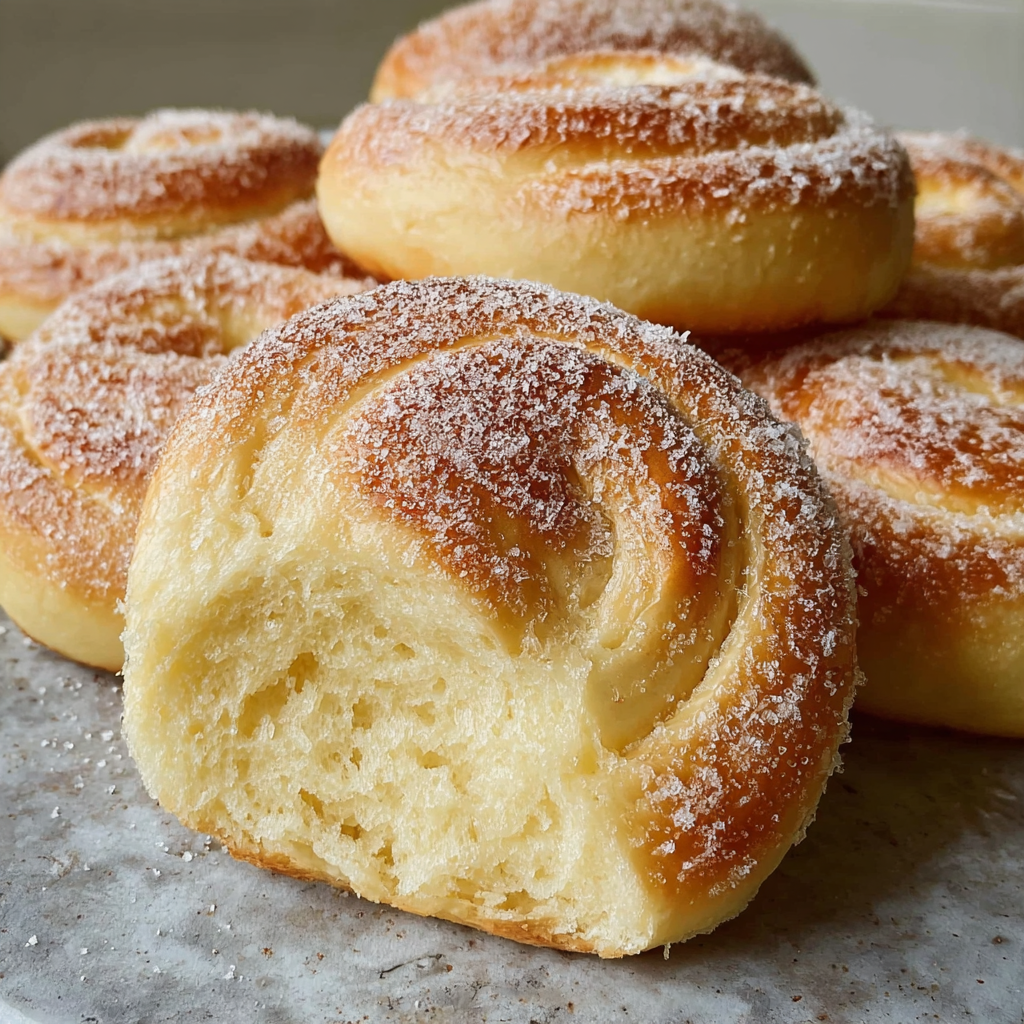
Ensaymada dough should not feel like sandwich bread dough. It is richer and softer because of the milk, yolks, butter, and sugar. When kneaded enough, it pulls into a smooth, stretchy dough that still feels tacky on your fingers.
If you add too much flour while shaping, the rolls bake up firm. Use just enough flour to keep the dough from gluing itself to the counter. A bench scraper helps more than extra flour. For another tender homemade loaf with a sweet finish, try this Southern peach bread.
Getting The Spiral Right
The spiral is not only for looks. Rolling each piece with a thin smear of butter gives the bun a soft pull-apart texture. Keep the strip fairly narrow and do not roll it too tight. A tight coil has less room to expand during the second proof.
Traditional ensaymada molds are shallow and fluted, but muffin cups work well for home baking. You can also set the coils in a baking dish with space between them. If you like soft bread projects, the dough handling here feels close to homemade soft cheese onion bread, just sweeter and richer.
Proofing Without Guesswork
Time is only a guide. A cool kitchen slows the rise, and a warm kitchen speeds it up. Look for dough that has doubled on the first rise and coils that look puffy before baking. When you gently press one with a floured finger, the dent should slowly spring back.
If yeast makes you nervous, the King Arthur Baking yeast guide is a useful reference for temperatures and yeast types. The main thing is simple. Give the dough warmth, moisture, and time.
Butter-Sugar Finish
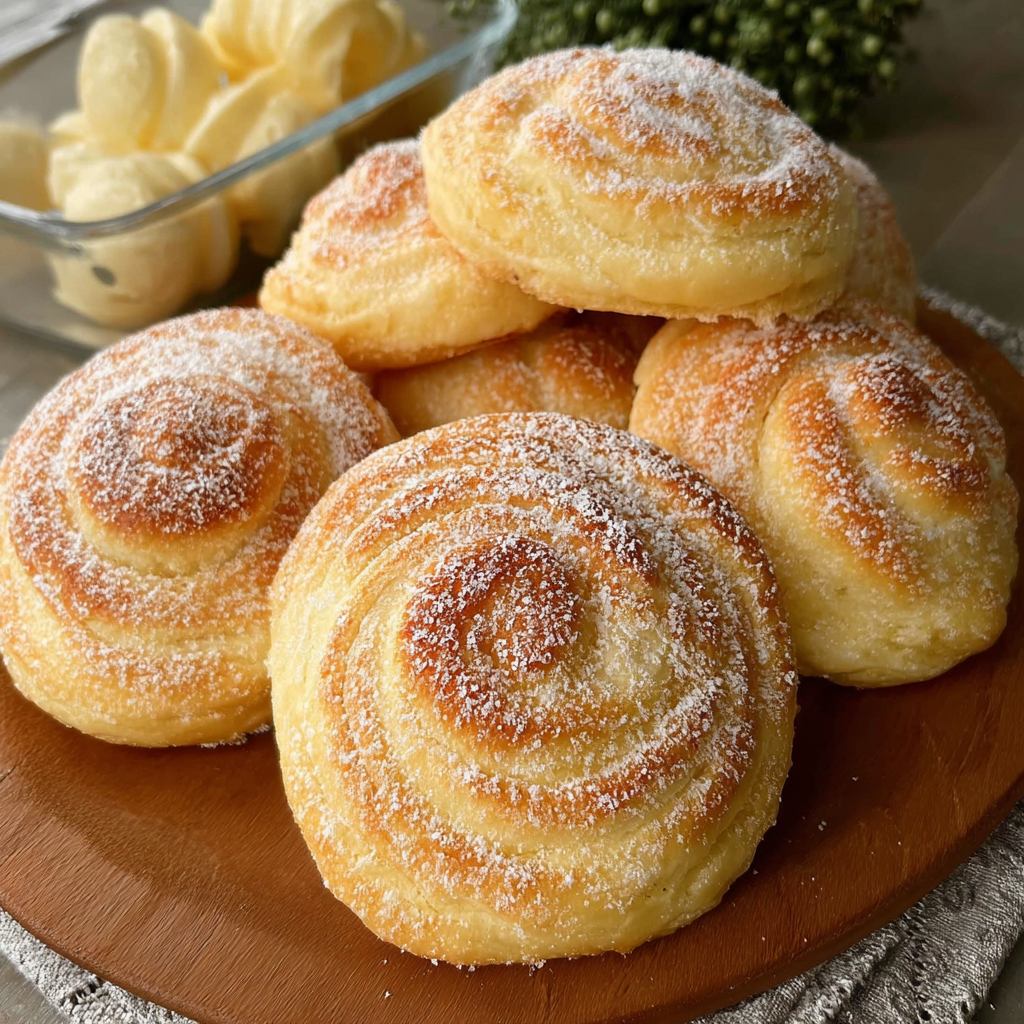
The topping goes on after baking, not before. Softened butter melts into the warm bread and catches the sugar so every bite tastes rich and sweet. Granulated sugar gives a classic sparkle and a tiny crunch. Powdered sugar makes a softer, bakery-style coating.
If you want the familiar sweet-salty version, add a small handful of finely grated cheddar or edam after the sugar. Keep it light for this butter-sugar version. Too much topping can cover the delicate bread. For a cozy cinnamon option with a similar sweet finish, these cinnamon sugar cream cheese rolls fit the same snack table.
Storage And Rewarming
Ensaymada tastes best the day it is baked, while the crumb is still plush. Store cooled rolls in an airtight container for 1-2 days at room temperature. If your kitchen is warm, refrigerate them, but know the fridge can firm up enriched bread.
To rewarm, microwave one roll for 10-15 seconds or place several in a low oven until soft. Add the butter-sugar topping after warming if you plan to freeze them. For a broader Filipino-style reference, I also checked this soft ensaymada recipe while comparing proofing times and toppings.
FAQs
- What is ensaymada bread?
Ensaymada is a Filipino sweet bread roll with Spanish roots. The Filipino version is usually soft, buttery, coiled, and topped with butter, sugar, and sometimes grated cheese.
- Can I use instant yeast instead of active dry yeast?
Yes. Use the same amount of instant yeast and mix it into the flour. Keep the milk warm, not hot, and watch the dough rather than the clock because instant yeast may rise faster.
- Why is my ensaymada dough sticky?
It should be slightly sticky because enriched dough needs enough moisture to bake up soft. Flour your hands and work surface lightly, but do not keep adding flour until it feels dry.
- Can I make ensaymada ahead?
Yes. Shape the rolls, cover them well, and refrigerate overnight before the second rise. Let them sit at room temperature until puffy before baking.
- How do I store leftover ensaymada?
Keep the rolls in an airtight container at room temperature for 1-2 days. For longer storage, freeze them without the butter-sugar topping, then warm and top them after thawing.
- Can I add cheese on top?
Yes. Grated cheddar, edam, or queso de bola is common on Filipino ensaymada. Add it after the butter and sugar if you want a sweet-salty bakery-style finish.
